Pet-Friendly State Parks: Complete Guide for Traveling with Pets

🐾 Complete Guide to Traveling with Pets in State Parks — Check statewide rules and park-specific restrictions before your trip
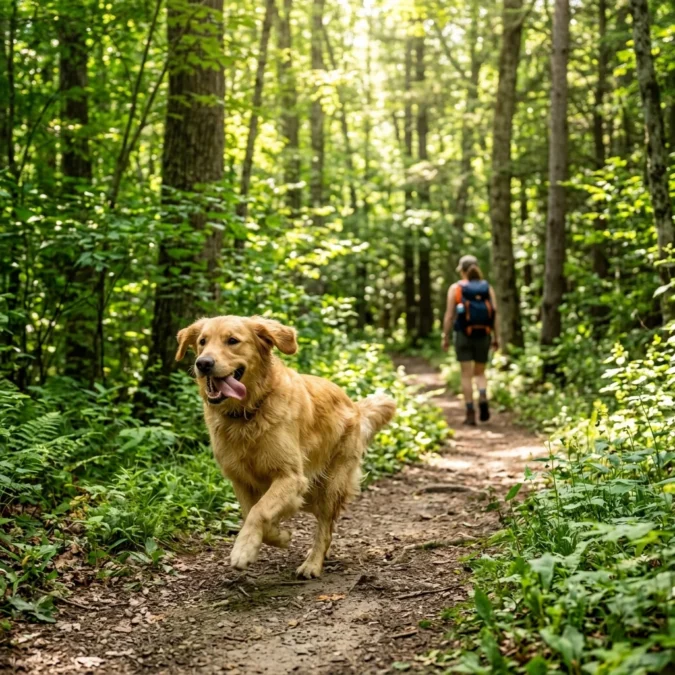
State parks are among the most pet-friendly outdoor destinations in America. While national parks restrict dogs to parking lots and paved paths, most state parks welcome leashed dogs on trails, in campgrounds, on beaches, and even in some cabins. That’s a massive advantage for the 65+ million American households with dogs who don’t want to leave their best friend behind.
But “pet-friendly” doesn’t mean “anything goes.” Every state has its own rules, and even parks within the same state can differ. Some trails prohibit dogs to protect sensitive wildlife. Some campgrounds allow pets only in specific loops. Some cabins welcome your golden retriever, while others will turn you away at the door. This guide covers the universal rules, state-by-state highlights, and the practical tips that make the difference between a great trip and a frustrating one.
Hawaiʻi pet-access rules were checked October 2, 2026 against Hawaiʻi State Parks’ rules. Confirm the rules for your exact park and facility before bringing a pet.
Common State Park Pet Rules
Start with our 50-state dog rules study for leash limits, beach restrictions, and pet-friendly lodging, with official agency sources. The checklist below covers common requirements; the individual park’s posted rules control.
| Rule | Details | Why It Matters |
|---|---|---|
| 🐕 Leash Required | Check the state and park limit; six feet is common but not universal | Protects wildlife, other visitors, and your pet |
| 🧹 Clean Up After Your Pet | Bag and dispose of waste properly | Fines up to $100+ in some states; it’s also just good manners |
| 📝 Rabies Vaccination Proof | Many parks require current vaccination tags | Some campgrounds check at registration |
| 🚫 Never Leave Pets Unattended | Don’t tie your dog to a tree and go hiking | Stressed dogs bark, chew, and can injure themselves |
| 🏖️ Check Trail Restrictions | Some trails, swimming areas, and nature preserves ban pets | Protects nesting birds, endangered species, sensitive ecosystems |
Best States for Dog-Friendly State Parks
Some states go above and beyond in welcoming four-legged visitors. Here are the standouts by state. For individual parks with pet beaches, dog ponds and off-leash backcountry, see our best dog-friendly state parks.
Oregon — The Gold Standard
Oregon’s state parks allow dogs on virtually every trail and in every campground. Several parks even offer off-leash areas and dog-specific beaches. Fort Stevens State Park is a particular favorite, with miles of pet-friendly beach access and trails through coastal forests. The state also offers pet-friendly yurts and cabins at select parks.
Virginia — Pets Welcome Almost Everywhere
Virginia state parks welcome leashed dogs on all trails, in all campgrounds, and even in many cabins. Parks like Grayson Highlands (famous for its wild ponies — keep your dog leashed!) and First Landing State Park are top picks for dog owners. The state’s pet-friendly cabin program is one of the best in the country.
Michigan — Trails and Campgrounds Galore
With 103 state parks, Michigan offers extraordinary dog-friendly options. Most campgrounds welcome pets, and the trail systems are extensive. Ludington State Park allows dogs on its Lake Michigan beach during off-season months. The state also has several designated dog swimming areas.
Colorado — Check Trail Access Before You Go
Colorado park rules vary by location. At Mueller State Park, pets may accompany you in campsites, picnic areas, and on paved roads, but they are prohibited on all trails and in the backcountry. Mueller is therefore unsuitable for a hike with your pet. Check Colorado Parks and Wildlife’s Mueller pet-access policy before planning your visit. This restriction was checked against the official park page on October 2, 2026.
State Parks That Welcome Dogs in Cabins
Finding a state park cabin that allows dogs eliminates the biggest headache of pet travel — figuring out where to stay. These states specifically offer pet-friendly cabin programs:
| State | Pet Cabin Details | Extra Fees |
|---|---|---|
| Virginia | Pet-friendly cabins at most state parks | $20–40 per stay pet fee |
| Georgia | Select cabins designated pet-friendly | $40 per pet per stay (2 pet max) |
| West Virginia | Pet cabins at most resort parks | $25–50 per stay |
| Oregon | Pet-friendly yurts and cabins | $10 per pet per night |
| Pennsylvania | Pet-friendly cabins at select parks | $25–35 per stay |
| New York | Pet-friendly cabins at 14 parks | $5 per pet per night |
Tip: Pet-friendly cabins book fast. Reserve 2–3 months in advance for peak season, especially at popular parks. These cabins are limited in number, and demand is high.
Dog-Friendly Camping Tips
Before You Go
- Verify pet rules: Call ahead or check the park website. Rules change seasonally (some beaches allow dogs only in winter).
- Update vaccinations: Bring proof of rabies vaccination — some parks check at registration.
- Tick and flea prevention: State parks mean tall grass, wooded trails, and ticks. Ensure your pet is on current preventative medication.
- Pack a pet first aid kit: Include tweezers (for ticks), gauze, antiseptic wipes, and any medications your pet needs.
At the Campground
- Extra water: Bring more than you think you’ll need. Heat, altitude, and activity increase your dog’s hydration needs dramatically.
- Portable water bowl: Collapsible bowls are lightweight and essential for trail hydration breaks.
- Familiar bedding: A blanket from home helps your dog settle in an unfamiliar environment.
- Secure your dog at night: Use a stake-out cable or keep your dog inside the tent. Never leave a dog tied to a campsite structure unattended.
- Food storage: Store dog food the same way you store human food — sealed containers, in your car or bear box. Dog food attracts raccoons, bears, and other wildlife.
- Poop bags: Bring way more than you think you need. Pack full bags out to the nearest trash can; never bury pet waste at a campsite.
On the Trail
- Leash at all times: Even if your dog has perfect recall. Wildlife encounters, other dogs, and trail users require leash control.
- Yield the trail: Step to the side with your dog and have them sit when other hikers, horses, or cyclists pass.
- Watch for hazards: Porcupines, snakes, poison ivy, sharp rocks, and hot surfaces can all injure your dog. Stay aware.
- Know your dog’s limits: Dogs don’t communicate exhaustion the way humans do. Watch for excessive panting, limping, or reluctance to continue.
- Check paws: Rocky trails, thorns, and hot pavement can damage paw pads. Inspect paws during breaks.
States with Significant Pet Restrictions
Not all state parks are equally welcoming. These states have notable restrictions to be aware of:
- Hawaii: Hawaiʻi State Parks prohibit pets in campgrounds, lodges, swimming areas and on beaches. Where pets are permitted, keep them under physical control on a leash no longer than six feet.
- California: Dogs are prohibited on most state beach trails and nature preserves. Campgrounds generally welcome dogs, but trail access is limited. Check individual park rules carefully.
- New York: Dogs prohibited on swimming beaches (universal rule). Some Adirondack-region parks have trail restrictions during peak wildlife nesting seasons.
Frequently Asked Questions
Are dogs allowed in state parks?
Yes — the vast majority of state parks welcome leashed dogs on trails, in campgrounds, and in day-use areas. This is a major advantage over national parks, where pets are typically restricted to parking areas, paved roads, and developed campgrounds. Individual trail and beach restrictions apply, so check before you hike.
What about cats and other pets?
Most state park pet rules are specifically written for dogs. Cats, birds, reptiles, and other pets are generally permitted in campgrounds if kept in a carrier or on a leash, but they’re uncommon on trails. Horses are welcome at parks with equestrian trails. Exotic pets may require special permits. When in doubt, call the park directly.
Can my dog swim in state park lakes?
It depends on the park. Many state parks allow dogs to swim in lakes and rivers from non-designated swimming beaches. Some have dedicated dog swimming areas. Dogs are almost universally prohibited from designated swimming beaches where humans swim. Ask at the ranger station for the best dog swimming spots.
Do I need to bring proof of vaccination?
You should. Many state parks require proof of current rabies vaccination, and some campground hosts check at check-in. Even where it’s not strictly checked, having your dog’s vaccination records is smart practice in case of a wildlife encounter or interaction with another pet.
🐾 Plan Your Pet-Friendly Park Trip
State parks are the best outdoor destinations for dog owners in America. With proper preparation, leash discipline, and respect for wildlife, you and your four-legged companion can share unforgettable outdoor experiences.
