🌤 Weather at Robert Moses State Park by season
| Spring | Summer | Fall | Winter |
|---|---|---|---|
| 33–68 °F | 61–83 °F | 38–75 °F | 25–44 °F |
Each range runs from the coldest monthly average low to the warmest monthly average high in that season (1991-2020 climate normals), measured at Farmingdale Airport, 11 mi away, elevation 81 ft. Conditions at the park can differ from the station, especially where elevation differs — check a forecast before you go.

Robert Moses State Park stretches across 875 acres on the western end of Fire Island, offering 5 miles of pristine Atlantic Ocean beach and serving as the gateway to Fire Island National Seashore. Originally established in 1908 as Fire Island State Park—making it Long Island’s oldest state park—this beloved destination was renamed in 1964 to honor Robert Moses, the visionary parks commissioner who transformed New York’s public recreation system. With 300+ bird species, an iconic lighthouse just a boardwalk away, and some of the finest surf fishing on the East Coast, Robert Moses State Park draws millions of visitors each summer while remaining remarkably more relaxed than neighboring Jones Beach.
🏖️ At a Glance
- Size: 875 acres
- Established: 1908 (as Fire Island State Park); renamed 1964
- Beach: 5 miles of Atlantic Ocean shoreline
- Wildlife: 300+ bird species, harbor seals, white-tailed deer
- Camping: None (day-use only)
- Parking: $10/vehicle (seasonal)
- Hours: Sunrise to sunset, year-round
Atlantic Ocean Beaches
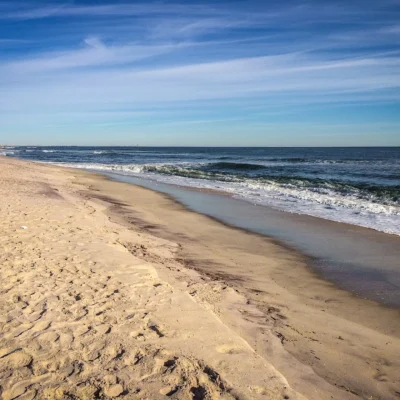
Robert Moses State Park’s five miles of white sandy beach rank among the finest on the entire Eastern Seaboard. Unlike the often-packed shores at Jones Beach to the west, Robert Moses offers a noticeably more relaxed atmosphere—even at peak summer weekends. The park is organized into five distinct beach fields, each with its own character, bathhouses, and amenities. Whether you’re looking for family-friendly swimming with lifeguard protection, serious surfing breaks, or a quiet stretch of sand to watch the sunset, there’s a field for you.
| Beach Field | Highlights | Best For |
|---|---|---|
| 🏖️ Field 1 | Concessions, restrooms, volleyball | Families, groups |
| 🏖️ Field 2 | Bathhouse, food stands, first aid | General beach day |
| 🏖️ Field 3 | Quieter section, ample parking | Relaxation, sunbathing |
| 🏖️ Field 4 | Designated surfing area, bodyboarding | Surfers, bodyboarders |
| 🏖️ Field 5 | Playground, lighthouse boardwalk access | Families, lighthouse visitors |
Lifeguards patrol designated swimming areas from late May through early September, typically from 10 AM to 5 PM on weekends and holidays during the early and late season, with daily coverage from late June through Labor Day. The Atlantic waters here can be cold—typically 60–70°F in peak summer—but invigorating. Always check posted flags for current conditions, as shark sightings have led to temporary beach closures in recent summers.
Fire Island Lighthouse
One of Robert Moses State Park’s greatest draws isn’t technically in the park at all. A scenic ¾-mile nature boardwalk from Field 5 leads directly to the Fire Island Lighthouse—Long Island’s tallest landmark at 168 feet. Built in 1858, this stunning black-and-white-banded beacon guided ships past the treacherous Fire Island Inlet for over a century. Today, visitors can climb all 182 steps to the gallery deck for breathtaking 360-degree views of the Atlantic Ocean, Great South Bay, and the Long Island skyline.
| Lighthouse Detail | Information |
|---|---|
| 🏗️ Built | 1858 (current tower) |
| 📏 Height | 168 feet (182 steps to top) |
| 💰 Tower Climb | Adults $10, Seniors $8, Children (12 & under) $6 |
| 🏛️ Museum | Free with grounds admission |
| 📅 Season | April–November (weekends spring/fall, daily summer) |
| 👶 Age Limit | Must be at least 42″ tall to climb |
The lighthouse grounds also include a keeper’s quarters museum with fascinating exhibits on Fire Island’s maritime history, shipwrecks, and the U.S. Life-Saving Service. The boardwalk path to the lighthouse winds through coastal scrub and dune habitat—an excellent birding walk, especially during fall migration when warblers and raptors move through in impressive numbers.
Wildlife & Birding
Robert Moses State Park sits within one of the Atlantic Flyway’s most important migratory corridors, making it an exceptional birding destination. With over 300 documented bird species, the park’s beaches, dunes, salt marshes, and maritime forests provide critical habitat for both resident and migratory birds year-round.
| Season | Notable Species | Where to Look |
|---|---|---|
| 🌸 Spring | Warblers, osprey nesting, piping plovers return | Boardwalk, dune edges |
| ☀️ Summer | Piping plovers (endangered), least terns, egrets | Beach closures protect nesting areas |
| 🍂 Fall | Monarch butterfly migration, hawks, falcons | Lighthouse area, Field 5 |
| ❄️ Winter | Snowy owls, harbor seals, loons, scoters | Jetty areas, offshore waters |
The piping plover—a federally threatened shorebird—nests on Robert Moses’s beaches each summer. Specific beach sections are fenced off to protect nesting areas, so please respect all closures. During September and October, thousands of monarch butterflies pass through on their epic migration to Mexico, creating unforgettable natural spectacles. In winter, keep an eye out for snowy owls perched on the dunes and harbor seals hauled out on the rocks near the inlet.
Surf Fishing
Robert Moses State Park is one of the premier surf fishing destinations on Long Island’s South Shore. The park’s location at the western tip of Fire Island, where the Atlantic Ocean meets Fire Island Inlet, creates ideal conditions for pursuing a variety of saltwater game fish. Serious anglers arrive before dawn for the best action, especially during the fall blitz when striped bass and bluefish chase bait through the surf zone.
| Species | Best Season | Tips |
|---|---|---|
| 🐟 Striped Bass | Apr–Jun, Sep–Nov | Non-offset circle hooks required with bait (2025 law) |
| 🐟 Bluefish | May–Oct | Metal lures, wire leaders recommended |
| 🐟 Fluke (Summer Flounder) | Jun–Sep | Bucktails near inlet |
| 🐟 Weakfish | May–Jul | Dawn/dusk best |
🎣 Fishing Regulations
- New York Recreational Marine Fishing Registry required (age 16+)
- Non-offset circle hooks mandatory for striped bass bait fishing (since 2025)
- Night fishing allowed from designated areas
- Check NY DEC for current size/bag limits
Recreation & Activities
Beyond the beach and fishing, Robert Moses State Park offers a surprising variety of recreational options. The park’s four full-service bathhouses provide changing rooms, showers, and restrooms, while multiple concession stands serve everything from classic boardwalk fare to ice cream.
| Activity | Details | Season |
|---|---|---|
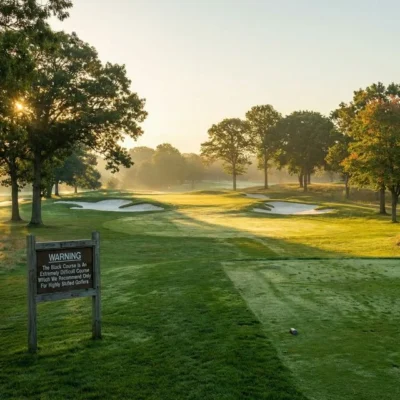
| ⛳ Pitch & Putt Golf | 18-hole course, equipment rental available | April–November |
| 🏐 Beach Volleyball | Multiple courts at Field 1 & 2 | May–September |
| 🏄 Surfing & Bodyboarding | Designated area at Field 4 | Year-round (wetsuit needed off-season) |
| 🚶 Boardwalk Nature Walk | ¾-mile to Fire Island Lighthouse | Year-round |
| 🧒 Playground | Located at Field 5 | Year-round |
| 🎆 Fireworks & Events | July 4th celebrations, seasonal programs | Summer |
Gateway to Fire Island
Robert Moses State Park serves as the most accessible entry point to Fire Island National Seashore, one of America’s most unique barrier island ecosystems. From Field 5, visitors can walk directly onto Fire Island and explore:
- Lighthouse Beach — Semi-wilderness beach stretching east from the lighthouse
- Fire Island Lighthouse & Museum — The iconic 1858 beacon (see above)
- Kismet — The first car-free community on Fire Island, accessible by foot
- National Seashore Visitor Center — Rangers, exhibits, and guided programs
Fire Island is one of New York’s greatest natural treasures—32 miles of pristine barrier island with no roads, cars, or commercial development. The fact that you can walk to it from a state park parking lot makes Robert Moses an unbeatable starting point for exploration.
History & Legacy
The park’s namesake, Robert Moses (1888–1981), was arguably the most powerful urban planner in American history. As Long Island State Parks Commissioner beginning in 1924, he transformed miles of inaccessible shoreline into public beaches and parklands connected by revolutionary parkway systems. The construction of the Robert Moses Causeway in 1964 finally gave ordinary New Yorkers easy automobile access to Fire Island’s western beaches.
The site itself has an even longer history. The Fire Island Lighthouse was first lit in 1826 (replaced by the current tower in 1858), and the island served as a critical life-saving station during the era of coastal shipwrecks. Today, the park stands as a monument to the democratization of public recreation—a beach once accessible only to the wealthy is now enjoyed by millions.
Seasonal Guide
| Season | Activities | Crowds | Tips |
|---|---|---|---|
| 🌸 Spring (Apr–May) | Fishing, birding, lighthouse opens | Low | Best surf fishing months |
| ☀️ Summer (Jun–Aug) | Swimming, surfing, all amenities open | Very High | Arrive before 9 AM for parking |
| 🍂 Fall (Sep–Nov) | Fishing, monarch migration, hawk watching | Low–Medium | Best overall season for visit |
| ❄️ Winter (Dec–Mar) | Seal watching, snowy owls, beach walks | Very Low | Dress for wind—exposed coast! |
Entry & Parking Fees
| Fee Type | Cost | Notes |
|---|---|---|
| 🅿️ Parking (Peak Season) | $10/vehicle | Late May–early September |
| 🅿️ Parking (Off-Season) | Free | September–May |
| 🎫 Empire Pass | $80/year | Unlimited access to all NY state parks |
| ⛳ Pitch & Putt Golf | ~$10–15 | Equipment rental additional |
Getting There
Robert Moses State Park is located at the western tip of Fire Island, accessible via the Robert Moses Causeway from the Southern State Parkway or Sagtikos State Parkway. The park is approximately 50 miles east of Manhattan and 60 miles from JFK Airport.
| From | Distance | Drive Time |
|---|---|---|
| 🏙️ Manhattan (NYC) | 50 miles | ~1.5 hours (varies with traffic) |
| 🏡 Babylon (LIRR) | 8 miles | ~15 minutes |
| ✈️ JFK Airport | 60 miles | ~1.5 hours |
| 🏖️ Jones Beach | 15 miles | ~25 minutes |
🚌 Public Transit Option
Take the LIRR to Babylon Station, then transfer to Suffolk County Transit S47 bus (summer weekends only) to the park. Check SCT schedules for current service.
Budget Planner
| Expense | Budget | Mid-Range | Premium |
|---|---|---|---|
| 🅿️ Parking | $10 | $10 | $80 (Empire Pass) |
| 🍔 Food | $0 (pack lunch) | $15–25 (concessions) | $40–60 (nearby restaurants) |
| 🏗️ Lighthouse Climb | $0 (grounds only) | $10 (adult tower) | $10 |
| 🏄 Gear Rentals | $0 (bring own) | $15 (umbrella/chair) | $30+ (surfboard rental) |
| Day Total | $10 | $50–60 | $120+ |
Safety Tips
| Hazard | Details | Prevention |
|---|---|---|
| 🦈 Shark Activity | Beach closures increasingly common in summer | Obey all posted warnings and flag signals |
| 🌊 Rip Currents | Strong undertow, especially near inlet | Swim only in lifeguarded areas |
| ☀️ Sun Exposure | No shade on beaches—full sun all day | Bring umbrella, SPF 50+, stay hydrated |
| 🦟 Ticks | Present in dune grass and boardwalk edges | Use repellent, check after walks |
| 🅿️ Lot Full | Parking lots close when full (summer weekends) | Arrive before 9 AM or after 3 PM |
What to Pack
☀️ Beach Day
- Sunscreen (SPF 50+)
- Beach umbrella (no shade!)
- Cooler with drinks & snacks
- Towels, swimsuit
🐦 Birding
- Binoculars
- Field guide (Atlantic birds)
- Camera with telephoto lens
- Bug spray (tick areas)
🎣 Fishing
- Surf rod (10–12 ft)
- Circle hooks (mandatory for striped bass)
- Sand spike rod holder
- NY Marine Fishing Registry
Nearby Attractions
- Fire Island National Seashore — 32 miles of pristine barrier island (walk from Field 5)
- Captree State Park — Charter fishing, boat launches, bay access (5 min)
- Jones Beach State Park — 6.5 miles of beach, amphitheater concerts (25 min)
- Gilgo Beach — Quiet surfing beach, no crowds (15 min)
- Long Island Maritime Museum — Oyster history, boat building (20 min)
Frequently Asked Questions
Can you camp at Robert Moses State Park?
No. Robert Moses State Park on Long Island is day-use only with no camping facilities. For camping on Long Island, try Hither Hills State Park in Montauk (168 sites) or Wildwood State Park (331 sites). Note: The Robert Moses State Park in the Thousand Islands region (upstate NY) does offer camping.
How much does it cost to park at Robert Moses State Park?
Parking costs $10 per vehicle during the summer season (late May through early September). Off-season parking is free. The Empire Pass ($80/year) provides unlimited access to all New York State Parks and is a great deal if you visit more than 8 times per year.
How do you get to Fire Island Lighthouse from Robert Moses?
Park at Field 5 and follow the scenic ¾-mile boardwalk east. The walk takes about 15–20 minutes and passes through beautiful dune and coastal scrub habitat. The lighthouse tower climb costs $10 for adults and is open April through November.
Is Robert Moses State Park better than Jones Beach?
It depends what you’re looking for. Robert Moses is generally less crowded than Jones Beach, has better surfing and surf fishing, and offers direct access to Fire Island and the lighthouse. Jones Beach has a larger boardwalk, more concessions, and the famous Northwell Health amphitheater for concerts. Many locals prefer Robert Moses for its more natural, relaxed vibe.
Are there sharks at Robert Moses State Park?
Yes, shark sightings have increased in recent years along Long Island’s South Shore, including at Robert Moses. Lifeguards monitor for sharks and will close beaches temporarily when sharks are spotted near shore. Most encounters involve sand sharks and small species, but great white sharks have been tracked in the area. Always swim in lifeguarded areas and obey posted warnings.
Can you surf at Robert Moses State Park?
Yes! Field 4 is the designated surfing and bodyboarding area. Surfing is permitted year-round, though you’ll need a wetsuit from October through May. The beach break can produce fun waves, especially during fall hurricane swells. No permit is required for surfing.
When does Robert Moses State Park get crowded?
Peak crowds occur on summer weekends and holidays, especially July 4th and Labor Day. Parking lots can fill by 9–10 AM on hot Saturday/Sunday mornings. Pro tip: arrive early morning, visit on weekdays, or come after 3 PM when spots open up as early beachgoers leave. Fall is the best season for a relaxed visit with fewer crowds.
🗽 Long Island’s Beach Paradise
Robert Moses State Park delivers 5 miles of Atlantic Ocean beach, a historic lighthouse, world-class birding, and the gateway to Fire Island—all just 90 minutes from Manhattan. Visit NY State Parks for current conditions and events.
Explore More New York State Parks
Robert Moses State Park is one of many outstanding state parks in New York. Discover more parks in our Best State Parks in New York guide, or use our Park Finder to search by activity, location, or features.
Camping reservations: Book campsites and cabins for New York state parks online at newyorkstateparks.reserveamerica.com.

🐾 Dogs & Pets at Robert Moses State Park
- Pets allowed? statewide rule
- Pets are permitted in most state parks and campgrounds (maximum two pets per site where allowed), but policies vary by park and some parks prohibit pets entirely.
- Leash rule statewide rule
- Leash no longer than 6 ft required, pet under control at all times
- Beaches & swim areas statewide rule
- Pets are not permitted on guarded beaches, boardwalks, pools or spray-grounds
- Cabins & lodging statewide rule
- No uniform statewide rule — pets are prohibited in buildings and most cabins, but some parks designate pet-friendly cabin areas (e.g. Letchworth Cabin Area C); check with the individual park
- Statewide exceptions statewide rule
- Proof of rabies vaccination required upon request; maximum two pets per campsite; some parks (e.g. Wildwood State Park) do not allow pets at all
Are dogs allowed at Robert Moses State Park?
Pets are permitted in most state parks and campgrounds (maximum two pets per site where allowed), but policies vary by park and some parks prohibit pets entirely. Individual parks can post stricter rules — check signage on arrival.
Rules verified July 2026 via parks.ny.gov. More: New York state parks guide · Dog rules in all 50 states compared
Park Map
Plan your gear for Robert Moses State Park
From our editorial guides, matched to this park’s activities: