
🌤 Weather at First Landing State Park by season
| Spring | Summer | Fall | Winter |
|---|---|---|---|
| 39–76 °F | 66–87 °F | 42–80 °F | 32–54 °F |
Each range runs from the coldest monthly average low to the warmest monthly average high in that season (1991-2020 climate normals), measured at Oceana Nas, 7 mi away, elevation 23 ft. Conditions at the park can differ from the station, especially where elevation differs — check a forecast before you go.

Where American History Began — Virginia’s most popular state park marks where English colonists first landed in 1607, now featuring 1.5 miles of Chesapeake Bay beach and 20 miles of wetland trails.
On April 26, 1607, three small ships carrying 104 English colonists made landfall on what is now First Landing State Park. Before pushing up the James River to establish Jamestown, these early settlers spent their first hours in Virginia on this very shore. Today, that same stretch of beach draws over a million visitors annually, making First Landing the most visited state park in Virginia—and one of the most historically significant outdoor spaces on the East Coast.
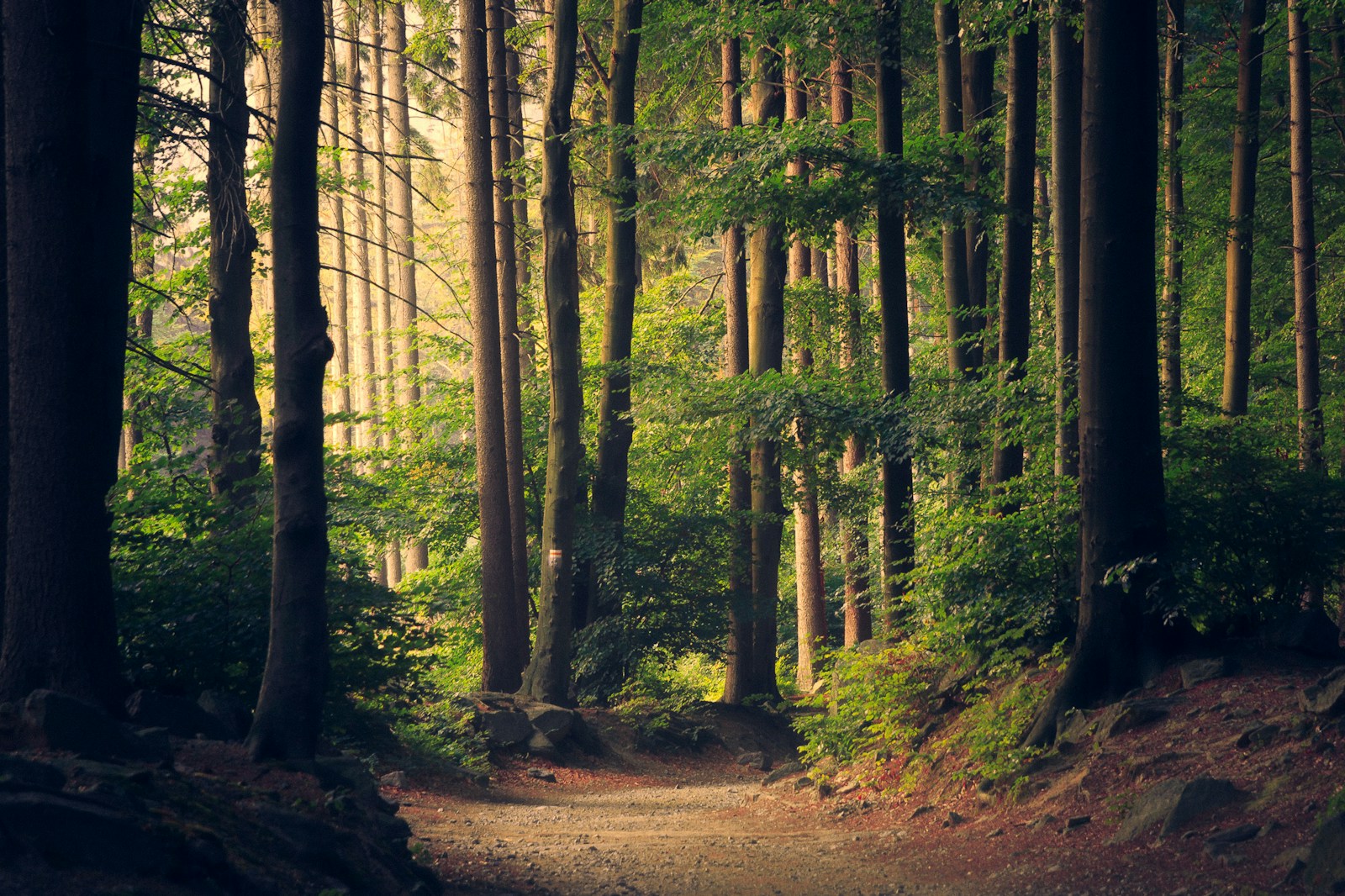
But history is only part of why people come here. The park’s 2,888 acres contain an ecological wonderland: cypress swamps where trees rise from tea-colored water, maritime forests where Spanish moss drips from ancient oaks, and salt marshes teeming with wildlife. Twenty miles of trails wind through these varied landscapes, many built by an African-American Civilian Conservation Corps company in the 1930s. And at the edge of it all, 1.5 miles of sandy beach meet the calm waters of Chesapeake Bay—perfect for families who want history and recreation in equal measure.
Quick Facts
- 📍 Location: Virginia Beach, Virginia (Chesapeake Bay)
- 📐 Size: 2,888 acres (1.5 mi beach)
- ⛰️ Highlight: 1607 English landing site, Virginia’s most visited state park
- 🚗 From Norfolk: 20 minutes via Shore Drive
- 🎫 Admission: $7-$10/vehicle
Best Season to Visit
Virginia Beach’s temperate climate makes First Landing a year-round destination, but each season offers a distinctly different experience. Summer brings swimming weather and peak crowds at the beach. Spring and fall are ideal for hiking when temperatures are mild and the trails aren’t muddy. Winter offers solitude on the beach and the best birdwatching in the marshes.
| Season | Weather | Crowds | Best For |
|---|---|---|---|
| ☀️ Summer (Jun-Aug) | 80-90°F, humid | Very High | Beach swimming, kayaking, camping |
| 🍂 Fall (Sep-Nov) | 55-75°F, mild | Medium | Hiking, fewer crowds, bird migration |
| 🌸 Spring (Mar-May) | 55-75°F, pleasant | Medium | Wildflowers, kayaking, photography |
| ❄️ Winter (Dec-Feb) | 35-50°F, cool | Low | Solitude, wintering waterfowl, cabin stays |
Entrance Fees & Passes
| Fee Type | Cost | Notes |
|---|---|---|
| Weekday Parking | $7/vehicle | Mon-Fri (non-holidays) |
| Weekend/Holiday | $10/vehicle | Sat-Sun and holidays |
| Annual Pass | $75 | All Virginia State Parks |
| Kayak Rental | $15-$20/hr | Seasonal availability |
Top Trails
The trail system at First Landing is unlike any other in Virginia. Instead of mountain vistas, you’ll find yourself walking elevated boardwalks through cypress swamps, crossing sand dunes covered in sea oats, and winding beneath canopies of live oak draped with Spanish moss. The trails were largely built by CCC Company 2386, one of the segregated African-American companies whose work helped shape America’s parks during the Great Depression.
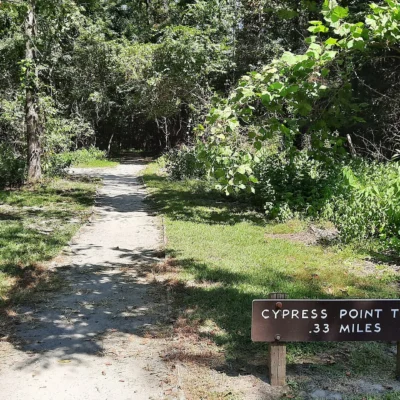
The Bald Cypress Trail is the park’s signature hike—a 1.6-mile loop that crosses wetlands on wooden bridges and offers close-up views of the park’s most distinctive trees. For a longer adventure, the Cape Henry Trail stretches 6 miles through the full diversity of the park’s ecosystems and is open to mountain bikes.
| Trail | Distance | Difficulty | Highlights |
|---|---|---|---|
| 🥾 Bald Cypress Trail | 1.6 mi loop | Easy | Cypress swamp, boardwalks, most popular |
| 🥾 Cape Henry Trail | 6 mi | Moderate | Full park traverse, bike-friendly |
| 🥾 Osmanthus Trail | 2.0 mi | Easy | Maritime forest, wildflowers |
| 🥾 Long Creek Trail | 5.5 mi | Moderate | Remote sections, wildlife |
The Beach & Water Activities
First Landing’s 1.5 miles of beach on the Chesapeake Bay is a different experience from the ocean beaches just a few miles away in Virginia Beach. The bay waters are calmer, warmer, and shallower—perfect for families with young children. There are no lifeguards, but the gentle conditions make swimming relatively safe for confident swimmers.
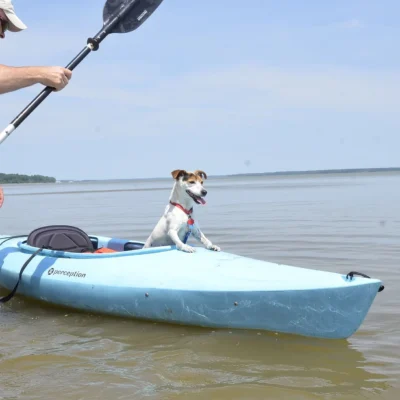
Kayaking is perhaps the best way to explore the park’s aquatic side. The Narrows—a channel on the south side of the park—provides easy access to the bay and sheltered paddling through marsh ecosystems. Guided kayak tours are available seasonally, or you can rent kayaks and explore on your own.
Camping & Cabins
Camping at First Landing puts you within walking distance of the beach while surrounded by maritime forest. The campground fills quickly in summer—this is one of the most sought-after camping reservations in Virginia—but the shoulder seasons offer nearly the same experience with far more availability.
For those seeking more comfort, the park offers 20 cabins and 2 yurts. The cabins sleep up to 6 and come with full kitchens, climate control, and screened porches. They’re scattered through the woods rather than clustered together, providing genuine privacy.
| Type | Units | Price/Night | Amenities |
|---|---|---|---|
| 🏠 Cabins | 20 | $110-$180 | Kitchen, heat/AC, sleeps 6 |
| ⛺ Yurts | 2 | $90-$120 | Platform tents, unique experience |
| 🔌 RV/Tent Sites | 200+ | $35-$55 | W/E hookups, modern bathhouses |
Reserve at Reserve America. Summer weekends book 6+ months in advance!
Trip Budget Calculator
| Expense | Budget | Mid-Range | Comfort |
|---|---|---|---|
| Lodging (2 nights) | $90 (tent) | $110 (RV) | $320 (cabin) |
| Park Entry | $14 | $14 | $14 |
| Kayak Rental | $0 | $35 | $60 |
| Food | $50 | $100 | $150 (VB restaurants) |
| Total | $154 | $259 | $544 |
Wildlife & Nature
The intersection of maritime forest, freshwater wetlands, and salt marsh creates extraordinary biodiversity. Great blue herons stalk the shallows, osprey nest in dead cypress snags, and brown pelicans cruise the bay. In the marshes, fiddler crabs emerge by the thousands at low tide, and diamondback terrapins swim the brackish waters.
| Season | Wildlife | Best Locations |
|---|---|---|
| 🌸 Spring | Migrant songbirds, osprey nesting, turtles | Bald Cypress Trail, The Narrows |
| ☀️ Summer | Herons, egrets, brown pelicans, crabs | Beach, marsh overlooks |
| 🍂 Fall | Migrating raptors, monarch butterflies | Beach dunes, open areas |
| ❄️ Winter | Loons, scoters, mergansers, bald eagles | Bay waters, The Narrows |
Safety Information
| Hazard | Risk Level | Prevention |
|---|---|---|
| 🌊 No Lifeguards | Moderate | Swim near others, know your limits |
| 🌀 The Narrows Current | High | No swimming at The Narrows |
| 🦟 Mosquitoes | High (summer) | Use repellent, especially on trails |
| ☀️ Sun Exposure | Moderate | Sunscreen, shade on beach |
Getting There
Address: 2500 Shore Drive, Virginia Beach, VA 23451
- From Norfolk (20 min): Shore Drive (US-60) east
- From Virginia Beach Oceanfront (15 min): Shore Drive west
- From Richmond (1.5 hours): I-64 E to Shore Drive
GPS Coordinates: 36.9218° N, 76.0475° W
Nearby Attractions
- Virginia Beach Oceanfront (15 min) — Boardwalk, restaurants, Atlantic beaches
- Cape Henry Lighthouse (5 min) — 1792 lighthouse, adjacent military base tours
- Virginia Aquarium (10 min) — Marine life, hands-on exhibits
- Colonial Williamsburg (1 hour) — Living history, restaurants
Frequently Asked Questions
Is there lifeguard service at the beach?
No, swimming is at your own risk. The Chesapeake Bay waters are generally calm and shallow, making them relatively safe for experienced swimmers, but families should supervise children closely.
Can I bike in First Landing?
Yes! Two trails—Cape Henry Trail (6 mi) and Live Oak Trail—are open to mountain bikes. Bike rentals are available at The Bay camp store.
Why is it called First Landing?
English colonists aboard the Susan Constant, Godspeed, and Discovery first came ashore here on April 26, 1607, before continuing up the James River to establish Jamestown.
Is First Landing good for camping with kids?
Excellent! The calm bay beach, easy trails, and proximity to Virginia Beach amenities make it one of the best family camping destinations in the mid-Atlantic.
Plan Your Visit
More parks in Virginia: Kiptopeke State Park and False Cape State Park. See the full Virginia state parks guide.
Step Where History Began
Walk the same shores where English colonists first touched Virginia soil. Then swim, kayak, and camp in one of America’s most unique coastal parks.
Explore More Virginia State Parks
First Landing State Park is one of many outstanding state parks in Virginia. Discover more parks in our Best State Parks in Virginia guide, or use our Park Finder to search by activity, location, or features.

⛺ Camping at First Landing State Park: Campgrounds & Cabins
| Campsites | 205 sites — 45 EW-20ft sites (20-amp); 27 EW-30ft; 36 EW-50ft (RVs only, 32-50ft, 20/30/50-amp); 75 standard tent-only 20ft sites (no hookups); 22-site group campground (sites 44-65, 3-site min, tents, max 6/site) |
|---|---|
| Cabins & Lodging | 20 cabins: 6 wood-frame (sleep 4-6), 14 cinder-block (sleep 6), all 2-bedroom, kitchens, climate control, screened porch, deck, grill, fire ring. NOT provided: linens, dishwasher, phone, washer/dryer. 4 yurts (sleep 3, max 4, 1 queen+twin trundle), no inside electric/water/light, bring own sleeping bags/linens, no smoking/cooking/pets. |
| Pets | Pets allowed on beach leashed (max 6ft), rabies documentation required; fee charged per pet per night for cabins (amount not stated); no pets in yurts |
| Reservations | 800-933-PARK (7275); reservevaparks.com; [email protected] |
| Special sites | No equestrian facilities at this park. Group campground sites 44-65 (3-site min purchase) with large shelter. |
| Season notes | Camping & yurts: first Friday in March through first Monday in December. Cabins open year-round (6-night min Memorial Day-Labor Day, 4 nights 3 months prior, 2 nights final month/off-season). |
Camping questions about First Landing State Park
Can you camp at First Landing State Park?
Yes. First Landing State Park has 205 campsites. 45 EW-20ft sites (20-amp); 27 EW-30ft; 36 EW-50ft (RVs only, 32-50ft, 20/30/50-amp); 75 standard tent-only 20ft sites (no hookups); 22-site group campground (sites 44-65, 3-site min, tents, max 6/site).
How do you reserve a campsite at First Landing State Park?
800-933-PARK (7275); reservevaparks.com; [email protected].
Are there cabins at First Landing State Park?
20 cabins: 6 wood-frame (sleep 4-6), 14 cinder-block (sleep 6), all 2-bedroom, kitchens, climate control, screened porch, deck, grill, fire ring. NOT provided: linens, dishwasher, phone, washer/dryer. 4 yurts (sleep 3, max 4, 1 queen+twin trundle), no inside electric/water/light, bring own sleeping bags/linens, no smoking/cooking/pets.
Are pets allowed at the First Landing State Park campground?
Pets allowed on beach leashed (max 6ft), rabies documentation required; fee charged per pet per night for cabins (amount not stated); no pets in yurts.
Source: dcr.virginia.gov (verified July 2026). Details change seasonally — confirm when booking.
🐾 Dogs & Pets at First Landing State Park
- Pets allowed? statewide rule
- Pets are welcome throughout Virginia State Parks, including campgrounds and trails, as long as they are confined or leashed and supervised.
- Leash rule statewide rule
- 6 ft maximum leash (or confinement) required, with pet under supervision at all times
- Beaches & swim areas statewide rule
- State regulations prohibit pets on public swimming beaches and at designated swimming areas
- Cabins & lodging statewide rule
- Pet-friendly cabin stays available for a $20 per pet per night fee; yurts do not allow pets; pets prohibited in public facilities
- Pet fees statewide rule
- No charge for pets in campgrounds; $20 per pet per night in cabins
- Statewide exceptions statewide rule
- At False Cape, pets may not pass through Back Bay National Wildlife Refuge
Are dogs allowed at First Landing State Park?
Pets are welcome throughout Virginia State Parks, including campgrounds and trails, as long as they are confined or leashed and supervised. Individual parks can post stricter rules — check signage on arrival.
Rules verified July 2026 via dcr.virginia.gov. More: Virginia state parks guide · Dog rules in all 50 states compared
Park Location
Plan your gear for First Landing State Park
From our editorial guides, matched to this park’s activities:
Top Tours & Activities Near Virginia Beach
 from $370
 from $384
 from $180