🧭 Know Before You Go: Balmorhea State Park
| Best time to arrive | Entry is tied to a time slot: day passes admit at 8 a.m. or at 3 p.m., overnight guests from 2 p.m. Early entry is not allowed - visitors who arrive before their slot are asked to come back at their entry time. |
|---|---|
| What you'll actually see | The spring-fed pool stays between 72 and 76 degrees year-round. |
| On-site services | Swimmers under 15 must be supervised at all times by a parent, guardian or other responsible adult over 17. Pets are not allowed inside the fenced pool area. The park store sells swimming and snorkeling accessories. |
Source: tpwd.texas.gov (verified July 2026). Rules and seasons change — confirm before you go.
🌤 Weather at Balmorhea State Park by season
| Spring | Summer | Fall | Winter |
|---|---|---|---|
| 40–88 °F | 66–95 °F | 38–86 °F | 31–66 °F |
Each range runs from the coldest monthly average low to the warmest monthly average high in that season (1991-2020 climate normals), measured at Balmorhea, 4 mi away, elevation 3,220 ft. Conditions at the park can differ from the station, especially where elevation differs — check a forecast before you go.

🏊 Verified Park Information — Last updated February 2026 · Based on official TPWD data, on-site research, and 3,200+ visitor reviews
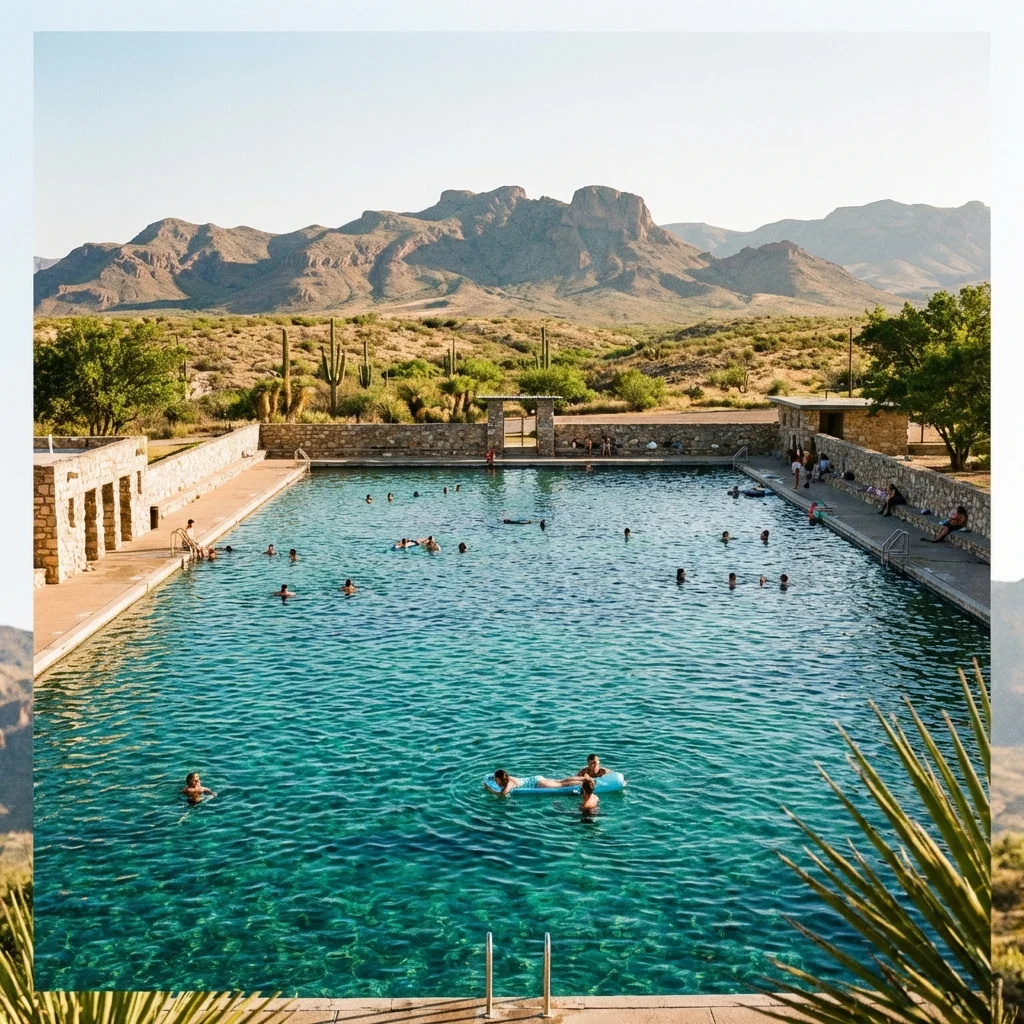
You drive two hours past the last Starbucks, through mesquite flats and oil country, and then the desert does something impossible: it offers you a swimming pool. Not just any pool — a 1.75-acre, crystal-clear basin fed by San Solomon Springs, where 22 to 28 million gallons of 72–76°F water surge from the Chihuahuan Desert floor every single day. Balmorrhea State Park has been drawing swimmers, divers, and desert-weary travelers to this West Texas oasis since the 1930s, and the spring has sustained life here for thousands of years before that.
This 46-acre park near Toyahvale isn’t big, but what it lacks in acreage it makes up for with a feature found nowhere else on Earth: the world’s largest spring-fed swimming pool, home to two endangered fish species and built by hand during the Great Depression. Whether you’re planning a day trip from the I-10 corridor or an overnight stay in the historic San Solomon Courts, here’s everything you need to know — including the insider details that will save you from the biggest mistake first-timers make (hint: it involves arriving at 10 AM on a summer Saturday).
Park improvements are underway through September 2026. Some campsites may be temporarily closed, and you should expect to see workers and machinery on-site. The pool remains open during construction. Annual pool cleaning: April 27 – May 1, 2026 (reopens May 2). Always check the TPWD website before planning your trip.
At a Glance
| Detail | Information |
|---|---|
| 📍 Location | Toyahvale, TX (9 miles SW of Balmorhea off TX-17) |
| 📏 Park Size | 45.9 acres |
| 🏊 Pool Size | 1.75 acres (25 feet deep at the deepest point) |
| 🌡️ Water Temperature | 72–76°F year-round |
| 💧 Spring Flow | 22–28 million gallons per day |
| 🕙 Pool Hours | Daily, 8:00 AM – 7:30 PM (or sunset, whichever comes first) |
| 💰 Day-Use Fee | $7/person (ages 13+), free for 12 and under |
| 🤿 Scuba Diving Fee | $5 additional per person |
| 🏕️ Campsites | 34 sites (water + electric hookups) |
| 🏨 Lodging | San Solomon Courts (18 CCC-era rooms) |
| 👥 Daily Capacity | 650 visitors (sells out early in summer) |
| 📞 Phone | (432) 375-2370 |
| 🌐 Website | tpwd.texas.gov/state-parks/balmorhea |
The Pool: World’s Largest Spring-Fed Swimming Hole
San Solomon Springs pushes between 22 and 28 million gallons of crystal-clear water daily through fissures in the limestone bedrock, filling a massive 1.75-acre basin that reaches 25 feet deep in some sections. The Civilian Conservation Corps shaped this natural spring into the swimming pool you see today between 1934 and 1941, lining it with native stone and creating a concrete deck that blends into the desert landscape.
The water maintains a constant 72–76°F year-round — comfortable for July swimmers and bracing enough in December to make your breath catch. Visibility routinely exceeds 30 feet, revealing the rocky bottom, aquatic plants, and the small endangered fish that call this pool home. On calm mornings before the crowds arrive, the surface mirrors the Davis Mountains on the horizon — one of those West Texas moments that makes the drive worth it.
What makes this pool genuinely unique isn’t just the size or the clarity — it’s the fact that you’re swimming in a living ecosystem. The spring vents pulse with water from an aquifer that has been building pressure for centuries. Dive below the surface and you can see columns of clear water rising from the limestone floor, shimmering like heat waves in reverse. Tiny pupfish dart between your ankles, their bright blue scales flashing in the sunlight filtering through the water. This is the only place in America where you can swim alongside federally endangered species in a state-maintained pool.
Swimming Rules and Tips
- 🚫 No lifeguards on duty — swim at your own risk
- 👶 Children under 15 must be supervised by an adult (17+)
- 🐶 No pets in the fenced pool area
- 🍺 No alcohol in pool or day-use areas
- 🛶 Soft-sided inflatable floats allowed (max 8×4 ft), no paddles, oars, or motorized devices
- 🐟 Do not touch, feed, or disturb fish, turtles, or any wildlife
- 🚰 No cooking, glass containers, grills, or tents in the pool area (pop-up shade covers OK)
- 🚷 Swimming in the canals is strictly prohibited
Scuba Diving at Balmorrhea
Balmorrhea is one of the few state parks in the country where certified divers can explore an inland spring system. The pool’s maximum depth of 25 feet and exceptional visibility make it ideal for training dives and underwater photography. The spring vents are visible along the pool floor, releasing plumes of clear water that create gentle currents — watching the water pulse up from the Earth is an experience that most open-water certified divers never get elsewhere.
Divers must present a valid certification card, sign a diving agreement, and always dive with a buddy. There’s an additional $5 per-person dive fee on top of the $7 day-use admission. Scuba instructors bringing groups must provide proof of insurance and maintain a maximum ratio of one instructor to eight students. The park store sells limited snorkeling gear, but divers should bring their own equipment — there are no air fills or rental shops within 100 miles.
- 📸 Best visibility: Early morning (8–10 AM) before swimmers stir up sediment
- 🔦 Bring a dive light to explore the spring vents up close — the limestone formations are spectacular
- 🐠 Macro photography: Pupfish are most active and colorful March–July during breeding season
- ⛽ Nearest air fills: Midland/Odessa (110 miles) — arrive with full tanks
Daily Visitation Limits
Balmorrhea enforces a daily capacity limit of 650 visitors to protect both the visitor experience and the fragile spring ecosystem. During summer weekends, holidays, and school breaks, the park regularly reaches capacity before mid-morning. On peak Saturdays in June and July, all passes can sell out by 9:30 AM — sometimes earlier.
Reserve day passes online up to 30 days in advance through the TPWD reservation system. Walk-ups on summer Saturdays are a gamble — most weeks the park is full by 9:30 AM. Weekday visits in May, September, or October give you the best balance of warm weather and manageable crowds. Overnight guests (campers and San Solomon Courts guests) are guaranteed pool access regardless of daily capacity.
Camping
The campground at Balmorrhea is compact and desert-flat, tucked between the pool area and the surrounding mesquite scrubland. Don’t expect shade trees — most sites have CCC-built stone shade shelters that block the worst of the afternoon sun, but bring your own canopy for extra coverage. The upside? Every campsite is within a 5-minute walk of the pool, and overnight campers receive a gate code for after-hours access to the park.
| Campsite Type | Sites | Hookups | Price/Night | Notes |
|---|---|---|---|---|
| Standard W/E | 26 | Water + Electric (30A) | $20–$25 | Shade shelter, picnic table, fire ring |
| Premium W/E | 8 | Water + Electric (50A) | $25–$35 | Larger pads, better shade, closer to restrooms, some with cable TV |
All 34 campsites include access to restrooms with hot showers. Camping reservations are highly recommended between March and October — peak summer weekends book out 2–3 weeks in advance. The park’s remote location means limited cell service (Verizon fares best, AT&T is spotty, T-Mobile is nearly nonexistent), so download maps, podcasts, and entertainment before you arrive. There’s a small park store selling swimming accessories and souvenirs, but no full grocery — stock up in Fort Stockton (40 miles east) or Pecos (45 miles north).
San Solomon Courts: CCC-Era Lodging
The San Solomon Courts offer something rare in the Texas state park system: motel-style lodging built by the Civilian Conservation Corps in Spanish Colonial Revival style. The 18 rooms feature thick stone walls that keep interiors cool even in the height of summer — some guests claim they sleep better here than in any hotel, thanks to the thermal mass of the historic masonry and the silence of the desert night. The arched doorways, clay tile accents, and views of the surrounding desert make these rooms feel like stepping into a 1930s postcard.
- 🏨 Standard rooms: Two double beds, A/C, private bathroom — simple but clean, with that CCC-era charm
- 🍳 Kitchen rooms: Same plus kitchenette with stove, refrigerator, and basic cookware — essential since the nearest restaurant is 9 miles away
- 🏛️ Meeting hall: Dining Hall/Meeting Room available for group rentals
Court guests receive complimentary pool access — no $7 day-use fee. This alone makes the rooms a strong value if you’re staying multiple days. Rooms cannot be booked same-day and fill weeks in advance for summer dates. Book 2–3 months ahead for peak season (June–August). Off-season (November–February), you can often find availability a week out, and the experience of swimming in 74°F water while the desert air hovers at 50°F is genuinely magical.
Endangered Species: A Living Conservation Story
Beneath the splashing families and scuba divers, Balmorrhea’s pool harbors some of the rarest creatures in North America. Two endangered fish species — the Comanche Springs pupfish (Cyprinodon elegans) and the Pecos gambusia (Gambusia nobilis) — survive in the spring system after their original habitats at Comanche Springs in Fort Stockton went dry from agricultural pumping in the 1950s. This pool isn’t just a swimming destination — it’s an ark.
You’ll spot the pupfish easily: males flash bright blue during breeding season (March through July), patrolling small territories near the shallow margins of the pool. They’re surprisingly bold — hold still in the water and they’ll investigate your toes. The Pecos gambusia is harder to identify — a small mosquitofish that prefers the slower canal waters downstream from the main pool.
The park also protects two rare springsnails — the Phantom springsnail and Phantom tryonia — plus the Diminutive amphipod, a tiny crustacean found nowhere else on Earth. In 1995, TPWD launched the Balmorrhea Cienega Project, recreating 3 acres of desert wetland habitat adjacent to the pool to give these species a refuge away from swimmers and divers. You can explore the cienega via a short boardwalk trail — look for turtles sunning themselves on logs and birds hunting in the shallows.
Wildlife Viewing Calendar
Despite its small size, Balmorrhea’s oasis ecosystem attracts a surprising diversity of wildlife. The spring-fed wetlands create a magnet for migratory birds crossing the Chihuahuan Desert, and the resident species have adapted to this unique intersection of water and arid land.
| Animal | Best Months | Where to Look | Tips |
|---|---|---|---|
| 🐟 Comanche Springs Pupfish | Mar–Jul (breeding) | Pool shallow margins | Males turn bright blue; stay still and they’ll approach |
| 🐠 Pecos Gambusia | Year-round | Canals downstream of pool | Small mosquitofish, look near vegetation |
| 🐢 Red-eared Slider Turtles | Mar–Oct | Cienega boardwalk, canal banks | Sun on logs in early morning |
| 🦅 Vermilion Flycatcher | Year-round (peak Mar–May) | Trees near cienega | Brilliant red males easy to spot |
| 🦉 Great Horned Owl | Year-round | Mesquite trees at dusk | Listen for hooting after sunset |
| 🐦 Summer Tanager | Apr–Sep | Cottonwood trees near pool | Migrant; males are solid red |
| 🦇 Mexican Free-tailed Bat | Apr–Oct | Evening sky near pool | Emerge at dusk to feed on insects |
| 🦎 Greater Earless Lizard | Mar–Oct | Rocky areas, campground edges | Active midday; watch for blue belly patches |
| 🦂 Bark Scorpion | Apr–Sep | Under rocks, in shoes left outside | Shake out footwear! UV flashlight reveals them at night |
History: From Apache Watering Hole to CCC Masterpiece
San Solomon Springs has been drawing life to this patch of desert for millennia. Archeological evidence shows Paleo-Indian groups camped near the springs over 10,000 years ago — flint tools and fire pits found in the surrounding desert tell the story of a landscape that has always centered on water. When U.S. Army topographers mapped the area in 1849, they recorded the site as “Mescalero Springs,” named for the Mescalero Apache who watered horses here along trade and raiding routes between the Rio Grande and the plains.
Mexican farmers arrived in the 1870s, renaming the springs “San Solomon” and digging the first hand-cut irrigation canals to grow crops they sold to the garrison at Fort Davis, 30 miles south. These canals — some still visible today — represent one of the oldest irrigation systems in West Texas. The Bureau of Reclamation dredged and channelized the springs in 1927, and the modern irrigation system still feeds alfalfa and cotton fields downstream — a reminder that this is an oasis in the truest sense, sustaining agriculture in country that receives less than 12 inches of rain per year.
In 1934, the Texas State Parks Board acquired 45.9 acres around the springs. CCC Company 1856 arrived that year and spent the next seven years building everything you see today: the stone-lined pool, bathhouses, concession building, and the San Solomon Courts. The architecture reflects the CCC’s Rustic style filtered through Spanish Colonial sensibilities — low stone walls, clay tile accents, and arched openings that frame the West Texas sky. Walk the grounds and you’ll notice the craftsmanship in every detail: hand-laid stone, wrought-iron hardware, and wooden beams that have weathered 90 years of desert sun.
Photography Guide
Balmorrhea is one of the most photogenic small parks in Texas — but the best shots require timing. The desert light here is intense and unforgiving at midday, blowing out highlights and creating harsh shadows. The magic hours are early morning and late afternoon, when the low-angle sun turns the pool into liquid gold and the Davis Mountains glow purple on the horizon.
Best Photo Spots
- 📸 Pool reflections: Stand at the southeast corner of the pool at sunrise (faces northwest toward the mountains). On calm mornings, the Davis Mountains reflect perfectly in the still water. Arrive before 8 AM when the pool opens — the first 15 minutes before swimmers enter are the money shots.
- 📸 Underwater pupfish: Use a GoPro or waterproof housing. Pupfish are most colorful March–July. Hold the camera still near the shallow margins and let them come to you. Afternoon light penetrating the water creates the best blue tones.
- 📸 CCC architecture: The San Solomon Courts photograph beautifully at golden hour. The arched doorways and stone walls catch warm light. Walk behind the courts for a shot of the buildings framed against the desert.
- 📸 Cienega boardwalk: The restored wetlands are small but atmospheric. Early morning fog sometimes hangs over the water — rare in the desert and stunning when you catch it.
- 📸 Night sky: Balmorrhea has minimal light pollution. Set up on the pool deck after hours (overnight guests only) for star trails with the CCC structures in the foreground. The Milky Way is prominent April through September.
Camera Settings Tips
Wide angle, 1080p 60fps, ISO 100–400, auto white balance. Shoot toward the sun for dramatic light rays through the water.
Tripod essential. f/8–f/11, ISO 100, bracket exposures for HDR. Polarizer optional — remove it for maximum reflection.
f/2.8 or wider, ISO 3200–6400, 20-second exposure. Aim south for Milky Way core (Apr–Sep). Use headlamp to light-paint CCC buildings.
100mm macro or 70–200mm zoom. Pupfish: f/5.6, fast shutter (1/500+). Scorpions: UV flashlight + long exposure for dramatic effect.
Sample Itineraries
Day Trip from Fort Stockton or Midland
- 7:00 AM — Depart Fort Stockton. Fill gas tank and grab breakfast. Stock cooler with lunch, snacks, and plenty of water.
- 7:45 AM — Arrive at Balmorrhea. Queue at the gate (opens at 8:00 AM). Claim your spot poolside — southeast corner is the least crowded.
- 8:00–11:00 AM — Swim, snorkel, explore. Water is calmest and clearest in the morning. Watch for pupfish in the shallows.
- 11:00 AM — Picnic lunch at the covered pavilion. Browse the park store for souvenirs.
- 12:00–1:00 PM — Walk the cienega boardwalk. Look for turtles and vermilion flycatchers in the restored wetlands.
- 1:00–3:00 PM — Back in the pool for afternoon swimming. The deep section (25 ft) is fascinating to free-dive if you’re comfortable.
- 3:00 PM — Dry off, shower at the bathhouse, and hit the road. Consider a detour through the Davis Mountains on TX-17 South for stunning scenery.
Weekend Getaway (2 Nights)
- Friday Evening — Arrive and set up camp (or check into San Solomon Courts). Quick sunset swim. The pool takes on a golden glow as the sun drops behind the mountains. Star-watching from the pool deck after dark — minimal light pollution, spectacular Milky Way.
- Saturday Morning — Early pool session (8–10 AM) for photos and peaceful swimming before crowds. Snorkel the spring vents. Explore the CCC architecture of the San Solomon Courts.
- Saturday Afternoon — Drive to Davis Mountains State Park (40 miles south, ~45 min). Hike the Skyline Drive Trail for panoramic views of the Trans-Pecos. Visit the McDonald Observatory for a star party (check schedule — typically Tuesday, Friday, Saturday evenings).
- Saturday Evening — Return to Balmorrhea. Cook dinner at camp or in your Courts kitchenette. Evening swim as the desert cools. Listen for great horned owls in the mesquite trees.
- Sunday Morning — Final morning swim. Walk the cienega boardwalk. Pack up by 11 AM. Optional stops: Monahans Sandhills State Park (70 miles northeast) for sandboarding, or the ghost town of Terlingua (150 miles south) on your way to Big Bend Ranch State Park.
Best Time to Visit
| Season | Weather | Pool Conditions | Crowds | Best For |
|---|---|---|---|---|
| 🌸 Spring (Mar–May) | 70–90°F, dry, occasional wind | 74°F, crystal clear, pupfish breeding season | Moderate | Best overall — warm days, pupfish viewing, manageable crowds |
| ☀️ Summer (Jun–Aug) | 95–105°F, intense sun | 76°F, perfect pool temperature | Very High | Swimming, but reserve ahead — 650-person cap reached daily |
| 🍂 Fall (Sep–Nov) | 70–85°F, cooling nights | 74°F, fewer swimmers, excellent visibility | Low | Most peaceful visits, scuba diving, bird migration |
| ❄️ Winter (Dec–Feb) | 45–65°F days, 25–35°F nights | 72°F — warmer than the air! | Very Low | Unique experience — warm pool, brisk air, complete solitude |
Annual closure: The pool closes for one week each spring for cleaning — typically late April/early May. In 2026, the closure runs April 27 through May 1, with reopening on May 2. Check the TPWD website for exact dates before planning your trip.
Getting There
Balmorrhea State Park is located at 9207 TX-17 in Toyahvale, approximately 9 miles southwest of the town of Balmorhea and 40 miles north of Fort Davis. The nearest city with full services (grocery, gas, restaurants) is Fort Stockton, 40 miles east on I-10. The drive from any direction is beautiful but remote — fill your gas tank and cooler before the final stretch.
| From | Distance | Drive Time | Route |
|---|---|---|---|
| El Paso | 190 miles | ~3 hours | I-10 East → TX-17 South |
| Midland/Odessa | 110 miles | ~1.5 hours | I-20 West → TX-17 South |
| Fort Davis | 40 miles | ~45 min | TX-17 North (stunning drive through Davis Mtns) |
| Big Bend NP | 150 miles | ~2.5 hours | TX-118 → TX-17 |
| San Antonio | 320 miles | ~4.5 hours | I-10 West → TX-17 South |
| Austin | 370 miles | ~5 hours | I-10 West → TX-17 South |
Nearby Attractions
Balmorrhea sits in one of the most landscape-rich corners of Texas. The Trans-Pecos region surrounding the park offers dramatic desert scenery, dark-sky stargazing, and some of the least-visited state parks in the system. Here’s what’s within striking distance:
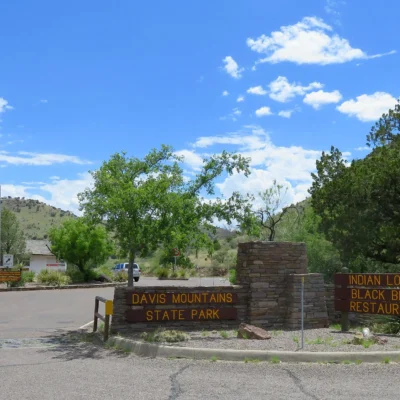
- 🏔️ Davis Mountains State Park (40 mi south) — Scenic mountain hiking, Indian Lodge (another CCC-era hotel), and access to the Davis Mountains Scenic Loop. The Skyline Drive Trail offers one of the best panoramic views in West Texas.
- 🔭 McDonald Observatory (55 mi south) — World-class astronomical observatory with public star parties most evenings. The darkest measured skies in the continental United States. Absolutely unmissable if you’re in the area.
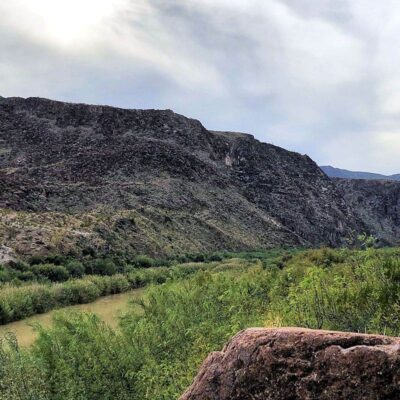
- 🏜️ Big Bend Ranch State Park (150 mi south) — The largest state park in Texas at 311,000 acres. Remote backcountry hiking, hot springs, and the iconic River Road along the Rio Grande.
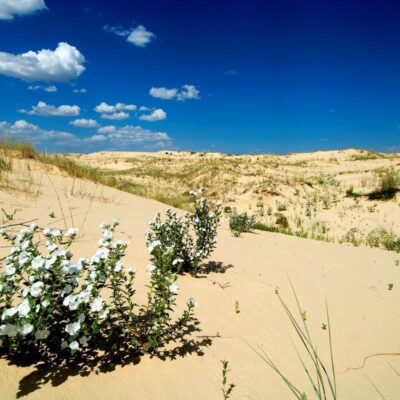
- 🏖️ Monahans Sandhills State Park (70 mi northeast) — Sand dunes up to 70 feet high. Rent sandboards or sand discs at the visitor center. Surreal landscape that feels like the Sahara transplanted to West Texas.
- 🏚️ Marfa (75 mi south) — Art galleries, the Marfa lights viewing area, Prada Marfa, and a surprisingly vibrant food scene for a town of 1,700 people.
- 🏛️ Fort Davis National Historic Site (40 mi south) — One of the best-preserved frontier military posts in the Southwest. Free ranger-led programs and living history demonstrations.
Trip Cost Estimator
Balmorrhea is one of the most affordable destination parks in Texas. The biggest expense is usually gas to get there — the park itself is a bargain by any standard. Here’s what to budget for three common trip types:
| Expense | Day Trip (2 people) | Weekend Camping | Weekend Courts |
|---|---|---|---|
| Park Entry | $14 | $14 | $0 (included) |
| Camping/Lodging (2 nights) | — | $40–70 | $160–260 |
| Scuba Fee (optional, per person) | $10 | $10 | $10 |
| Gas (from Midland, roundtrip) | ~$25 | ~$25 | ~$25 |
| Food & Drinks | $20–30 | $60–80 | $80–100 |
| Texas State Parks Pass (optional) | $70/year (covers entry for all TX parks) | $70/year | $70/year |
| Total Estimate | $69–$79 | $139–$199 | $275–$395 |
The Texas State Parks Pass ($70/year) covers entry fees for all 80+ Texas state parks for everyone in your vehicle. If you visit Balmorrhea just twice, you’ve nearly paid for it. Add a stop at Davis Mountains on the same trip and the pass already saves money.
Safety Information
Balmorrhea’s remote West Texas location and the pool’s depth require visitors to take safety seriously. This is real desert — summer heat can reach dangerous levels, the nearest hospital is 60 miles away, and the pool has no lifeguards. That said, with basic preparation, the risks are very manageable.
| Hazard | Details | Precaution |
|---|---|---|
| ☀️ Extreme Heat | Summer temps regularly exceed 100°F; ground temp even higher | Drink 1 gallon of water per person per day. Seek shade 11 AM–3 PM. Wear sunscreen (reef-safe to protect pool ecosystem) |
| 🏊 No Lifeguards | Pool is unguarded at all times; 25 ft deep in sections | Supervise children constantly. Know your swimming limits. Never dive alone. |
| 🌊 Spring Currents | Gentle but present near spring vents at pool floor | Weak swimmers should stay in shallow areas along the pool edges |
| 🦂 Scorpions | Bark scorpions common around campground, especially Apr–Sep | Shake out shoes/clothing every morning. Use UV flashlight at night to spot them. Keep tent zipped. |
| 🐍 Rattlesnakes | Western diamondback present in surrounding desert | Watch where you step, especially at dawn/dusk. Stay on trails. Don’t reach under rocks. |
| 📱 Limited Cell Service | Verizon: fair. AT&T: weak. T-Mobile: minimal. | Download maps and entertainment. Tell someone your travel plans and expected return. |
| ⛽ Remote Location | Nearest gas: 9 miles (Balmorhea). Nearest full services: 40 miles (Fort Stockton) | Fill up before arriving. Bring all food, water, and supplies. |
| 🏥 Medical Emergency | Big Bend Regional Medical Center — 60 miles (Alpine, TX) | Bring first aid kit. Park staff can call 911. Know that response time is 30+ minutes. |
What to Pack
Balmorrhea’s remote desert location means you can’t run to a store if you forget something. The park store sells basic swimming accessories and sunscreen, but that’s about it. Here’s what seasoned visitors never forget:
- Reef-safe sunscreen (SPF 50+)
- Water shoes (pool bottom is rocky in spots)
- Snorkel mask (park store has limited selection)
- GoPro or waterproof camera
- Pool float (soft-sided, max 8×4 ft)
- Quick-dry towel
- Pop-up shade canopy (limited natural shade)
- UV flashlight (reveals scorpions at night)
- Cooler with ice and all food/drinks
- Camp stove and cookware
- Tent with full mesh and tight zipper (scorpions!)
- Extra water (1 gal/person/day minimum)
- Wide-brim hat and sunglasses
- Electrolyte packets or sports drinks
- First aid kit with snake bite instructions
- Full tank of gas (nearest station 9 mi)
- Downloaded maps and entertainment (no cell service)
- Flashlight with extra batteries
Frequently Asked Questions
Can you swim at Balmorrhea State Park?
Yes — the 1.75-acre spring-fed pool is the park’s main attraction, and swimming is what brings most visitors. The water stays a constant 72–76°F year-round with visibility routinely exceeding 30 feet. The pool is open daily from 8:00 AM to 7:30 PM (or sunset). There are no lifeguards, so you swim at your own risk. The deepest point reaches 25 feet, with gradual shallow areas along the edges suitable for children.
How much does it cost to get into Balmorrhea State Park?
Day-use admission is $7 per person for ages 13 and older. Children 12 and under enter free. Scuba divers pay an additional $5 fee. If you’re staying at the San Solomon Courts, pool access is included with your room. A Texas State Parks Pass ($70/year) covers entry for everyone in your vehicle at all Texas state parks — a worthwhile investment if you plan to visit other parks in the region like Davis Mountains or Big Bend Ranch.
Do I need reservations for Balmorrhea State Park?
Reservations aren’t required but are strongly recommended, especially during summer weekends, holidays, and school breaks. The park limits daily visitors to 650 and regularly sells out before mid-morning on summer Saturdays. Day passes can be reserved up to 30 days in advance through the TPWD website. Camping and San Solomon Courts reservations should be made 2–3 weeks ahead for peak season, and 2–3 months ahead for summer Courts rooms.
What are the endangered fish at Balmorrhea?
The pool and surrounding canals are home to two federally endangered species: the Comanche Springs pupfish (Cyprinodon elegans) and the Pecos gambusia (Gambusia nobilis). Males of the pupfish species turn bright blue during breeding season (March–July) and are easy to spot in the pool’s shallow margins. The park also harbors two rare springsnails and the Diminutive amphipod, a crustacean found nowhere else on Earth. Swimmers should avoid disturbing any wildlife in the pool.
Is scuba diving allowed at Balmorrhea State Park?
Yes — certified divers can explore the pool’s 25-foot depth and spring vents. You must present a valid certification card, sign a diving agreement, and always dive with a buddy. The additional dive fee is $5 per person on top of the $7 day-use entry. Scuba instructors must provide proof of insurance and maintain a maximum ratio of 1 instructor to 8 students. Bring your own equipment — there are no air fills or rental shops anywhere nearby.
When does Balmorrhea State Park close for cleaning?
The pool closes for annual cleaning during one week in late April or early May. In 2026, the closure runs April 27 through May 1, with reopening on Saturday, May 2. Additionally, park improvements are underway through September 2026, which may lead to temporary campsite closures. Always check the official TPWD website before planning spring trips.
Can you camp at Balmorrhea State Park?
Yes — the park has 34 campsites with water and electric hookups (26 standard 30-amp sites at $20–$25/night, and 8 premium 50-amp sites at $25–$35/night). All sites include shade shelters, picnic tables, and fire rings, with access to restrooms with hot showers. There’s also motel-style lodging at the historic San Solomon Courts built by the CCC in the 1930s, with 18 rooms ranging from standard to kitchen-equipped units.
How deep is the pool at Balmorrhea State Park?
The deepest section of the pool reaches approximately 25 feet, directly over the main spring vents where you can watch water surging up from the limestone bedrock. Depth varies across the pool — shallow wading areas along the edges are roughly 2–4 feet deep, suitable for children and non-swimmers. The spring vents are visible from the surface on calm days, and divers can explore them up close.
Are dogs allowed at Balmorhea State Park?
Leashed pets are welcome in day-use areas but never inside the fenced pool area. Your pet must be leashed at all times and may not be left unattended anywhere in the park.
Is there cell service at Balmorrhea State Park?
Cell service is extremely limited. Verizon users may get 1–2 bars in some spots; AT&T is weak and intermittent; T-Mobile is essentially nonexistent. There is no Wi-Fi at the park. Download maps, entertainment, and any important information before you arrive. Let family or friends know your travel plans and expected return time, since you won’t be able to call from the park reliably.
🏊 Ready to Experience Balmorrhea State Park?
Texas’s desert oasis is waiting — with its crystal-clear, 74°F spring-fed pool, CCC-era lodging, and some of the rarest wildlife in North America. But with a daily limit of just 650 visitors, you’ll want to plan ahead. Reserve your day pass or campsite today and discover the most unique swimming hole in the American West.
Explore More Texas State Parks
Balmorhea State Park is one of many outstanding state parks in Texas. Discover more parks in our Best State Parks in Texas guide, or use our Park Finder to search by activity, location, or features.

🐾 Dogs & Pets at Balmorhea State Park
Park policy: TPWD keeps pets out of the fenced San Solomon Springs pool enclosure, so your dog cannot come along for the swim. Everywhere else in the day-use portion of the park, pets are explicitly welcome.
- Pets allowed?
- Leashed pets are welcome in day-use areas but never inside the fenced pool area
- Leash rule statewide rule
- 6 ft maximum leash required at all times
- Beaches & swim areas statewide rule
- Pets are not allowed in the water or on land around designated swim areas
- Cabins & lodging statewide rule
- Pets are not permitted in any state park buildings, including motels, cabins, screened shelters and group facilities
- Park-specific rules
- Your pet must be leashed at all times and may not be left unattended anywhere in the park.
- Statewide exceptions statewide rule
- Several parks restrict dogs in specific areas (Big Bend Ranch, Enchanted Rock, Government Canyon, Hueco Tanks); proof of current rabies vaccination required
Are dogs allowed at Balmorhea State Park?
Leashed pets are welcome in day-use areas but never inside the fenced pool area.
Beyond that, Texas’s statewide rules apply.
Rules verified July 2026 via tpwd.texas.gov. More: Texas state parks guide · Dog rules in all 50 states compared
🐻 Wildlife at Balmorhea State Park: What to Watch For — and Watch Out For
Worth watching for: Balmorhea's spring-fed San Solomon pool lets snorkelers and divers swim alongside fish, including two endangered desert species — the Comanche Springs pupfish and Pecos gambusia, which survive only in these springs and canals — plus the rare headwater catfish. The restored cienegas (desert wetlands) shelter soft-shelled turtles, colorful songbirds in summer and overwintering waterfowl, and campers may spot white-tailed deer, javelina, foxes and the occasional bobcat around the grounds.
Watch out for: There is no lifeguard on duty at the pool, and swimmers younger than 15 must be supervised at all times by a responsible adult; TPWD directs visitors to read its swimming safety tips before entering the water.
Wildlife information verified July 2026 via tpwd.texas.gov.
Park Map
Plan your gear for Balmorhea State Park
From our editorial guides, matched to this park’s activities: