
🌤 Weather at Charlotte Harbor Preserve State Park by season
| Spring | Summer | Fall | Winter |
|---|---|---|---|
| 58–91 °F | 73–94 °F | 60–92 °F | 52–80 °F |
Each range runs from the coldest monthly average low to the warmest monthly average high in that season (1991-2020 climate normals), measured at Punta Gorda 4 Ese, 4 mi away, elevation 20 ft. Conditions at the park can differ from the station, especially where elevation differs — check a forecast before you go.

Protecting more than 100 miles of Charlotte Harbor’s picturesque shoreline, Charlotte Harbor Preserve State Park is the third largest state park in Florida.
Spread across 45,387 acres, it is renowned for accommodating five separate aquatic preserves, which are home to a diverse range of birds, plants and wildlife.
Just 30 minutes from Fort Myers, this park is best explored by canoe and kayak. Parts of two separate paddle trail systems twist through the park – which provides a fantastic way to take in its splendid natural beauty.
Hiking and geocaching are also popular activities among visitors here too. While fishing is also a well practiced activity with anglers who flock here from all over Florida, for the opportunity to fish in one of the state’s most fertile spots.
Activities
The park gives visitors the chance to enjoy its beautiful scenery in several ways.
Outlined below is a brief overview of some of the more notable activities you can do during your time there.
Boating at Charlotte Harbor Preserve State Park
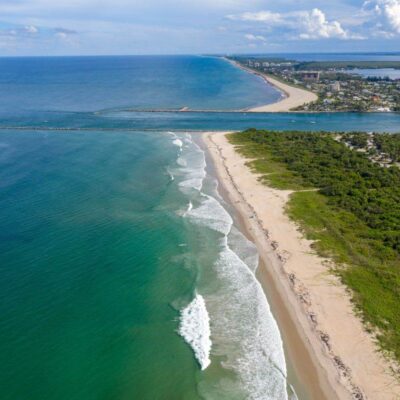
A popular thing to do for most kayakers is to visit some of the more isolated beaches that are dotted along the park’s shoreline.
If you do check them out, you will find lots of places to enjoy the remoteness and tranquility of these scenic areas.
Fishing at Charlotte Harbor Preserve State Park
Charlotte Harbor boasts one of the most abundant fishing grounds in the whole of Florida.
If you are into angling you will definitely want to bring your rod and reels with you to the park.
There you will be able to catch everything from spotted sea trout, tarpon and sharks to snook, cobia and grouper.
Depending on what type of fishing you do in the park you might need a license. So it is worth checking with the Florida Wildlife Commission to avoid the risk of a fine.
Charlotte Harbor Environmental Center at Charlotte Harbor Preserve State Park
The Charlotte Harbor Environmental Center, or CHEC is a non-profit group which runs the park’s visitor center.
In it, guests can see photographic exhibits, as well as enjoy some exciting interpretive programs, including lectures by expert naturalists, historians and scientists, native plant surgery and nature camps for kids.
The center also runs guided hikes and fishing clinics and has a pretty cool gift shop too.
Hiking at Charlotte Harbor Preserve State Park
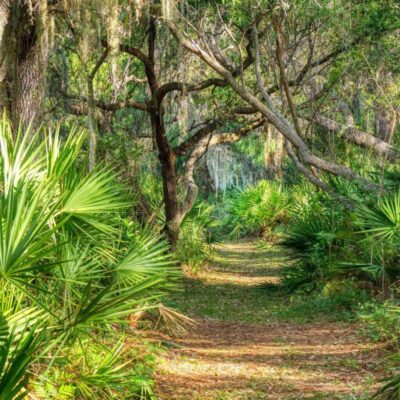
The best way to discover the park is via its marked trails. Overall there are six miles of them to explore which will take you through most parts of its primitive and remote wilderness.
One of the most popular of these trails is the North Cape Flats Trail. Situated on the northwestern section of the city of Cape Coral, it meanders its way through high marsh and pine flatwoods before taking you to the dense, mangrove shoreline.
Another recommended trail to attempt is the Three Lakes Trail, which leads you on a network of boardwalks through stunning coastal wetlands. One of the longest of them takes you across the fringes of a pond on a tranquil 250 foot long mangrove lined path.
Likewise the Eagle Point Trail is endorsed as it guides you to Alligator Creek, which has a stunning picnic area by the water.
Most of these trails feature interpretive signs that display more information about the ecology, plants and animals found within the park.
Geocaching at Charlotte Harbor Preserve State Park
In recent years, geocaching has become a very popular activity at Charlotte Harbor Preserve State Park, with many people coming here to find the various treasures that are hidden within it.
If you intend to come to Charlotte Harbor Preserve State Park to locate some caches, be sure to check the geocaching website to discover their exact GPS coordinates.
Birding at Charlotte Harbor Preserve State Park
As the park is designated as site 22 on the Great Florida Birding Trail’s southern section, birding is a very popular activity here.
You’ll definitely want to bring your binoculars with you on your visit to see many of the 514 species that reside, either seasonally or permanently, in Florida.
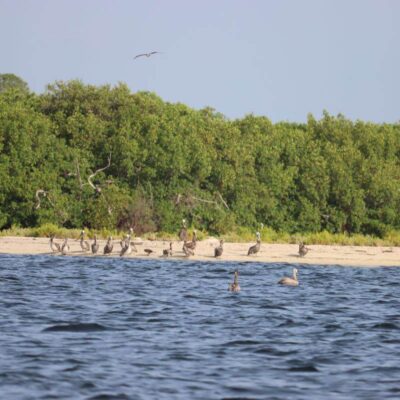
Depending on the time of year you visit and whether you are on a hiking trail or the water, you can expect to see red-shouldered hawks, herons and egrets.
Others species you might spot include limpkin, smooth-billed ani, swallow-tailed kite, red-cockaded woodpecker and roseate spoonbill.
You might even see the rare and endangered Florida scrub jay as well.
Nature & Wildlife
Overall, this state park provides protection for five separate aquatic preserves. This includes Matlacha Pass, Cape Haze, Gasparilla Sound – Charlotte Harbor, Pine Island Sound and the Lemon Bay Aquatic Preserve.
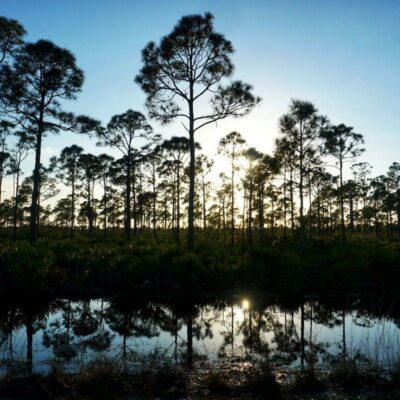
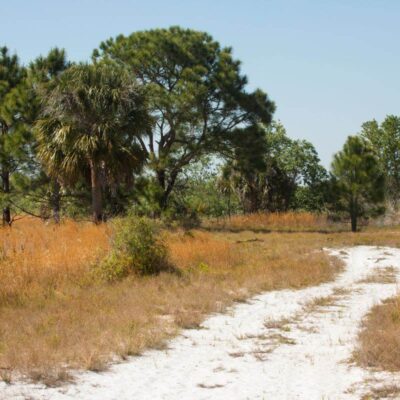
Collectively, the landscape features saltwater marshes, pine flatwoods, salt flats, mangroves and coastal hammocks.
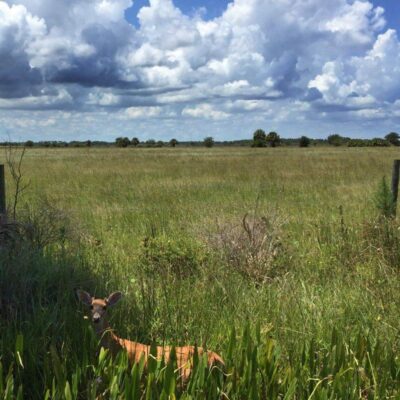
All of which provide fantastic opportunities to see manatees, dolphins, otters and alligators. There will also be plenty of Eastern diamondback rattlesnakes about the area too.
Pets at Charlotte Harbor Preserve State Park
Wherever pets are allowed, Florida State Parks rules apply: keep your pet on a leash no longer than 6 feet or otherwise under your physical control, make sure it is well behaved, and pick up after it. Pets are not permitted on beaches, boardwalks or playgrounds, or in bathing areas, cabins, park buildings or concession facilities (Florida State Parks pet policy, as of October 2026).
Individual parks may have specific areas where pets are not allowed, so contact the park directly for the most up-to-date information.
Camping at Charlotte Harbor Preserve State Park
While there are no camping facilities available at the park, just three miles away from it you’ll find the Gulf View RV Resort.
This lovely, family friendly, creekside RV camping spot offers a nice range of accommodation options for RVs, trailers and tent campers.
In total there are 204 sites available, some of which are full hookup sites while others have connections for 30-amp to 50-amp. Many of these are pull-through sites that are situated on the waterfront.
Amenities at this campground include a swimming pool, boat launch, clubhouse and fitness center.
Park Location
Charlotte Harbor Preserve State Park
12301 Burnt Store Rd
Punta Gorda, FL 33955
Phone: 941.575.5816
Map
Video
Here is a short YouTube video with some aerial footage of Charlotte Harbor Preserve State Park:
Explore More Florida State Parks
Charlotte Harbor Preserve State Park is one of many outstanding state parks in Florida. Discover more parks in our Best State Parks in Florida guide, or use our Park Finder to search by activity, location, or features.
Nearby parks: If you have extra time, Don Pedro Island State Park is within about an hour’s drive, and Stump Pass Beach State Park is within about an hour’s drive.

🐾 Dogs & Pets at Charlotte Harbor Preserve State Park
- Pets allowed? statewide rule
- Domestic pets are welcome in many Florida State Parks — on hiking trails, in picnic areas and campgrounds — but only in designated areas.
- Leash rule statewide rule
- Leashes may not exceed 6 feet; pets must be under physical control at all times.
- Beaches & swim areas statewide rule
- Pets are not permitted on beaches, boardwalks or playgrounds, or in bathing areas — swimming pets can be viewed as prey by alligators.
- Cabins & lodging statewide rule
- Pets are not allowed in any state park buildings, cabins or cabin areas.
- Statewide exceptions statewide rule
- Pets prohibited at several parks including Ellie Schiller Homosassa Springs (free kennels at the entrance), Weeki Wachee Springs and Egmont Key; in campgrounds pets must be confined in the camping unit 11 p.m.-7 a.m.
- Dogs & wildlife
- Pets are permitted in designated areas only and must be on a hand-held leash no longer than six feet, and FWC's statewide alligator guidance adds that you should keep pets leashed and away from the water.
Are dogs allowed at Charlotte Harbor Preserve State Park?
Domestic pets are welcome in many Florida State Parks — on hiking trails, in picnic areas and campgrounds — but only in designated areas. Individual parks can post stricter rules — check signage on arrival.
Rules verified July 2026 via floridastateparks.org. More: Florida state parks guide · Dog rules in all 50 states compared
🐻 Wildlife at Charlotte Harbor Preserve State Park: What to Watch For — and Watch Out For
Worth watching for: Most of this 45,507-acre preserve is shallow water fringed by mangroves, and the park's own description points you there for wading birds, manatees and dolphins - it is best reached by kayak or canoe, with portions of two paddle-trail systems winding through it. On foot, the 1.75-mile Old Datsun Trail off Burnt Store Road winds through oak and sabal palm hammocks, pine flatwoods and isolated wetlands, while the 2-mile Little Pine Island High Marsh Trail crosses salt marsh, salt flats, freshwater marsh and mangrove forest. Mangrove shoreline holds coastal birds including herons and egrets, and birding is good enough that some park trails are listed in the south section of the Great Florida Birding Trail.
Watch out for: The American alligator is a designated animal species of the preserve, and FWC's statewide rule applies wherever you are near water here: never feed an alligator, keep your distance if you see one, swim only in designated swimming areas during daylight hours, and keep pets on a leash and away from the water. Eastern diamondback rattlesnakes and dusky pygmy rattlesnakes are documented in the preserve's mesic and wet flatwoods, and mesic flatwoods occur throughout the park, so mind your footing off the mown trail line. The park's own Know Before You Go warns that mosquitoes and insects can be overwhelming - bring bug spray - and that no drinking water exists in the backcountry, so carry enough for the whole hike. Seasonal flooding can make some trails inaccessible.
Are there venomous snakes at Charlotte Harbor Preserve State Park?
Yes — see above for where they occur in the park and how to behave. Sightings are a normal part of a healthy park; incidents are rare when visitors keep distance and store food properly.
Wildlife information verified July 2026 via floridastateparks.org.
Park Location
Plan your gear for Charlotte Harbor Preserve State Park
From our editorial guides, matched to this park’s activities:
Top Tours & Activities Near Fort Myers
 from $130
 from $15
 from $64