🌤 Weather at McConnells Mill State Park by season
| Spring | Summer | Fall | Winter |
|---|---|---|---|
| 25–69 °F | 54–81 °F | 31–74 °F | 17–38 °F |
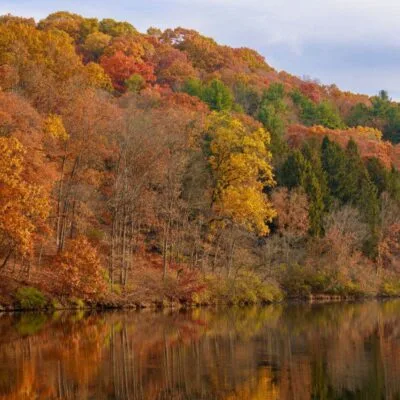
Each range runs from the coldest monthly average low to the warmest monthly average high in that season (1991-2020 climate normals), measured at Slippery Rock 1 SSW, 9 mi away, elevation 1,260 ft. Conditions at the park can differ from the station, especially where elevation differs — check a forecast before you go.

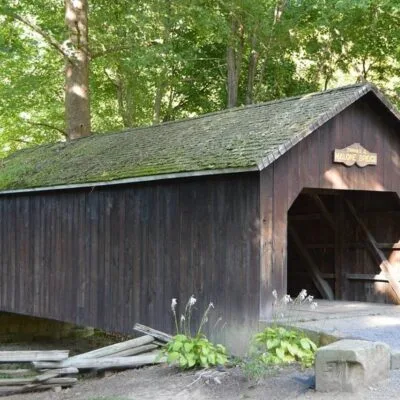
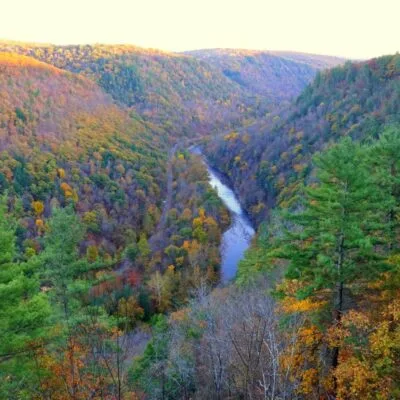
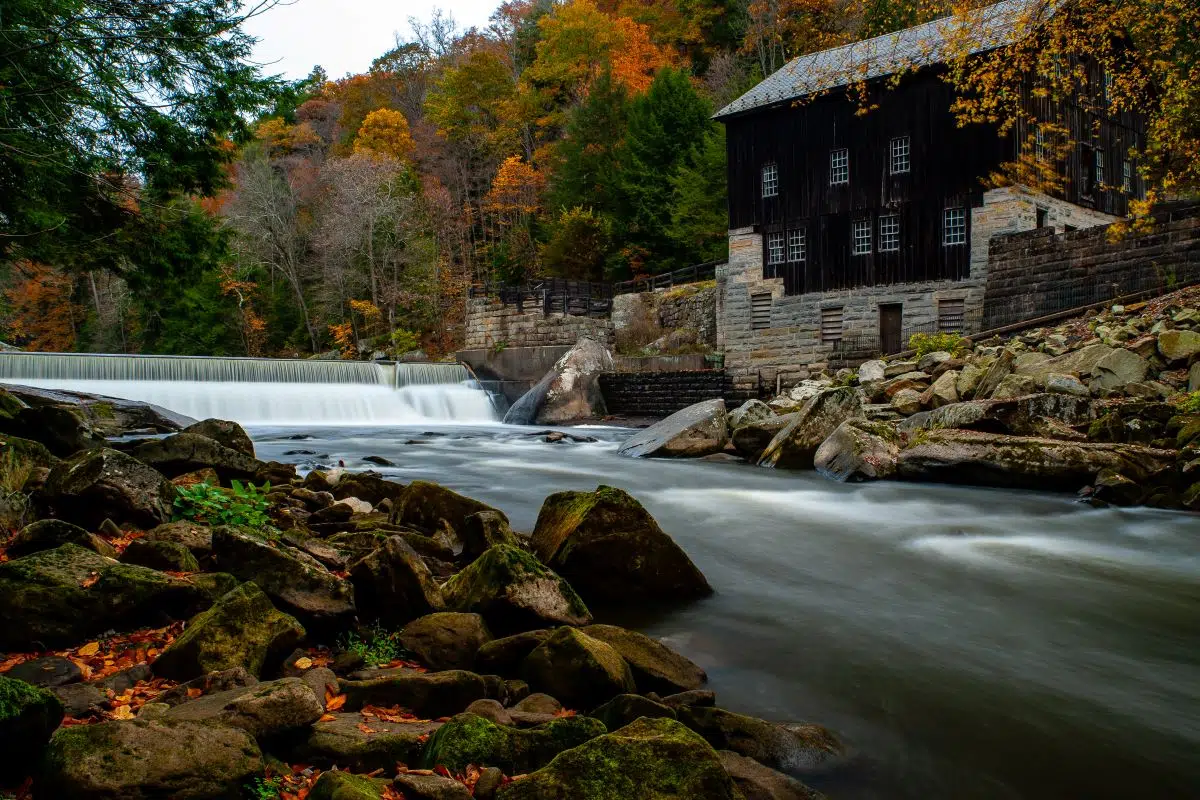
🏆 McConnells Mill State Park — 2,546 acres of the Slippery Rock Creek Gorge (National Natural Landmark) in Lawrence County, Pennsylvania — featuring the 1868 historic gristmill (one of America’s first roller mills), an 1874 covered bridge (Howe truss), rock climbing + bouldering (Rim Road + Breakneck Bridge), Class II–IV whitewater kayaking, 11+ miles of hiking trails (Kildoo Trail, Hell’s Hollow waterfall), old-growth hemlock forest, and dramatic boulder-strewn gorge scenery.
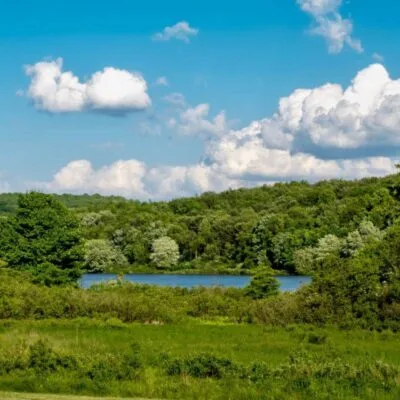
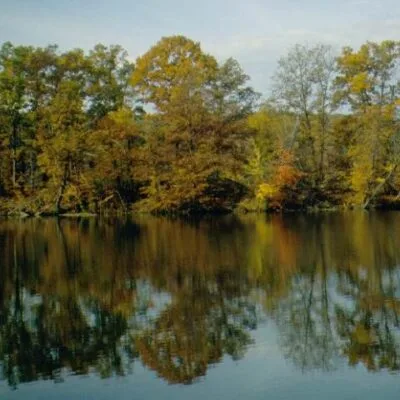
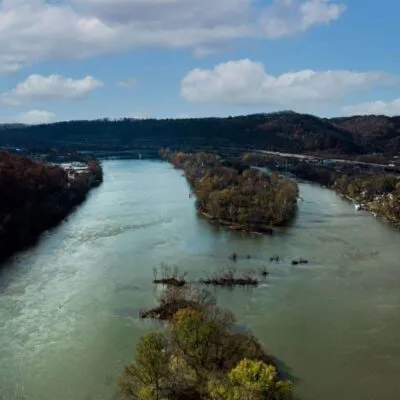
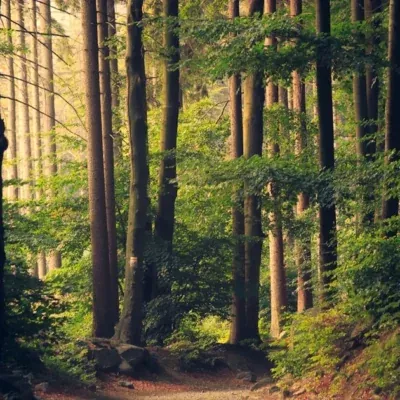
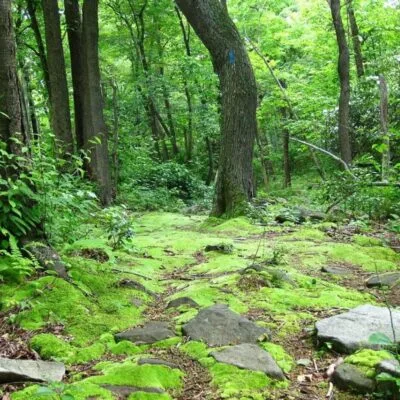
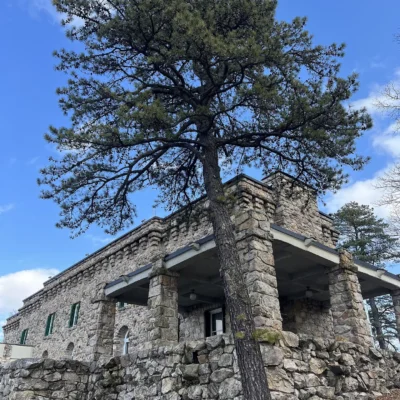
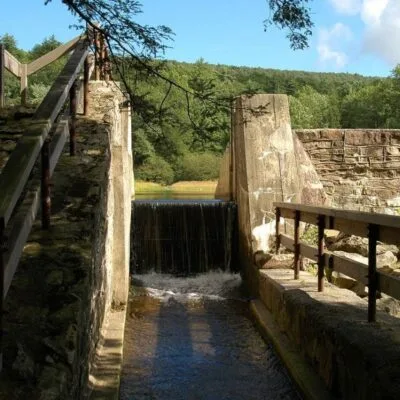
McConnells Mill State Park is a geological wonder — 2,546 acres of deep gorge carved by the catastrophic draining of glacial lakes thousands of years ago. The result is a dramatic, boulder-littered canyon with old-growth forests, waterfalls, and world-class rock climbing. At the gorge’s heart stands the 1868 gristmill and adjacent 1874 covered bridge — two of Pennsylvania’s most photographed landmarks.
Visitor Information
| Detail | Information |
|---|---|
| Location | Lawrence County, PA — Slippery Rock Creek Gorge |
| Size | 2,546 acres — National Natural Landmark |
| Historic Mill | 1868 gristmill — one of first roller mills in America |
| Covered Bridge | 1874 — rare Howe truss design — still in use |
| Swimming | ⚠️ PROHIBITED — swift currents, rapids, deep pools |
Activities
| Activity | Details |
|---|---|
| Rock Climbing | Rim Road + Breakneck Bridge — sport, trad, bouldering |
| Whitewater | Class II–IV — Rose Point to Eckert’s Bridge — experienced only |
| Hiking | 11+ mi — Kildoo Trail, Slippery Rock Gorge Trail, Hell’s Hollow |
| Waterfall | Hell’s Hollow — short hike to scenic falls |
| Mill Tours | Seasonal guided tours of 1868 gristmill |
| Photography | Covered bridge, gorge, old-growth forest |
| Scenic Views | Cleland Rock overlook |
Frequently Asked Questions
Can I swim in Slippery Rock Creek?
No — swimming is prohibited throughout the park. Slippery Rock Creek has swift currents, rapids, and deep pools that make it dangerous. The park is designed for hiking, climbing, kayaking, and sightseeing.
Is rock climbing allowed?
Yes — McConnells Mill is one of the few Pennsylvania state parks that permits rock climbing and bouldering, in two designated areas: Rim Road (more developed) and Breakneck Bridge (more advanced). Rappelling from bridges and road areas is prohibited.
Nearby parks: If you have extra time, Moraine State Park is a short drive away, and Jennings Environmental Education Center is a short drive away.

🐾 Dogs & Pets at McConnells Mill State Park
- Pets allowed? statewide rule
- Pets are allowed in day-use areas of Pennsylvania state parks and in designated campground sites, but must be physically controlled, attended at all times and leashed, caged or crated.
- Leash rule statewide rule
- Leash required at all times; no universal maximum length — inquire at the park office (electronic fences/shock collars not accepted as control)
- Beaches & swim areas statewide rule
- Pets are prohibited in swimming areas and designated beaches
- Cabins & lodging statewide rule
- Dogs allowed in a limited number of designated cabins, cottages and yurts (pilot program); maximum two dogs per unit; dogs must be house-trained and current on rabies vaccination
- Pet fees statewide rule
- No standard statewide pet fee; fees may be assessed for damage in dog-friendly lodging
- Statewide exceptions statewide rule
- Maximum two non-caged pets per campsite; pets prohibited in buildings; pet food may not be left outside camping units
Are dogs allowed at McConnells Mill State Park?
Pets are allowed in day-use areas of Pennsylvania state parks and in designated campground sites, but must be physically controlled, attended at all times and leashed, caged or crated. Individual parks can post stricter rules — check signage on arrival.
Rules verified July 2026 via pa.gov. More: Pennsylvania state parks guide · Dog rules in all 50 states compared
Park Map
Plan your gear for McConnells Mill State Park
From our editorial guides, matched to this park’s activities: