Jennings Environmental Education Center
🌤 Weather at Jennings Environmental Education Center by season
| Spring | Summer | Fall | Winter |
|---|---|---|---|
| 25–70 °F | 54–82 °F | 30–74 °F | 17–39 °F |
Each range runs from the coldest monthly average low to the warmest monthly average high in that season (1991-2020 climate normals), measured at Butler 2 SW, 6 mi away, elevation 1,000 ft. Conditions at the park can differ from the station, especially where elevation differs — check a forecast before you go.

🏆 Prairie in Pennsylvania! — 20-acre relict prairie — the ONLY native prairie ecosystem remaining in Pennsylvania, with blazing star wildflowers 500 miles east of the Great Plains
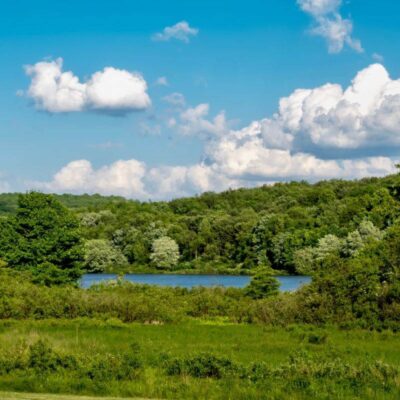
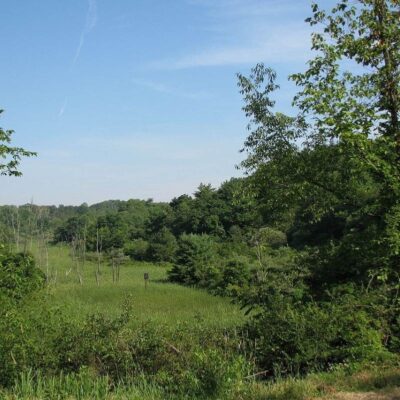
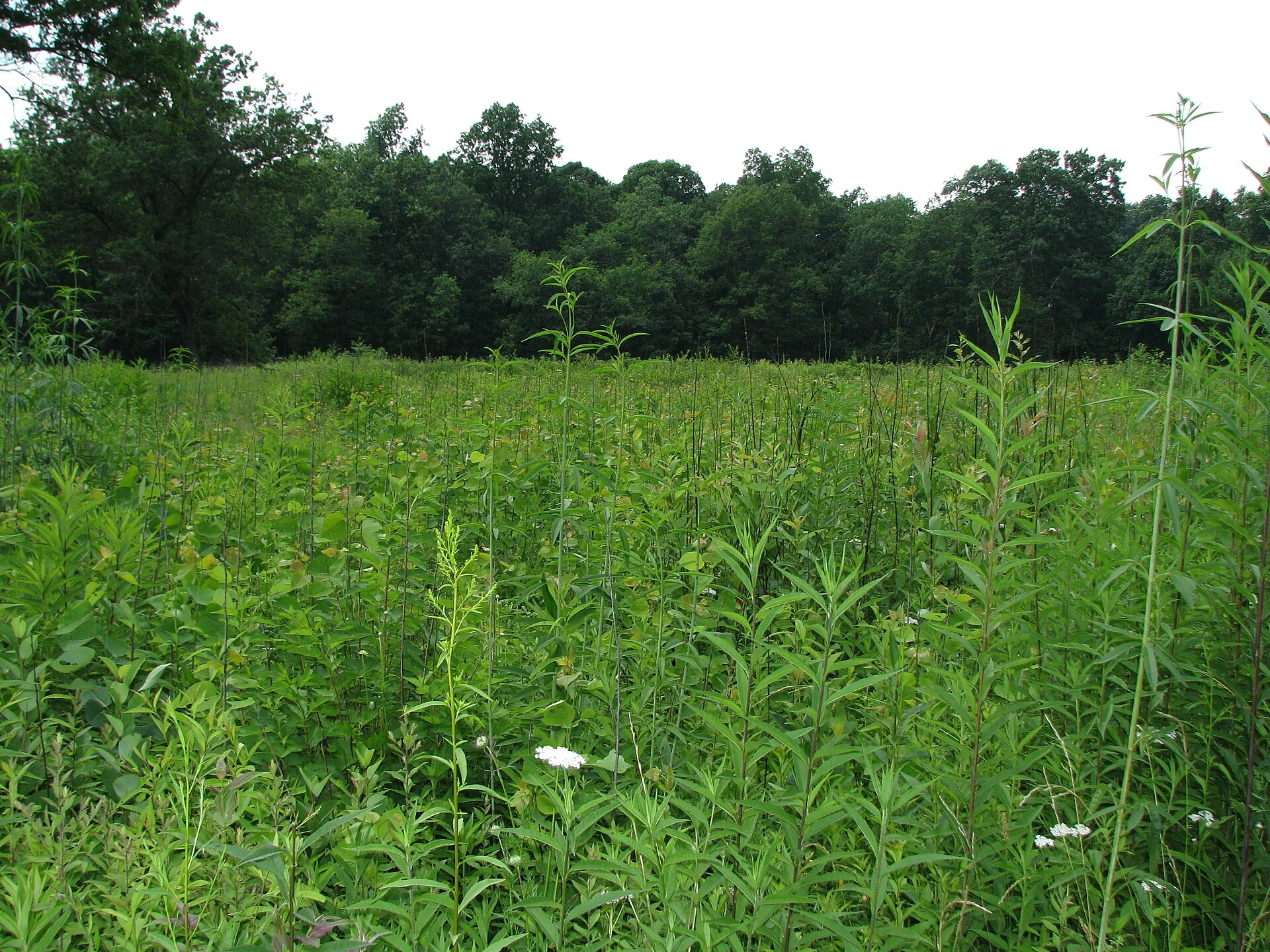
Jennings Environmental Education Center protects the only remaining native prairie ecosystem in Pennsylvania — a 20-acre relict prairie featuring blazing star (Liatris spicata) wildflowers that bloom spectacularly in late July/August. How did a prairie end up 500 miles east of the Great Plains? During a warm, dry period 5,000–8,000 years ago, prairie grasses and wildflowers expanded eastward. When the climate cooled, most eastern prairies disappeared — but this one survived because the thin, rocky soil over glacial moraine kept trees from growing. The annual Blazing Star Festival celebrates this botanical oddity.
Visitor Information
| Detail | Information |
|---|---|
| Location | Butler County, PA |
| Entry Fee | Free |
| Feature | ONLY native prairie in PA! |
| Age | 5,000–8,000 years old! |
About Jennings
Jennings Environmental Education Center in Butler County protects a remnant tallgrass prairie — an ecosystem found nowhere else in Pennsylvania. The prairie, a “relict” grassland surviving since the post-glacial warm period 7,000 years ago, supports the blazing star (Liatris spicata), which attracts thousands of visitors when it blooms in a spectacular purple display each August. The center is one of Pennsylvania’s most unusual ecological sites.
Things to Do
Viewing the August blazing star bloom (peak mid-August — fields of purple), hiking the prairie and forest trails, attending environmental education programs, wildflower identification, and exploring western Pennsylvania’s only tallgrass prairie ecosystem.
Insider Tips
Prairie in Pennsylvania: Jennings protects a rare relict prairie — a patch of western-style prairie grassland that has survived in western Pennsylvania since the last Ice Age. Pro tip: The blazing star (Liatris) bloom in late July-August is spectacular — thousands of purple spikes attract butterflies and hummingbirds. Ecological puzzle: How a western prairie ended up in western Pennsylvania is a biogeographical mystery — likely a relict of the warmer, drier period 8,000 years ago.
Best Time to Visit
Late July-August: Blazing star bloom — spectacular. Summer: Prairie wildflowers. Fall: Goldenrod and asters. Year-round: Education center programs.
Frequently Asked Questions
Why is there prairie in Pennsylvania?
During the Hypsithermal period (5,000-8,000 years ago), the climate was warmer and drier — prairie expanded eastward into Pennsylvania. When the climate cooled, most prairie retreated, but patches survived on thin, rocky soils that excluded trees. Jennings’ prairie is a biological time capsule — a fragment of a landscape that once covered much more of Pennsylvania.
Keep exploring: The closest neighbors are Moraine State Park (a short drive away) and McConnells Mill State Park (a short drive away).
Wildlife & Nature
Jennings EEC — in Butler County — preserves a rare relict prairie ecosystem, one of the easternmost prairies in the US. The park protects the blazing star wildflower, which blooms spectacularly in August. Massasauga rattlesnakes (endangered) inhabit the prairie. Meadowlarks and bobolinks sing. White-tailed deer browse.
Nearby Attractions
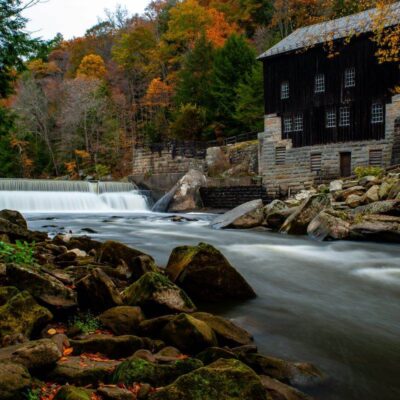
Slippery Rock — adjacent — has the university. McConnells Mill SP — 10 miles north — has the covered bridge and Slippery Rock Gorge. Moraine SP — 10 miles south.

🐾 Dogs & Pets at Jennings Environmental Education Center
- Pets allowed? statewide rule
- Pets are allowed in day-use areas of Pennsylvania state parks and in designated campground sites, but must be physically controlled, attended at all times and leashed, caged or crated.
- Leash rule statewide rule
- Leash required at all times; no universal maximum length — inquire at the park office (electronic fences/shock collars not accepted as control)
- Beaches & swim areas statewide rule
- Pets are prohibited in swimming areas and designated beaches
- Cabins & lodging statewide rule
- Dogs allowed in a limited number of designated cabins, cottages and yurts (pilot program); maximum two dogs per unit; dogs must be house-trained and current on rabies vaccination
- Pet fees statewide rule
- No standard statewide pet fee; fees may be assessed for damage in dog-friendly lodging
- Statewide exceptions statewide rule
- Maximum two non-caged pets per campsite; pets prohibited in buildings; pet food may not be left outside camping units
Are dogs allowed at Jennings Environmental Education Center?
Pets are allowed in day-use areas of Pennsylvania state parks and in designated campground sites, but must be physically controlled, attended at all times and leashed, caged or crated. Individual parks can post stricter rules — check signage on arrival.
Rules verified July 2026 via pa.gov. More: Pennsylvania state parks guide · Dog rules in all 50 states compared
Park Location
Plan your gear for Jennings Environmental Education Center
From our editorial guides, matched to this park’s activities: