🌤 Weather at Mount Diablo State Park by season
| Spring | Summer | Fall | Winter |
|---|---|---|---|
| 43–68 °F | 55–83 °F | 46–80 °F | 41–55 °F |
Each range runs from the coldest monthly average low to the warmest monthly average high in that season (1991-2020 climate normals), measured at Mount Diablo Junction, 1 mi away, elevation 2,170 ft. Conditions at the park can differ from the station, especially where elevation differs — check a forecast before you go.

100-Mile Views from the Summit
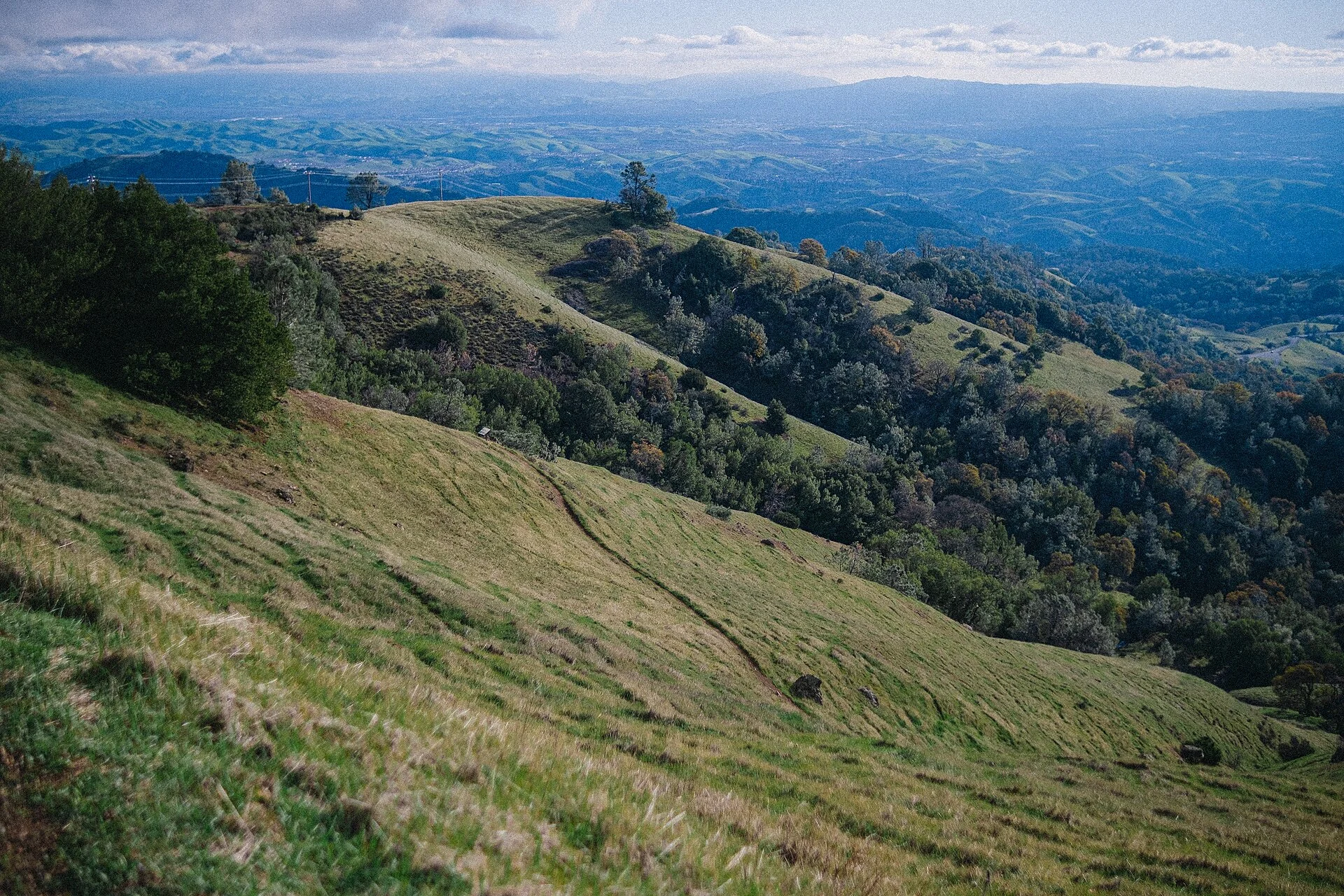
On clear days, Mount Diablo offers views spanning over 100 miles–from the Sierra Nevada to the Farallon Islands. The 3,849-foot summit provides one of the most expansive panoramas in North America, with over 40 of California’s 58 counties visible.
Over 40 Trails
The park features an extensive trail network through diverse habitats supporting 600+ plant species and abundant wildlife.
| Trail | Distance | Difficulty | Highlights |
|---|---|---|---|
| Summit Trail (Juniper) | 1 mi RT | Easy | Quick summit access |
| Rock City | Varies | Easy-Moderate | Sandstone caves & formations |
| Mitchell Canyon | Multi-loop | Moderate | Spring wildflowers |
| Fire Interpretive Trail | 0.7 mi | Easy | Wheelchair accessible (1st half) |
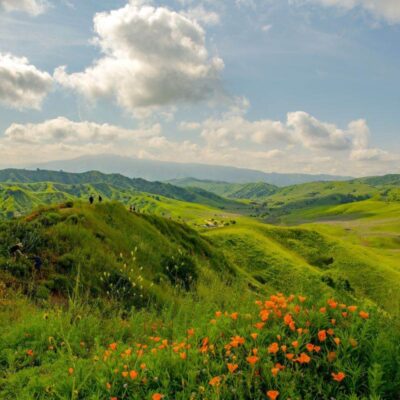
🌸 Spring 2026 Superbloom Potential: After wet winter storms, Mount Diablo may experience spectacular wildflower displays. Peak bloom typically March-April.
Camping (Advance Reservations Required)
Three campgrounds: Juniper (36 sites, 3000ft elevation with views), Live Oak (22 sites), Junction (6 intimate sites). All require reservations via ReserveCalifornia.com up to 6 months ahead.
Important: Park gates close at sunset–arrive early or risk being locked in. Alcohol prohibited. No cell service at higher elevations.
Wildlife & Nature
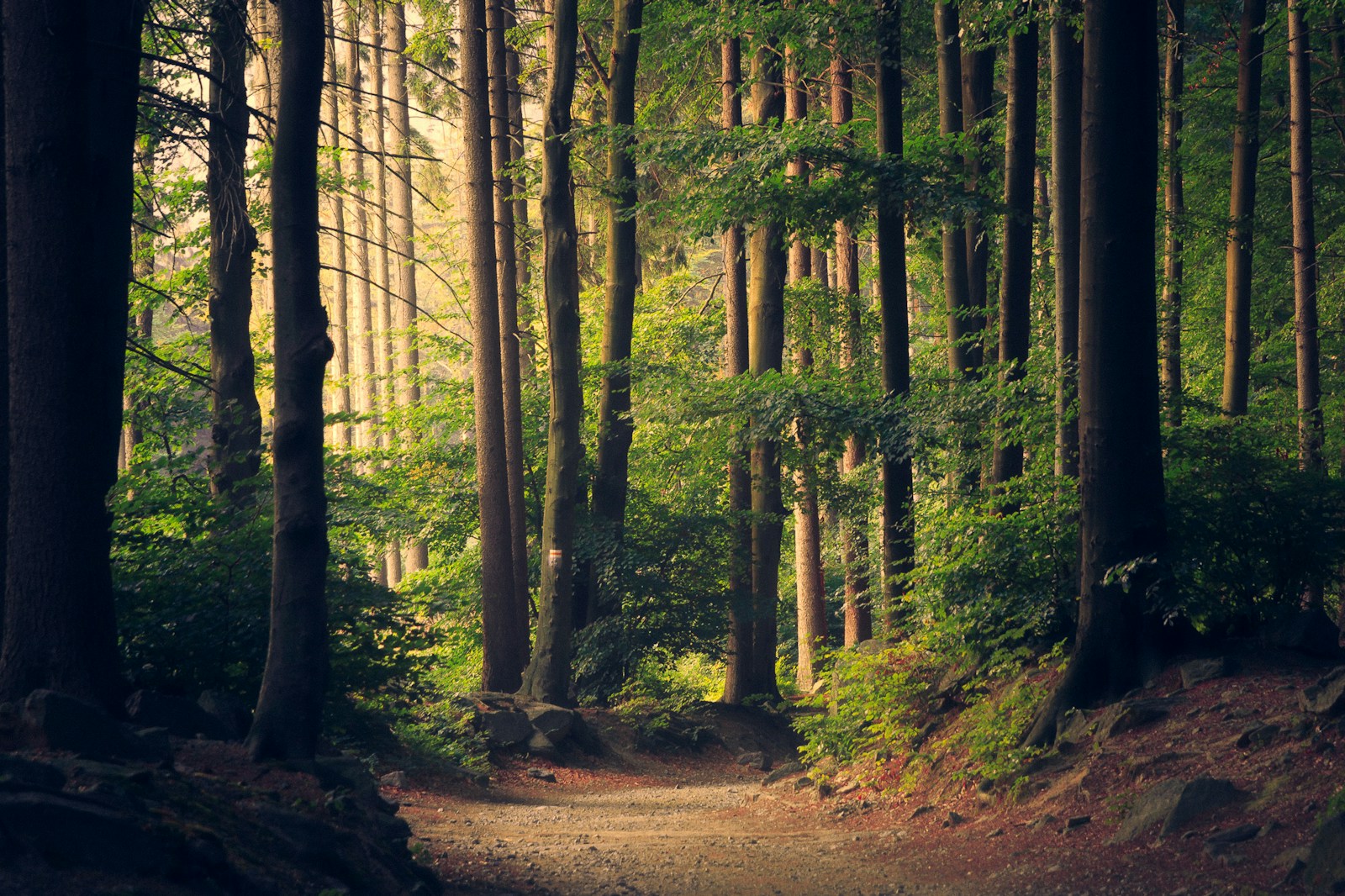
Mount Diablo State Park — 20,000+ acres in Contra Costa County — features a 3,849-foot summit with one of the most extensive views in North America: on clear days, you can see from the Farallon Islands to the Sierra Nevada (nearly 200 miles). The view encompasses 40 of California’s 58 counties. The mountain’s rock record spans 190 million years. Golden eagles, peregrine falcons, and red-tailed hawks nest on the mountain. Tarantulas cross trails in fall.
Nearby Attractions
Walnut Creek — at the park entrance — has downtown dining and shopping. Danville — at the south entrance — has the Eugene O’Neill National Historic Site (Tao House). Concord — 5 miles north. Oakland — 20 miles west. San Francisco — 30 miles west. Mitchell Canyon — at the northeast entrance — has the best wildflower hiking (March-May).
Frequently Asked Questions
Can I camp without a reservation?
No. All campsites require advance reservations. Walk-up availability is extremely rare, especially on weekends.
Are dogs allowed on trails?
No. Dogs are not permitted on trails, fire roads, or inside park buildings. They are allowed in developed areas (parking lots, campgrounds) on leash only.
Things to Do
California state parks span an extraordinary range of landscapes — from ancient redwood forests and rugged Pacific coastline to Mojave Desert dunes and Sierra Nevada alpine meadows. Depending on the park, visitors can enjoy hiking through old-growth groves, swimming and surfing along miles of wild beaches, camping beneath towering sequoias, kayaking coastal sea caves, mountain biking oak-studded foothills, fishing in alpine lakes, rock climbing granite formations, and wildlife watching for everything from elephant seals to California condors. Many parks also preserve important cultural and historic sites, including Native American heritage areas, Gold Rush-era settlements, and Spanish mission ruins.
Best Time to Visit
California’s parks are a year-round destination, though the ideal season depends on the region. Coastal parks enjoy mild weather from spring through fall, with summer fog keeping temperatures comfortable along the central and northern coast. Desert parks like Anza-Borrego are best visited October through April — summer temperatures can exceed 110°F. Mountain parks in the Sierra Nevada are most accessible June through October, when snow melts and trails open. Spring (March–May) brings wildflower super blooms in the southern deserts. Fall offers warm days, thinner crowds statewide, and stunning foliage at higher elevations. Winter is the quiet season at most parks and brings excellent whale watching along the coast.
Visitor Tips
Most California state parks charge a day-use parking fee of $12–$20 per vehicle (demand-based pricing): purchasing an annual pass is highly recommended if you plan to visit multiple parks. The Golden Poppy pass ($125) covers 112 parks; the California Explorer pass ($195) covers 134 parks, including the high-demand Southern California beaches. Camping reservations can be made through ReserveCalifornia up to 6 months in advance — popular coastal campgrounds book within minutes of opening. Cell service is limited or nonexistent in many parks, so download maps and directions before you leave. Bring layers: California’s microclimates can shift dramatically even within a single park. Dogs are generally allowed in campgrounds and on paved roads but not on most trails or beaches in state parks.
Explore More California State Parks
Mount Diablo State Park is one of many outstanding state parks in California. Discover more parks in our Best State Parks in California guide, or use our Park Finder to search by activity, location, or features.
Make it a road trip: Pair a visit with Benicia Capitol State Historic Park (within about an hour’s drive) or Bethany Reservoir State Recreation Area (within about an hour’s drive).

🐾 Dogs & Pets at Mount Diablo State Park
- Pets allowed? statewide rule
- Dogs are permitted in California State Parks only in developed areas — campgrounds, picnic areas, parking lots and paved roads — and are prohibited on most trails, beaches and undeveloped areas unless specifically designated as dog-friendly.
- Leash rule statewide rule
- Maximum 6-foot leash at all times; dogs may not be left unattended.
- Beaches & swim areas statewide rule
- Dogs are prohibited on most state beaches; only beaches specifically designated as dog-allowed permit them (varies by park).
- Cabins & lodging statewide rule
- Pets are generally not allowed in buildings or cabins; overnight campers must keep dogs inside a tent or vehicle at night.
- Statewide exceptions statewide rule
- Designated dog-friendly trails and beaches vary park by park; misrepresenting a pet as a service animal is a misdemeanor.
Are dogs allowed at Mount Diablo State Park?
Dogs are permitted in California State Parks only in developed areas — campgrounds, picnic areas, parking lots and paved roads — and are prohibited on most trails, beaches and undeveloped areas unless specifically designated as dog-friendly. Individual parks can post stricter rules — check signage on arrival.
Rules verified July 2026 via parks.ca.gov. More: California state parks guide · Dog rules in all 50 states compared
Park Location
Plan your gear for Mount Diablo State Park
From our editorial guides, matched to this park’s activities: