


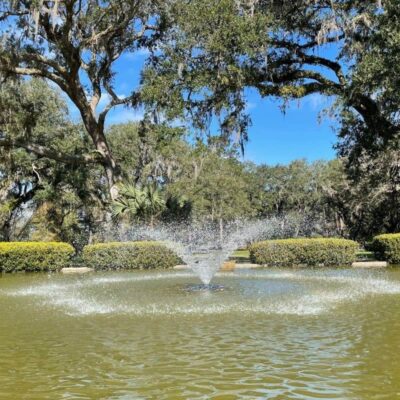
Ponce de Leon Springs State Park in Florida features a beautiful natural spring with crystal-clear, 68°F water year-round—perfect for swimming and snorkeling. A refreshing escape in the Florida Panhandle!
68°F Natural Spring
| Spring Info | Details |
|---|---|
| 🌡️ Temperature | 68°F year-round! |
| 🏊 Swimming | Designated areas |
| 🤿 Snorkeling | Permitted in designated areas |
| 💧 Water | Crystal clear |
Park Hours
| Info | Details |
|---|---|
| 🕗 Hours | 8am – Sunset daily |
| 📅 Open | Year-round |
| ⚠️ Note | May close at capacity during high visitation |
FAQ
Wildlife & Nature
Ponce de Leon Springs SP — features two springs maintaining a constant 68°F year-round — named for the Spanish explorer’s legendary search for the Fountain of Youth (1513). The park’s springs, hardwood hammock, and Sandy Creek support alligators, great blue herons, and barred owls. River otters play in the spring run.
Nearby Attractions
Ponce de Leon — adjacent. Falling Waters SP — 15 miles west — has Florida’s tallest waterfall. Vortex Spring — 10 miles west. Holmes Creek Canoe Trail — nearby.
How cold is the spring water?
68°F (20°C) year-round! Florida springs maintain a constant temperature, so it’s refreshing in summer but may feel chilly in winter. Crystal-clear water perfect for swimming and snorkeling.
Can I scuba dive here?
Scuba diving is not specifically mentioned for Ponce de Leon Springs. Swimming and snorkeling are permitted in designated areas. For diving, consider other Florida springs like Ginnie Springs or Ichetucknee.
Does the park close at capacity?
Yes! During high visitation periods (weekends, holidays), the park may reach capacity and temporarily close admission. Arrive early or visit on weekdays for best access.
💧 Panhandle Spring Paradise
Visit Florida State Parks website.
Things to Do
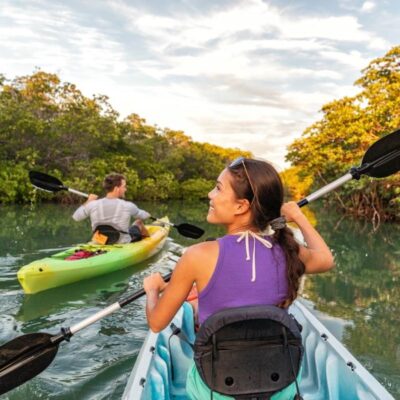
Florida’s 175 state parks protect some of the most unique ecosystems in North America — from crystalline freshwater springs and cypress swamps to barrier island beaches, mangrove estuaries, and subtropical hammocks. Activities vary by region: snorkeling and swimming in spring-fed rivers with crystal-clear 72°F water year-round, kayaking through mangrove tunnels and tidal creeks, hiking through palm hammocks and pine flatwoods, fishing for tarpon and snook in coastal parks, camping on undeveloped barrier islands, biking paved trails through shady canopies, birding among over 500 resident and migratory species, and exploring historic Spanish-era forts and Seminole War sites. Florida’s springs — including Ichetucknee, Rainbow, and Wakulla — offer world-class underwater visibility.
Best Time to Visit
Florida’s parks are a year-round destination, but the experience varies significantly by season. Winter (December–February) brings ideal weather — comfortable 60s–70s°F temperatures, low humidity, minimal mosquitoes, and the best manatee viewing at warm-water springs. Spring is excellent for wildflowers and birding migration. Summer (June–September) means heat (90s°F), humidity, daily afternoon thunderstorms, and aggressive mosquitoes in marsh and forest parks — but springs offer welcome cooling and sea turtle nesting peaks on Atlantic beaches. Fall is a underrated sweet spot with dropping temperatures, thinning crowds, and warm ocean water. Hurricane season runs June through November — always check forecasts before coastal park visits.
Visitor Tips
Florida state parks charge a per-vehicle entrance fee, typically $4–$6 per vehicle (up to 8 people). An annual pass ($60 individual / $120 family) covers unlimited visits to all state parks. Popular spring parks (like Ichetucknee and Devil’s Den) require advance reservations during peak season — book through the Florida State Parks reservation system. Tubing, kayaking, and snorkeling gear rentals are available at many spring parks. Alligators are present at virtually every freshwater park — maintain at least 15 feet of distance and never feed them. Dogs are allowed in most parks on leash but are prohibited on most beaches and in springs.
Explore More Florida State Parks
Ponce de Leon Springs State Park is one of many outstanding state parks in Florida. Discover more parks in our Best State Parks in Florida guide, or use our Park Finder to search by activity, location, or features.
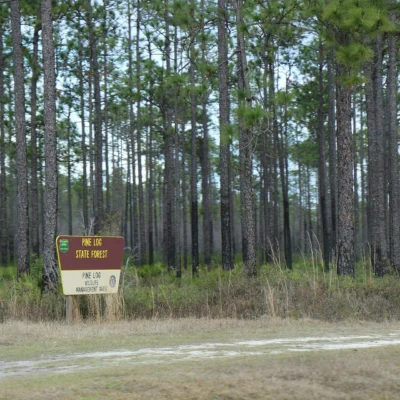
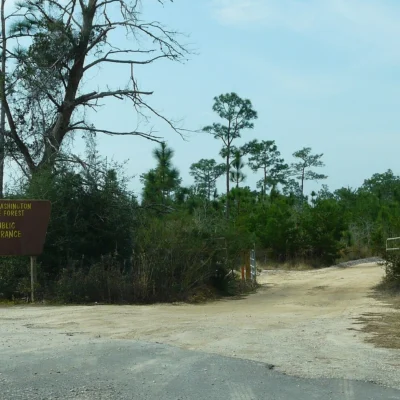
Keep exploring: The closest neighbors are Three Rivers State Park (within about an hour’s drive) and Pine Log State Forest (within about an hour’s drive).

🐾 Dogs & Pets at Ponce de Leon Springs State Park
- Pets allowed? statewide rule
- Domestic pets are welcome in many Florida State Parks — on hiking trails, in picnic areas and campgrounds — but only in designated areas.
- Leash rule statewide rule
- Leashes may not exceed 6 feet; pets must be under physical control at all times.
- Beaches & swim areas statewide rule
- Pets are not permitted on beaches, boardwalks or playgrounds, or in bathing areas — swimming pets can be viewed as prey by alligators.
- Cabins & lodging statewide rule
- Pets are not allowed in any state park buildings, cabins or cabin areas.
- Statewide exceptions statewide rule
- Pets prohibited at several parks including Ellie Schiller Homosassa Springs (free kennels at the entrance), Weeki Wachee Springs and Egmont Key; in campgrounds pets must be confined in the camping unit 11 p.m.-7 a.m.
Are dogs allowed at Ponce de Leon Springs State Park?
Domestic pets are welcome in many Florida State Parks — on hiking trails, in picnic areas and campgrounds — but only in designated areas. Individual parks can post stricter rules — check signage on arrival.
Rules verified July 2026 via floridastateparks.org. More: Florida state parks guide · Dog rules in all 50 states compared
Park Location
Plan your gear for Ponce de Leon Springs State Park
From our editorial guides, matched to this park’s activities:
Top Tours & Activities Near Panama City Beach
 from $350
 from $750
 from $54