Bosque del Apache NWR

🦅 Where 10,000 Sandhill Cranes and 30,000 Snow Geese Fill the Sky Every Winter — New Mexico’s Greatest Wildlife Spectacle on the Rio Grande — Bosque del Apache NWR near Socorro, NM with winter crane/goose migration (Nov–Feb), Festival of the Cranes, 15-mile Auto Tour Loop, Flight Deck, Crane Pool, marsh boardwalk, Chupadera Peak Trail, 57,331 acres, 377 bird species, bald eagles, CCC est. 1939 — Socorro County, NM
Every November, tens of thousands of sandhill cranes and snow geese descend on this stretch of the Rio Grande — filling the sky from horizon to horizon. At dawn, they lift off the managed wetlands in waves so dense the sound is deafening. At dusk, they spiral back down in formations that turn the sky white against the Chupadera Mountains.
Bosque del Apache — Spanish for “forest of the Apache” — is one of the premier wildlife refuges in North America. Established in 1939 with CCC labor, this 57,331-acre refuge was purpose-built for migratory birds on the Central Flyway.
The Winter Migration
| Species | Peak Numbers | When |
|---|---|---|
| Sandhill Cranes | ~10,000 | Nov–Feb |
| Snow Geese | ~30,000 | Nov–Feb |
| Bald Eagles | Dozens hunting wetlands | Winter |
| Total Bird Species | 377 documented | Year-round |
The Dawn Fly-Out
The single most dramatic wildlife spectacle in New Mexico. Arrive at the Crane Pool or Flight Deck 30 minutes before sunrise. In the pre-dawn darkness, thousands of cranes call. Then, as the first light hits the Chupadera Mountains, they lift off — wave after wave, filling the sky with wingbeats and ancient calls.
The Dusk Fly-In
At sunset, the process reverses. Snow geese return in massive spiraling formations — thousands circling down, white bodies catching the last light. Cranes glide in on fixed wings, legs extended.
The Auto Tour Loop
| Stop | What You’ll See |
|---|---|
| Flight Deck | Elevated platform — best for dawn fly-out photography |
| Crane Pool | Primary roosting area — thousands at dawn/dusk. Boardwalk |
| North Loop (Marsh) | Managed wetlands — shorebirds, herons, ducks, bald eagle |
| South Loop (Farm) | Corn/alfalfa fields — cranes and geese feeding by day |
| Bosque (Forest) | Rio Grande cottonwoods — songbirds, raptors, mule deer |
Trails
| Trail | Distance | Highlights |
|---|---|---|
| Marsh Trail | ~1 mi | Boardwalk — close-up wetland viewing |
| Bosque Trail | ~2 mi | Cottonwood forest along Rio Grande |
| Chupadera Peak | ~6 mi RT | Desert hike — panoramic refuge/valley views |
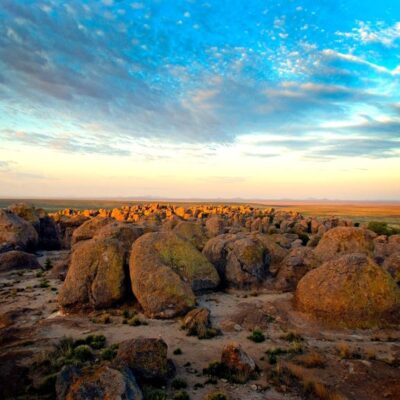
| Canyon Trail | ~4 mi RT | Desert canyon — geological formations, raptors |
How the Habitat Works
| Management | Purpose |
|---|---|
| Water control structures | Flood/drain wetlands on schedule for ideal habitat |
| Moist-soil units | Managed flooding grows natural seeds and invertebrates |
| Farm fields | Corn and alfalfa as supplemental food for cranes/geese |
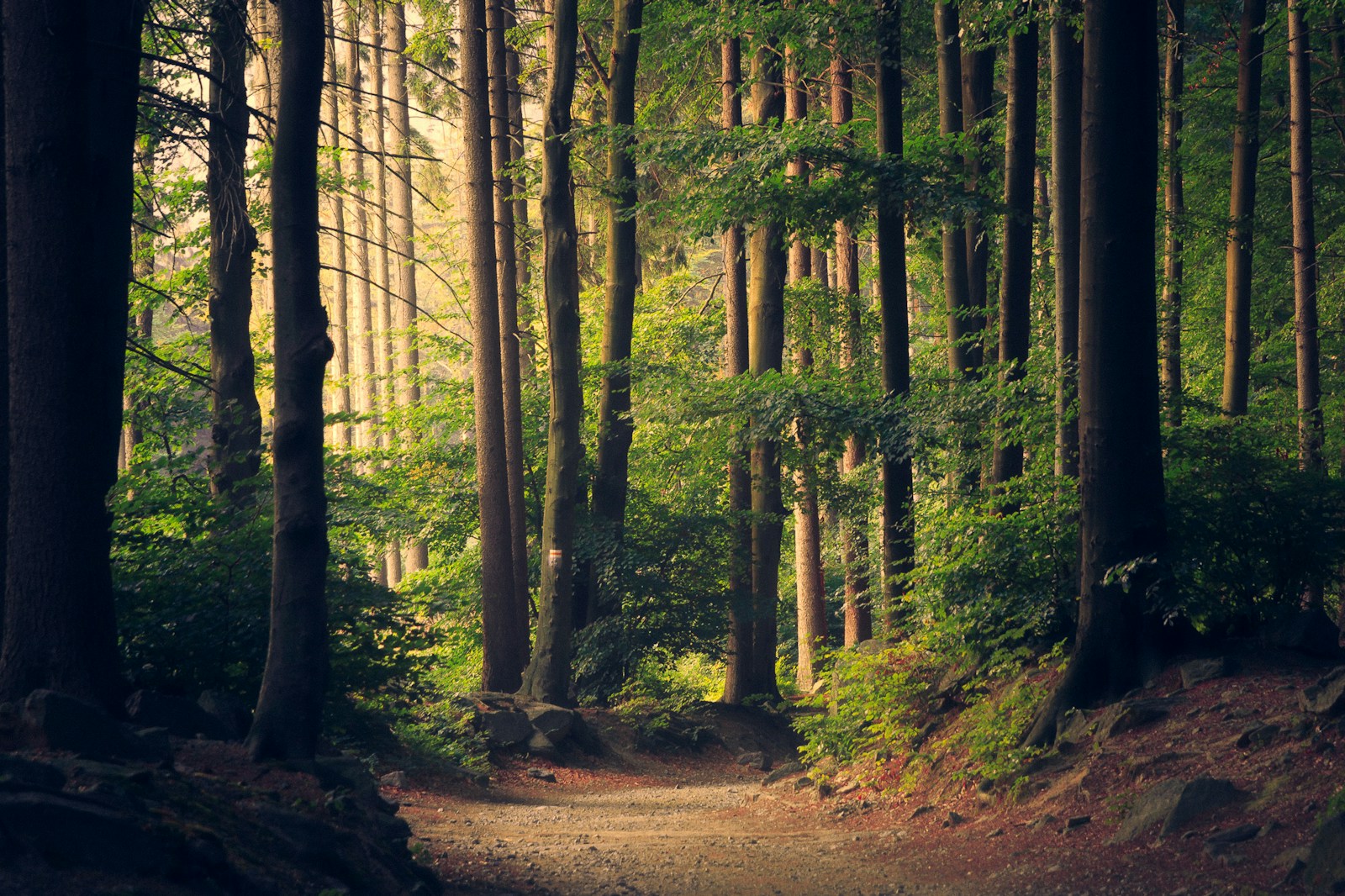
| Prescribed burns | Control invasives, maintain native cottonwood bosque |
History
| Year | Event |
|---|---|
| Pre-Contact | Apache bands used the bosque as seasonal camp |
| 1939 | Refuge established — CCC builds infrastructure |
| 1988 | Festival of the Cranes launched |
| Today | 57,331 acres. 377 species. 10,000+ cranes every winter |
Festival of the Cranes
Every November — one of the top birding festivals in the U.S.:
- Guided dawn fly-out tours (book early — sell out)
- Photography workshops with professionals
- Lectures on crane biology and conservation
- Guided bird walks for all levels
Photography Tips
| Tip | Details |
|---|---|
| Position | Flight Deck for fly-out — arrive 30 min before sunrise |
| Lens | 400mm+ for individuals; wide angle for mass formations |
| Settings | 1/1000+ shutter for flight. Burst mode. Back-button focus |
| Light | Golden hour — shoot toward Chupadera Mountains for silhouettes |
Best Time to Visit
| Season | Weather | Best For |
|---|---|---|
| Winter (Nov–Feb) | 25–55°F | 🦅 THE spectacle — 10K cranes + 30K geese. Peak Dec–Jan. Festival (Nov) |
| Spring (Mar–May) | 50–80°F | Songbird migration, wildflowers, cranes departing |
| Fall (Sep–Oct) | 55–80°F | First arrivals, migrating raptors |
| Summer (Jun–Aug) | 85–105°F | Hot. Roadrunners, quail, hummingbirds. Monsoon |
💰 Trip Cost Estimator
| Trip Style | Duration | Cost | Includes |
|---|---|---|---|
| Dawn Fly-Out | 2–3 hrs | $5 | Pre-dawn arrival, Flight Deck, auto loop |
| Full Day | Full day | $5 | Dawn fly-out + loop + trails + dusk fly-in |
| Festival | 3–5 days | $5 + events | Guided tours, workshops, lectures |
| Best Value | Dawn + Dusk | $5 | Both spectacles — sunrise fly-out AND sunset fly-in |
Frequently Asked Questions
When is the best time to see the cranes?
November through February, peaking December–January. The dawn “fly-out” and dusk “fly-in” are the most dramatic moments. Arrive 30 minutes before sunrise.
What is the Festival of the Cranes?
An annual November birding festival — one of the top in the U.S. Guided dawn tours (book early!), photography workshops, crane biology lectures, and bird walks.
How many cranes will I see?
At peak: ~10,000 sandhill cranes and ~30,000 snow geese. Plus bald eagles, thousands of ducks, herons, and raptors. 377 total species documented.
What is the auto tour loop?
A 15-mile one-way drive through managed wetlands and farm fields. Multiple pullouts, viewing platforms, and the Flight Deck. Stay in your vehicle — it acts as a blind.
Why are there farm fields in a wildlife refuge?
Corn and alfalfa planted as supplemental food for cranes and geese. Upstream dams disrupted the Rio Grande’s natural flooding, so the refuge actively manages habitat.
Can I hike?
Yes — boardwalks to 6-mile desert peak hike. Marsh Trail for close-up wetland views. Chupadera Peak for panoramic valley views.
What camera gear do I need?
400mm+ telephoto for individuals, wide angle for mass formations. Tripod essential. 1/1000+ shutter for flight. The dawn fly-out happens fast.
Is there camping?
No camping in the refuge. Nearby: Bernardo State Park, BLM land, Socorro lodging (~20 miles north).
How was it established?
1939, by Executive Order, with CCC infrastructure. Named for Apache bands who camped in the bosque (cottonwood forest). Managed by U.S. Fish & Wildlife Service.
What else lives here?
Mule deer, coyotes, javelina, bobcats, rattlesnakes. The bosque supports a distinct ecosystem from the surrounding Chihuahuan Desert.
🦅 10,000 Cranes Rising at Dawn
Every winter, the sky fills with sandhill cranes and snow geese along the Rio Grande. 15-mile auto tour, Flight Deck, and 377 bird species. $5 per vehicle.
🎉 Festival of the Cranes — Every November
One of America’s top birding festivals. Guided dawn tours, professional photography workshops, and crane biology lectures. Book early — tours sell out.