🌤 Weather at Devils Fork State Park by season
| Spring | Summer | Fall | Winter |
|---|---|---|---|
| 39–80 °F | 65–90 °F | 38–83 °F | 30–56 °F |
Each range runs from the coldest monthly average low to the warmest monthly average high in that season (1991-2020 climate normals), measured at Pickens, 14 mi away, elevation 1,075 ft. Conditions at the park can differ from the station, especially where elevation differs — check a forecast before you go.

Sixty feet below the surface, the water is cold and dark. Your dive light sweeps across the lake floor and lands on a church steeple rising from the mud—the bell tower of a church that hasn’t heard prayers in over fifty years, now home to bass and trout. This is Lake Jocassee, and somewhere beneath this impossibly clear mountain water lies an entire town that was flooded when Duke Power built a dam in 1973.
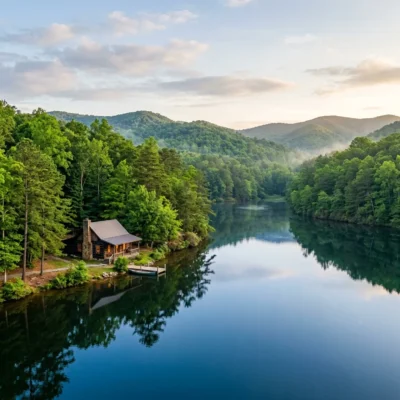
Welcome to Devils Fork State Park, the only public access point to one of the most extraordinary lakes in the American South. Lake Jocassee is 7,565 acres of spring-fed mountain water so clear you can see 50 feet down on calm days. Waterfalls plunge directly into the lake from surrounding cliffs, accessible only by boat. In early spring, one of the world’s rarest wildflowers—the Oconee Bell—blooms along a single trail here and almost nowhere else on Earth.
This is not your typical state park with picnic tables and playgrounds (though it has those too). Devils Fork is a gateway to underwater ghost towns, boat-in camping at the base of ancient mountains, and a wilderness lake experience that rivals anything in the Appalachians. Whether you come to dive the submerged town, kayak to hidden waterfalls, or simply watch the sunset from a lakeside villa, you’ll understand why Jocassee has been called “the most beautiful and unspoiled lake in the world.”
What Makes Devils Fork Extraordinary
Scuba Diving
Dive to a submerged church steeple, cemetery, and town—50ft visibility in mountain water.
Boat-Only Waterfalls
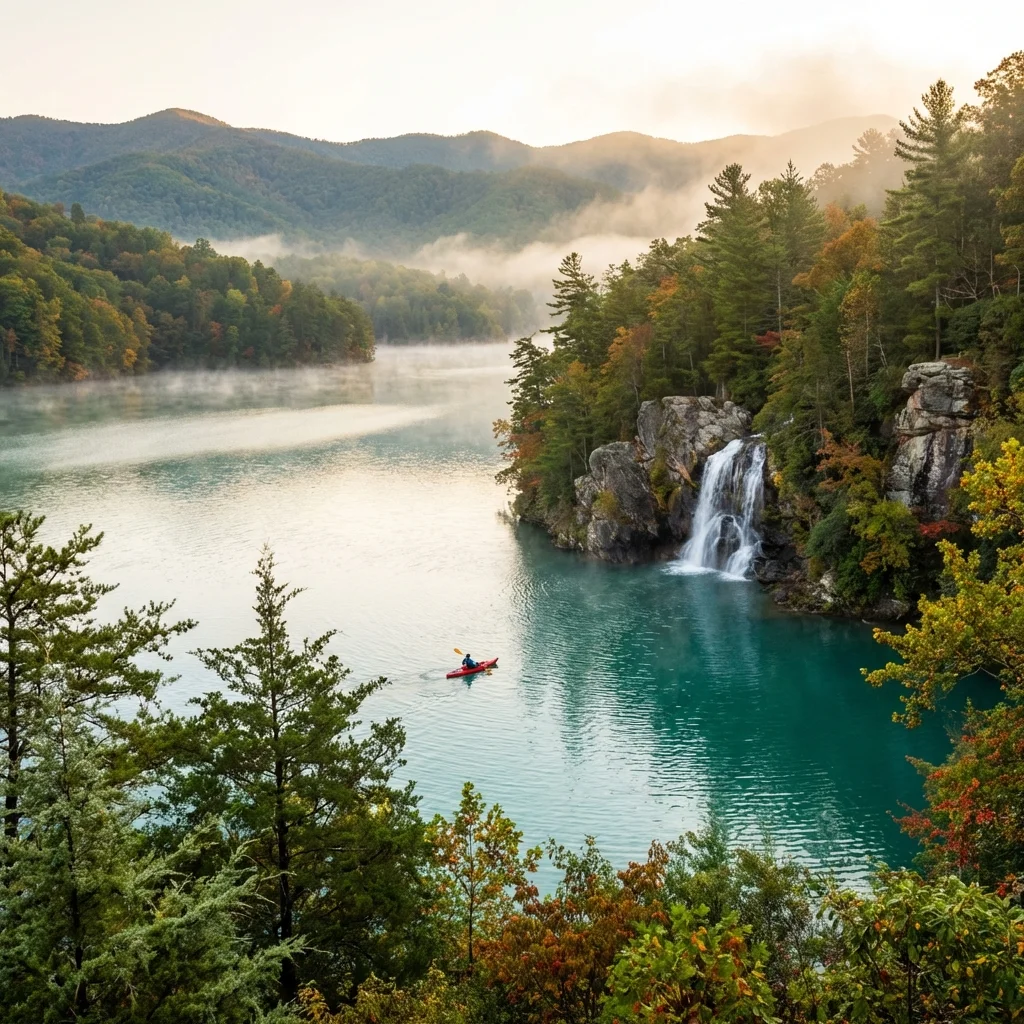
4+ waterfalls cascade directly into the lake—accessible only by boat or kayak.
Oconee Bells
Endangered wildflower blooms here in early spring—one of few places on Earth.
Boat-In Camping
Unique campground reachable only by water—at the base of Musterground Mountain.
Lake Jocassee: The Crown Jewel
Lake Jocassee isn’t just any reservoir—it’s a 7,565-acre spring-fed mountain lake with clarity usually found only in the Caribbean. Fed by numerous cold-water streams and waterfalls cascading from the surrounding Blue Ridge escarpment, the lake maintains temperatures and clarity that make it unique among Southern freshwater bodies.
| Lake Feature | Details |
|---|---|
| 📏 Size | 7,565 acres |
| 📊 Max Depth | 300+ feet |
| 👁️ Visibility | 15-50 feet depending on conditions |
| 🌡️ Temperature | Surface: 75-80°F summer; depths stay cold year-round |
| 🚤 Public Access | Devils Fork is the ONLY public boat ramp |
| 🏛️ Created | 1973 (dam construction) |
🌊 Why Jocassee is Special
Unlike most Southern reservoirs with muddy water and heavy boat traffic, Jocassee remains pristine because of strict development controls—only this park provides public access. The result is a wilderness lake experience with water quality rivaling mountain lakes of the Pacific Northwest.
Scuba Diving: The Submerged Town
When Duke Power flooded the Jocassee Valley in 1973, an entire community went underwater. Today, certified divers can explore one of the most unusual dive sites in the American South—a submerged town with remarkably clear visibility.
What’s Down There
- ⛪ Church Steeple: The iconic dive—a bell tower rising from the lake floor in ~40-60 feet of water
- 🪦 Cemetery: Graves that were left when the valley was flooded (approach respectfully)
- 🏚️ Building Foundations: Remnants of homes, barns, and structures
- 🚗 Various Artifacts: Items left behind when the valley was abandoned
Diving Conditions
| Factor | Conditions |
|---|---|
| 👁️ Visibility | 15-50 feet (varies by season, depth, weather) |
| 🌡️ Temperature | Cold at depth—full wetsuit or drysuit recommended |
| 📏 Depths | Major sites range from 40-100+ feet |
| 📜 Certification | Open Water minimum; Advanced OW recommended for deep sites |
| 🚤 Access | Boat dive (no shore diving to major sites) |
⚠️ Diving Safety Warning
Devils Fork State Park is remote. There is no designated scuba zone—divers must avoid boat ramps and high-traffic areas. Emergency response time may be extended. Air fills and dive shops are NOT on-site. This is a technical dive destination requiring self-sufficiency. Dive with a buddy, file a dive plan, and know your limits.
Waterfalls: Boat-Access Only
Several waterfalls cascade directly into Lake Jocassee from the surrounding mountains—and the only way to reach them is by boat or kayak. This makes them some of the most pristine and uncrowded waterfalls in the Southeast.
| Waterfall | Height | Access | Notes |
|---|---|---|---|
| 💧 Laurel Fork Falls | ~80 ft | Boat + short hike | Park’s most popular; trail from boat landing |
| 💧 Mill Creek Falls | ~40 ft | Boat only | Drops directly into lake |
| 💧 Wright Creek Falls | ~60 ft | Boat only | Can kayak right up to base |
| 💧 Devils Hole Creek Falls | ~40 ft | Boat only | Less visited; more remote |
🚣 Kayaking to Waterfalls
Rent a kayak from the park and paddle to the waterfalls for an unforgettable experience. Early morning is best—calm water, fewer boats, and mist rising from the falls. The paddle to Laurel Fork from the boat ramp is about 3-4 miles depending on your route.
Land-Accessible Waterfall
If you don’t have a boat, you can still see a spectacular waterfall nearby: Lower Whitewater Falls is a 200-foot cascade accessible via a 2-mile moderate hike through Jocassee Gorges (trailhead is outside the park but nearby).
Hiking Trails
Devils Fork offers three main hiking trails, each with a distinct character:
| Trail | Distance | Difficulty | Highlights |
|---|---|---|---|
| 🌸 Oconee Bell Nature Trail | 1.5 mi loop | Easy | Endangered Oconee Bells (March); rich forest |
| 🏖️ Bear Cove Trail | 2 mi loop | Easy | Hardwood forest, small beach on lake |
| 💧 Laurel Fork Trail | 0.5 mi | Easy | Trail to Laurel Fork Falls—BOAT ACCESS ONLY |
The Oconee Bell: A Botanical Treasure
The Oconee Bell (Shortia galacifolia) is one of the rarest wildflowers in North America. First described in 1788, it was then “lost to science” for nearly a century before being rediscovered in these very mountains. Today, it grows in only a handful of locations in the Southern Appalachians—and the Oconee Bell Nature Trail at Devils Fork is one of the best places on Earth to see it in bloom.
**Peak bloom:** Late February to mid-March (varies with weather). The delicate white bell-shaped flowers appear along the trail’s moist, shaded banks.
Camping & Lodging
Devils Fork offers exceptional overnight options, from traditional campsites to boat-in wilderness camping to fully-furnished villas:
Standard Campground
59 paved sites with water and electrical hookups, accommodating RVs up to 40 feet or tents. Each site includes tent pad, picnic table, fire ring, and grill grate.
Tent-Only Sites
25 dedicated tent camping sites for those who prefer a more traditional camping experience.
Boat-In Campground (Unique!)
This is special: a primitive campground at the base of Musterground Mountain, accessible only by boat. Paddle or motor across the lake to a true wilderness camping experience.
Lakeside Villas
20 fully-furnished villas with 2-3 bedrooms, perfect for families or groups seeking comfort with lake access. Some are pet-friendly.
| Accommodation | Sites | Amenities |
|---|---|---|
| 🔌 Standard Sites | 59 | Water, electric, tent pad, fire ring |
| ⛺ Tent-Only | 25 | Tent pad, fire ring, table |
| 🚣 Boat-In | Varies | Primitive; boat access only |
| 🏠 Villas | 20 | Full kitchen, bath, A/C, lake views |
📅 Reservation Strategy
Villas and popular campsites book quickly, especially for spring Oconee Bell season and summer weekends. Reserve at least 2-3 months in advance. Minimum 2-night stays typically required.
Fishing
Lake Jocassee is a legendary fishery, holding state records for several species. The cold, clear water supports both warm and coldwater species:
| Species | Status | Notes |
|---|---|---|
| 🐟 Rainbow Trout | ⭐ Excellent | Cold water at depth supports year-round trout |
| 🐟 Brown Trout | Good | Trophy potential; deeper water |
| 🐟 Smallmouth Bass | ⭐ Excellent | State record lake; rocky structure |
| 🐟 Largemouth Bass | Good | Healthy population in shallower areas |
| 🐟 Spotted Bass | Excellent | Abundant throughout |
Boating & Paddling
Devils Fork is the only public boat access to Lake Jocassee—this is your gateway.
- 🚤 Boat Ramp: Multi-lane concrete ramp with parking
- 🛶 Kayak/Canoe Rentals: Available at the park
- 🚣 Paddleboard Rentals: Available seasonally
- ⚙️ Motor Restrictions: None (open lake—all watercraft)
🚣 Paddling Pro Tips
- Launch early morning for calm water
- Wind picks up by afternoon—lake can get choppy
- Paddle to waterfalls before motorboat traffic increases
- Bring plenty of water—no services on the lake
When to Visit
🌸 Spring (March – May)
The magic season. Oconee Bells bloom in early spring (late Feb–mid March)—one of the only places on Earth to witness this. Waterfalls are at peak flow from spring rains. Dogwoods and redbuds add color. Lake water is cold but manageable for divers. Avoid weekends during peak bloom for smaller crowds.
Best for: Oconee Bell viewing, waterfall kayaking, diving (calm conditions)
☀️ Summer (June – August)
Peak boating and swimming season. The lake is warm enough for comfortable swimming (surface layers). Waterfalls have less flow but are still beautiful. Camping and villas book solid—reserve far in advance. Hot and humid; afternoon thunderstorms possible.
Best for: Families, swimming, boating, villa stays
🍂 Fall (September – November)
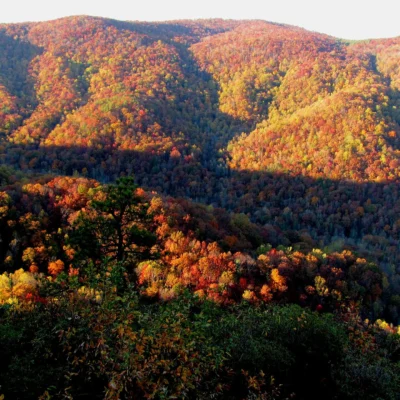
Spectacular. Fall foliage reflects in the clear water—photographically stunning. Crowds thin significantly after Labor Day. Lake levels may drop slightly but conditions remain excellent. Great hiking weather. Diving visibility often peaks in fall.
Best for: Photography, diving, hiking, solitude
❄️ Winter (December – February)
Cold but quiet. The lake is rarely crowded. Trout fishing is excellent. Villas with fireplaces make comfortable base camps. Water is cold—diving requires drysuit or heavy wetsuit. Late February brings start of Oconee Bell season.
Best for: Trout fishing, off-season adventurers, pre-bloom wildflower scouting
Practical Information
| Item | Details |
|---|---|
| 🎟️ Entry Fee | $8/adult; $5 seniors; $5/ages 6-15; free under 6 |
| 🏕️ Camping | From $20/night (tent) to $200+/night (villa) |
| 🛶 Rentals | Kayaks, canoes, paddleboards—seasonal |
| 🏪 Camp Store | Basic supplies, snacks |
| 📶 Cell Service | Limited—remote location |
Getting There
- 📍 Address: 161 Holcombe Circle, Salem, SC 29676
- 📍 From Greenville, SC: ~45 minutes northwest
- 📍 From Asheville, NC: ~1.5 hours south
- 📍 From Atlanta, GA: ~2.5 hours northeast
Frequently Asked Questions
Can I really dive to a submerged church?
Yes. The church steeple is real and remains standing underwater. It’s one of the most popular dive sites in the lake, located in 40-60 feet of water with visibility often exceeding 20 feet.
Do I need a boat to see the waterfalls?
For the waterfalls that drop directly into Lake Jocassee—yes, you need a boat or kayak. There is no land access. The park rents kayaks if you don’t have your own.
When do the Oconee Bells bloom?
Late February to mid-March, depending on weather. The Oconee Bell Nature Trail is the place to see them. Check with the park for current bloom conditions.
Is this the only way to access Lake Jocassee?
Yes. Devils Fork State Park is the only public access to Lake Jocassee. Private developments exist but have no public access.
Can I swim in Lake Jocassee?
Yes—there’s no designated swimming beach, but you can swim from boats, paddleboards, or at the small beach on Bear Cove Trail. The water is cold but refreshing.
Is scuba certification required?
Yes. This is open-water diving requiring at least Open Water certification. Advanced Open Water is recommended for the deeper sites. There are no on-site dive services.
🤿 Dive Into Another World
Devils Fork State Park offers experiences you simply cannot find elsewhere—scuba diving to a ghost town, kayaking to waterfalls that plunge directly into a crystal-clear mountain lake, hiking past one of the world’s rarest wildflowers, and camping at a site reachable only by boat. This is South Carolina’s hidden gem, and those who discover it never forget it.
📍 Address: 161 Holcombe Circle, Salem, SC 29676
📞 Phone: (864) 944-2639
🔗 Reservations: southcarolinaparks.com
Explore More South Carolina State Parks
Devils Fork State Park is one of many outstanding state parks in South Carolina. Discover more parks in our Best State Parks in South Carolina guide, or use our Park Finder to search by activity, location, or features.
More parks nearby: Keowee-Toxaway State Park is a short drive away.

⛺ Camping at Devils Fork State Park: Campgrounds & Cabins
| Campsites | 59 standard sites (RV or tent), 25 tent-only sites, and 1 boat-in campground (boat access only). No sum given for total; hookup types and RV length limits not stated. |
|---|---|
| Cabins & Lodging | 20 lakeside villas: 15 two-bed/one-bath units (up to 4 people) and 5 three-bed/two-bath units (up to 6 people). Fully furnished: linens, kitchen appliances/utensils, heat, A/C, microwave, satellite TV, high-speed internet, coffee maker, screened porch, charcoal grill, picnic table. Exclusions not stated. |
| Pets | Pets allowed only in villas 1-5 (pet-friendly villas since Jan 1, 2020); not allowed in other villas. Allowed in most outdoor areas on a leash no longer than 6 ft. |
| Reservations | reserve.southcarolinaparks.com/devils-fork; phone 1-866-345-7275 (PARK); reservations within 3 days of arrival must be made directly with the park at 864-944-2639. |
| Special sites | 1 boat-in campground (boat access only); 2 picnic shelters; Holcombe Room meeting space holds up to 25. |
Camping questions about Devils Fork State Park
Can you camp at Devils Fork State Park?
59 standard sites (RV or tent), 25 tent-only sites, and 1 boat-in campground (boat access only). No sum given for total; hookup types and RV length limits not stated.
How do you reserve a campsite at Devils Fork State Park?
reserve.southcarolinaparks.com/devils-fork; phone 1-866-345-7275 (PARK); reservations within 3 days of arrival must be made directly with the park at 864-944-2639.
Are there cabins at Devils Fork State Park?
20 lakeside villas: 15 two-bed/one-bath units (up to 4 people) and 5 three-bed/two-bath units (up to 6 people). Fully furnished: linens, kitchen appliances/utensils, heat, A/C, microwave, satellite TV, high-speed internet, coffee maker, screened porch, charcoal grill, picnic table. Exclusions not stated.
Are pets allowed at the Devils Fork State Park campground?
Pets allowed only in villas 1-5 (pet-friendly villas since Jan 1, 2020); not allowed in other villas. Allowed in most outdoor areas on a leash no longer than 6 ft.
Source: southcarolinaparks.com (verified July 2026). Details change seasonally — confirm when booking.
🐾 Dogs & Pets at Devils Fork State Park
- Pets allowed? statewide rule
- Pets are allowed in most outdoor areas of South Carolina state parks provided they are kept under physical restraint or on a leash.
- Leash rule statewide rule
- Leash no longer than six feet (or other physical restraint) required at all times
- Cabins & lodging statewide rule
- Pets are not allowed in or around lodging facilities except in designated pet-friendly units at eight parks (Barnwell, Devils Fork, Dreher Island, Hickory Knob, Lake Hartwell, Oconee, Santee, Table Rock); up to two pets under 75 pounds each; additional charge applies
- Pet fees statewide rule
- Additional charge for pet-friendly cabins/villas; no fee for day use
- Statewide exceptions statewide rule
- Park staff may require removal of noisy or dangerous pets or pets that threaten wildlife
Are dogs allowed at Devils Fork State Park?
Pets are allowed in most outdoor areas of South Carolina state parks provided they are kept under physical restraint or on a leash. Individual parks can post stricter rules — check signage on arrival.
Rules verified July 2026 via southcarolinaparks.com. More: South Carolina state parks guide · Dog rules in all 50 states compared
Park Location
Plan your gear for Devils Fork State Park
From our editorial guides, matched to this park’s activities:
Top Tours & Activities Near Greenville
 from $40
 from $50
 from $100