🌤 Weather at Oconee Station State Historic Site by season
| Spring | Summer | Fall | Winter |
|---|---|---|---|
| 37–79 °F | 63–88 °F | 37–82 °F | 29–56 °F |
Each range runs from the coldest monthly average low to the warmest monthly average high in that season (1991-2020 climate normals), measured at Walhalla, 6 mi away, elevation 980 ft. Conditions at the park can differ from the station, especially where elevation differs — check a forecast before you go.

Oconee Station SHP is a public state park in South Carolina in Oconee County. Spanning 210 acres and established in 1976, this park offers a peaceful retreat into nature for visitors of all ages.
Quick Facts
| State | South Carolina |
| County | Oconee |
| Park Size | 210 acres |
| Established | 1976 |
Location & Getting There
Oconee Station SHP is located South Carolina. The park’s coordinates are 34.8461, -83.0705.
Things to Do
South Carolina state parks stretch from the Blue Ridge Mountains to the Lowcountry coast, offering remarkable ecological diversity. Activities include hiking through misty mountain forests and along dramatic waterfall trails, swimming at Lake Jocassee and warm Atlantic beaches, kayaking through blackwater cypress swamps and tidal salt marshes, fishing for bass in piedmont reservoirs and redfish in coastal creeks, camping in Spanish moss-draped settings, biking the Palmetto Trail, bird watching for painted buntings and bald eagles, and exploring antebellum plantations and Revolutionary War battlefields.
Best Time to Visit
Spring (March–May) and fall (October–November) are ideal for most South Carolina parks, with comfortable temperatures and manageable humidity. Summer (June–August) brings intense heat and humidity inland, though coastal and mountain parks offer relief. The Upstate mountain parks stay 10-15°F cooler. Winter is mild, especially along the coast, making it excellent for hiking and birding without summer crowds. Wildflowers peak in April, and fall color in the mountains arrives in late October.
Visitor Tips
Most South Carolina state parks charge a modest admission fee of $3-$8 per adult (children under 5 free). An annual pass ($99.95) covers unlimited visits. Camping and cabin reservations can be made through southcarolinaparks.com. The state park system is known for excellent cabin and lodge accommodations. Insect repellent is essential in Lowcountry and swamp parks, especially from May through September.
Explore More South Carolina State Parks
Oconee Station SHP is one of many outstanding state parks in South Carolina. Discover more parks in our Best State Parks in South Carolina guide, or use our Park Finder to search by activity, location, or features.
Wildlife & Nature
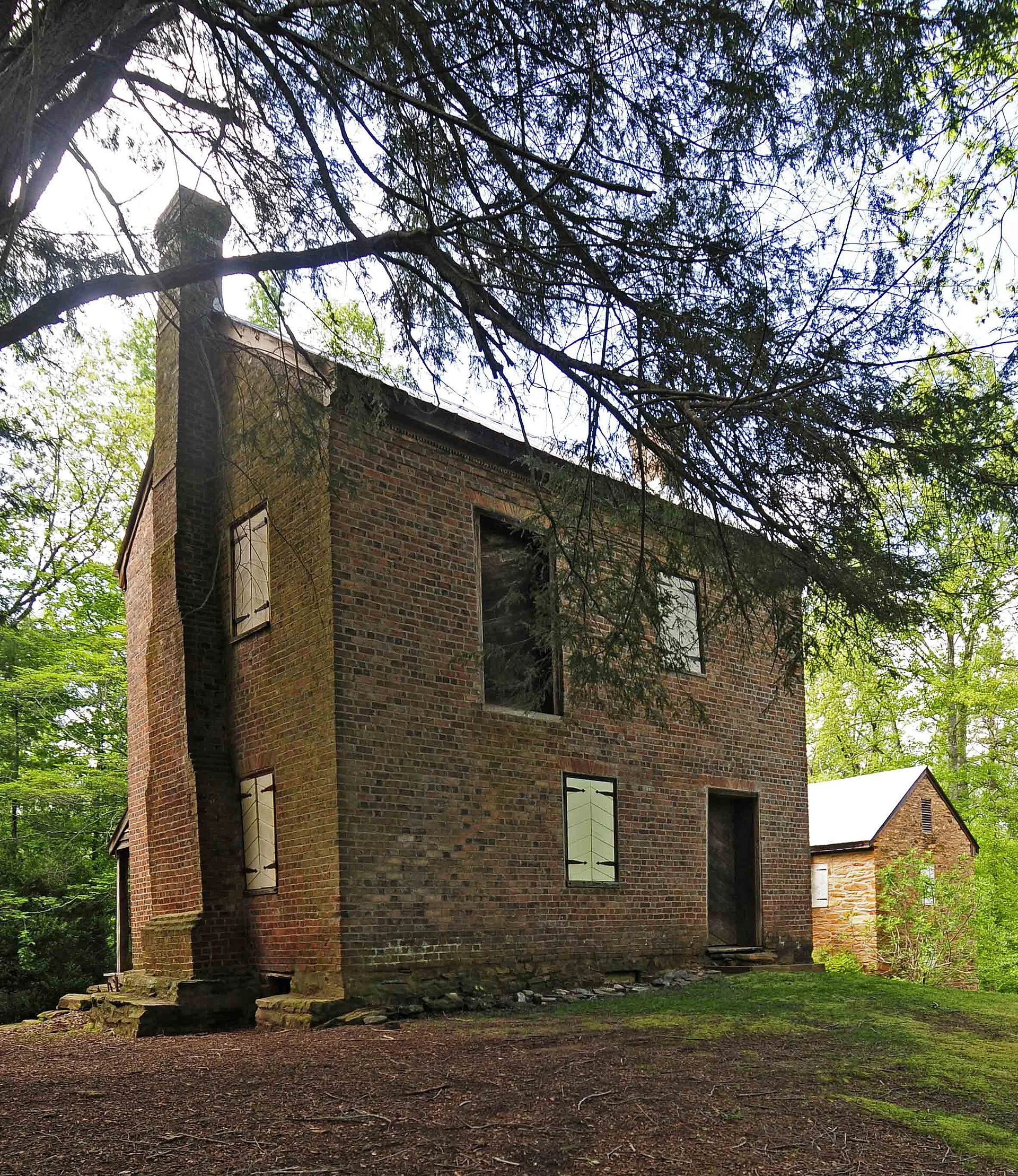
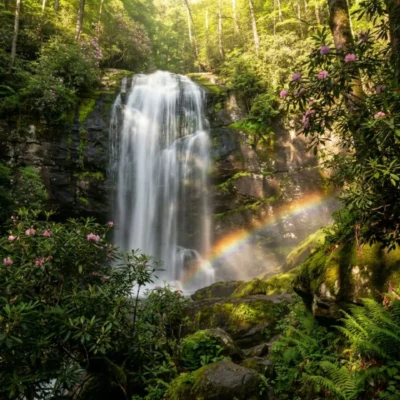
Oconee Station SHP — a late 18th-century military outpost — one of the oldest buildings in Oconee County. The Richards House (1805) and stone blockhouse are preserved. The site’s mountain forest and Station Cove Falls (60 ft) support wild turkeys, white-tailed deer, and songbirds.
Nearby Attractions
Walhalla — nearby — founded by German settlers in 1850. Oconee SP — 5 miles north. Stumphouse Tunnel — nearby.
Make it a road trip: Pair a visit with Oconee Station State Historic Site (a short drive away) or Oconee State Park (a short drive away).

🐾 Dogs & Pets at Oconee Station State Historic Site
- Pets allowed? statewide rule
- Pets are allowed in most outdoor areas of South Carolina state parks provided they are kept under physical restraint or on a leash.
- Leash rule statewide rule
- Leash no longer than six feet (or other physical restraint) required at all times
- Cabins & lodging statewide rule
- Pets are not allowed in or around lodging facilities except in designated pet-friendly units at eight parks (Barnwell, Devils Fork, Dreher Island, Hickory Knob, Lake Hartwell, Oconee, Santee, Table Rock); up to two pets under 75 pounds each; additional charge applies
- Pet fees statewide rule
- Additional charge for pet-friendly cabins/villas; no fee for day use
- Statewide exceptions statewide rule
- Park staff may require removal of noisy or dangerous pets or pets that threaten wildlife
Are dogs allowed at Oconee Station State Historic Site?
Pets are allowed in most outdoor areas of South Carolina state parks provided they are kept under physical restraint or on a leash. Individual parks can post stricter rules — check signage on arrival.
Rules verified July 2026 via southcarolinaparks.com. More: South Carolina state parks guide · Dog rules in all 50 states compared
Park Location
Plan your gear for Oconee Station State Historic Site
From our editorial guides, matched to this park’s activities:


Top Tours & Activities Near Greenville
 from $40
 from $100
 from $98