
🌤 Weather at Grand Isle State Park by season
| Spring | Summer | Fall | Winter |
|---|---|---|---|
| 55–83 °F | 74–89 °F | 52–86 °F | 45–66 °F |
Each range runs from the coldest monthly average low to the warmest monthly average high in that season (1991-2020 climate normals), measured at Galliano, 24 mi away, elevation 5 ft. Conditions at the park can differ from the station, especially where elevation differs — check a forecast before you go.

🏆 Louisiana’s Only Inhabited Barrier Island Park — Gulf beach, world-class fishing pier, migratory bird fallout, camping steps from the Gulf of Mexico
At the very end of Louisiana Highway 1, past the oil rigs and the marshes and the shrimp boats, past the last gas station and the last bait shop, the road simply runs out of land. You’ve reached Grand Isle — a narrow, seven-mile-long barrier island at the southern tip of Jefferson Parish, where the Louisiana coast dissolves into the Gulf of Mexico. And at the eastern end of this island, sheltered behind sand dunes and salt-tolerant vegetation, sits Grand Isle State Park, the southernmost point of Louisiana’s state park system and one of the most unusual outdoor destinations in the American South.
This is not a typical state park. Grand Isle State Park is a beach park on a barrier island, exposed to Gulf storms, shaped by hurricanes, and defined by the relentless dynamics of wind, water, and sand. The park’s 880 feet of Gulf beachfront, its elevated fishing pier, and its proximity to some of the most productive fishing waters in the northern Gulf make it a magnetic destination for anglers, birders, and beach lovers alike. During spring migration, the park becomes a nationally significant birding destination, as exhausted neotropical migrants make landfall on the island after crossing 600 miles of open Gulf water.
Table of Contents
Beach & Gulf Access
Grand Isle State Park provides direct access to an 880-foot stretch of Gulf of Mexico beachfront. The beach is sandy but narrower than many Florida or Alabama Gulf beaches — barrier island erosion is a constant factor. The water is warm from May through October (75–85°F), though it’s murkier than the clear waters of the Florida Panhandle due to the Mississippi River’s sediment outflow.
Swimming is permitted but not lifeguarded. Rip currents can occur, especially near jetties and during rough weather. The beach is best enjoyed for shelling, wading, walking, and watching pelicans dive-bomb baitfish just offshore. The park’s beachfront includes a designated swimming area, an observation platform, and sun shelters.
The Fishing Pier
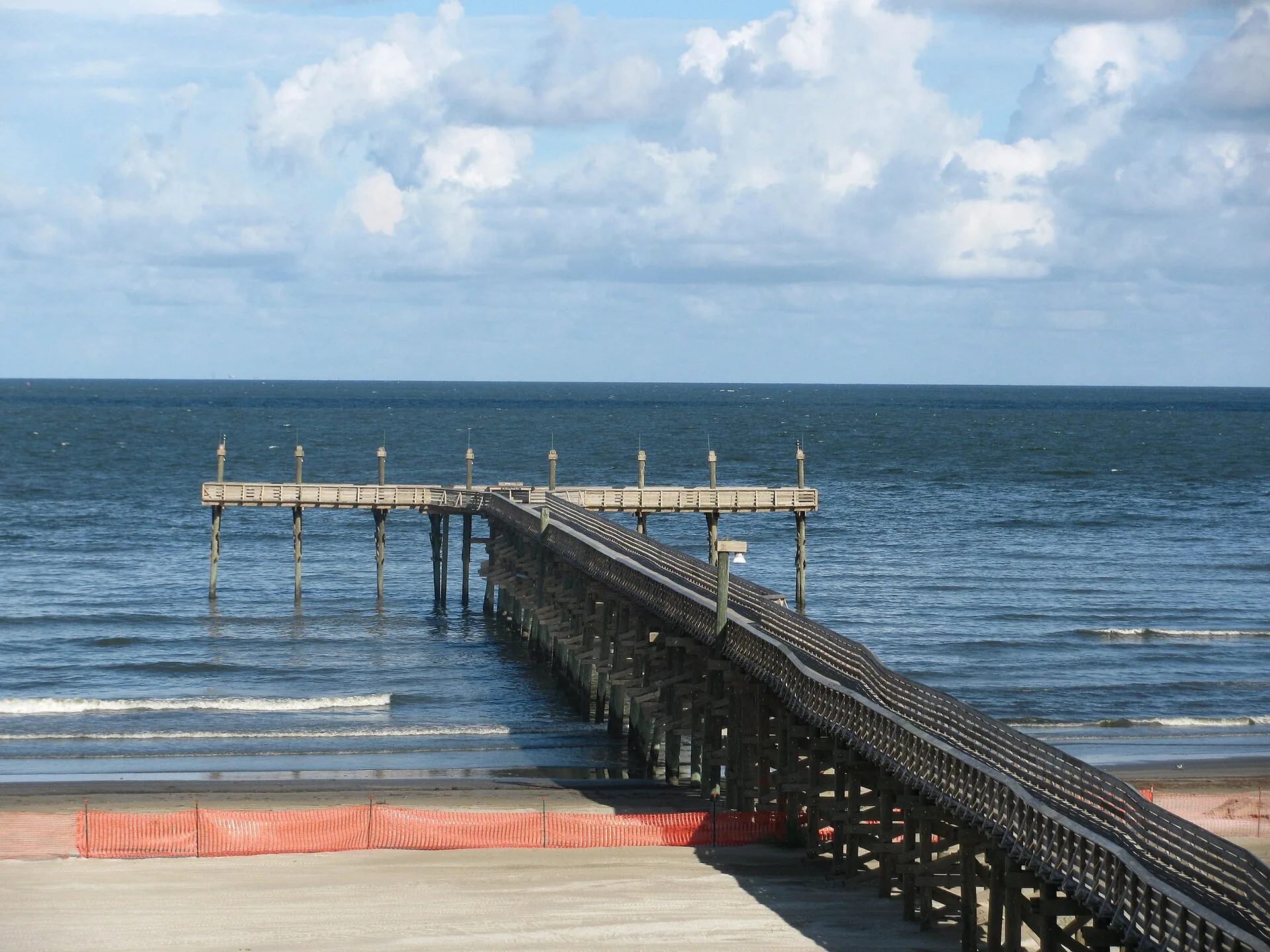
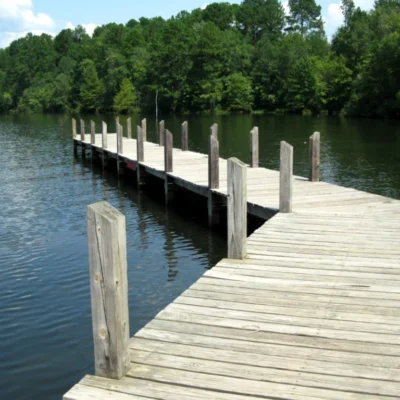
The park’s elevated fishing pier is one of the most popular features. Extending over the Gulf, the pier provides access to deeper water where speckled trout, redfish, sheepshead, and flounder can be caught year-round. The pier is lighted and accessible to anglers around the clock during open hours.
| Feature | Details |
|---|---|
| 🎣 Pier Length | Extends over Gulf waters |
| 💡 Lighting | Lighted for night fishing |
| ♿ Accessibility | ADA accessible |
| 🎫 Fee | Included with park entry |
| 🐟 Target Species | Speckled trout, redfish, sheepshead, flounder, drum |
Saltwater Fishing
Grand Isle is widely regarded as one of the best saltwater fishing destinations in Louisiana — which means one of the best in the entire Gulf of Mexico. The convergence of the Gulf’s warm waters, the nutrient-rich outflow of Barataria Bay, and the underwater structure created by oil platforms and artificial reefs creates an extraordinary fishery.
| Species | Best Season | Method | Notes |
|---|---|---|---|
| 🐟 Speckled Trout | Year-round (best fall) | Live shrimp, soft plastics | Most popular target, excellent numbers |
| 🐟 Redfish (Red Drum) | Year-round | Cut bait, live crab, gold spoons | Slot limit applies — check regulations |
| 🐟 Sheepshead | Winter–Spring | Fiddler crabs, shrimp | Structure-dependent, excellent from pier |
| 🐟 Flounder | Fall (Sept–Nov) | Live minnows, mud minnows | Target during fall flounder run |
| 🐟 Black Drum | Spring | Shrimp, crab | Large specimens common near passes |
| 🐟 Tarpon | Summer (Jul–Sep) | Live mullet, crab | Grand Isle Tarpon Rodeo — July classic event |
🏆 Grand Isle International Tarpon Rodeo
Held every July since 1928, the Grand Isle Tarpon Rodeo is the oldest fishing tournament in the United States. Anglers compete for tarpon, tuna, wahoo, and other offshore species. The event draws thousands of visitors and is a cornerstone of Grand Isle’s cultural identity. Even if you’re not competing, the rodeo weekend features live music, food, and the spectacle of massive fish being weighed at the docks.
Spring Bird Migration
Grand Isle is one of the most important neotropical migratory bird fallout sites on the Gulf Coast. Every spring (mid-March through early May), millions of songbirds — warblers, tanagers, buntings, grosbeaks, thrushes, and flycatchers — cross the Gulf of Mexico on their northward migration. When weather conditions create headwinds or storms over the Gulf, exhausted birds drop from the sky onto the first land they reach: the barrier islands of coastal Louisiana.
During a “fallout” event, Grand Isle’s trees, shrubs, and even the ground can be covered with thousands of brilliantly colored birds, many of them too exhausted to fly. It’s one of the most dramatic birdwatching spectacles in North America, attracting birders from around the world.
| Feature | Details |
|---|---|
| 🕐 Migration Peak | Mid-March to early May |
| 🦜 Key Species | Warblers (30+ species), scarlet tanagers, rose-breasted grosbeaks, indigo buntings, Baltimore orioles |
| 🌧️ Fallout Conditions | South winds shifting to north with rain over the Gulf — pushes birds down to first available land |
| 📍 Best Spots | The “Migratory Bird Habitat” area within the park, oak groves, cheniere ridges |
| 🔭 Nearby | Grand Isle Birding Trail, Lafitte Woods Preserve |
Camping
| Detail | Information |
|---|---|
| ⛺ Sites | Approximately 90 campsites (ground-level and elevated/covered) |
| 🔌 Hookups | Water and 30/50-amp electric at most sites |
| 🚻 Restrooms | Bathhouse with hot showers |
| 💰 Rates | $28–$33/night (standard); premium sites higher |
| 📋 Reservations | Recommended — book through reserveamerica.com or LA State Parks |
| 🏕️ Elevated Sites | Covered platforms raised above flood level — unique to Grand Isle |
| 🐕 Pets | Allowed on leash (not on swimming beach) |
The elevated camping platforms are one of Grand Isle’s most distinctive features. Built after Hurricane Katrina to elevate campers above storm surge and flooding, these covered platforms put you roughly 10 feet above ground with your tent or cot beneath a sturdy roof. It’s a unique camping experience — sleeping above the island with the Gulf breeze flowing through.
Wildlife & Nature
Beyond the migratory songbirds, Grand Isle supports a rich coastal ecosystem. Brown pelicans — Louisiana’s state bird — nest on nearby islands and are a constant presence, diving spectacularly into the surf. Laughing gulls, royal terns, and black skimmers patrol the beach. In the marshes and estuaries behind the island, roseate spoonbills, great egrets, and tricolored herons feed in the shallows.
The island’s waters are home to bottlenose dolphins, sea turtles (loggerheads and Kemp’s ridleys), and stingrays. Alligators inhabit the brackish marshes on the island’s bay side. In summer, ghost crabs emerge on the beach at night, and hermit crabs are common along the shore.
Hurricane Resilience
Grand Isle has been hit by virtually every major hurricane to make landfall on the Louisiana coast. Hurricane Katrina (2005), Hurricane Gustav (2008), Hurricane Isaac (2012), Hurricane Zeta (2020), and Hurricane Ida (2021) all caused significant damage to the island and the state park. Each time, the park has been rebuilt and reopened — a testament to both engineering resilience and the community’s determination to maintain this unique coastal resource.
The elevated camping platforms, reinforced infrastructure, and hurricane-rated facilities are all products of lessons learned from repeated storms. Visitors should be aware that hurricane season runs from June 1 through November 30, and the park may close temporarily for tropical weather events.
Visitor Information
| Detail | Information |
|---|---|
| 📍 Address | 108 Admiral Craik Drive, Grand Isle, LA 70358 |
| 📞 Phone | (985) 787-2559 |
| 🕐 Hours | Year-round: 6:00 AM – 9:00 PM (Sun–Thu), 6:00 AM – 10:00 PM (Fri–Sat) |
| 💰 Entry Fee | $3 per person (age 13+); free for children 12 and under |
| 🅿️ Parking | Free with entry |
| ♿ Accessibility | Fishing pier and restrooms are ADA accessible; beach access may be limited |
| 📡 Cell Service | Available (varies by carrier) |
Best Time to Visit
| Season | Weather | Best For |
|---|---|---|
| 🌸 Spring (Mar–May) | 70–85°F | Bird migration fallout, comfortable fishing, beach walks |
| ☀️ Summer (Jun–Aug) | 85–95°F, humid | Beach swimming, Tarpon Rodeo (July), offshore fishing |
| 🍂 Fall (Sep–Nov) | 70–85°F | Fall flounder run, speckled trout, cooler weather |
| ❄️ Winter (Dec–Feb) | 50–65°F | Sheepshead fishing, solitude, mild temperatures |
Spring is the premier season: comfortable temperatures, excellent fishing, and the chance to witness one of the great bird migration spectacles in North America. Avoid visiting during active tropical storm warnings (June–November).
Getting There
🚗 Driving Directions
• From New Orleans: ~100 miles south via US-90 and LA-1 (approximately 2–2.5 hours)
• From Baton Rouge: ~170 miles south via I-10 and LA-1 (approximately 3 hours)
• Key route: LA-1 south through Larose and Golden Meadow — this is the only road to Grand Isle
• Fuel & supplies: Stock up before the island. Limited grocery and fuel options on Grand Isle.
• Bridge: The Caminada Pass Bridge connects Grand Isle to the mainland — check for weather closures
More parks nearby: St. Bernard State Park is elsewhere in the state.
Frequently Asked Questions
Can you swim at Grand Isle State Park?
Yes — the park has an 880-foot Gulf beachfront with a designated swimming area. Swimming is permitted but there are no lifeguards on duty. The water is warm from May through October but murkier than typical Florida beaches due to Mississippi River sediment. Check for beach advisories before swimming.
What kind of fishing is available?
Grand Isle offers world-class saltwater fishing. The park pier provides access for speckled trout, redfish, sheepshead, flounder, and drum. The surrounding waters support offshore fishing for tarpon, tuna, and wahoo. A valid Louisiana fishing license with a saltwater stamp is required. The annual Grand Isle International Tarpon Rodeo (July) is the oldest fishing tournament in the U.S.
What is a bird fallout at Grand Isle?
A “fallout” occurs when neotropical migratory birds crossing the Gulf of Mexico encounter headwinds or storms that exhaust them, forcing them to land on the first available land — Grand Isle and other barrier islands. During a fallout, thousands of warblers, tanagers, buntings, and other songbirds can be seen in the park’s trees and shrubs, many too tired to fly. It’s one of the most spectacular birding events in North America, occurring primarily from mid-March through early May.
Is camping available?
Yes — Grand Isle has approximately 90 campsites with water and electric hookups (30/50-amp). The park features unique elevated camping platforms built after Hurricane Katrina — covered, raised structures that put your tent about 10 feet above ground. Standard sites cost $28–$33/night. Reservations are recommended, especially for weekends and spring migration season.
Is Grand Isle safe during hurricane season?
Grand Isle is a barrier island in the Gulf of Mexico and is directly exposed to tropical storms and hurricanes (June 1–November 30). The park has been impacted by multiple major hurricanes, including Katrina, Ida, and Zeta. The park may close for approaching storms. Monitor weather forecasts and follow evacuation orders. If you’re camping during hurricane season, have an evacuation plan and keep emergency supplies ready.
How far is Grand Isle from New Orleans?
Grand Isle State Park is approximately 100 miles south of New Orleans, about a 2–2.5 hour drive via US-90 and LA-1. The drive takes you through Cajun country, past shrimp boats and oil infrastructure, and across the marshes of Barataria Bay. LA-1 is the only road to the island, so plan for potential delays if there’s construction or weather.
Do I need a boat to fish?
No — the park’s fishing pier provides excellent shore-based fishing access. You can also fish from the beach or the jetties. However, a boat dramatically expands your options for accessing offshore fishing grounds, bay fishing in Barataria Bay, and targeting marsh-dwelling redfish. Charter boats are available from Grand Isle marinas for offshore and inshore trips.
🎣 Experience Grand Isle State Park
Fish from a Gulf pier, camp on elevated platforms above the dunes, watch thousands of migratory birds make landfall, and experience Louisiana’s only inhabited barrier island state park.
🗺️ Official Park Information ⚜️ Explore LouisianaExplore More Louisiana State Parks
Grand Isle State Park is one of many outstanding state parks in Louisiana. Discover more parks in our Best State Parks in Louisiana guide, or use our Park Finder to search by activity, location, or features.

🐾 Dogs & Pets at Grand Isle State Park
- Pets allowed? statewide rule
- Pets are welcome on trails and in outdoor spaces at Louisiana state parks provided they are on a leash no more than 6 feet long, caged or crated.
- Leash rule statewide rule
- 6 ft maximum leash required (or caged/crated)
- Beaches & swim areas statewide rule
- Pets (except service animals) are prohibited in swimming areas
- Cabins & lodging statewide rule
- Dogs are permitted in designated pet-friendly cabins at 16 parks for a $40-per-dog surcharge, max two dogs per cabin; at least half of all cabins remain pet-free; proof of vaccinations required
- Pet fees statewide rule
- No day-use pet fee; $40 per dog per stay in pet-friendly cabins
- Statewide exceptions statewide rule
- Pets banned from group camps and other enclosed structures
Are dogs allowed at Grand Isle State Park?
Pets are welcome on trails and in outdoor spaces at Louisiana state parks provided they are on a leash no more than 6 feet long, caged or crated. Individual parks can post stricter rules — check signage on arrival.
Rules verified July 2026 via lastateparks.com. More: Louisiana state parks guide · Dog rules in all 50 states compared
Park Map
Plan your gear for Grand Isle State Park
From our editorial guides, matched to this park’s activities:
Top Tours & Activities Near New Orleans
 from $27
 from $535
 from $35