🌤 Weather at Harriet Tubman Underground Railroad State Park by season
| Spring | Summer | Fall | Winter |
|---|---|---|---|
| 36–78 °F | 63–90 °F | 38–82 °F | 28–51 °F |
Each range runs from the coldest monthly average low to the warmest monthly average high in that season (1991-2020 climate normals), measured at Vienna, 17 mi away, elevation 10 ft. Conditions at the park can differ from the station, especially where elevation differs — check a forecast before you go.


🏆 Where Freedom Began — The Eastern Shore landscape where Harriet Tubman was born, enslaved, and launched her legendary Underground Railroad missions
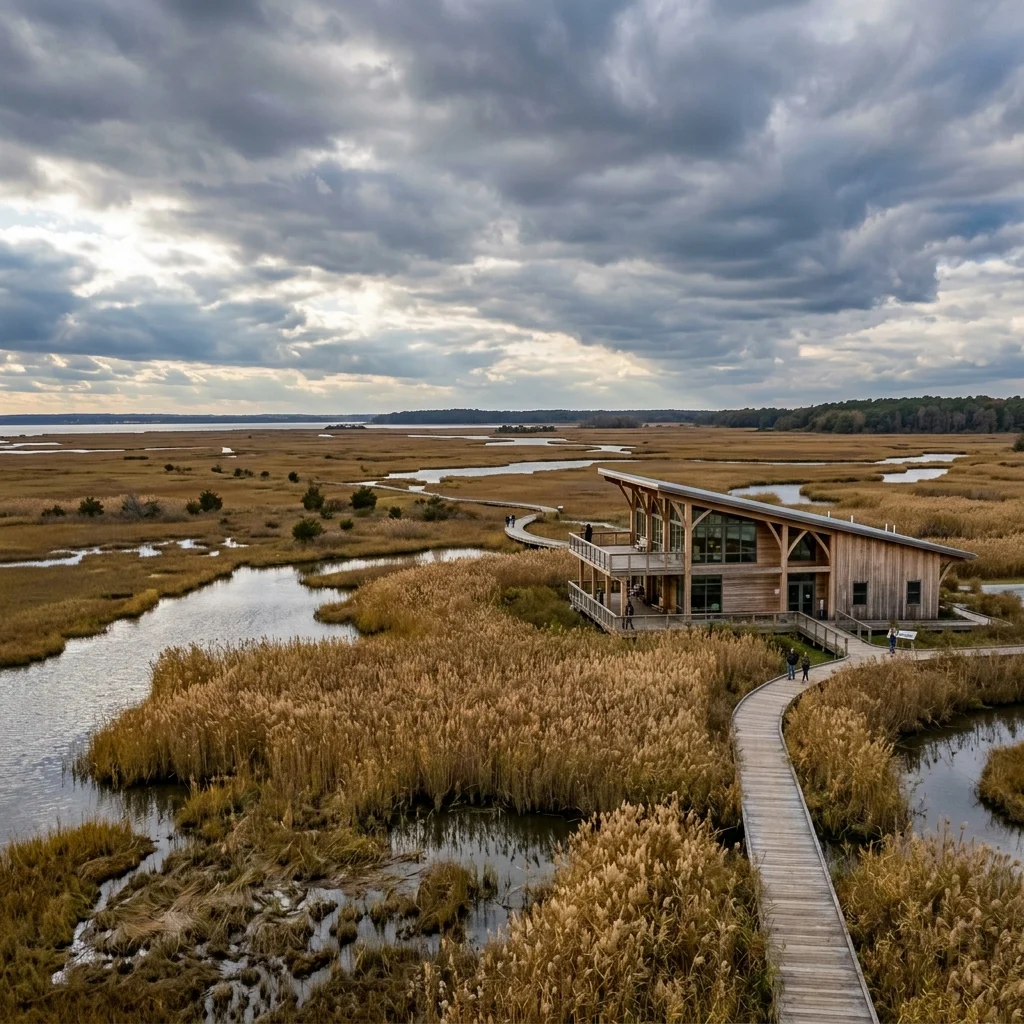
On the flat, marshy Eastern Shore of Maryland, where the Blackwater River winds through vast tidal wetlands and the sky stretches endlessly above the Chesapeake lowlands, a landscape of profound historical significance lies hidden in plain sight. This is Dorchester County — the birthplace of Harriet Tubman, the most famous conductor on the Underground Railroad, who escaped slavery in 1849 and returned at least 13 times to lead approximately 70 enslaved people to freedom.
Harriet Tubman Underground Railroad State Park, opened in 2017, preserves and interprets the landscape that shaped Tubman’s extraordinary life. Combined with the adjacent Harriet Tubman Underground Railroad Visitor Center (operated by the National Park Service), this site provides a deeply moving experience that places Tubman’s story in its physical and ecological context — the same marshes, forests, and waterways she navigated by starlight on her freedom journeys.
Table of Contents
Harriet Tubman’s Story
📜 Harriet Tubman Timeline
• c. 1822: Born Araminta Ross in Dorchester County, Maryland
• 1849: Escapes slavery, traveling ~90 miles north to Philadelphia
• 1850–1860: Returns 13 times to lead ~70 people to freedom via the Underground Railroad
• 1858: Moves operations to Auburn, New York
• 1861–1865: Serves the Union Army as spy, scout, nurse, and raid leader
• 1863: Leads the Combahee River Raid — first woman to lead an armed assault during the Civil War, freeing 700+ enslaved people
• 1913: Dies in Auburn, New York at approximately age 91
Visitor Center
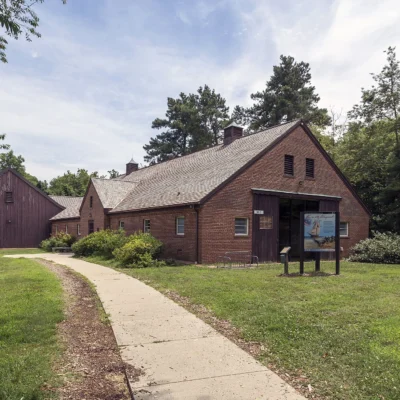
The Harriet Tubman Underground Railroad Visitor Center is a 25,000-square-foot facility with interactive exhibits, films, and artifacts documenting Tubman’s life, the Underground Railroad network, and the broader context of American slavery and resistance. The exhibits use multimedia, oral history, and the actual landscape visible through the center’s windows to create an immersive experience.
| Feature | Details |
|---|---|
| 🏛️ Size | 25,000 sq ft visitor center |
| 🎬 Film | “The Battle for Freedom” — 20-minute introductory film |
| 📖 Exhibits | Interactive galleries on Tubman’s life, Underground Railroad, and Eastern Shore history |
| 🎧 Audio | Audio narratives using Tubman’s own recorded words and descriptions |
| 🏪 Shop | Bookstore with Tubman-related literature and gifts |
Harriet Tubman Byway
The Harriet Tubman Underground Railroad Byway is a 125-mile self-guided driving tour connecting more than 30 sites associated with Tubman and the Underground Railroad across Dorchester and Caroline counties. Key stops include:
| Site | Significance |
|---|---|
| Brodess Farm Site | Where Tubman was enslaved as a child |
| Bucktown Village Store | Where Tubman was struck in the head as a teenager, causing lifelong seizures |
| Jacob Jackson’s Home Site | Where Tubman sent coded letters to coordinate escapes |
| Stewart’s Canal | Waterway Tubman navigated during freedom journeys |
| Blackwater NWR | The landscape Tubman knew — marshes, forests, waterways she traversed |
The Landscape
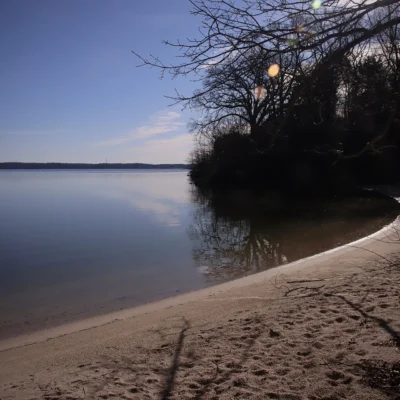
Understanding Tubman’s story requires understanding the landscape. The Eastern Shore of Maryland in the 1800s was a world of tidal marshes, dense forests, navigable waterways, and isolated farms — a landscape where knowledge of the terrain, the stars, and the tides was the difference between capture and freedom. Tubman’s intimate knowledge of these marshes and waterways — gained from years of forced labor in the fields and forests — became her greatest asset.
Blackwater Wildlife Refuge
Adjacent to the state park, Blackwater National Wildlife Refuge protects 28,000 acres of the same tidal marsh landscape that Tubman navigated. Today it’s one of the premier birdwatching destinations on the Eastern Seaboard — home to bald eagles, great blue herons, and thousands of migrating waterfowl.
Visitor Information
| Detail | Information |
|---|---|
| 📍 Address | 4068 Golden Hill Road, Church Creek, MD 21622 |
| 📞 Phone | (410) 221-2290 |
| 🕐 Hours | Daily 9:00 AM – 5:00 PM (closed Thanksgiving, Christmas, New Year’s) |
| 💰 Admission | Free |
| ⏱️ Duration | 1.5–3 hours (visitor center + byway driving adds a full day) |
| 📡 Cell Service | Limited in rural areas along byway |
Best Time to Visit
| Season | Weather | Best For |
|---|---|---|
| 🌸 Spring (Mar–May) | 55–75°F | Comfortable touring, migratory birds at Blackwater |
| ☀️ Summer (Jun–Aug) | 80–90°F | Full hours, all exhibits open |
| 🍂 Fall (Sep–Nov) | 50–70°F | Eagle season begins, waterfowl migration, fall colors |
| ❄️ Winter (Dec–Feb) | 30–50°F | Peak bald eagle viewing at Blackwater |
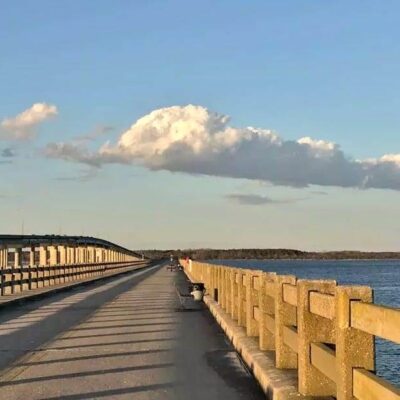
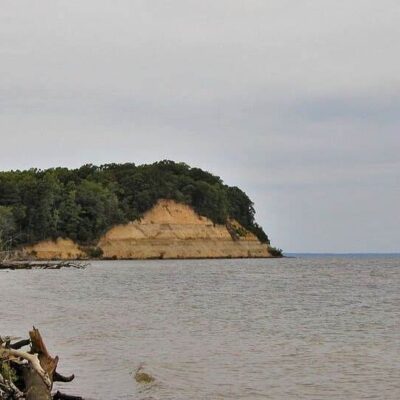
Keep exploring: The closest neighbors are Bill Burton Fishing Pier State Park (a short drive away) and Calvert Cliffs State Park (within about an hour’s drive).
Frequently Asked Questions
Is there an admission fee?
No — the Harriet Tubman Underground Railroad State Park and Visitor Center are free to visit.
How long should I plan for a visit?
Allow 1.5–3 hours for the visitor center and its exhibits. If you drive the 125-mile Harriet Tubman Byway connecting 30+ historic sites, plan for a full day.
Is Blackwater NWR nearby?
Yes — Blackwater National Wildlife Refuge is adjacent to the state park. It protects 28,000 acres of the same tidal marsh landscape Tubman navigated. It’s one of the best birdwatching locations on the East Coast, especially for bald eagles (winter) and migratory waterfowl (fall).
Where was Harriet Tubman born?
Tubman was born as Araminta Ross around 1822 in Dorchester County, Maryland — the same area where the state park is located. The exact birth site is not preserved, but several sites associated with her childhood and enslavement are accessible along the Harriet Tubman Byway.
Can you drive the Underground Railroad Byway?
Yes — the 125-mile self-guided driving tour connects 30+ sites across Dorchester and Caroline counties. Maps are available at the visitor center. Key stops include the Brodess Farm, Bucktown Store, and Stewart’s Canal.
Is this a National Park or State Park?
Both — the site is cooperatively managed. The state park (Maryland DNR) and the visitor center (National Park Service, as part of the Harriet Tubman Underground Railroad National Historical Park) share the site.
Is it appropriate for children?
Yes — the exhibits are educational and appropriate for all ages, though the subject matter (slavery, escape, violence) is serious. The visitor center offers age-appropriate programs and junior ranger activities through the NPS.
🕊️ Visit Harriet Tubman Underground Railroad State Park
Walk the landscape of freedom, explore the visitor center, drive the Underground Railroad Byway, and honor one of the most courageous Americans who ever lived.
🗺️ Maryland DNR 🏛️ NPS Visitor CenterExplore More Maryland State Parks
Harriet Tubman Underground Railroad State Park is one of many outstanding state parks in Maryland. Discover more parks in our Best State Parks in Maryland guide, or use our Park Finder to search by activity, location, or features.

🐾 Dogs & Pets at Harriet Tubman Underground Railroad State Park
- Pets allowed? statewide rule
- Maryland state parks welcome leashed pets, but where they may go is set park by park under the Maryland Park Service Pet Policy — check each park's designated pet areas.
- Leash rule statewide rule
- 6 ft maximum in designated pet areas and 10 ft in undeveloped areas; off-leash under voice control only while swimming in designated areas
- Beaches & swim areas statewide rule
- At most parks pets are barred from sandy swim beaches from Memorial Day weekend through Labor Day; many parks allow shoreline swimming outside the swim beach
- Cabins & lodging statewide rule
- Most cabins are pet-free, but select parks designate pet-friendly cabins (e.g. Herrington Manor cabins 1-10, New Germany cabins 3-7)
- Statewide exceptions statewide rule
- Pets not allowed in park buildings or playgrounds; pets must be licensed and vaccinated
Are dogs allowed at Harriet Tubman Underground Railroad State Park?
Maryland state parks welcome leashed pets, but where they may go is set park by park under the Maryland Park Service Pet Policy — check each park's designated pet areas. Individual parks can post stricter rules — check signage on arrival.
Rules verified July 2026 via dnr.maryland.gov. More: Maryland state parks guide · Dog rules in all 50 states compared
Park Location
Plan your gear for Harriet Tubman Underground Railroad State Park
From our editorial guides, matched to this park’s activities: