🌤 Weather at Jefferson Patterson Park and Museum by season
| Spring | Summer | Fall | Winter |
|---|---|---|---|
| 33–74 °F | 61–85 °F | 36–77 °F | 25–48 °F |
Each range runs from the coldest monthly average low to the warmest monthly average high in that season (1991-2020 climate normals), measured at Mechanicsville 5 NE, 12 mi away, elevation 100 ft. Conditions at the park can differ from the station, especially where elevation differs — check a forecast before you go.

🏆 Maryland — 560-acre archaeological preserve on the Patuxent River — over 70 identified archaeological sites spanning 9,000 years! The museum houses Maryland’s state archaeology collections. The property was donated by Mary Marvin Breckinridge Patterson, a WWII correspondent.
Visitor Information
| Detail | Info |
|---|---|
| Location | Maryland |
About Jefferson Patterson
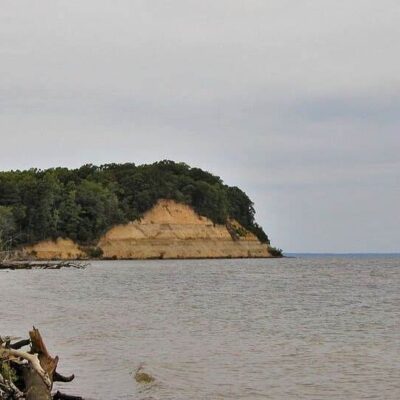
Jefferson Patterson Park and Museum in Calvert County preserves 560 acres along the Patuxent River where 9,000 years of human history have been documented through archaeology. Over 70 archaeological sites span from Paleo-Indian camps through colonial plantations. The park serves as the Maryland Archaeological Conservation Laboratory — housing over 8 million artifacts from across the state. The War of 1812 Patuxent River flotilla battle occurred in these waters.
Things to Do
Touring the archaeology lab (8 million artifacts), walking the 2.5-mile farm trail, visiting reconstructed Native American sites, attending cultural festivals, canoeing the Patuxent River, and exploring 9,000 years of Maryland history.
History & Ecology
The park’s archaeological collection spans every era of Maryland habitation — from Paleo-Indian spear points to 18th-century plantation artifacts. The MAC Lab processes and stores artifacts from across the state using museum-grade conservation techniques. Annual Celtic Festival (April) and Indian Market (October) draw thousands of visitors. The 2.5-mile Farm Trail passes historic farm buildings and river overlooks.
Insider Tips
Archaeological treasure: Jefferson Patterson Park contains 70+ archaeological sites spanning 9,000 years — one of the richest archaeological landscapes on the East Coast. Pro tip: The Maryland Archaeological Conservation Laboratory here houses 8+ million artifacts — the state’s central repository. War of 1812: The Battle of St. Leonard Creek (1814) was fought in waters visible from the park.
Best Time to Visit
Summer: Archaeology programs and river views. Fall: Comfortable touring. Spring: Wildflowers and birding. Year-round: Museum open.
Frequently Asked Questions
What artifacts were found here?
The park’s 70+ sites span from Paleo-Indian (9,000 years ago) through Colonial periods. Artifacts include stone tools, pottery, colonial ceramics, and Civil War-era items. The Maryland Archaeological Conservation Lab on-site houses 8+ million artifacts from across the state — one of the largest archaeological collections in the US. Public programs let visitors participate in real archaeological excavations.
Keep exploring: The closest neighbors are Calvert Cliffs State Park (a short drive away) and Greenwell State Park (a short drive away).
Wildlife & Nature
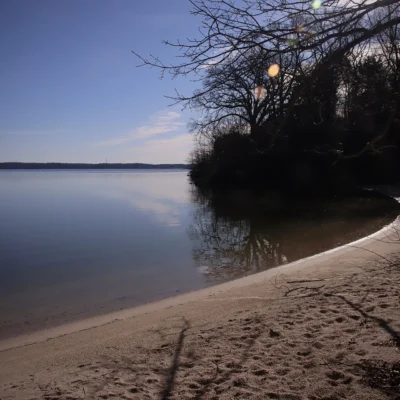
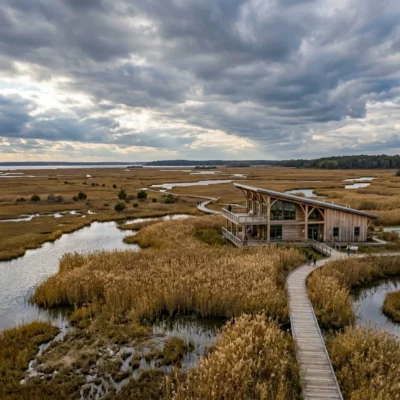
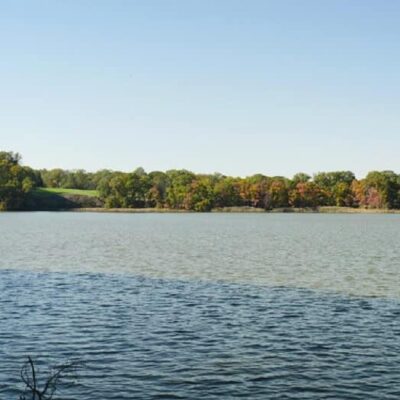
Jefferson Patterson Park — 560 acres on the Patuxent River. The park’s river, fields, forest, and archaeological sites support ospreys, bald eagles, and diamondback terrapins. Over 70 archaeological sites spanning 12,000 years of human history — Maryland’s state museum of archaeology.
Nearby Attractions
St. Leonard — adjacent. Calvert County — surrounding. Chesapeake Bay — nearby.

🐾 Dogs & Pets at Jefferson Patterson Park and Museum
- Pets allowed? statewide rule
- Maryland state parks welcome leashed pets, but where they may go is set park by park under the Maryland Park Service Pet Policy — check each park's designated pet areas.
- Leash rule statewide rule
- 6 ft maximum in designated pet areas and 10 ft in undeveloped areas; off-leash under voice control only while swimming in designated areas
- Beaches & swim areas statewide rule
- At most parks pets are barred from sandy swim beaches from Memorial Day weekend through Labor Day; many parks allow shoreline swimming outside the swim beach
- Cabins & lodging statewide rule
- Most cabins are pet-free, but select parks designate pet-friendly cabins (e.g. Herrington Manor cabins 1-10, New Germany cabins 3-7)
- Statewide exceptions statewide rule
- Pets not allowed in park buildings or playgrounds; pets must be licensed and vaccinated
Are dogs allowed at Jefferson Patterson Park and Museum?
Maryland state parks welcome leashed pets, but where they may go is set park by park under the Maryland Park Service Pet Policy — check each park's designated pet areas. Individual parks can post stricter rules — check signage on arrival.
Rules verified July 2026 via dnr.maryland.gov. More: Maryland state parks guide · Dog rules in all 50 states compared
Park Location
Plan your gear for Jefferson Patterson Park and Museum
From our editorial guides, matched to this park’s activities: