🌤 Weather at Iao Valley State Park by season
| Spring | Summer | Fall | Winter |
|---|---|---|---|
| 64–80 °F | 69–84 °F | 68–84 °F | 63–79 °F |
Each range runs from the coldest monthly average low to the warmest monthly average high in that season (1991-2020 climate normals), measured at Puu-O-Hoku Ranch 542.1, 22 mi away, elevation 674 ft. Conditions at the park can differ from the station, especially where elevation differs — check a forecast before you go.

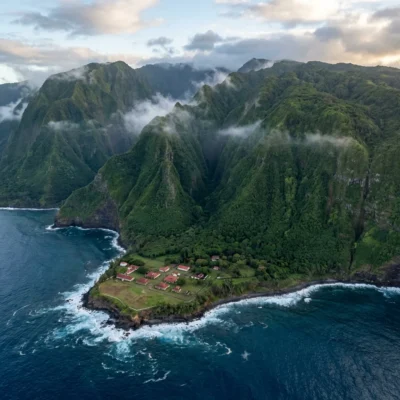
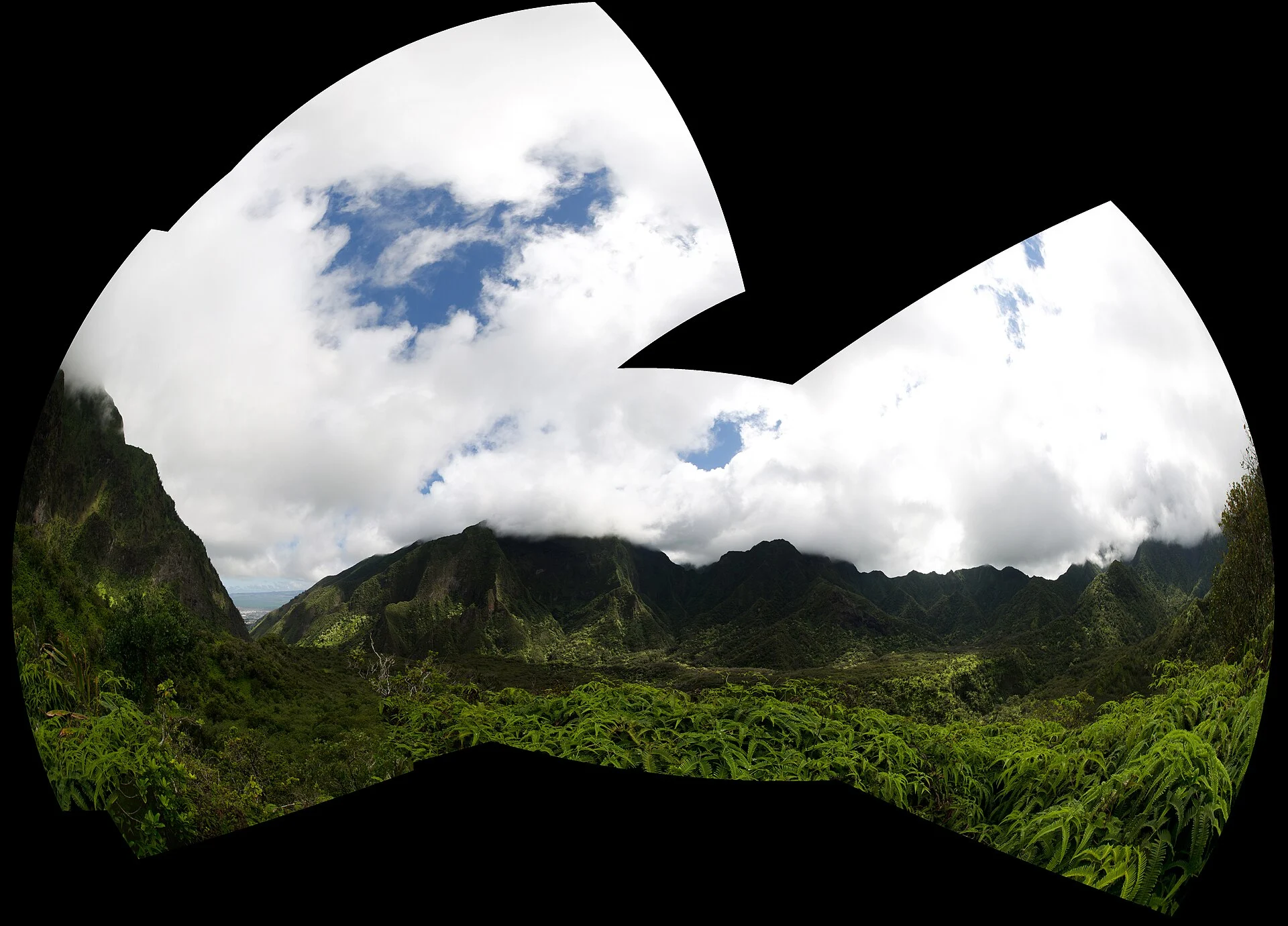
ʻĪao Valley State Monument is one of Maui’s most revered natural and cultural landmarks — a lush, mist-shrouded valley carved into the West Maui Mountains that draws hundreds of thousands of visitors each year. Often called Iao Valley State Park, this 4,000-acre National Natural Landmark is home to the iconic ʻĪao Needle, a 1,200-foot moss-covered rock formation rising from the valley floor. But beyond its Instagram-worthy scenery, ʻĪao Valley holds centuries of Hawaiian history, sacred burial grounds, and one of the bloodiest battles in the islands’ past.
Whether you’re spending a morning exploring the short paved trails with family, immersing yourself in Hawaiian culture at the ethnobotanical garden, or simply soaking in the emerald-green rainforest vistas, ʻĪao Valley is a must-visit stop on any Maui itinerary. This comprehensive guide covers everything you need to plan your visit in 2026 — from reservation requirements and fees to historical context, trail details, wildlife, and insider tips.
Quick Facts at a Glance
| Official Name | ʻĪao Valley State Monument |
| Location | Central Maui, Hawaii (3 miles from Wailuku) |
| Size | 4,000 acres |
| Designation | National Natural Landmark (1972) |
| Hours | Daily 7:00 AM – 6:00 PM (last entry 5:00 PM) |
| Entry Fee | $5/person (non-resident); Free for Hawaii residents |
| Parking Fee | $10/vehicle (non-resident); Free for residents |
| Reservation Required | Yes — non-residents must book online in advance |
| Average Visit Duration | 1–2 hours |
| Coordinates | 20.8833° N, 156.5469° W |
History & Cultural Significance
ʻĪao Valley is far more than a scenic viewpoint — it is one of the most culturally significant sites in all of Hawaii. For centuries, the valley served as a sacred burial ground for Hawaiian chiefs and royalty, where ancient priests performed religious ceremonies connected to Kanaloa, the Hawaiian god of the ocean and the underworld. Hawaiians believed the valley formed a direct bridge between the human and divine worlds.
The Battle of Kepaniwai (1790)
The valley’s history took a dramatic turn in June 1790, when it became the site of one of the bloodiest battles in Hawaiian history. Kamehameha I, who would later unify all the Hawaiian Islands, led approximately 1,200 warriors from the Big Island to invade Maui. While Maui’s ruler Chief Kahekili II was away on Oʻahu, Kamehameha’s forces landed in Kahului and advanced deep into ʻĪao Valley.
For two days, fierce hand-to-hand combat raged with neither side gaining a clear advantage. On the third day, Kamehameha unleashed a decisive weapon the Maui warriors had never seen: two Western cannons named “Lopaka” and “Kalola”, operated by his foreign military advisors John Young and Isaac Davis. In the narrow confines of the valley, the cannon fire was devastating.
The carnage was so severe that the bodies of fallen warriors dammed Iao Stream, causing the water to run red with blood. This gave the battle its haunting name: “Kepaniwai” — meaning “the damming of the waters.” While Kamehameha didn’t immediately secure Maui (Chief Kahekili later reclaimed the island), the battle marked a turning point that led to the eventual unification of the Hawaiian Kingdom in 1810.
The ʻĪao Needle (Kūkaʻemoku)
The valley’s most iconic landmark is the ʻĪao Needle (Hawaiian: Kūkaʻemoku), a dramatic 1,200-foot volcanic remnant that rises sharply from the valley floor. Despite its name, the Needle is not a free-standing spire — it’s actually a ridge covered in thick vegetation that simply appears needle-like from the main viewpoint. In Hawaiian legend, Kūkaʻemoku was the son of ʻĪao Valley and the goddess Hina, turned to stone and left to guard the valley eternally.
The Rainforest Ecosystem
ʻĪao Valley is a living example of Hawaii’s incredible biodiversity. Nestled in the eroded caldera of Maui’s oldest volcano (the West Maui Mountains), the valley receives an astonishing 386 inches (9.8 meters) of rainfall per year at its headwaters — making it the second-wettest spot in all of Hawaii. This near-constant moisture creates a dense tropical rainforest that blankets the valley in every shade of green imaginable.
Native Plants
While much of the valley floor now hosts introduced species, the Puʻu Kukui watershed above the valley preserves a native cloud forest of ʻōhiʻa lehua and koa trees — the backbone of Hawaiian native forests. The park’s ethnobotanical garden near the entrance showcases plants historically cultivated by Hawaiians, including:
- Kalo (taro) — the staple food of ancient Hawaii, considered the “elder brother” of mankind in Hawaiian creation stories
- Ti plants — used for wrapping food, making leis, and spiritual protection
- ʻUlu (breadfruit) — a vital food source throughout Polynesia
- Rainbow eucalyptus — with its multicolored, peeling bark (introduced species)
- Bamboo orchids and plumeria — adding tropical fragrance to the garden paths
Wildlife & Birding
ʻĪao Valley is an excellent birdwatching destination, home to several native Hawaiian honeycreepers:
- ʻIʻiwi — brilliant scarlet bird with a curved bill, one of Hawaii’s most recognizable species
- ʻApapane — crimson-feathered honeycreeper commonly seen in ʻōhiʻa trees
- ʻAmakihi — olive-green bird and one of the more adaptable Hawaiian honeycreepers
- Maui Parrotbill — critically endangered species found only on Maui
- White-tailed Tropicbird — elegant seabird occasionally spotted soaring above the valley
The valley also shelters the Kamehameha butterfly (Hawaii’s state insect), the endangered ʻōpaeʻula (Hawaiian freshwater shrimp), and the Hawaiian hoary bat — Hawaii’s only native land mammal.
Trails & Things to Do
ʻĪao Needle Lookout Trail
The park’s signature trail is a 0.6-mile paved path that climbs approximately 200 feet in elevation to a panoramic viewpoint overlooking the ʻĪao Needle and the surrounding valley. The trail includes well-maintained stairs and railings, and most visitors complete it in 20–30 minutes. It’s suitable for all fitness levels, including families with strollers and wheelchair users (though the final viewpoint stairs are steep).
Pro tip: Arrive as early as possible (ideally by 7:00 AM opening) to see the Needle before clouds typically roll in by mid-morning. Morning light also provides the best photography conditions.
Ethnobotanical Garden Loop
Near the parking area, a short, easy loop trail winds through a curated garden of native Hawaiian plants and Polynesian-introduced species. Interpretive signs explain the traditional uses of each plant in Hawaiian culture — from food and medicine to religious ceremony. This is an excellent educational stop, especially for families.
ʻĪao Stream Nature Walk
A brief nature loop near ʻĪao Stream offers a peaceful walk beneath the rainforest canopy. While swimming in ʻĪao Stream is possible, it is strongly discouraged due to slippery rocks, fast-flowing currents, and the risk of flash flooding — a real danger in one of Hawaii’s wettest valleys.
Kepaniwai Park & Heritage Gardens
Located just a few minutes down the road from the main monument, Kepaniwai Park Heritage Gardens is a free, lovely park that celebrates Maui’s multicultural heritage. Gardens representing Hawaiian, Chinese, Japanese, Portuguese, Filipino, and Korean cultures feature traditional architecture, plantings, and cultural markers. It’s a perfect complement to your ʻĪao Valley visit.
Reservations, Hours & Fees (2026)
Do I Need a Reservation?
Yes — all non-Hawaii residents must make an online reservation in advance. This system was implemented to manage overcrowding and protect this sensitive natural and cultural site. Reservations can be booked up to 30 days in advance through the Hawaii State Parks reservation system.
Important: You must arrive within the first 30 minutes of your reserved time slot. Late arrivals may be denied entry without a refund.
Fees Breakdown
| Fee Type | Non-Residents | Hawaii Residents |
| Entry (per person, age 3+) | $5.00 | Free |
| Parking (per vehicle) | $10.00 | Free |
| Commercial Vehicle (7-15 pax) | $25.00 | — |
| Commercial Vehicle (16-25 pax) | $50.00 | — |
| Commercial Vehicle (26+ pax) | $90.00 | — |
Hawaii residents receive free entry and parking with a valid Hawaii State ID or driver’s license. If visiting with non-resident guests, residents must still purchase “entry only” tickets for their non-resident companions.
Hours
- Park Hours: Daily 7:00 AM – 6:00 PM
- Last Parking Entry: 4:30 PM
- Last Walking Entry: 5:00 PM
- Open: 365 days a year (may close for severe weather or flash flooding)
How to Get There
ʻĪao Valley State Monument is located in Central Maui, just a few miles from the historic town of Wailuku.
Driving Directions from Kahului
- From Kahului Airport (OGG), head west on Highway 32 (Kaʻahumanu Avenue)
- The road becomes Main Street as you enter Wailuku
- At the fork, bear right onto ʻĪao Valley Road (Highway 320)
- Follow the road approximately 3 miles directly to the park entrance
Drive time: About 15 minutes from Kahului Airport. Parking is limited — arrive early or consider carpooling to reduce costs and guarantee a spot.
Getting There Without a Car
- Taxi from Kahului: $20–$30
- Taxi from Wailuku: $15–$22
- Ride-share: Uber/Lyft available on Maui (though wait times can be long for pickup at ʻĪao Valley)
- Tour groups: Several Maui tour operators include ʻĪao Valley in half-day Central Maui tours
⚠️ Warning: Illegal parking along ʻĪao Valley Road is strictly prohibited and may result in your vehicle being towed. Use only the designated parking lot.
Insider Tips for Your Visit
- Book your reservation immediately — popular time slots (especially mornings) sell out fast, particularly during peak tourist season (December–April)
- Arrive at 7:00 AM — beat the crowds, see the Needle before clouds form, and enjoy the best light for photos
- Bring a light rain jacket — this is one of the wettest places in Hawaii. Quick afternoon showers are almost guaranteed
- Wear shoes with good grip — the paved trail can be slippery when wet (which is most of the time)
- Combine with Wailuku town — after your visit, explore Wailuku’s charming main street for local eateries and shops
- Visit Kepaniwai Park — it’s free and located right on the road back from ʻĪao Valley
- Dogs are not allowed on the ʻĪao Needle Lookout Trail
- Restrooms available at the parking area and along the trail
- Plan 1–2 hours — most visitors find this is plenty of time for the trails, garden, and viewpoints
- Don’t skip the ethnobotanical garden — it’s a hidden gem that most visitors walk right past
Best Time to Visit
ʻĪao Valley can be visited year-round, but conditions vary:
| Season | Conditions | Crowds |
| Winter (Dec–Feb) | Coolest temps (65–75°F), more rain, lush greenery | Peak tourist season — book early |
| Spring (Mar–May) | Moderate weather, occasional rain, wildflowers | Moderate |
| Summer (Jun–Aug) | Warmest (75–85°F), afternoon showers common | High — family travel season |
| Fall (Sep–Nov) | Driest relative period, warm temps | Lowest — best for avoiding crowds |
Best overall: Visit in September or October for the best combination of good weather, fewer crowds, and easy reservation availability.
Nearby Attractions
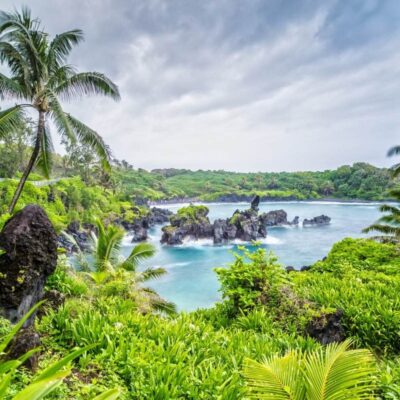
- Waiʻānapanapa State Park — famous black sand beach on the Road to Hana (52 miles east)
- Haleakalā National Park — watch sunrise above the clouds at 10,023 feet elevation
- Maui Ocean Center — world-class aquarium in Māʻalaea (20 minutes south)
- Kepaniwai Park Heritage Gardens — free multicultural garden on ʻĪao Valley Road
- Wailuku Historic District — art galleries, local restaurants, and historic architecture
Frequently Asked Questions
Is ʻĪao Valley worth visiting?
Absolutely. Even if you only have 1–2 hours, the combination of stunning natural scenery, deep Hawaiian history, and easy paved trails makes ʻĪao Valley one of Maui’s most rewarding short excursions. It’s one of the few places in Hawaii where dramatic volcanic landscapes, dense rainforest, and culturally significant sites converge in a single accessible location.
Can I visit ʻĪao Valley without a reservation?
Hawaii residents with valid state ID can visit without a reservation. All non-residents must book online in advance. Walk-up entry for non-residents is not available.
Is ʻĪao Valley wheelchair accessible?
The main trail is paved and accessible up to the lower viewpoint area. The final staircase to the upper lookout is steep and may not be suitable for all wheelchair users. Accessible restrooms are available at the parking area.
Is there swimming at ʻĪao Valley?
While ʻĪao Stream runs through the valley, swimming is strongly discouraged due to slippery rocks, swift currents, and flash flood risk. There are no designated swimming areas.
What should I bring?
Light rain jacket, comfortable shoes with grip, water bottle, camera, and sunscreen. The valley can shift from sunny to rainy within minutes.
Explore More Hawaii State Parks
ʻĪao Valley State Monument is one of many outstanding state parks in Hawaii. Discover more parks in our Best State Parks in Hawaii guide, or use our Park Finder to search by activity, location, or features.

🐾 Dogs & Pets at Iao Valley State Park
Park policy: The Hawaii Division of State Parks lists 'No Animals/Pets' among the prohibited uses for this monument, alongside alcohol, smoking and commercial activity. That covers the entire site, including the paved 0.6-mile ʻIao Needle Lookout Trail and Ethnobotanical Loop, so there is no corner of the park where a dog is tolerated.
- Pets allowed?
- No animals or pets are allowed anywhere in ʻIao Valley State Monument
- Leash rule statewide rule
- Where permitted, pets must be crated, caged, on a 6-foot or shorter leash, or otherwise under physical restrictive control at all times
- Beaches & swim areas statewide rule
- Pets are not permitted on beaches or in swimming areas statewide
- Cabins & lodging statewide rule
- Pets are not permitted in lodges or campgrounds, so overnight accommodations are effectively pet-free
- Statewide exceptions statewide rule
- Rules vary by park and posting; effectively day-use only in the limited unposted areas where pets are tolerated
Are dogs allowed at Iao Valley State Park?
No animals or pets are allowed anywhere in ʻIao Valley State Monument.
Beyond that, Hawaii’s statewide rules apply.
Rules verified July 2026 via dlnr.hawaii.gov. More: Hawaii state parks guide · Dog rules in all 50 states compared
Park Location
Plan your gear for Iao Valley State Park
From our editorial guides, matched to this park’s activities: