

Where Emerald Cliffs Meet the Pacific in the World’s Most Dramatic Coastline
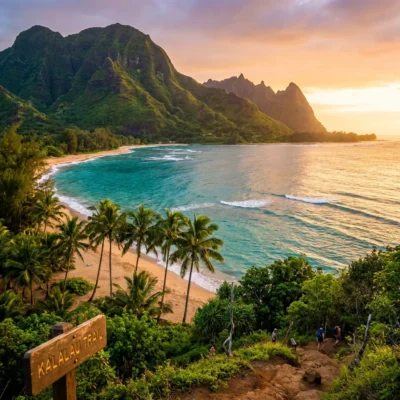
🏆 Na Pali Coast State Wilderness Park — Features the world-famous 11-mile Kalalau Trail.
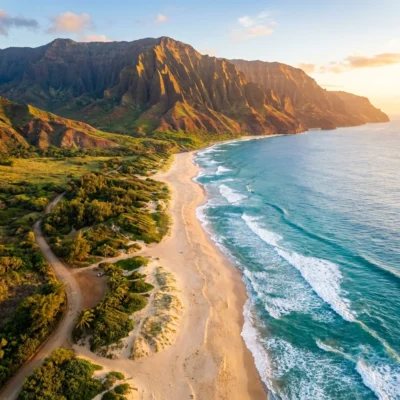
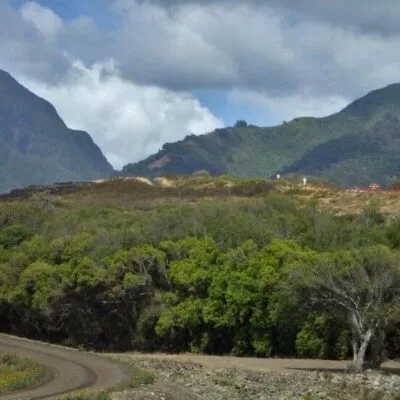
The Nā Pali Coast State Wilderness Park is the kind of place that makes you question whether Earth should be this beautiful. Stretching 17 miles along the northwestern shore of Kauai — Hawaii‘s oldest and most eroded inhabited island — the Nā Pali (“the cliffs”) Coast rises in a wall of razor-sharp emerald ridges soaring over 4,000 feet directly from the Pacific Ocean, carved by five million years of unrelenting tropical rain into a cathedral of fluted spires, hidden valleys, sea caves, and waterfalls that plunge hundreds of feet directly into the ocean below.
There are no roads into the Nā Pali Coast. No bridges, no tunnels, no shortcuts. Access comes only by trail, by sea, or by air — a remoteness that has preserved this 6,175-acre wilderness as one of the most pristine and awe-inspiring coastlines on the planet. Ancient Hawaiians established communities in its remote valleys; today, only the most determined hikers, kayakers, and permitted campers reach its inner sanctuaries. The Kalalau Trail — an 11-mile lifeline carved into cliffs and valleys along the coast — is consistently ranked among the world’s greatest and most dangerous hikes.
The Kalalau Trail: 11 Miles Into Raw Paradise
The Kalalau Trail is an 11-mile one-way (22-mile round trip) journey along the Nā Pali Coast that begins at Keʻe Beach in Hāʻena State Park and terminates at Kalalau Beach — a secluded crescent of golden sand backed by the towering 2,000-foot walls of Kalalau Valley. This is not a casual hike or a well-groomed nature walk; it is an expedition through some of the most demanding, remote, and breathtakingly spectacular terrain in the United States.
Miles 0–2: Hanakāpīʻai Beach
The trail begins with a steep, switchbacking climb of 800 feet through lush tropical forest — hala trees, guava, ginger, and ti plants dripping with moisture — before descending sharply to Hanakāpīʻai Beach at mile 2. This dramatic strand of red-gold sand hemmed by volcanic cliffs is stunning but deceptive: the ocean here is treacherously rough with powerful rip currents and sneaker waves. A chilling tally board at the beach counts those who have drowned swimming here — a sober reminder that Hawaiian ocean conditions demand utmost respect. This first 2-mile section is the most popular day hike on the coast and requires no camping permit, only a Hāʻena State Park entry reservation.
Hanakāpīʻai Falls
A 2-mile spur trail leads inland from Hanakāpīʻai Beach along a boulder-strewn valley floor to Hanakāpīʻai Falls — a stunning 300-foot cascade pouring from the valley headwall into a cold, clear pool surrounded by vertical rock faces draped in a dozen shades of green. The 8-mile round trip (beach + falls) makes one of the finest day hikes in all of Hawaii, combining coastal drama with waterfall grandeur. Allow 6–8 hours and expect multiple stream crossings that can become impassable after heavy rain.
Miles 2–6: Into the Wilderness
Beyond Hanakāpīʻai, the trail enters true wilderness — and a camping permit for Nā Pali Coast State Wilderness Park is absolutely required to continue, even if you don’t plan to camp. The terrain becomes progressively more challenging: the trail narrows to boot-width in places, traverses exposed ridgelines with thousand-foot drops, and crosses several side valleys where stream crossings can be knee-deep in wet conditions. Hanakoa Valley at mile 6 offers a campsite and access to ancient Hawaiian agricultural terraces still visible in the valley floor — stone walls that once contained taro paddies feeding a community that thrived here for centuries.
Mile 7: Crawler’s Ledge
The most notorious section of the trail, Crawler’s Ledge, is a narrow shelf carved into a near-vertical cliff face with a 300-foot drop to the ocean below. The trail here is just a foot or two wide in places, with nothing between you and the Pacific but air and the sound of surf crashing far below. In dry conditions, the section is manageable with care and nerve; after rain, the red volcanic soil becomes treacherous, and this section has claimed lives. Not for the faint of heart — but the views are staggering beyond description.
Kalalau Beach and Valley
The reward at trail’s end is Kalalau Beach — a mile-long strand of golden sand at the base of 2,000-foot valley walls, backed by the deep, lush Kalalau Valley where taro terraces built by ancient Hawaiians centuries ago still trace the valley floor in geometric patterns. This was once home to a thriving Hawaiian community of several hundred people; the stone walls of their agricultural terraces, house platforms, and heiau (temple) sites remain visible among the dense vegetation. Today, only permitted campers (maximum 60 at a time) share this extraordinary place with its endemic birds, feral goats, and the timeless sounds of surf, waterfalls, and wind in the ironwood trees.
The Fluted Cliffs: Five Million Years of Volcanic Sculpture
The Nā Pali Coast’s iconic fluted cliffs — those impossibly sharp, vertically grooved ridges that have graced every postcard, helicopter tour brochure, and Jurassic Park film ever set on Kauai — are the result of five million years of erosion on the island’s original shield volcano. As the oldest high island in the Hawaiian chain, Kauai has been exposed to tropical erosion forces longer than any of its younger neighbors — and the result is the most dramatically sculpted volcanic landscape on Earth.
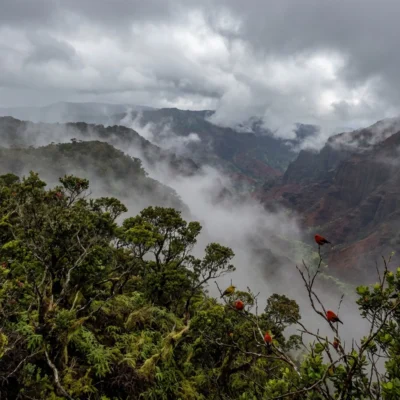
The process is driven by Mount Waiʻaleʻale at Kauai’s center, which receives an average of 460 inches of rain per year — one of the highest recorded rainfall totals anywhere on the planet. This relentless deluge has carved the coast’s basalt rock into a series of knife-edge ridges (pali) and deep hanging valleys over millions of years, creating the distinctive corrugated, cathedral-like appearance that makes the Nā Pali Coast instantly recognizable from any angle. The emerald green comes from the mosses, ferns, epiphytes, and tropical vegetation clinging to every surface, contrasting with the deep sapphire Pacific below and the frequent rainbows — often double and triple — that arc across the cliff faces after rain showers.
Experiencing Nā Pali Without the Kalalau Trail
By Sea
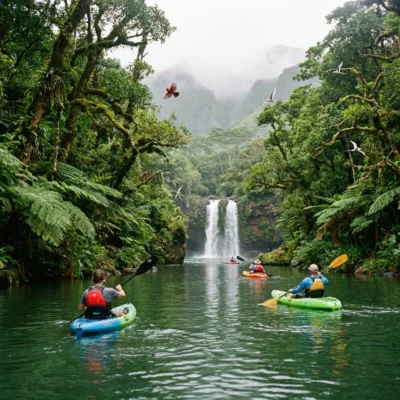
Boat tours depart from Port Allen and Kikiaola Harbor on Kauai’s west side, offering a range of experiences: luxury catamaran cruises with meals and snorkeling stops, high-speed zodiac raft adventures that can enter sea caves and hug the base of the cliffs, and guided kayak expeditions for the adventurous (summer only, May–September). Sea tours provide access to hidden sea caves, remote snorkeling reefs, and views of waterfalls and valleys completely invisible from land. Summer months offer the calmest ocean conditions; during winter, the north shore swells make boat access limited or impossible. Whale watching (humpback whales) is possible between December and April.
By Air
Helicopter tours offer the most comprehensive and dramatic views of the Nā Pali Coast, soaring along cliff faces close enough to feel the spray from waterfalls, hovering over hanging valleys, and accessing vistas impossible from any other vantage point. Several operators fly from Līhuʻe Airport with options ranging from doors-on tours to open-door flights for photographers. The aerial perspective reveals the true scale of the cliffs and the intricate pattern of erosion invisible from sea level — and it’s the only way to see the interior valleys (Honopu, Awa’awapuhi) in their full glory.
By Overlook
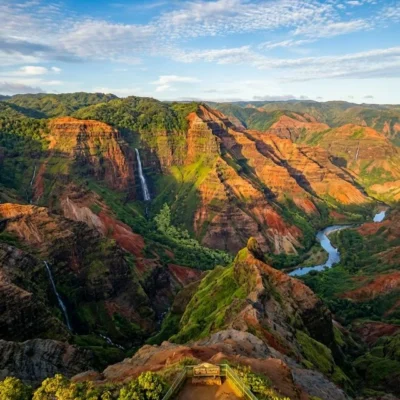
For those who prefer solid ground, the Kalalau Lookout at the end of Waimea Canyon Drive (above Waimea Canyon) provides a breathtaking aerial perspective of Kalalau Valley from 4,000 feet — one of the most photographed viewpoints in all of Hawaii. The nearby Puʻu o Kila Lookout offers equally dramatic views along the coast, often draped in clouds that part dramatically to reveal the valley below. Both lookouts are accessible by car and require no hiking — though morning visits before clouds build offer the clearest views.
Visitor Guide: Planning Your Nā Pali Experience
Getting There
The Kalalau Trail begins at Keʻe Beach in Hāʻena State Park on Kauai’s north shore. Non-Hawaii residents require advance reservations for entry into Hāʻena State Park at gohaena.com — slots are released 30 days in advance and can sell out for popular dates. Those with a valid Nā Pali camping permit do not need a separate Hāʻena entry reservation. Shuttle services from Wainiha are available as an alternative to limited parking. The drive from Līhuʻe Airport takes approximately 1.5 hours along the scenic north shore highway (Route 560).
Permits: The Hardest Ticket in Hawaii
Day hiking to Hanakāpīʻai (2 miles): No camping permit needed, but a Hāʻena State Park entry reservation is required for all non-residents. Hiking beyond Hanakāpīʻai or camping: A camping permit from the Division of State Parks is required — even for day hikers who don’t intend to camp. Permits are available at explore.ehawaii.gov and are released 90 days in advance at midnight Hawaii Standard Time (HST). They sell out within minutes — often seconds — of release. Maximum stay is 5 consecutive nights. To secure a permit: create your ehawaii.gov account well in advance, know the exact release date and time, and be ready to book the instant permits go live.
Best Times to Visit
May – October (dry season): Best trail conditions, safest river crossings, calmest ocean for boat tours and kayaking. This is prime season. November – April (wet season): Significantly more rainfall, potentially dangerous trail conditions (muddy cliff edges, swollen stream crossings), and large north shore swells limiting boat access. The coast is visually dramatic year-round — the waterfalls run harder in wet season — but hiking safety is substantially better in dry season.
Safety: Respect the Wilderness
There is no drinking water, trash service, or cell phone service in the Nā Pali Coast State Wilderness Park. All stream water must be treated before drinking (leptospirosis is present). Pack out every piece of trash. Trail conditions can change rapidly with rain — muddy volcanic soil on cliff edges becomes genuinely life-threatening when wet. Multiple fatalities have occurred on the Kalalau Trail — from falls, drowning, and hypothermia. This is not a park that forgives mistakes. Come prepared with proper footwear, rain gear, a first aid kit, and a healthy respect for the terrain.
Frequently Asked Questions
How hard is the Kalalau Trail?
Extremely strenuous — the full 22-mile round trip involves over 5,000 feet of cumulative elevation gain and loss, exposed cliff sections, multiple river crossings, and unpredictable weather. The trail surface is a mix of red volcanic mud, rock, roots, and narrow ledges. Most hikers take 2–3 days for the full out-and-back, camping at Hanakoa or Kalalau. The trail is not recommended for inexperienced hikers or those with a fear of heights.
Can I just hike to Hanakāpīʻai?
Yes — and it’s an excellent choice. The 4-mile round trip to Hanakāpīʻai Beach (or 8-mile round trip including the stunning waterfall spur) is one of Hawaii’s greatest day hikes and requires no camping permit. You still need a Hāʻena State Park entry reservation. Allow 3–5 hours for the beach round trip or 6–8 hours including the falls. The trail is steep and muddy but well within the ability of fit hikers.
What’s the best way to see Nā Pali without hiking?
Each access method reveals a different dimension: zodiac raft tours from the west side offer the most immersive sea-level experience (entering sea caves, hugging cliff bases). Helicopter tours provide the most comprehensive aerial perspective. The Kalalau Lookout above Waimea Canyon offers stunning free views from 4,000 feet with no hiking required. For the complete Nā Pali Coast experience, combine a boat tour with the Kalalau Lookout — you’ll see the coast from both above and below.
Are permits really that hard to get?
Yes — Kalalau camping permits are among the most competitive outdoor permits in the United States. They frequently sell out within 30 seconds of release. Set up and test your ehawaii.gov account well in advance, know the exact release time (midnight HST, 90 days before your start date), have your payment information saved, and be ready the instant permits become available. Having a flexible date range significantly improves your chances.
Is it safe to swim at the Nā Pali Coast beaches?
Generally, no — ocean conditions along the Nā Pali Coast are dangerous year-round, with powerful currents, shore break, submerged rocks, and no lifeguards. Hanakāpīʻai Beach has claimed multiple lives despite its inviting appearance. Swimming is only advisable at Kalalau Beach during calm summer conditions when the surf is small — and even then, exercise extreme caution. Never turn your back on the ocean in Hawaii.
More parks in Hawaii: Hāʻena State Park and Kōkeʻe State Park. See the full Hawaii state parks guide.
🏕️ Ready to Experience Na Pali Coast State Wilderness Park?
Due to high demand, advance reservations for day-use and camping are mandatory for visiting the Na Pali Coast.
Explore More Hawaii State Parks
Na Pali Coast State Wilderness Park is one of many outstanding state parks in Hawaii. Discover more parks in our Best State Parks in Hawaii guide, or use our Park Finder to search by activity, location, or features.
Wildlife & Nature
Nā Pali Coast SWP — 6,175 acres of the most dramatic sea cliffs on Earth — rising 4,000 feet from the ocean. The coast’s hanging valleys, sea caves, and waterfalls support Hawaiian monk seals, green sea turtles, and seabirds. The Kalalau Trail (11 miles) is one of the most challenging and spectacular hikes in the world. Spinner dolphins ride the waves below the cliffs.
Nearby Attractions
Kauai’s North Shore — eastern access. Hā’ena SP — trailhead. Boat tours from Port Allen — western access.

🐾 Dogs & Pets at Na Pali Coast State Wilderness Park
- Pets allowed? statewide rule
- Pets are heavily restricted in Hawaii state parks: they are not permitted in pavilions, swimming areas, campgrounds, lodges, on beaches or wherever posted, and only limited areas allow them.
- Leash rule statewide rule
- Where permitted, pets must be crated, caged, on a 6-foot or shorter leash, or otherwise under physical restrictive control at all times
- Beaches & swim areas statewide rule
- Pets are not permitted on beaches or in swimming areas statewide
- Cabins & lodging statewide rule
- Pets are not permitted in lodges or campgrounds, so overnight accommodations are effectively pet-free
- Statewide exceptions statewide rule
- Rules vary by park and posting; effectively day-use only in the limited unposted areas where pets are tolerated
Are dogs allowed at Na Pali Coast State Wilderness Park?
Pets are heavily restricted in Hawaii state parks: they are not permitted in pavilions, swimming areas, campgrounds, lodges, on beaches or wherever posted, and only limited areas allow them. Individual parks can post stricter rules — check signage on arrival.
Rules verified July 2026 via dlnr.hawaii.gov. More: Hawaii state parks guide · Dog rules in all 50 states compared
Park Map
Plan your gear for Na Pali Coast State Wilderness Park
From our editorial guides, matched to this park’s activities: