🌤 Weather at Island Lake State Recreation Area by season
| Spring | Summer | Fall | Winter |
|---|---|---|---|
| 24–69 °F | 54–82 °F | 30–74 °F | 14–35 °F |
Each range runs from the coldest monthly average low to the warmest monthly average high in that season (1991-2020 climate normals), measured at Whitmore Lake 1NW, 4 mi away, elevation 906 ft. Conditions at the park can differ from the station, especially where elevation differs — check a forecast before you go.

Overview: 4,000 Acres Where Metro Detroit Meets the Wild
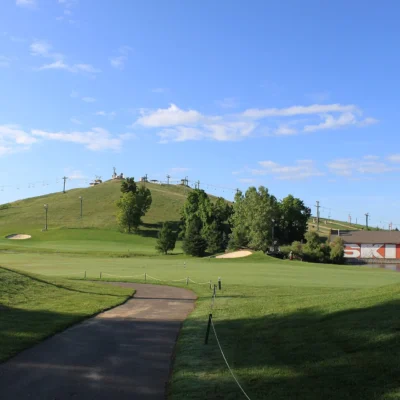
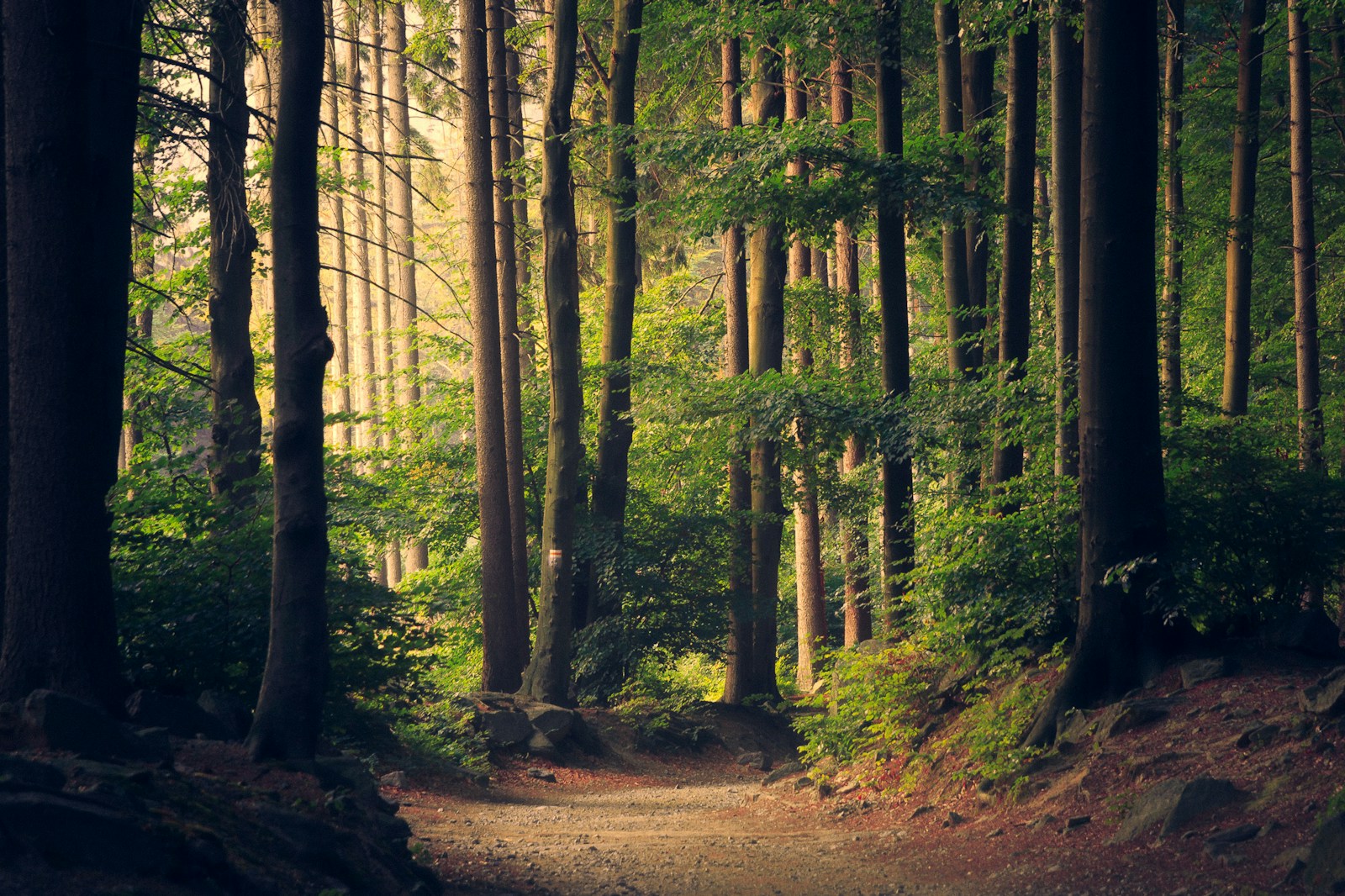
Straddling the boundary between suburban sprawl and genuine countryside in Livingston County, the Island Lake State Recreation Area packs a remarkable amount of ecological diversity and recreational infrastructure into its 4,000 acres. Situated at the strategic intersection of I-96 and US-23—less than 40 miles from downtown Detroit—the park offers over 20 miles of multi-use trails (including some of the best mountain biking singletrack in southeastern Michigan), a scenic stretch of the Huron River perfect for kayaking and canoeing, four inland lakes, and a landscape that transitions so abruptly from dense hardwood forest to open wildflower meadow that first-time visitors frequently describe it as having an “Up North” feel despite its proximity to one of America’s largest metropolitan areas.
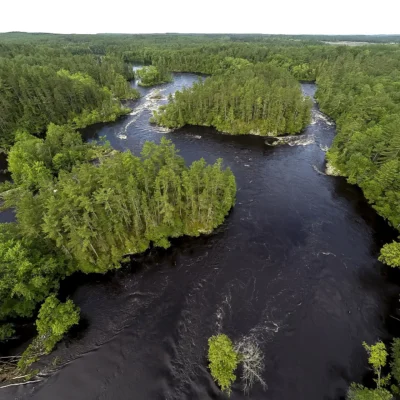
The Huron River—a Designated State Natural River and part of the National Water Trail System—flows directly through the park, connecting Island Lake to the adjacent Kensington Metropark and creating a seamless recreational corridor that stretches for miles along one of Michigan’s most ecologically important waterways. Whether you are a serious mountain biker seeking technical singletrack, a family looking for a quiet afternoon of paddling, or an angler targeting bass and panfish on the park’s inland lakes, Island Lake delivers a remarkably complete outdoor experience within easy reach of millions of residents.
The Trail Network: A Mountain Biker’s Paradise
Island Lake’s trail system is the park’s single greatest recreational asset, attracting riders from across southeastern Michigan and beyond.
Blue Trail (9.1 Miles)
The Blue Trail is the park’s flagship mountain biking route—a flowing, well-designed singletrack loop that winds through dense hardwood forests, crosses wooden bridges over wetland areas, and rolls across open meadows with panoramic views. The trail features a mix of moderate technical challenges including root sections, short punchy climbs, and fast descents that create an engaging, rewarding ride without being inaccessible to intermediate-level riders. The Blue Trail is widely considered one of the best mountain biking experiences available within a one-hour drive of Metro Detroit.
Yellow Trail (5.6 Miles)
The Yellow Trail offers a slightly shorter, somewhat less technical alternative to the Blue. It shares some similar terrain characteristics but is generally wider and more forgiving, making it a good option for riders building their skills or seeking a less physically demanding loop.
Purple Trail — “The Badlands” (3.2 Miles)
Known locally as “The Badlands,” the Purple Trail is the park’s most technically challenging route. The terrain is more aggressive, with steeper climbs, tighter turns, and rougher surfaces that demand confident bike-handling skills. During winter, The Badlands has become a popular destination for fat-tire biking when snow cover is adequate.
Paved Trail (4.5 Miles)
A linear paved trail connects Island Lake to the adjacent Kensington Metropark Bike Trail and the broader Huron Valley Trail system. This smooth, wide path is ideal for road bikes, inline skates, strollers, and wheelchair users. The Kensington connection creates a continuous paved riding corridor of over 10 miles through some of the most scenic terrain in Livingston County.
Hickory Ridge Trail (5 Miles)
Designated exclusively for hikers and cross-country skiers (no bikes), the Hickory Ridge Trail provides a quieter, more contemplative experience through mature forests and rolling terrain. This is the best trail in the park for birding, wildflower observation, and peaceful nature immersion away from the busier bike trails.
The Huron River: Paddling Through the Park
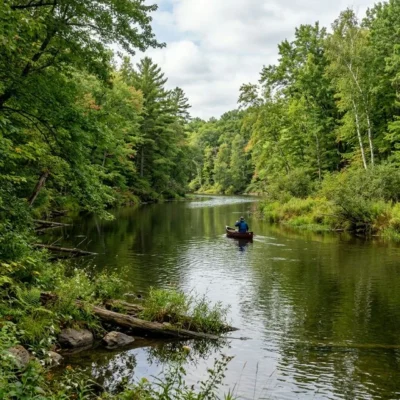
The Huron River’s passage through Island Lake provides one of the most accessible and scenic paddling experiences in southeastern Michigan. The river section within the park is calm, slow-moving, and bordered by dense vegetation that creates an immersive, enclosed feeling—a surprising “wilderness corridor” hidden within a landscape of suburban development.
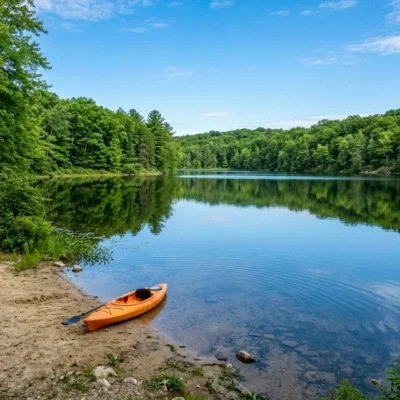
Kayaks, canoes, and stand-up paddleboards are all appropriate for this section. The current is gentle enough for beginners and families with children. Wildlife sightings are common: great blue herons, kingfishers, painted turtles, and muskrats are regularly observed from the water. The river’s designation as a State Natural River ensures that the corridor is protected from shoreline development, preserving the wild character of the paddling experience.
The Four Lakes
Island Lake contains four named inland lakes, each offering slightly different recreational profiles.
- Spring Mill Pond: The most accessible lake, with a boat launch and shoreline access. Popular for fishing (bass, bluegill, sunfish) and casual paddling.
- Kent Lake: Shared with Kensington Metropark, Kent Lake is the largest water body in the area and supports sailing, fishing, and paddling activities.
- Trout Lake and Placeway Lake: Smaller, more secluded bodies of water accessible primarily by trail. These quieter lakes offer excellent birding and wildlife observation opportunities along their marshy margins.
Nature and Wildlife
The 4,000-acre property supports a genuinely impressive diversity of habitats for a park located so close to the Metro Detroit urban edge.
- Hardwood Forests: Stands of mature oak, hickory, and maple provide stunning fall color and habitat for woodpeckers, owls, and white-tailed deer.
- Open Meadows: Large grassland areas—maintained through periodic burns and mowing—support wildflower displays from spring through fall, attracting butterflies, grassland birds (including bobolinks and meadowlarks), and raptors hunting from above.
- Wetlands: The Huron River corridor and scattered wetlands harbor frogs, turtles, muskrats, and a tremendous diversity of waterfowl during migration seasons.
Seasonal Guide
Spring (April–May)
Wildflowers carpet the forest floor and meadows. Trail surfaces may be soft and muddy; mountain bike trails may have temporary closures to prevent erosion. The Huron River water level is typically at its highest, providing good paddling flow.
Summer (June–August)
Peak season for all activities. Mountain bike trails are in prime condition. Paddling the Huron River is most popular. Long daylight hours allow for extended evening rides and paddles.
Autumn (September–October)
The hardwood forests produce exceptional fall color. Mountain biking through the foliage-canopied trails is a signature Island Lake experience. Fishing improves as water temperatures cool.
Winter (December–March)
Cross-country skiing on the Hickory Ridge Trail. Fat-tire biking on The Badlands when snow cover permits. The paved trail may be plowed for winter walking and cycling.
Practical Information
Vehicle Pass
A Michigan Recreation Passport ($15 residents, $42 non-residents) is required.
Bike Rentals
Several outfitters in the Brighton/Howell area offer mountain bike and kayak rentals suitable for the park’s trails and river.
Frequently Asked Questions
Is Island Lake connected to Kensington Metropark? Yes. A 4.5-mile paved trail connects Island Lake directly to Kensington Metropark’s extensive trail and road network. The Huron River also flows between the two parks, creating a continuous paddling corridor.
Can I ride the mountain bike trails on a road bike? No. The Blue, Yellow, and Purple trails are natural-surface singletrack designed for mountain bikes, hybrid bikes, or fat-tire bikes. The paved trail is suitable for road bikes.
Is there camping at Island Lake? Island Lake does not have a traditional campground with drive-in sites. However, the adjacent Kensington Metropark and nearby Brighton State Recreation Area both offer camping facilities within a short drive.
Can I rent a kayak to paddle the Huron River? Kayak and canoe rentals are available from several outfitters in the Brighton and Milford area. Some offer shuttle services for one-way river trips through the park.
Is there a PFAS advisory for the Huron River? “Do Not Eat Fish” and “Avoid Foam” advisories have been issued for sections of the Huron River in this region due to PFAS contamination. Check the Michigan EGLE website for current advisory status before fishing or having prolonged water contact.
Nearby parks: If you have extra time, Brighton State Recreation Area is a short drive away, and Maybury State Park is a short drive away.
Camping reservations: Book campsites and cabins for Michigan state parks online at midnrreservations.com.

🐾 Dogs & Pets at Island Lake State Recreation Area
- Pets allowed? statewide rule
- Pets are welcome in Michigan state parks, campgrounds, harbors and state-designated trails, except designated swim beaches and other posted areas.
- Leash rule statewide rule
- Pets must always be on a 6-foot leash and under the owner's immediate control.
- Beaches & swim areas statewide rule
- Pets are prohibited in buoyed swim areas but allowed along the shoreline outside them (on a 6-ft leash, even in the water); 50+ parks have pet-friendly shoreline or designated dog beaches.
- Cabins & lodging statewide rule
- Up to two pets (cats and dogs only) allowed at ~12 parks' designated pet-friendly cabins, yurts and lodges; $10 per night per pet (cabins) or $15 (lodges); otherwise pets barred from overnight lodging.
- Pet fees statewide rule
- No day-use pet fee; pet-friendly lodging costs $10/night per pet (cabins) or $15/night per pet (lodges).
- Statewide exceptions statewide rule
- Leash laws do not apply to dogs used for hunting on land open to such use; pets may not be left unattended.
Are dogs allowed at Island Lake State Recreation Area?
Pets are welcome in Michigan state parks, campgrounds, harbors and state-designated trails, except designated swim beaches and other posted areas. Individual parks can post stricter rules — check signage on arrival.
Rules verified July 2026 via michigan.gov. More: Michigan state parks guide · Dog rules in all 50 states compared
Park Location
Plan your gear for Island Lake State Recreation Area
From our editorial guides, matched to this park’s activities: