
🌤 Weather at Kekaha Kai State Park by season
| Spring | Summer | Fall | Winter |
|---|---|---|---|
| 70–84 °F | 74–87 °F | 72–87 °F | 68–82 °F |
Each range runs from the coldest monthly average low to the warmest monthly average high in that season (1991-2020 climate normals), measured at Kailua Kona Ke-Ahole Airport, 4 mi away, elevation 43 ft. Conditions at the park can differ from the station, especially where elevation differs — check a forecast before you go.

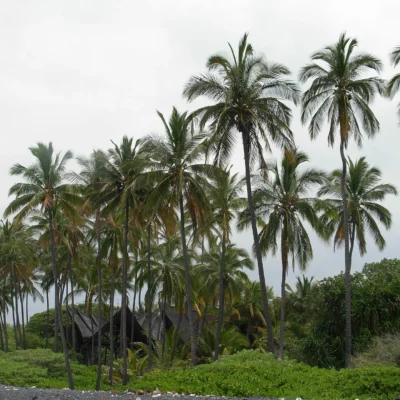
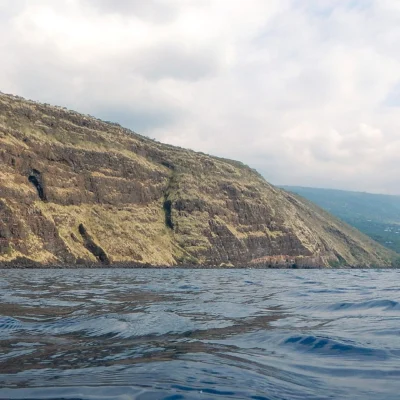
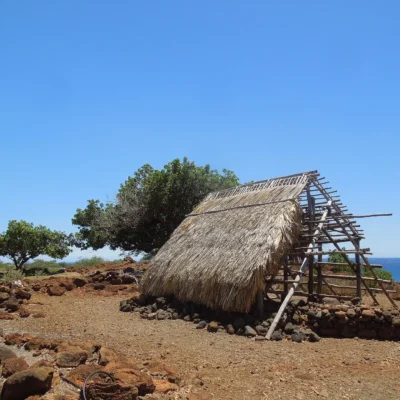
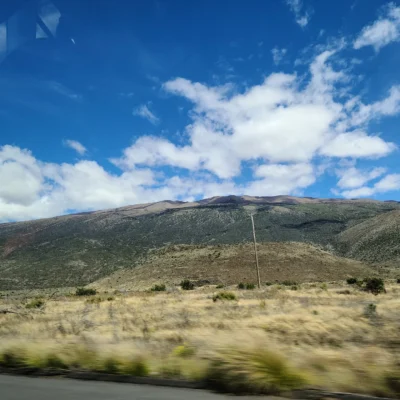
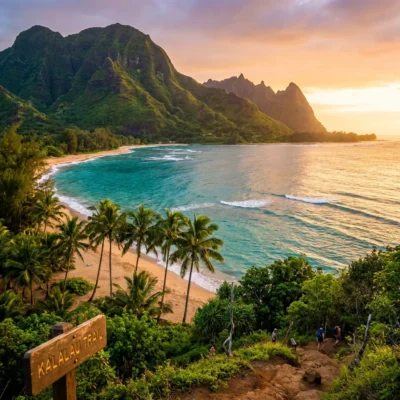
Kekaha Kai State Park (“the seaward kaha” in Hawaiian) protects a series of stunning, secluded beaches along the Big Island’s Kona Coast. The park features Kua Bay (Maniniʻōwali), widely considered one of Hawaii’s most beautiful white sand beaches, as well as the more remote Mahai’ula and Makalawena beaches accessible only by foot or 4WD.
Unlike Hawaii’s resort beaches, Kekaha Kai offers raw, undeveloped beauty—crystal-clear turquoise waters, pristine white sand, and dramatic lava fields with virtually no commercial development in sight.
Park Overview
| Kekaha Kai State Park Overview | |
|---|---|
| Location | North Kona Coast, Big Island |
| Park Size | 1,647 acres |
| Main Beaches | Kua Bay, Mahai’ula, Makalawena |
| Entry Fee | Free |
| Facilities | Restrooms at Kua Bay; none at other beaches |
| Access | Paved road to Kua Bay; 4WD or hiking for others |
Beaches
Kua Bay (Maniniʻōwali)
The easiest-to-access beach with restrooms and a paved parking lot. Features stunning white sand, turquoise water, and good bodysurfing when waves are up. Can get crowded on weekends.
Mahai’ula Beach
Accessible via a rough 4WD road (1.5 miles). More secluded with excellent snorkeling in calm conditions. Sea turtles frequently seen.
Makalawena Beach
Requires a 25-minute hike across lava fields from Mahai’ula. One of Hawaii’s most pristine beaches—worth the effort for true beach lovers.
Safety Information
| ⚠️ Safety Notes | |
|---|---|
| Shore Break | Powerful waves can cause injury—no lifeguards |
| Heat | Lava fields are extremely hot—bring lots of water |
| Shade | Very limited—bring umbrella and sun protection |
Frequently Asked Questions
Is Kua Bay worth visiting?
Absolutely! Kua Bay is consistently ranked among the Big Island’s most beautiful beaches, with powder-white sand and crystal-clear water. The paved access makes it one of the most accessible premium beaches on the island.
Do you need 4WD for Kekaha Kai?
Not for Kua Bay—the access road is paved. However, reaching Mahai’ula Beach requires a rough 1.5-mile 4WD road, and Makalawena requires an additional 25-minute hike from there.
Discover the Big Island’s Hidden Beaches
Pristine white sand and turquoise waters await
Explore More Hawaii State Parks
Kekaha Kai State Park is one of many outstanding state parks in Hawaii. Discover more parks in our Best State Parks in Hawaii guide, or use our Park Finder to search by activity, location, or features.
Wildlife & Nature
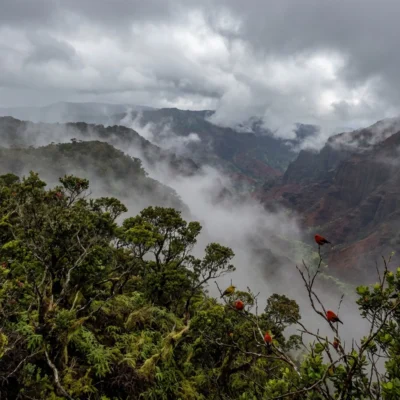
Kekaha Kai SP — 1,600 acres of pristine coastline on the Big Island’s Kohala Coast. The park’s white coral beaches, lava fields, and anchialine ponds support green sea turtles, Hawaiian monk seals, and hawksbill turtles (critically endangered). Anchialine ponds harbor endemic red shrimp (‘ōpae ‘ula) found nowhere else on Earth.
Nearby Attractions
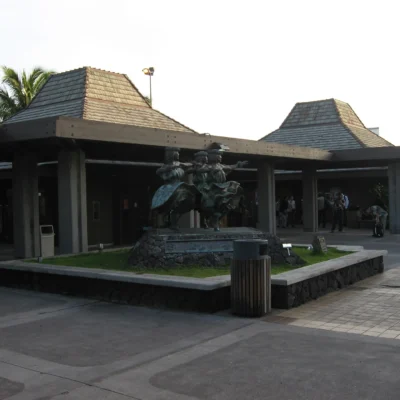
Kona International Airport — adjacent. Kailua-Kona — 10 miles south. Kohala Coast resorts — north.
More parks in Hawaii: Kiholo State Park Reserve and Old Kona Airport State Recreation Area. See the full Hawaii state parks guide.

🐾 Dogs & Pets at Kekaha Kai State Park
- Pets allowed? statewide rule
- Pets are heavily restricted in Hawaii state parks: they are not permitted in pavilions, swimming areas, campgrounds, lodges, on beaches or wherever posted, and only limited areas allow them.
- Leash rule statewide rule
- Where permitted, pets must be crated, caged, on a 6-foot or shorter leash, or otherwise under physical restrictive control at all times
- Beaches & swim areas statewide rule
- Pets are not permitted on beaches or in swimming areas statewide
- Cabins & lodging statewide rule
- Pets are not permitted in lodges or campgrounds, so overnight accommodations are effectively pet-free
- Statewide exceptions statewide rule
- Rules vary by park and posting; effectively day-use only in the limited unposted areas where pets are tolerated
Are dogs allowed at Kekaha Kai State Park?
Pets are heavily restricted in Hawaii state parks: they are not permitted in pavilions, swimming areas, campgrounds, lodges, on beaches or wherever posted, and only limited areas allow them. Individual parks can post stricter rules — check signage on arrival.
Rules verified July 2026 via dlnr.hawaii.gov. More: Hawaii state parks guide · Dog rules in all 50 states compared
Park Location
Plan your gear for Kekaha Kai State Park
From our editorial guides, matched to this park’s activities: