🌤 Weather at Sakatah Lake State Park by season
| Spring | Summer | Fall | Winter |
|---|---|---|---|
| 22–68 °F | 59–81 °F | 24–73 °F | 5–28 °F |
Each range runs from the coldest monthly average low to the warmest monthly average high in that season (1991-2020 climate normals), measured at Waseca S Rsch & Outreach Ctr, 10 mi away, elevation 1,153 ft. Conditions at the park can differ from the station, especially where elevation differs — check a forecast before you go.

Sakatah Lake State Park
Where the Big Woods Meet the Oak Barrens on the Cannon River
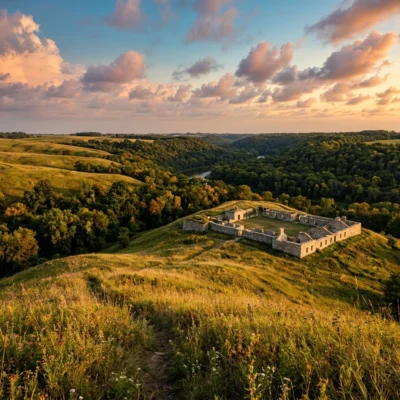
Sakatah Lake State Park is an 842-acre haven located near Waterville, Minnesota, defined by the natural widening of the Cannon River that forms the park’s namesake, Sakatah Lake. Named after the Dakota word for “Singing Hills,” this park preserves a fascinating ecological transition zone where the dense, hardwood canopies of the “Big Woods” gradually yield to the open, sun-dappled environments of southern oak barrens.
Established in 1963 to protect this unique landscape and its rich Native Heritage, Sakatah Lake is primarily beloved today for its incredible connectivity. The crown jewel of the park’s recreational offerings is the 39-mile Sakatah Singing Hills State Trail, an abandoned rail line turned multi-use path that cuts directly through the park, drawing cyclists and snowmobilers from across the region. With its tranquil drive-in campsites, excellent boating and fishing, and diverse trails, Sakatah Lake State Park offers a quiet, deeply rooted Midwestern escape.
Quick Facts: Sakatah Lake State Park
| Location | Waterville, Minnesota (Le Sueur / Rice Counties) |
| GPS Coordinates | 44.2208° N, 93.5356° W |
| Size | 842 Acres |
| Established | 1963 (Opened in 1967) |
| Entry Fee | $7 Daily Vehicle Permit / $35 Annual MN Pass |
| Best Time to Visit | May through October for Biking and Boating; Winter for Snowmobiling |
| Contact Phone | (507) 698-7851 |
⚠️ Important Water Quality Note (Midsummer)
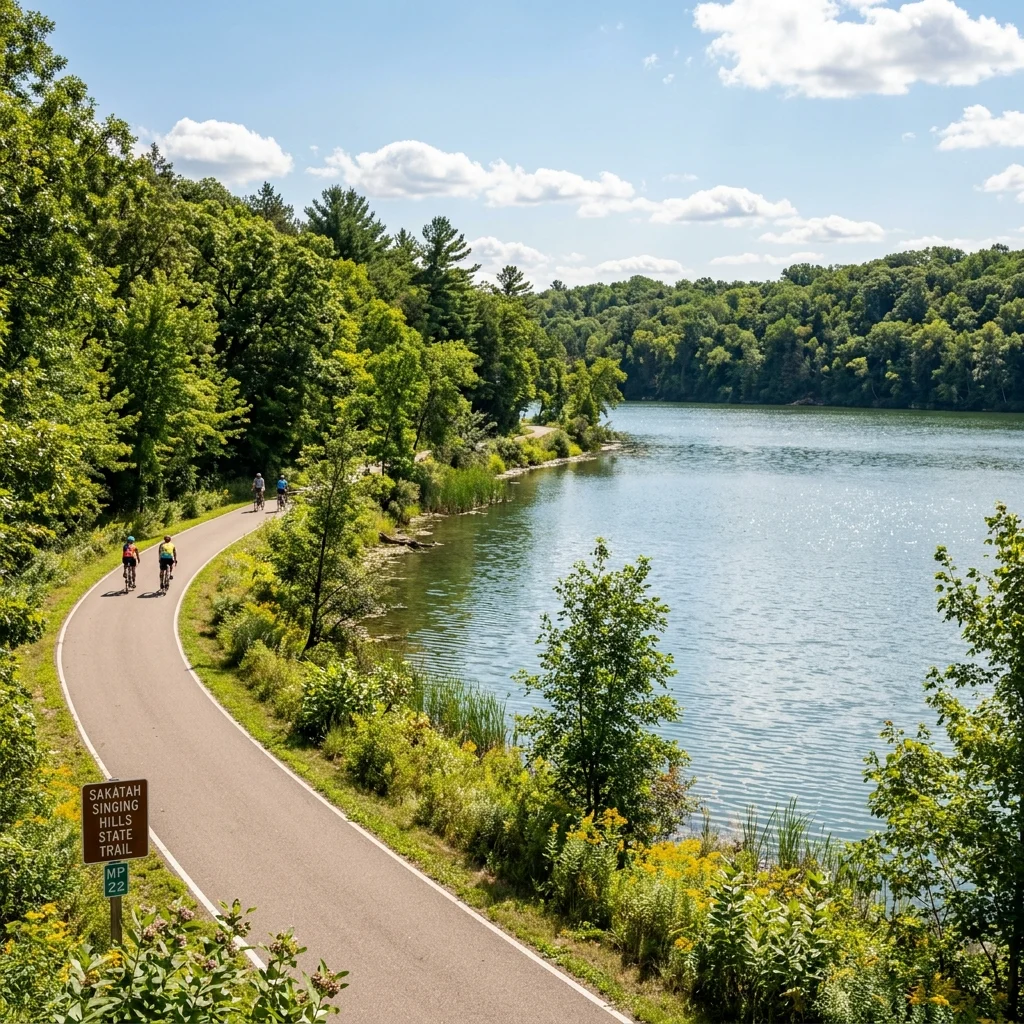
🏆 Sakatah Lake State Park — Home to the 39-mile Sakatah Singing Hills State Trail.
Sakatah Lake is relatively shallow and is fed by agricultural runoff in the upper Cannon River watershed. Because of this, the lake frequently experiences significant algae blooms by late July and August, which can cause unpleasant odors and reduce water clarity. The park does not have a designated swimming beach for this reason. Boating and fishing remain excellent in the spring, early summer, and fall.
Top Activities at Sakatah Lake State Park
The park is a hub for both terrestrial and aquatic recreation, appealing heavily to cyclists, paddlers, and campers seeking a tranquil, wooded environment in southern Minnesota.
1. Cycling The Sakatah Singing Hills State Trail
The undeniable highlight for many visitors to Sakatah Lake State Park doesn’t just exist within the park boundaries—it spans nearly 40 miles across southern Minnesota. The Sakatah Singing Hills State Trail is a paved, multi-use trail built along an abandoned Chicago Great Western Railroad line.
The trail connects the cities of Mankato and Faribault, offering a long, relatively flat, and incredibly scenic route for road cycling, jogging, and rollerblading. Approximately three miles of this extensive trail run directly through the heart of Sakatah Lake State Park. This section through the park is particularly beautiful, providing riders with shaded, tree-lined corridors, views of the lake, and immediate access to the park’s campgrounds and picnic areas.
In the winter months, when the snow falls, this exact corridor transforms into a heavily utilized, groomed snowmobile trail, making Sakatah Lake a year-round destination for trail enthusiasts.
2. Camping and Cabin Stays
The campground at Sakatah Lake State Park is tucked beautifully into the dense hardwood forest, offering 62 drive-in campsites. The sites are known for being private and well-shaded, nestled among mature oaks, maples, and basswood trees.
For RV and trailer campers, 14 of these sites offer electrical hookups (though water and sewer hookups are not available directly at the sites). The seasonal shower and restroom building is modern and well-maintained.
For those looking for a slightly more robust shelter or traveling without a tent, the park offers one Camper Cabin. This rustic wooden cabin is heated and equipped with electricity, providing a cozy retreat (though you must bring your own bedding). Because there is only one cabin, it books up incredibly fast, especially on summer weekends.
Additionally, catering directly to the cyclists utilizing the state trail, there are dedicated bike-in campsites available. Finally, a group camp is available for larger organizations and youth groups, accommodating up to 50 people with vault toilets and water pumps.
3. Boating, Paddling, and Fishing
Sakatah Lake itself is a natural widening of the Cannon River, stretching out over a large but shallow basin left behind by melting glacial ice blocks thousands of years ago.
Because it is a widening of the river system, it offers unique paddling opportunities. Kayakers and canoeists frequently use the park as a launch point or a resting spot while navigating the Cannon River State Water Trail. The park provides easy boat ramp access and a fishing pier. If you don’t own a vessel, the park office often offers canoe, kayak, and stand-up paddleboard rentals during the peak summer season.
Anglers favor the lake in the spring and early summer before the algae blooms take over. Common catches include panfish, northern pike, bullheads, and largemouth bass. Walleye are also periodically stocked by the Minnesota Department of Natural Resources, though fishing success can be highly variable depending on the water levels and clarity.
4. Hiking the Transition Zone
Beyond the paved bicycle trail, Sakatah Lake State Park maintains 5 miles of natural surface hiking trails. While this may seem brief compared to larger wilderness parks, these trails are incredibly ecologically significant.
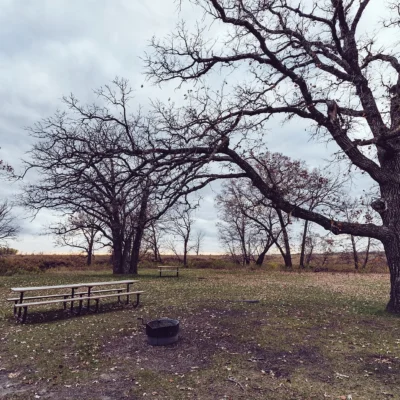
The hiking paths allow visitors to witness a rare biological transition firsthand. As you walk, you move through the remnants of the “Big Woods”—the vast, dense deciduous forest of maple, elm, and basswood that once covered central Minnesota. As the terrain shifts slightly, the vegetation opens up into the “oak barrens,” a drier environment characterized by scattered, fire-resistant bur oaks and patches of prairie grasses.
This diversity in habitat makes the park a fantastic location for birdwatching and wildlife spotting. Hikers frequently encounter white-tailed deer, wild turkeys, raccoons, and a massive variety of songbirds and woodpeckers navigating the layered canopy.
The Geology and History of the “Singing Hills”
The topography of Sakatah Lake State Park is fundamentally defined by the retreat of the massive glaciers from the Wisconsin Glaciation roughly 14,000 years ago. As the ice sheets melted and withdrew, they dumped a massive, irregular pile of debris known as a “moraine.”
The rolling, uneven hills that characterize the park are the direct result of this glacial dumping. Furthermore, massive blocks of stagnant ice were buried within this debris. When they finally melted, they left behind massive depressions known as “kettles.” The basin of Sakatah Lake itself is the result of these glacial ice blocks melting, which the Cannon River eventually flowed into and filled.
For hundreds of years, this land was inhabited and stewarded by the Wahpekute band of the Dakota people. They named the area “Sakatah,” which translates to “the singing hills.” The park honors this Indigenous heritage not just in its name, but throughout the park—several of the hiking trails and interpretive points utilize their original Dakota names to ground visitors in the deep human history of the landscape.
Following European settlement, much of the surrounding land was heavily logged and converted to agriculture. In the early 1960s, local citizens grouped together to advocate for the protection of this specific stretch of the Cannon River and the remaining Big Woods timber. In 1963, the Minnesota Legislature officially established the park.
📍 Traveling The Sakatah Singing Hills Trail
If you are planning to cycle the full 39 miles of the State Trail from Faribault to Mankato, Sakatah Lake State Park serves as the perfect halfway point and rest stop. The park is located roughly at the midpoint, making the campground an ideal overnight stop for a two-day bikepacking trip. Ensure your tires are properly inflated for the paved asphalt surface, and bring plenty of water, as the sections between towns can be exposed to direct sunlight.
Frequently Asked Questions (FAQ)
Are dogs allowed at Sakatah Lake State Park?
Yes, dogs are welcome at Sakatah Lake State Park, but they must be kept on a leash no longer than six feet at all times. They are permitted in the campgrounds and on the hiking trails, but they must not be left unattended, and owners must clean up after them.
Can you swim at Sakatah Lake?
No, there is no designated swimming beach at the park. Due to the lake being shallow and receiving agricultural runoff, it frequently experiences heavy algae blooms by mid-to-late summer, which makes the water unsuitable for swimming.
How long is the Sakatah Singing Hills State Trail?
The entire Sakatah Singing Hills State Trail is 39 miles long, running continuous from Mankato to Faribault. Approximately 3 miles of this paved, multi-use trail runs directly through Sakatah Lake State Park.
Are there bears in Sakatah Lake State Park?
Black bears are extremely rare in this southern part of Minnesota. The primary wildlife visitors will encounter includes white-tailed deer, foxes, raccoons, coyotes, and a massive variety of birds. Normal food storage precautions regarding raccoons are highly recommended at the campground.
Does the campground have electric sites?
Yes, 14 of the 62 drive-in campsites at Sakatah Lake State Park provide electrical hookups. However, there are no individual water or sewer hookups at the campsites. An RV dump station is located nearby.
Make it a road trip: Pair a visit with Sakatah Singing Hills State Trail (a short drive away) or Carley State Park (within about an hour’s drive).
🚲 Ready to hit the trail?
Sakatah Lake is a paradise for cyclists and campers in Minnesota.
Explore More Minnesota State Parks
Sakatah Lake State Park is one of many outstanding state parks in Minnesota. Discover more parks in our Best State Parks in Minnesota guide, or use our Park Finder to search by activity, location, or features.

🐾 Dogs & Pets at Sakatah Lake State Park
- Pets allowed? statewide rule
- Pets are welcome in Minnesota state parks and recreation areas as long as they are leashed and personally attended at all times.
- Leash rule statewide rule
- Leash six feet or shorter (or portable enclosure) required at all times.
- Beaches & swim areas statewide rule
- Only service animals are allowed in beach areas — pets are prohibited on swim beaches statewide.
- Cabins & lodging statewide rule
- Only service animals are allowed in state park lodging, camper cabins, yurts and tipis — no pet-friendly cabin program.
- Statewide exceptions statewide rule
- Emotional support/therapy animals do not qualify as service animals and are prohibited from park buildings.
- Dogs & wildlife
- Minnesota DNR's tick guidance says pets should be checked for ticks as well - go over your dog after the wooded trails, not just yourself.
Are dogs allowed at Sakatah Lake State Park?
Pets are welcome in Minnesota state parks and recreation areas as long as they are leashed and personally attended at all times. Individual parks can post stricter rules — check signage on arrival.
Rules verified July 2026 via dnr.state.mn.us. More: Minnesota state parks guide · Dog rules in all 50 states compared
🐻 Wildlife at Sakatah Lake State Park: What to Watch For — and Watch Out For
Worth watching for: The Minnesota DNR calls this a premier birdwatching park in the state park system: 202 species on its official checklist for just over 800 acres. A remnant of the Big Woods inside the park pulls in cerulean warblers, wood thrushes, scarlet tanagers, ovenbirds and Acadian flycatchers, while Sakatah Lake itself gathers ducks, pelicans, herons, cormorants and gulls that rest and feed there during spring and fall migration. For mammals the DNR lists deer, squirrel, raccoon, mink, rabbit and coyote as commonly seen, and tells you to listen for songbirds, woodpeckers, hawks and owls along the 5 miles of hiking trail.
Watch out for: The DNR's wildlife description for this park names no large predators - the real concern is deer ticks. Statewide DNR guidance puts peak risk from mid-May through mid-July, when the small nymphs feed, with a lower second peak from late September into October, and places the ticks in hardwood forest and brushy areas - exactly the maple and basswood woods the park is built around. Walk in the center of the trail instead of brushing through grass and undergrowth, wear light-colored clothing with pants tucked into socks or boots, and do a full body check as soon as you come off the trail; a deer tick has to stay attached one to two days to transmit Lyme disease. The lakeshore Wahpekute trail is low-maintenance and overgrown in places, so it is where you contact vegetation most.
Wildlife information verified July 2026 via dnr.state.mn.us.
Park Location
Plan your gear for Sakatah Lake State Park
From our editorial guides, matched to this park’s activities:

Top Tours & Activities Near Wisconsin
 from $57
 from $49
 from $101