Smyrna Dunes Park

🐕 New Smyrna Beach’s Best-Kept Secret – Updated 2025
Where the Boardwalk Meets the Beach
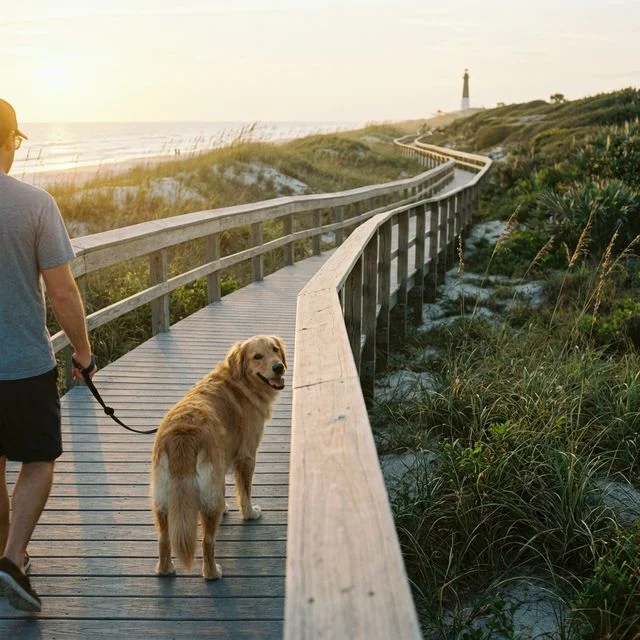
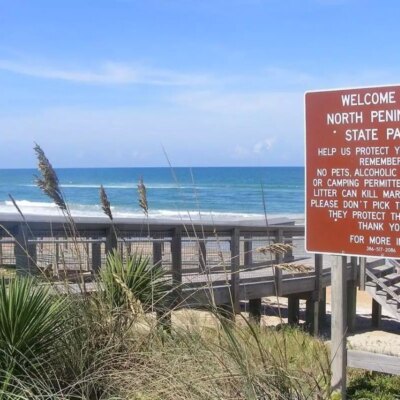
Smyrna Dunes Park is a 184-acre coastal preserve at the tip of the New Smyrna Beach peninsula, where the Indian River meets the Atlantic Ocean at Ponce de Leon Inlet. It’s one of Florida’s most beautiful boardwalk parks—and one of the few that welcomes dogs.
With over 2 miles of elevated boardwalks, five distinct ecosystems, and pristine beaches on both the ocean and inlet sides, this park is a must-visit for families, dog owners, and nature photographers.
Boardwalk & Trails
The park’s star attraction is its extensive boardwalk system, built with recycled lumber and fully handicap-accessible.
Ecosystems You’ll Cross
| Ecosystem | What to See |
|---|---|
| Coastal Dunes | Sea oats, beach grasses, nesting sea turtles (in season) |
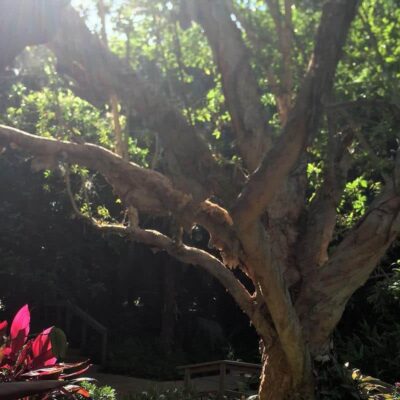
| Maritime Hammock | Shady live oak canopy, ferns |
| Scrub | Gopher tortoises, scrub jays |
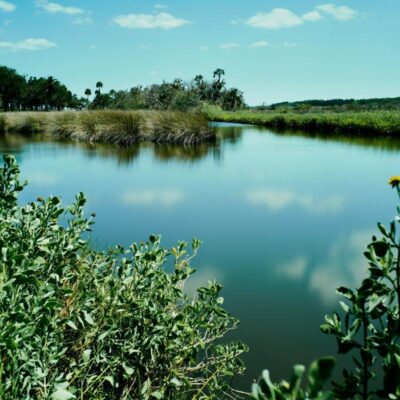
| Salt Marsh | Herons, egrets, manatees (Indian River side) |
| Open Beach | Swimming, shelling, dolphin-watching |
Dog-Friendly Beach 🐕
Smyrna Dunes is one of the most popular dog-friendly beaches in Central Florida.
- Where: Dogs are allowed on the inlet side (river-facing beach), leashed at all times.
- Not Allowed: Atlantic-facing beach and boardwalks after 10 AM.
- Dog Wash Stations: Available near the parking lot.
Planning Your Visit
Quick Facts
| Feature | Details |
|---|---|
| Location | New Smyrna Beach, FL (Volusia County) |
| Hours | 6 AM – Sunset, daily |
| Entry Fee | $10/vehicle |
| Facilities | Restrooms, picnic pavilions, dog wash stations |
| Accessibility | Boardwalks are wheelchair-accessible |
Frequently Asked Questions
Is the beach good for swimming?
Yes. The inlet side has calm, warm water ideal for wading and swimming. The Atlantic side has typical ocean conditions.
Can I see manatees?
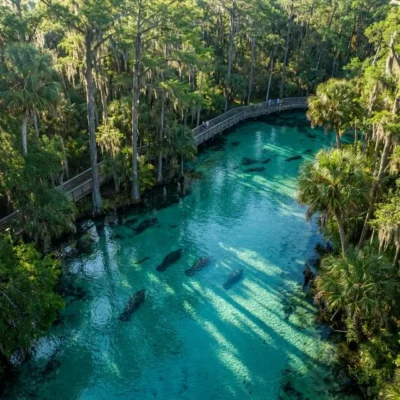
Yes! Manatees are frequently spotted in the Indian River Lagoon from the boardwalk, especially during cooler months (November–March).
Is there shade?
The boardwalk passes through shaded hammock sections, and picnic pavilions provide shelter. The beach itself is open and sunny.
How much does it cost to enter a Florida state park?
Most Florida state parks charge $4 to $6 per vehicle (up to 8 occupants). An individual annual pass costs $60, and a family annual pass costs $120, covering unlimited visits to all state parks.
Can I swim with manatees at Florida state parks?
While you cannot swim with manatees (they are protected), several spring parks like Blue Spring State Park offer excellent viewing from boardwalks. Manatees gather in springs from November through March when river temperatures drop.
Are alligators dangerous in Florida state parks?
Alligators are present in virtually all freshwater bodies in Florida. They are generally not aggressive toward humans, but you should never approach, feed, or harass them. Keep children and pets at a safe distance from water edges.
What is the best time to visit Florida state parks?
Winter and spring (November through April) offer the best conditions: pleasant temperatures, low humidity, fewer mosquitoes, and peak manatee viewing. Summer brings extreme heat, humidity, and daily thunderstorms.
Things to Do
Florida’s 175 state parks protect some of the most unique ecosystems in North America — from crystalline freshwater springs and cypress swamps to barrier island beaches, mangrove estuaries, and subtropical hammocks. Activities vary by region: snorkeling and swimming in spring-fed rivers with crystal-clear 72°F water year-round, kayaking through mangrove tunnels and tidal creeks, hiking through palm hammocks and pine flatwoods, fishing for tarpon and snook in coastal parks, camping on undeveloped barrier islands, biking paved trails through shady canopies, birding among over 500 resident and migratory species, and exploring historic Spanish-era forts and Seminole War sites. Florida’s springs — including Ichetucknee, Rainbow, and Wakulla — offer world-class underwater visibility.
Best Time to Visit
Florida’s parks are a year-round destination, but the experience varies significantly by season. Winter (December–February) brings ideal weather — comfortable 60s–70s°F temperatures, low humidity, minimal mosquitoes, and the best manatee viewing at warm-water springs. Spring is excellent for wildflowers and birding migration. Summer (June–September) means heat (90s°F), humidity, daily afternoon thunderstorms, and aggressive mosquitoes in marsh and forest parks — but springs offer welcome cooling and sea turtle nesting peaks on Atlantic beaches. Fall is a underrated sweet spot with dropping temperatures, thinning crowds, and warm ocean water. Hurricane season runs June through November — always check forecasts before coastal park visits.
Visitor Tips
Florida state parks charge a per-vehicle entrance fee, typically $4–$6 per vehicle (up to 8 people). An annual pass ($60 individual / $120 family) covers unlimited visits to all state parks. Popular spring parks (like Ichetucknee and Devil’s Den) require advance reservations during peak season — book through the Florida State Parks reservation system. Tubing, kayaking, and snorkeling gear rentals are available at many spring parks. Alligators are present at virtually every freshwater park — maintain at least 15 feet of distance and never feed them. Dogs are allowed in most parks on leash but are prohibited on most beaches and in springs.
Explore More Florida State Parks
Smyrna Dunes Park is one of many outstanding state parks in Florida. Discover more parks in our Best State Parks in Florida guide, or use our Park Finder to search by activity, location, or features.
Wildlife & Nature
Smyrna Dunes Park — 73 acres on Ponce Inlet — features a boardwalk system through coastal dunes where the Atlantic Ocean meets the Indian River Lagoon. Sea turtles nest on the beach. Shorebirds, ospreys, and brown pelicans are abundant. Manatees and dolphins transit the inlet.
Nearby Attractions
New Smyrna Beach — adjacent. Ponce Inlet Lighthouse — 5 miles south. Canaveral NS — 10 miles south. Marine Science Center — 3 miles south.

Park Location



Top Tours & Activities Near Daytona Beach
 from $446
 from $65
 from $99