🌤 Weather at Tomoka State Park by season
| Spring | Summer | Fall | Winter |
|---|---|---|---|
| 55–85 °F | 72–90 °F | 58–87 °F | 48–72 °F |
Each range runs from the coldest monthly average low to the warmest monthly average high in that season (1991-2020 climate normals), measured at Daytona Beach Intl Airport, 7 mi away, elevation 31 ft. Conditions at the park can differ from the station, especially where elevation differs — check a forecast before you go.

🐊 Guide to Florida’s Ancient River Park
Where Ancient Timucua Met Florida’s Wild Rivers
Nestled between the Tomoka and Halifax rivers in Ormond Beach, Volusia County, Tomoka State Park protects 2,000 acres of lush hardwood hammocks and estuarine salt marshes that have drawn human inhabitants for over 5,000 years. Long before European explorers arrived, the Timucua people built a thriving village called Nocoroco on this peninsula — today, their burial mounds rank among the earliest Native American settlements on Florida’s central east coast. For modern visitors, Tomoka offers exceptional paddling, birdwatching, and camping just minutes from Daytona Beach’s bustle.
5,000 Years of Human History
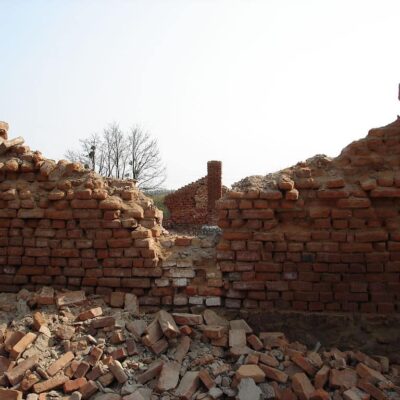
The Tomoka Mound Complex tells a story spanning millennia. Archaeological excavations have revealed primarily burial mounds dating back over 5,000 years — the Timucua people thrived here, living off the fish-filled lagoons and fertile marshes. The park’s evocative “Legend of Tomokie” statue commemorates this deep indigenous connection. Interpretive signage along the trails helps visitors understand the significance of what lies beneath their feet — this is one of Florida’s most important archaeological sites hidden in plain sight.
Paddling Paradise
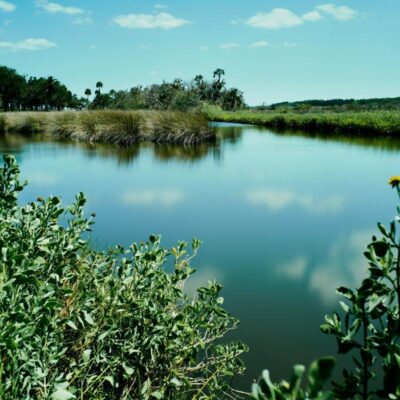
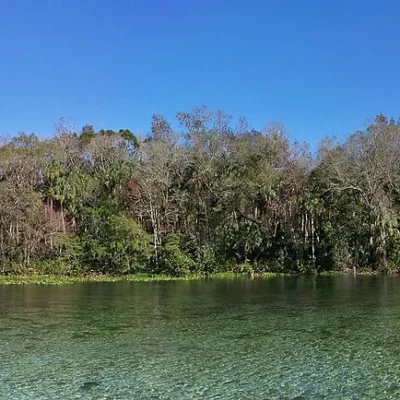
The waters of the Tomoka River and its lagoons are the park’s signature attraction for paddlers. The Tomoka River Paddling Trail extends approximately 13 miles one-way through pristine marshland and under canopied waterways. The on-site Tomoka Outpost offers kayak and canoe rentals and sits next to the park’s boat ramp for easy water access. Paddle through mirror-still waters where manatees surface silently, alligators bask on logs, and roseate spoonbills wade in the shallows.
A Birder’s Paradise
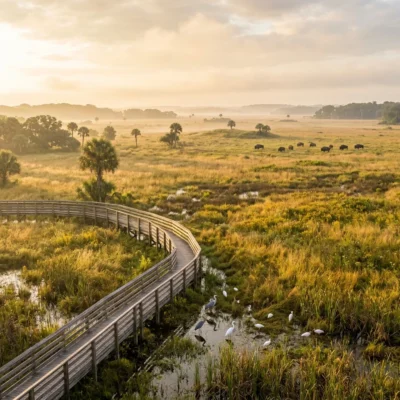
Over 160 bird species have been documented at Tomoka, making it one of Florida’s premier birdwatching destinations. Spring and fall migrations bring spectacular diversity, while year-round residents include herons, egrets, wood storks, anhingas, and ospreys. The park’s mix of tidal marsh, hardwood hammock, and open water creates intersecting habitats that concentrate wildlife in viewable areas. Bring binoculars — you’ll need them.
Trails & Wildlife
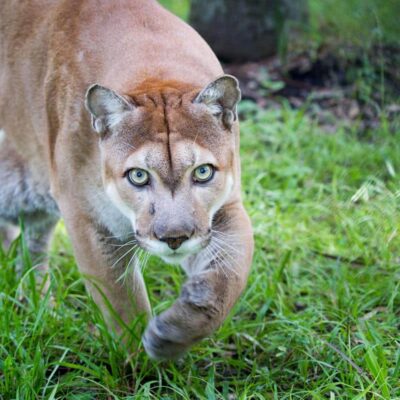
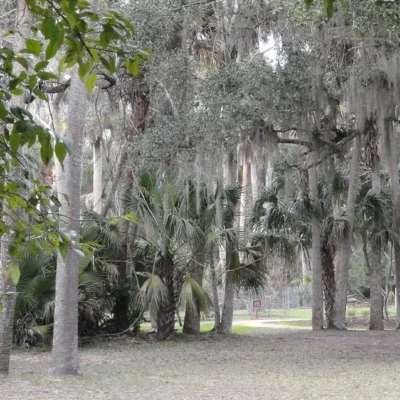
While Tomoka isn’t primarily a hiking park, several trails offer scenic exploration. The half-mile nature trail winds through ancient hardwood hammock draped in Spanish moss, while the Woodham Woods Trail (1 mile) explores upland forest. The peninsula trail provides river views from both sides. Beyond birds, the park protects endangered West Indian manatees, gopher tortoises, bobcats, otters, and American alligators. Bottlenose dolphins occasionally venture upriver into park waters.
Camping Under the Oaks
The campground offers 100 tent and RV sites shaded by live oaks and palmetto trees, most with electric and water hookups, picnic tables, and grills. Youth camping is also available for organized groups. The campground’s location on the Tomoka River means sunrise kayaking is literally steps from your tent — roll out of bed and onto the water.
Practical Tips
- From Daytona Beach (5 miles): Take N Beach Street/US-1 north to Tomoka State Park entrance
- From I-95: Exit 268 (Ormond Beach), head east on Granada Blvd, then north on Old Dixie Highway
- Entry fee: $5 per vehicle (2-8 people), $4 single occupant
- Best paddling: Early morning for calm water and maximum wildlife activity — manatees are most active dawn-midday
- Mosquitoes are intense in summer, especially near the marsh — pack DEET-based repellent or plan winter visits
- The Tomoka Outpost rents kayaks, canoes, and fishing equipment — no need to haul your own gear
- A Florida fishing license is required for fishing in the rivers
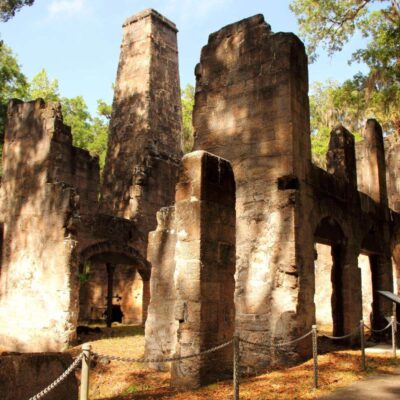
- Combine with a visit to Bulow Plantation Ruins State Park (15 minutes south) for more Florida history
Explore More Florida State Parks
Tomoka State Park is one of many outstanding state parks in Florida. Discover more parks in our Best State Parks in Florida guide, or use our Park Finder to search by activity, location, or features.
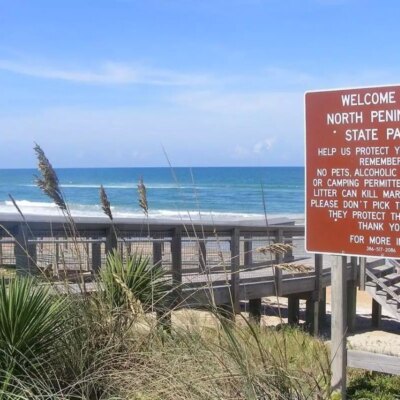
More parks nearby: Bulow Creek State Park is a short drive away, while North Peninsula State Park lies a short drive away.
Camping reservations: Book campsites and cabins for Florida state parks online at reserve.floridastateparks.org.

🐾 Dogs & Pets at Tomoka State Park
- Pets allowed? statewide rule
- Domestic pets are welcome in many Florida State Parks — on hiking trails, in picnic areas and campgrounds — but only in designated areas.
- Leash rule statewide rule
- Leashes may not exceed 6 feet; pets must be under physical control at all times.
- Beaches & swim areas statewide rule
- Pets are not permitted on beaches, boardwalks or playgrounds, or in bathing areas — swimming pets can be viewed as prey by alligators.
- Cabins & lodging statewide rule
- Pets are not allowed in any state park buildings, cabins or cabin areas.
- Statewide exceptions statewide rule
- Pets prohibited at several parks including Ellie Schiller Homosassa Springs (free kennels at the entrance), Weeki Wachee Springs and Egmont Key; in campgrounds pets must be confined in the camping unit 11 p.m.-7 a.m.
Are dogs allowed at Tomoka State Park?
Domestic pets are welcome in many Florida State Parks — on hiking trails, in picnic areas and campgrounds — but only in designated areas. Individual parks can post stricter rules — check signage on arrival.
Rules verified July 2026 via floridastateparks.org. More: Florida state parks guide · Dog rules in all 50 states compared
Park Location
Plan your gear for Tomoka State Park
From our editorial guides, matched to this park’s activities: