🌤 Weather at Utahraptor State Park by season
| Spring | Summer | Fall | Winter |
|---|---|---|---|
| 32–78 °F | 58–96 °F | 27–83 °F | 17–47 °F |
Each range runs from the coldest monthly average low to the warmest monthly average high in that season (1991-2020 climate normals), measured at Moab Canyonland Airport, 3 mi away, elevation 4,561 ft. Conditions at the park can differ from the station, especially where elevation differs — check a forecast before you go.

🦖 Guide to Utah’s Dinosaur Frontier
Where Prehistoric Giants Roamed Red Rock Desert
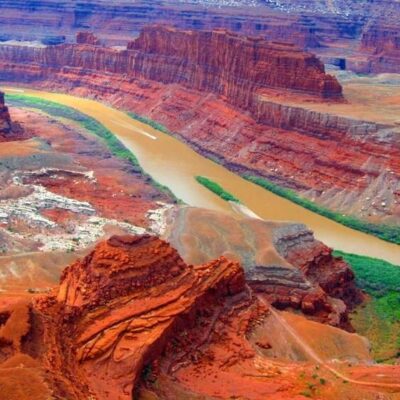
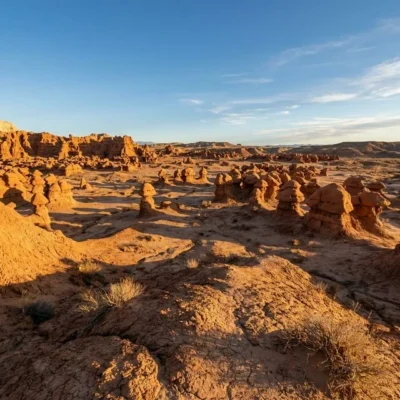
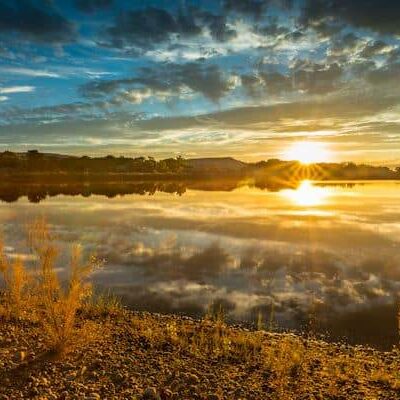
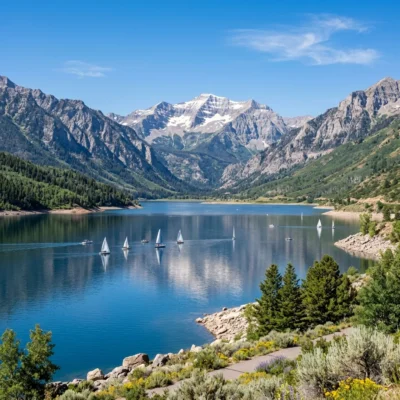
Near Moab in Grand County, Utahraptor State Park occupies 6,500 acres of rugged desert terrain where one of the most important dinosaur bone beds in North America lies buried beneath sun-baked sandstone. Named for the fearsome Utahraptor ostrommaysorum — the largest raptor ever discovered — this park, established in 2021, fuses world-class paleontology with outstanding mountain biking, hiking, and stargazing in the dramatic landscape of Utah’s canyon country. The park sits just 15 miles northwest of Moab off U.S. Highway 191, west of Arches National Park, making it an ideal complement to the region’s famous national park circuit.
A Paleontological Treasure Trove
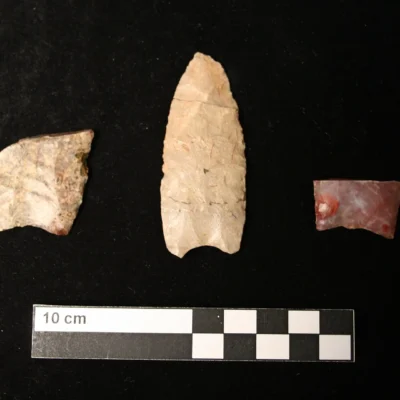
The park’s Dalton Wells Quarry ranks among North America’s largest dinosaur bone beds, where paleontologists have recovered over 5,500 bones representing more than ten dinosaur species from the Early Cretaceous period, approximately 125 million years ago. Scientists believe potentially over 100,000 bones still await discovery at the site. Species found here include Gastonia (an armored herbivore), Moabosaurus, and of course the Utahraptor — the oldest raptors known on the planet from this geological period.
The park’s visitor center features exhibits on the area’s paleontological significance, local geology, and biology. The Fossil Loop Trail, a short, family-friendly walk near the campground, includes interpretive signs explaining the Utahraptor discovery and the ancient ecosystem that once thrived here. Stay on designated trails — the park’s delicate biological soil crust (cryptobiotic soil) takes decades to form and is easily destroyed by footsteps.
Mountain Biking Paradise
Utahraptor State Park connects to the legendary Sovereign Trail System — approximately 50 miles of motorized single and double-track trails open to mountain biking. The “Raptor Route” is the star: a flowy, intermediate-level singletrack that weaves through red rock formations with desert panoramas at every turn. The Moenkopi Connector extends rides onto public lands beyond the park boundary. For Moab mountain bikers, this trail network provides excellent riding without the crowds of Slickrock or Porcupine Rim.
Hiking Through Deep Time
Over 8 miles of hiking trails wind through the park’s desert landscape. The Raptor Rim Trail loop offers sweeping high-desert views across the Colorado Plateau, while shorter trails near the campground provide easy walks suitable for all fitness levels. Spring wildflowers (March-April) paint the desert floor with color, and fall temperatures make hiking comfortable without summer’s punishing heat.
A Sobering Piece of American History
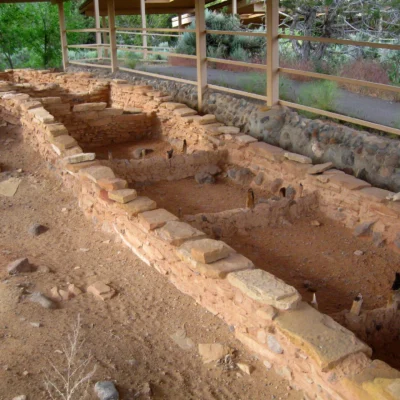
Beyond dinosaurs, Utahraptor State Park preserves a darker chapter: the site served as a Civilian Conservation Corps (CCC) camp in the 1930s and was later repurposed during World War II as the Moab Isolation Center, an internment camp for Japanese Americans. Interpretive displays within the park present this history honestly, adding historical depth to an already multi-layered destination.
Camping & Stargazing
The Gastonia Campground offers sites with electrical hookups and modern restrooms, plus improved primitive sites for those seeking a less developed experience. The park’s remote location and dark desert skies make it a premier stargazing destination — on clear nights, the Milky Way arches overhead with breathtaking clarity. Bring a telescope or simply lie on the warm sandstone and watch the universe unfold.
Know Before You Go
- From Moab (15 miles): Take US-191 North, park entrance is well-signed on the left
- Entry fee: $15 per vehicle day use, camping fees additional
- Best seasons: March-May and September-November — summer temperatures regularly exceed 100°F
- Water: Bring all water you need — this is desert country with limited facilities
- OHV use is permitted on designated motorized trails — check trail maps for allowed uses
- Combine with visits to Arches and Canyonlands National Parks, both within 30 minutes
- Rock climbing opportunities exist on park cliffs — check with the visitor center for current regulations
- Watch for rattlesnakes in warmer months, especially on rocky trails during morning and evening hours
Explore More Utah State Parks
Utahraptor State Park is one of many outstanding state parks in Utah. Discover more parks in our Best State Parks in Utah guide, or use our Park Finder to search by activity, location, or features.
Wildlife & Nature
Utahraptor SP — Utah’s newest state park — named for the Utahraptor, a massive predatory dinosaur discovered nearby in 1991 — at 23 feet long, the largest known raptor dinosaur. A 9-ton sandstone block containing multiple Utahraptor fossils (the “Utahraptor megablock”) was excavated near here. The park’s red rock desert, slickrock, and canyons support desert bighorn sheep, golden eagles, and collared lizards.
Nearby Attractions
Moab — 15 miles south. Arches NP — 10 miles east. Dead Horse Point SP — 20 miles south.
Nearby parks: If you have extra time, Dead Horse Point State Park is within about an hour’s drive, and Green River State Park is within about an hour’s drive.

🐾 Dogs & Pets at Utahraptor State Park
- Pets allowed? statewide rule
- Pets are permitted at most Utah state parks and campgrounds, on a leash and never left unattended.
- Leash rule statewide rule
- 6 ft maximum leash required at all times
- Beaches & swim areas statewide rule
- No statewide beach ban; rules vary by park - dogs are prohibited on the beach at Antelope Island, while Jordanelle has a designated area where dogs may swim off-leash
- Cabins & lodging statewide rule
- Pets are allowed in cabins and yurts at most parks (confirm with the park before reserving); additional lodging pet fees may apply
- Pet fees statewide rule
- No pet fee at standard campsites; additional fees apply for pets in cabins, yurts and cottages
- Statewide exceptions statewide rule
- Park-specific restrictions such as Antelope Island's Frary Peak Trail and Deer Creek water areas
Are dogs allowed at Utahraptor State Park?
Pets are permitted at most Utah state parks and campgrounds, on a leash and never left unattended. Individual parks can post stricter rules — check signage on arrival.
Rules verified July 2026 via stateparks.utah.gov. More: Utah state parks guide · Dog rules in all 50 states compared
Park Location
Plan your gear for Utahraptor State Park
From our editorial guides, matched to this park’s activities: