🌤 Weather at Fremont Indian State Park and Museum by season
| Spring | Summer | Fall | Winter |
|---|---|---|---|
| 22–71 °F | 43–90 °F | 19–80 °F | 12–46 °F |
Each range runs from the coldest monthly average low to the warmest monthly average high in that season (1991-2020 climate normals), measured at Fremont Indian State Park, 0 mi away, elevation 5,920 ft. Conditions at the park can differ from the station, especially where elevation differs — check a forecast before you go.

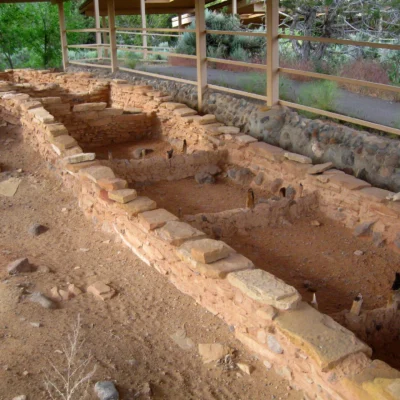
🏆 Utah — The largest known Fremont Indian village — Five Finger Ridge contained 100+ pit houses and thousands of rock art panels! The Fremont people (AD 400-1300) were contemporaries of the Ancestral Puebloans but developed a unique culture. Over 500 rock art panels survive in Clear Creek Canyon!
Visitor Information
| Detail | Info |
|---|---|
| Location | Utah |
About Fremont Indian
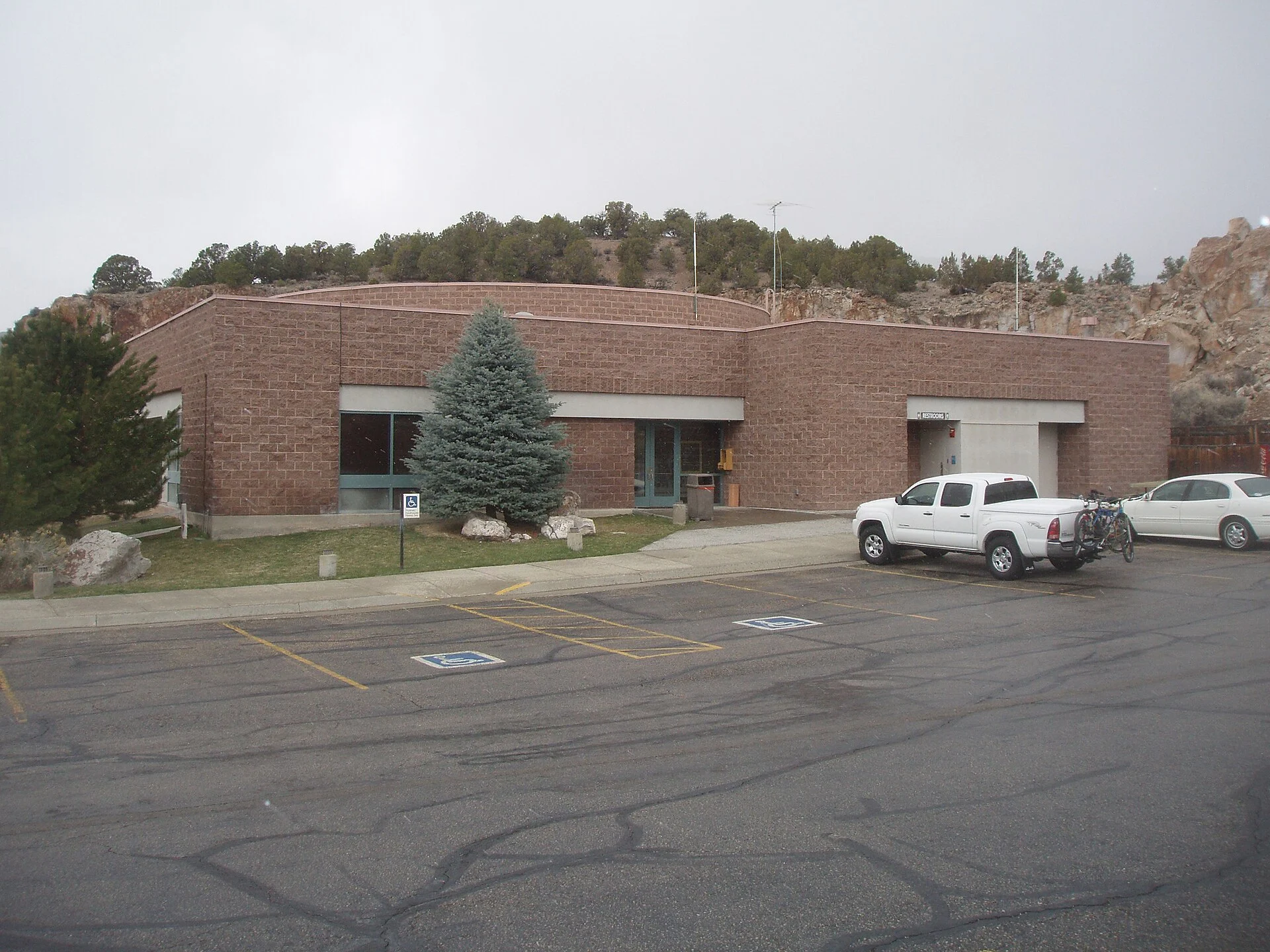
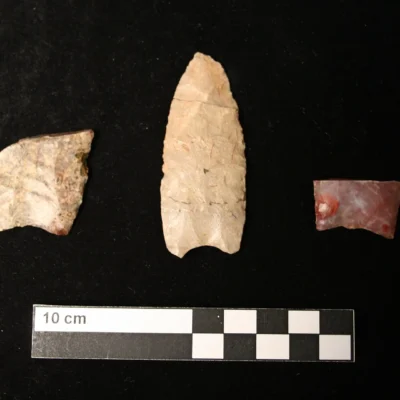
Fremont Indian State Park and Museum in Sevier County preserves the largest known Fremont culture village in Utah — discovered during I-70 construction in 1983. The Five Finger Ridge site contained over 100 structures and 500+ rock art panels created by the Fremont people (AD 400-1300). The Fremont were contemporary with the Ancestral Puebloans but developed a distinct culture adapted to Utah’s high desert.
Things to Do
Viewing 500+ rock art panels, touring the museum with Fremont artifacts, hiking the canyon trails to petroglyphs, camping, and exploring a culture that thrived for 900 years in Utah’s desert canyons.
Plan Your Visit
The museum is open Monday through Saturday. Several short trails (0.5-2 miles) lead to rock art panels — the Parade of Rock Art trail is the most concentrated. I-70 passes through Clear Creek Canyon directly through the park — one of the few places where an interstate bisects a state park. Combine with Fish Lake (30 miles south) for fishing and the Fishlake National Forest. Elevation is 5,600 feet; winter snowfall closes some trails.
Nature & Wildlife
The canyon’s sandstone walls and sage-juniper habitat support mule deer, mountain lions, and golden eagles. Fremont cottonwood trees (named for explorer John C. Frémont, not the Fremont culture) line Clear Creek. The park contains one of the densest concentrations of rock art in the Western Hemisphere — some panels depict bighorn sheep, snakes, and humanoid figures that may represent shamanic visions.
Insider Tips
Cherokee capital: New Echota was the capital of the Cherokee Nation from 1825-1838 — a sophisticated government center with a supreme court, legislature, and the first Native American newspaper (Cherokee Phoenix). Pro tip: The Cherokee developed a written language (Sequoyah’s syllabary, 1821) that could be learned in days — one of the most remarkable intellectual achievements in American history. Removal: New Echota is where the controversial Treaty of New Echota (1835) was signed — authorizing Cherokee removal.
Best Time to Visit
Spring/fall: Best touring weather. Summer: Full programming. Year-round: Museum and reconstructed buildings. Winter: Reflective visits.
Frequently Asked Questions
What was Sequoyah’s syllabary?
Sequoyah (George Gist) created a writing system for Cherokee in 1821 — the only time in recorded history that a single individual independently created a complete writing system. The 85-character syllabary could be learned in weeks — within a few years, the Cherokee Nation achieved higher literacy rates than surrounding white communities. The Cherokee Phoenix newspaper (1828) was the first Native American newspaper. This remarkable achievement did not prevent removal.
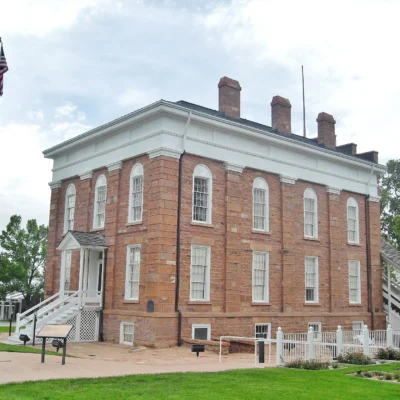
Keep exploring: The closest neighbors are Fremont Indian State Park (a short drive away) and Territorial Statehouse State Park Museum (within about an hour’s drive).
📍 Visit Fremont Indian State Park and Museum
Discover America’s best state parks!

🐾 Dogs & Pets at Fremont Indian State Park and Museum
- Pets allowed? statewide rule
- Pets are permitted at most Utah state parks and campgrounds, on a leash and never left unattended.
- Leash rule statewide rule
- 6 ft maximum leash required at all times
- Beaches & swim areas statewide rule
- No statewide beach ban; rules vary by park - dogs are prohibited on the beach at Antelope Island, while Jordanelle has a designated area where dogs may swim off-leash
- Cabins & lodging statewide rule
- Pets are allowed in cabins and yurts at most parks (confirm with the park before reserving); additional lodging pet fees may apply
- Pet fees statewide rule
- No pet fee at standard campsites; additional fees apply for pets in cabins, yurts and cottages
- Statewide exceptions statewide rule
- Park-specific restrictions such as Antelope Island's Frary Peak Trail and Deer Creek water areas
Are dogs allowed at Fremont Indian State Park and Museum?
Pets are permitted at most Utah state parks and campgrounds, on a leash and never left unattended. Individual parks can post stricter rules — check signage on arrival.
Rules verified July 2026 via stateparks.utah.gov. More: Utah state parks guide · Dog rules in all 50 states compared
Park Location
Plan your gear for Fremont Indian State Park and Museum
From our editorial guides, matched to this park’s activities:
Top Tours & Activities Near Bryce Canyon National Park
 from $699
 from $160
 from $973