🌤 Weather at Van Riper State Park by season
| Spring | Summer | Fall | Winter |
|---|---|---|---|
| 9–66 °F | 45–77 °F | 20–69 °F | 0–26 °F |
Each range runs from the coldest monthly average low to the warmest monthly average high in that season (1991-2020 climate normals), measured at Champion Van Riper Park, 2 mi away, elevation 1,599 ft. Conditions at the park can differ from the station, especially where elevation differs — check a forecast before you go.

Overview: Moose Country on Lake Michigamme
Nestled against 1.5 miles of shoreline on the eastern edge of Lake Michigamme—one of the Upper Peninsula’s most beautiful and underappreciated inland lakes—Van Riper State Park occupies approximately 1,055 acres of dense northern forest in Marquette County, about 35 miles west of the city of Marquette along US Highway 41. Named after Dr. Paul Van Riper, a local physician who championed the acquisition of the property for public use, the park was established in 1956 and has since become one of the most popular and well-equipped state parks in the western Upper Peninsula.
What sets Van Riper apart from dozens of other pleasant Michigan campground parks is its location in the heart of moose country. The forests and wetlands surrounding Lake Michigamme and the adjacent Peshekee River are among the most reliable places in Michigan to spot the state’s small but growing moose population—massive, prehistoric-looking animals that can weigh over 1,000 pounds and stand 6 feet tall at the shoulder. While sightings are never guaranteed, the possibility of encountering a moose adds an element of genuine wilderness excitement that elevates Van Riper beyond its already considerable recreational offerings.
Lake Michigamme
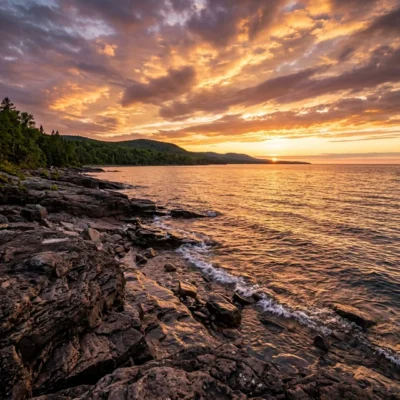
Lake Michigamme is a sprawling, irregularly shaped lake covering approximately 4,300 acres of clear, cold water in the rugged, sparsely populated interior of the Upper Peninsula. The park’s 1.5 miles of frontage on the lake’s eastern shore provide direct access to one of the finest swimming and fishing lakes in the region.
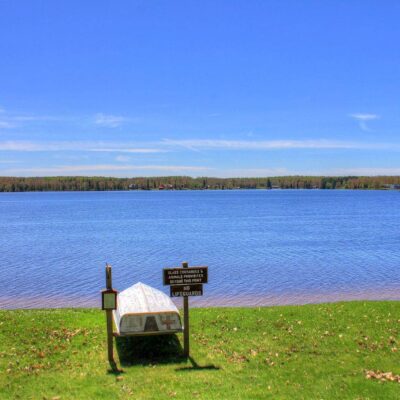
- Swimming Beach: A broad, sandy beach with gradual entry into clear, cold water. The beach is among the best in the western U.P. for families, with shallow water extending well from shore and a scenic backdrop of forested hills and open sky.
- Fishing: Lake Michigamme supports an excellent cold and warm-water fishery including smallmouth bass, walleye, northern pike, yellow perch, and lake trout in the deeper portions.
- Boating: A boat launch provides access for trailered boats. Kayak and canoe access is also available. The lake’s large size and open water can produce significant waves during windy conditions—small craft operators should exercise caution.
The Peshekee River
The Peshekee River flows through the park’s northern section, providing an additional dimension of natural beauty and wildlife habitat. This scenic, cold-water river supports brook trout fishing and creates a corridor of riparian habitat that is among the most productive areas for wildlife observation—including moose sightings.
Moose Watching
Michigan’s moose population—reintroduced to the Upper Peninsula in the 1980s through a cooperative effort between the Michigan DNR and the Canadian province of Ontario—is centered in the Marquette County region surrounding Van Riper State Park. The population currently numbers approximately 500 animals, concentrated in the boggy, wetland-rich forests between Marquette and the Keweenaw Peninsula.
Where and When to Look
- Best Time: Dawn and dusk, when moose are most active and move to open areas to feed.
- Best Locations: The park’s north-side trails, the Peshekee River corridor, and roadside wetlands along US-41 west of the park. Slow drives along these routes during early morning hours produce the most sightings.
- Best Season: Late May through September, when moose frequent wetlands, ponds, and lake margins to feed on aquatic vegetation and escape biting insects.
Safety
Moose are wild animals and can be dangerous, particularly bull moose during the fall rut (September–October) and cow moose with calves (May–June). Always observe from a distance of at least 100 yards. Never approach, feed, or attempt to photograph a moose at close range. If a moose shows signs of agitation (ears laid back, hackles raised, stamping), retreat immediately.
Trails
Approximately 5 miles of hiking trails wind through the park’s northern section, offering scenic overlooks, river access, and passage through habitats that are ideal for wildlife observation.
- River Trail: Follows the Peshekee River through dense forest, passing through prime moose habitat. The best option for wildlife viewing.
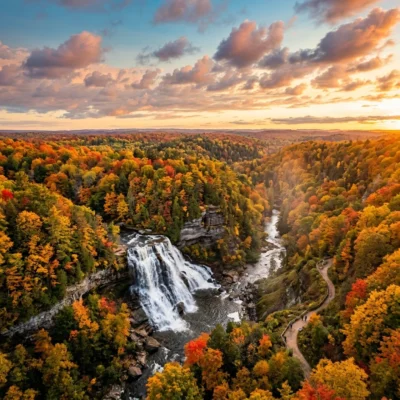
- Overlook Trail: Climbs to an elevated viewpoint with panoramic views of Lake Michigamme and the surrounding forest. The overlook is particularly spectacular during autumn color season.
Camping
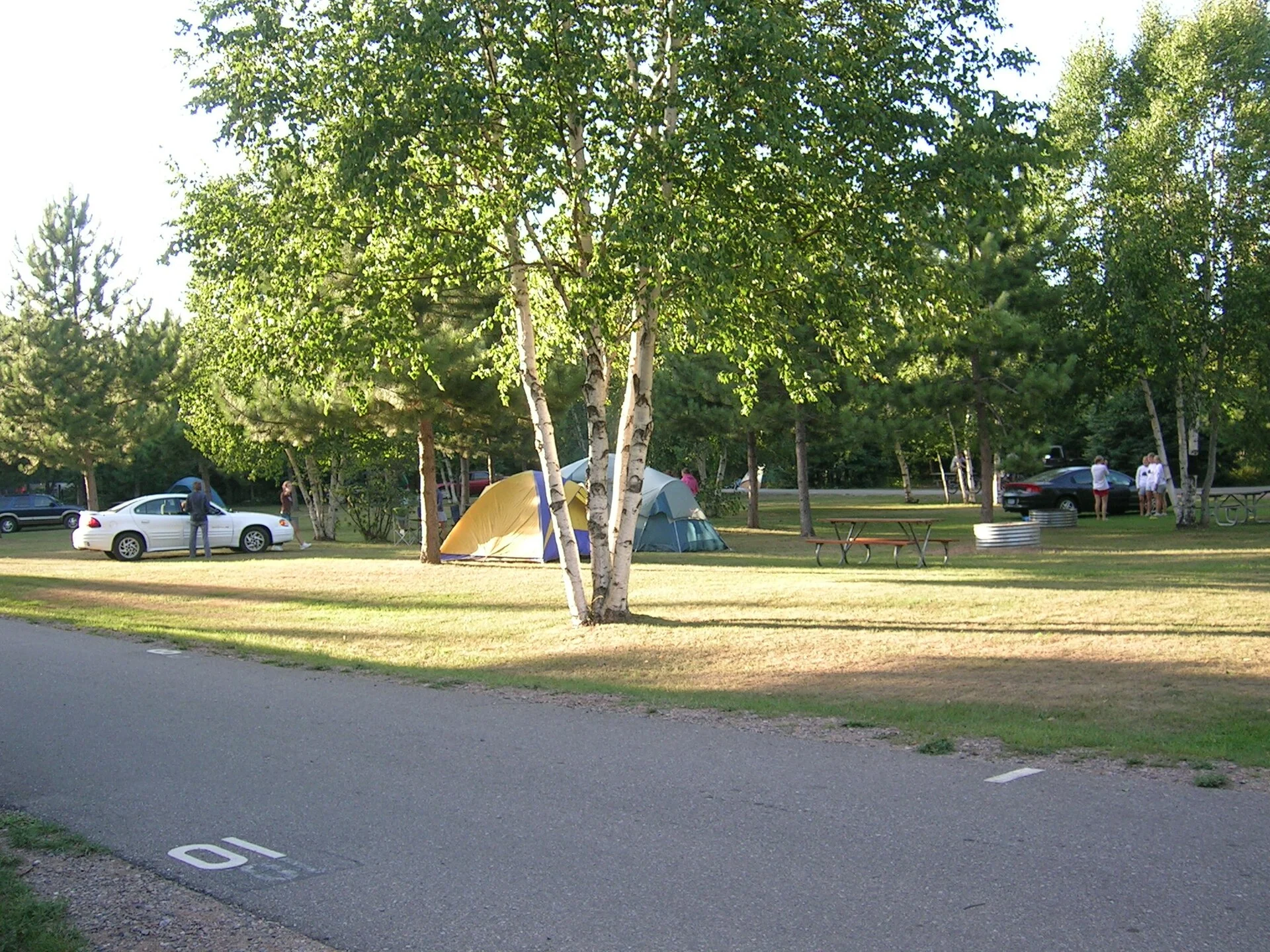
- Modern Campground: Sites with electrical hookups, modern restroom facilities with flush toilets and hot showers. Many sites are within walking distance of the swimming beach.
- Rustic Campground: More basic sites without electricity, offering a quieter, more primitive experience closer to the river and forest.
Additional Amenities
- Bicycle Pump Track: A small, sculpted dirt track designed for mountain bikes and BMX bikes—a fun, skill-building amenity for young riders.
- Accessible Playground: Modern playground equipment designed for inclusive use.
- Picnic Facilities: Covered shelters and individual picnic sites throughout the day-use area.
Seasonal Guide
Spring (May–June)
Moose emerge from winter range. Wildflowers appear. Black flies and mosquitoes can be intense—bring repellent and head nets.
Summer (July–August)
Peak season. Swimming, camping, fishing. Lake Michigamme water remains cold but swimmable. Moose sightings along the Peshekee River corridor.
Autumn (September–October)
Spectacular fall color. Moose rut season—bulls are more visible but also more dangerous. Campground availability improves. The overlook trail is unmissable during peak color.
Winter (November–April)
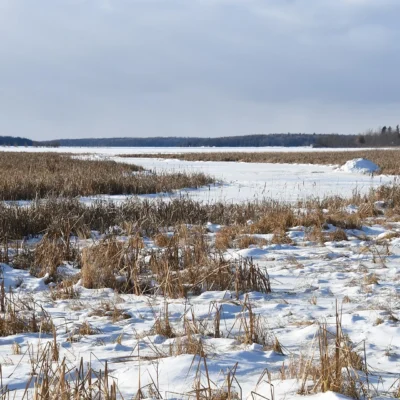
Heavy snowfall. Cross-country skiing and snowshoeing. The U.P. winter is not for the unprepared—temperatures regularly fall below 0°F. Snowmobiling access to regional trail systems.
Frequently Asked Questions
Will I see a moose at Van Riper? Possibly. The park is located in the heart of Michigan’s moose range, and sightings occur regularly—but they are never guaranteed. Early morning visits to the north-side trails and Peshekee River corridor offer the best chances.
Is it safe to be around moose? Moose should always be observed from a safe distance (100+ yards). They are unpredictable and can be dangerous, particularly bulls during the fall rut and cows with calves. Never approach or feed moose.
Can I swim in Lake Michigamme? Yes. The park has a beautiful sandy swimming beach. The water remains cold (upper 50s to low 70s°F) throughout the summer—refreshing on hot days.
How far is Marquette? Approximately 35 miles east along US-41, about a 40-minute drive. Marquette offers restaurants, shopping, and the Northern Michigan University campus.
Nearby parks: If you have extra time, Craig Lake State Park is a short drive away, and Little Presque Isle is within about an hour’s drive.
Camping reservations: Book campsites and cabins for Michigan state parks online at midnrreservations.com.

🐾 Dogs & Pets at Van Riper State Park
- Pets allowed? statewide rule
- Pets are welcome in Michigan state parks, campgrounds, harbors and state-designated trails, except designated swim beaches and other posted areas.
- Leash rule statewide rule
- Pets must always be on a 6-foot leash and under the owner's immediate control.
- Beaches & swim areas statewide rule
- Pets are prohibited in buoyed swim areas but allowed along the shoreline outside them (on a 6-ft leash, even in the water); 50+ parks have pet-friendly shoreline or designated dog beaches.
- Cabins & lodging statewide rule
- Up to two pets (cats and dogs only) allowed at ~12 parks' designated pet-friendly cabins, yurts and lodges; $10 per night per pet (cabins) or $15 (lodges); otherwise pets barred from overnight lodging.
- Pet fees statewide rule
- No day-use pet fee; pet-friendly lodging costs $10/night per pet (cabins) or $15/night per pet (lodges).
- Statewide exceptions statewide rule
- Leash laws do not apply to dogs used for hunting on land open to such use; pets may not be left unattended.
Are dogs allowed at Van Riper State Park?
Pets are welcome in Michigan state parks, campgrounds, harbors and state-designated trails, except designated swim beaches and other posted areas. Individual parks can post stricter rules — check signage on arrival.
Rules verified July 2026 via michigan.gov. More: Michigan state parks guide · Dog rules in all 50 states compared
🐻 Wildlife at Van Riper State Park: What to Watch For — and Watch Out For
Worth watching for: Moose are the reason people slow down here: the Michigan DNR's own park text says a slow drive through the north of the park may reward you with the sight of a majestic moose. Van Riper sits in Marquette County, one of the three counties - with Baraga and Iron - holding Michigan's reintroduced moose population, and DNR biologists describe typical moose habitat as cedar swamps, marshes and alder-willow thickets near lakes, rivers or streams, which matches the park's 1.5 miles of Lake Michigamme shoreline and Peshekee River frontage. Moose feed mainly at dawn and dusk, so those are the hours to be out; nothing is guaranteed, as the whole western Upper Peninsula core range holds roughly 300 animals.
Watch out for: A Michigan moose is 6.5 to 9 feet long, weighs 725 to 1,100 pounds and can run 35 mph, which is why the DNR's own suggestion at Van Riper is to look for one from a slow drive through the north end of the park. Be most careful from September through October - the rut - and from late May into early June, when cows have one or two calves; the DNR's statewide instruction for young animals is to observe from a distance and leave them in the wild. Statewide, the DNR asks you to report moose observations through its Eyes in the Field reporting. Hunting is allowed in the state park, so the DNR advises calling the park directly about special rules or concerns before you head off the developed areas.
Wildlife information verified July 2026 via michigan.gov.
Park Location
Plan your gear for Van Riper State Park
From our editorial guides, matched to this park’s activities: