🌤 Weather at Weinberg-King State Fish and Wildlife Area by season
| Spring | Summer | Fall | Winter |
|---|---|---|---|
| 30–74 °F | 62–86 °F | 32–79 °F | 16–39 °F |
Each range runs from the coldest monthly average low to the warmest monthly average high in that season (1991-2020 climate normals), measured at Golden, 11 mi away, elevation 718 ft. Conditions at the park can differ from the station, especially where elevation differs — check a forecast before you go.

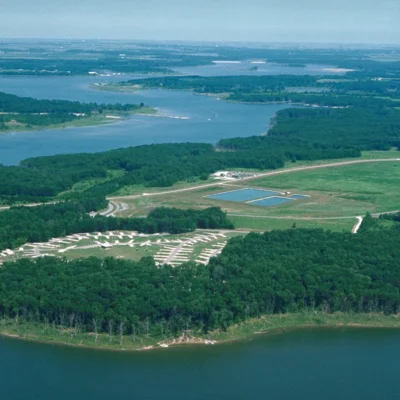
Weinberg-King State Fish and Wildlife Area is a 772-acre state fish and wildlife area run by the Illinois Department of Natural Resources in Schuyler County, 3 miles east of Augusta. It is not a state park, but it is open to the public for hiking, fishing, hunting, camping and horseback riding. The state received the first 500 acres as a gift in 1968.
Quick Facts
| State | Illinois |
| County | Schuyler |
| Park Size | 772 acres |
| Established | 1968 |
Location & Getting There
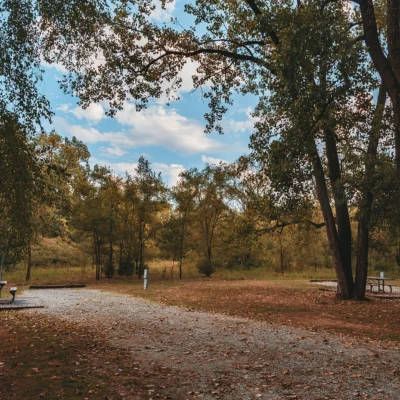
The area lies in Schuyler County, 3 miles east of Augusta and north of Route 101. Its 772 acres of rolling hills along a meandering creek include a 4-acre pond. The park’s coordinates are 40.2270, -90.8990.
Things to Do
Illinois DNR lists an archery range, camping, cross-country skiing, dog training, equestrian trails, fishing, geocaching, hiking trails, hunting, reservable shelters and snowmobile trails at Weinberg-King.
Illinois state parks offer surprising geological diversity — from sandstone canyons and waterfalls in the south to prairie grasslands, river bluffs, and Great Lakes shoreline in the north. Popular activities include hiking through dramatic canyon formations at Starved Rock and Matthiessen, fishing for bass and catfish in the state’s rivers and lakes, camping in forested settings along the Illinois and Mississippi Rivers, biking paved and gravel trails, birdwatching along major migratory flyways (Illinois sits on the Mississippi Flyway), cross-country skiing in winter, horseback riding on dedicated equestrian trails, and exploring historic sites from frontier forts to Lincoln-era landmarks.
Best Time to Visit
Illinois parks shine across all four seasons. Spring (April–May) brings peak waterfall flow at Starved Rock and Matthiessen after snowmelt, plus wildflower carpets in the canyon floors. Summer (June–August) is ideal for swimming, Lake Michigan beaches, and river recreation — but canyon parks get crowded on weekends. Fall (September–November) delivers stunning foliage, especially in the southern Shawnee National Forest region, peaking mid-October. Winter transforms canyon parks into ice wonderlands — frozen waterfalls at Starved Rock are a major winter attraction. All Illinois state parks are free — no entrance fees or vehicle passes required.
Visitor Tips
All Illinois state parks offer free admission — there are no entrance fees or vehicle passes required. This makes Illinois one of the most visitor-friendly state park systems in the country. Camping fees are modest ($8–$35/night depending on amenities). Reservations are made through the Illinois DNR reservation system. Popular parks like Starved Rock fill parking lots before 9 AM on fall and spring weekends — arrive early. Many parks offer excellent lodge accommodations (Starved Rock Lodge, Pere Marquette Lodge, Giant City Lodge) for those who prefer indoor comfort with park access.
Explore More Illinois State Parks
Looking for state parks in Illinois? Discover them in our Best State Parks in Illinois guide, or use our Park Finder to search by activity, location, or features.
Wildlife & Nature
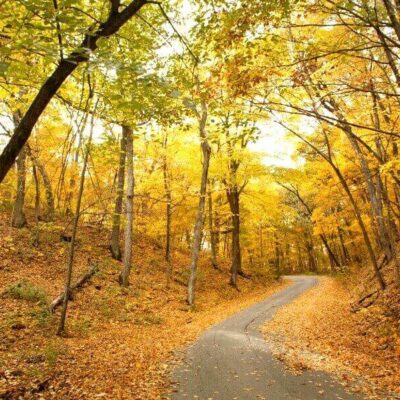
Weinberg-King State Fish and Wildlife Area — 772 acres in Schuyler County — preserves a rugged landscape of forested hills and stream valleys in the Illinois River region of west-central Illinois. The area’s mature oak-hickory forest on steep terrain supports wildlife diversity uncommon in the surrounding agricultural landscape. Wild turkeys — successfully restored across Illinois from near-extirpation — thrive in the forest. White-tailed deer are abundant. Bobcats — once thought extirpated from Illinois — have recolonized the area’s remote forest. The ravine bottoms support barred owls and pileated woodpeckers — the largest woodpecker in Illinois at 16-19 inches. Spring ephemeral wildflowers — Virginia bluebells, bloodroot, Dutchman’s breeches — carpet the forest floor before canopy closure.
Nearby Attractions
Siloam Springs State Park offers rugged hiking and camping. Chandlerville and the Sangamon River valley. Beardstown — on the Illinois River — has fishing and river heritage. Rushville — the Schuyler County seat — where Lincoln argued cases on the Eighth Circuit. Spoon River valley — inspiration for Edgar Lee Masters. Nauvoo and Quincy are within driving distance. Jim Edgar Panther Creek provides extensive outdoor recreation.
Keep exploring: The nearest state parks are Argyle Lake State Park, about 17 miles to the north, and Siloam Springs State Park, about 24 miles to the south.

🐾 Dogs & Pets at Weinberg-King State Fish and Wildlife Area
- Pets allowed? statewide rule
- Pets are allowed in Illinois state parks and on trails as long as they are leashed at all times.
- Leash rule statewide rule
- Leash required at all times; state code caps leash length at 10 feet
- Beaches & swim areas statewide rule
- Pets are prohibited in areas posted 'NO PETS', reserved for beach areas, concession areas and crowded campground/picnic areas (e.g. no dogs on the beach at Illinois Beach State Park)
- Cabins & lodging statewide rule
- Pets are not allowed in campground cabins
- Statewide exceptions statewide rule
- Leash rule exceptions for hunting dogs, field trials and dog training areas; pets must not be left unattended
Are dogs allowed at Weinberg-King State Fish and Wildlife Area?
Pets are allowed in Illinois state parks and on trails as long as they are leashed at all times. Individual parks can post stricter rules — check signage on arrival.
Rules verified July 2026 via dnr.illinois.gov. More: Illinois state parks guide · Dog rules in all 50 states compared
Park Location
Plan your gear for Weinberg-King State Fish and Wildlife Area
From our editorial guides, matched to this park’s activities: