🌤 Weather at Yampa River State Park by season
| Spring | Summer | Fall | Winter |
|---|---|---|---|
| 21–68 °F | 43–86 °F | 20–75 °F | 8–35 °F |
Each range runs from the coldest monthly average low to the warmest monthly average high in that season (1991-2020 climate normals), measured at Hayden, 0 mi away, elevation 6,467 ft. Conditions at the park can differ from the station, especially where elevation differs — check a forecast before you go.

🛶 Guide to Colorado’s Wild River Corridor
134 Miles of Colorado’s Last Wild River
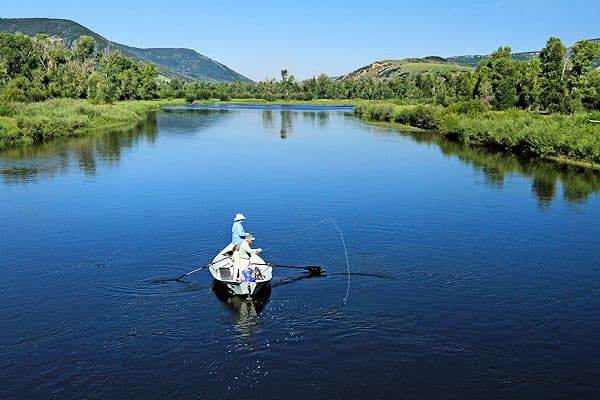
Stretching 134 miles from near Hayden to Dinosaur National Monument, Yampa River State Park is Colorado’s widest-ranging state park — a linear corridor following the Yampa, one of the few remaining free-flowing rivers in the West. With 13 river access points, 50 campsites at the headquarters, and 6 primitive camping areas along the route, this park is built for paddlers, anglers, and anyone seeking the authentic Colorado river experience. The Yampa offers everything from lazy flat-water floating to Class I-V whitewater, all through spectacular canyon and plateau country in Routt and Moffat counties.
River Recreation
- Rafting & Kayaking: 134 miles of paddling from Class I flat water to Class V whitewater sections
- 13 river access points: Launch and take-out sites along the full corridor
- Fishing: Outstanding trout and pike fishing along the entire stretch — Colorado license required
- Elkhead Reservoir: Additional boating and fishing on a separate lake within the park system
Camping Along the River
The park’s headquarters campground near Hayden offers 50 sites (35 electric RV, 10 tent, 5 group) with showers and laundry. Six primitive riverside camping areas along the 134-mile stretch offer backcountry solitude — most have a 2-night maximum stay.
Practical Tips
- From Steamboat Springs (25 miles): Take US-40 West to the headquarters near Hayden
- Entry fee: $10 per vehicle day pass ($15 with out-of-state plates)
- The Yampa is a free-flowing river — water levels vary dramatically with season and snowmelt
- Peak rafting is May-June when snowmelt swells the river — check flow rates before launching
- Primitive sites have no water or facilities — pack everything in and out
- Combine with Dinosaur National Monument for a multi-day river adventure through Gates of Lodore
Things to Do
Colorado state parks offer access to the state’s legendary Rocky Mountain landscapes — from alpine reservoirs and mountain passes to dramatic canyon formations, desert mesas, and prairie grasslands. Activities include hiking through diverse terrain, boating and paddleboarding on scenic mountain reservoirs, fishing for trout and kokanee salmon, camping at high elevation, rock climbing, mountain biking, off-roading on designated trails, wildlife viewing for elk, bighorn sheep, and moose, and winter sports including cross-country skiing and ice fishing.
Best Time to Visit
Summer (June–August) is peak season with warm days and cool mountain nights, ideal for hiking and water recreation. Fall (September–October) brings golden aspens and excellent wildlife viewing as elk enter their rutting season. Spring is variable — snow lingers at altitude while lower parks warm quickly. Winter is excellent for snow-based recreation. Colorado’s high altitude means intense sun year-round — apply sunscreen liberally and hydrate aggressively.
Visitor Tips
Colorado state parks require a daily vehicle pass ($10-$12 with Colorado plates, $15-$17 out-of-state) or an annual pass ($80). With Colorado vehicle registration, the $29 Keep Colorado Wild Pass covers entry to all state parks. Camping reservations through cpw.state.co.us up to 6 months in advance. Popular parks like Cherry Creek and Chatfield near Denver fill quickly on summer weekends. Altitude sickness is a real concern above 8,000 feet — acclimate gradually and stay hydrated.
Explore More Colorado State Parks
Yampa River State Park is one of many outstanding state parks in Colorado. Discover more parks in our Best State Parks in Colorado guide, or use our Park Finder to search by activity, location, or features.
Nearby parks: If you have extra time, Elkhead Reservoir State Park is a short drive away, and Stagecoach State Park is within about an hour’s drive.

🐾 Dogs & Pets at Yampa River State Park
- Pets allowed? statewide rule
- Dogs are welcome at Colorado state parks and most trails and campgrounds when kept on a leash, though some trails restrict dogs.
- Leash rule statewide rule
- Leash not exceeding 6 feet required at all times.
- Beaches & swim areas statewide rule
- It is unlawful to allow a dog or other pet within any area used as a swimming or water-ski beach.
- Cabins & lodging statewide rule
- Some parks offer pet-friendly cabins and yurts (e.g. Golden Gate Canyon, State Forest, Mancos and Ridgway yurts) for a $10 per night pet fee.
- Pet fees statewide rule
- No day-use pet fee; $10 per night pet fee in participating pet-friendly cabins/yurts.
- Statewide exceptions statewide rule
- Designated off-leash dog areas at Chatfield and Cherry Creek State Parks (registration/fee applies).
Are dogs allowed at Yampa River State Park?
Dogs are welcome at Colorado state parks and most trails and campgrounds when kept on a leash, though some trails restrict dogs. Individual parks can post stricter rules — check signage on arrival.
Rules verified July 2026 via cpw.state.co.us. More: Colorado state parks guide · Dog rules in all 50 states compared
Park Map
Plan your gear for Yampa River State Park
From our editorial guides, matched to this park’s activities:
Top Tours & Activities Near Steamboat Springs
 from $135
 from $35
 from $250