🌤 Weather at Great Salt Lake State Park by season
| Spring | Summer | Fall | Winter |
|---|---|---|---|
| 37–71 °F | 62–91 °F | 34–78 °F | 25–42 °F |
Each range runs from the coldest monthly average low to the warmest monthly average high in that season (1991-2020 climate normals), measured at Garfield, 1 mi away, elevation 4,298 ft. Conditions at the park can differ from the station, especially where elevation differs — check a forecast before you go.

🌊 Float in America’s Dead Sea — Western Hemisphere’s largest saltwater lake, effortless floating in water 8x saltier than the ocean, spectacular sunsets over 1,700 square miles, brine shrimp ecosystems, and Salt Lake City’s wildest natural experience just 16 miles from downtown
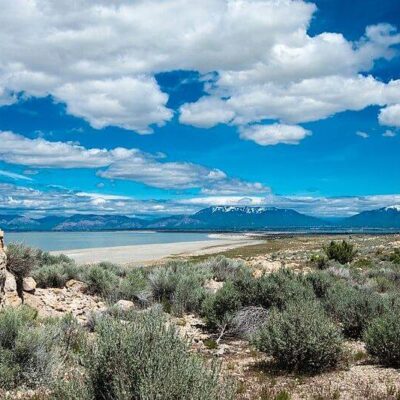
Sixteen miles west of downtown Salt Lake City, where the Wasatch Front drops away to a vast, shimmering expanse of water and sky, Great Salt Lake State Park provides the primary public access point to the largest saltwater lake in the Western Hemisphere. The Great Salt Lake stretches 75 miles long and 35 miles wide, covering approximately 1,700 square miles of northwestern Utah — a remnant of ancient Lake Bonneville that once covered much of the Great Basin during the last Ice Age. Its waters range from 5 to 8 times saltier than the ocean, creating the unique buoyancy that allows anyone to float effortlessly on the surface — an experience often compared to the Dead Sea in Jordan.
The state park, centered around the Great Salt Lake Marina on the lake’s south shore, offers the most accessible gateway to this surreal landscape. Here, visitors can wade into the warm, shallow water and experience the bizarre sensation of unsinkable floating, watch some of the most spectacular sunsets in the American West, observe millions of migratory birds that depend on the lake’s brine shrimp ecosystem, and take in a landscape so otherworldly that it has served as a stand-in for alien planets in film and photography. It is one of the most unusual natural experiences available within easy reach of a major American city.
The Lake: Science and Wonder
How Salty Is It?
The Great Salt Lake has no outlet — rivers flow in, but water only leaves through evaporation. This concentrating effect has produced salinity levels that fluctuate between 5% and 27% depending on lake levels and location. For comparison, the ocean averages about 3.5% salinity. The lake’s north arm (separated by a railroad causeway) is significantly saltier than the south arm, sometimes approaching saturation — the point at which salt begins crystallizing out of the water.
| Measurement | Great Salt Lake | Ocean | Dead Sea |
|---|---|---|---|
| Salinity | 5-27% | 3.5% | 34% |
| Surface Area | ~1,700 sq mi | N/A | 234 sq mi |
| Max Depth | ~33 feet | ~36,000 ft | ~1,000 ft |
| Buoyancy | Very high | Moderate | Extreme |
Ancient Lake Bonneville
The Great Salt Lake is the remnant of Lake Bonneville, a massive freshwater lake that covered approximately 20,000 square miles of the Great Basin during the Pleistocene epoch (roughly 32,000 to 14,000 years ago). At its peak, Lake Bonneville was 1,000 feet deep and roughly the size of modern Lake Michigan. As the climate warmed and dried, the lake shrank dramatically, concentrating minerals and salt. The ancient shorelines of Lake Bonneville are still visible as terraced benches carved into the mountainsides surrounding Salt Lake City — look for the prominent horizontal line roughly 1,000 feet above the current valley floor.
The Brine Shrimp Ecosystem
Despite its extreme salinity, the Great Salt Lake supports a thriving ecosystem centered on two organisms: brine shrimp (Artemia franciscana) and brine flies (Ephydra). Billions of brine shrimp inhabit the lake, and their eggs — called cysts — are harvested commercially for aquaculture feed, generating an estimated $60 million annual industry. The shrimp and fly larvae, in turn, support millions of migratory birds that use the lake as a critical stopover on the Pacific and Central flyways.
What to Do at Great Salt Lake State Park
1. Float in the Lake
The signature experience. The lake’s extreme salinity makes it physically impossible to sink — your body bobs on the surface like a cork, and you can lie back and float with no effort at all. It is a genuinely surreal sensation that surprises even experienced swimmers.
What to expect:
- The water is warm and shallow near shore. Walk out gradually — the bottom is mixed sand and mineral sediment
- You will float noticeably higher than in regular water. Lean back and relax — fighting the buoyancy is counterproductive
- The salt concentration means any cuts or scrapes will sting intensely. Shave at least 24 hours before your visit
- Keep water away from your eyes. The salt is extremely irritating to eyes and mucous membranes
- The water may have a distinct sulfurous or mineral smell, particularly on warm days — this is natural and caused by bacterial activity in the sediment
Essential post-float protocol: Rinse thoroughly at the outdoor showers immediately after leaving the water. If salt dries on your skin, it forms a crusty mineral layer that is uncomfortable and difficult to remove. Bring a towel you do not mind getting stained, and wear a swimsuit you can rinse easily — dark colors hide mineral staining better.
2. Sunset Viewing
The Great Salt Lake produces some of the most spectacular sunsets in the American West. The combination of the vast water surface, mineral particles suspended in the air, and the wide-open western horizon creates intense color displays — oranges, pinks, and purples reflecting off the still water in every direction. The park’s beach and marina area face west, providing unobstructed views.
Best sunset tip: Visit during summer months when the park stays open until sunset. The effect is most dramatic when thin clouds are present to catch and scatter the light. Salt crystal formations along the shore glow pink and gold in the last light — bring a camera with manual exposure capability.
3. Birding
The Great Salt Lake is one of the most important bird habitats in North America, supporting an estimated 7.5 million shorebirds, waterfowl, and other species annually. The lake serves as a critical stopover on the Pacific and Central flyways, and several species depend on it for significant portions of their life cycle.
| Species/Group | Best Season | Numbers |
|---|---|---|
| Wilson’s Phalarope | Jul-Sep | Up to 500,000 (50% of world population) |
| Eared Grebe | Sep-Nov | Up to 2.5 million (60% of North American population) |
| California Gull | Spring-Summer | Utah’s state bird, large breeding colonies |
| American White Pelican | Apr-Oct | Large nesting colonies on Gunnison Island |
| Bald Eagle | Winter | Dozens roost near the south shore |
4. Marina and Boating
The Great Salt Lake Marina provides boat launch facilities for exploring the lake by water. Sailing is popular when conditions allow, and kayaking offers a more intimate experience along the shoreline. Check current conditions before planning — the lake’s historically low water levels have periodically affected marina access and boat launch availability.
5. Visitor Center
The park’s visitor center houses exhibits on the lake’s geology, ecology, and human history, along with a gift shop selling salt crystal formations, brine shrimp souvenirs, and park merchandise. The center is a good first stop for orientation and to check current lake and beach conditions.
Essential Visitor Information
| Detail | Information |
|---|---|
| Address | 13312 W 1075 S, Magna, UT 84044 |
| Hours (Apr-Sep) | Sunrise to Sunset |
| Hours (Oct-Mar) | 8 AM – 5 PM |
| Visitor Center | Daily 11 AM – 7 PM |
| Day-Use Fee | $10 per vehicle |
| Annual Pass | Utah State Parks pass available |
| Camping | Not available (day-use only) |
| Showers | Outdoor freshwater rinse stations available |
| Phone | (801) 828-0787 |
Getting There
Great Salt Lake State Park is located off Interstate 80, Exit 104, approximately 16 miles west of downtown Salt Lake City. From I-80 westbound, take Exit 104 and follow signs to the marina — the park entrance is less than a mile from the exit. The drive from downtown SLC takes approximately 20-25 minutes.
From Salt Lake City International Airport: The park is only 15 miles west of the airport — roughly a 20-minute drive, making it one of the most accessible natural wonders from any major U.S. airport.
Best Time to Visit
| Season | Highlights | Notes |
|---|---|---|
| Spring (Apr-May) | Comfortable temps, bird migration begins | Water can still be cool |
| Summer (Jun-Aug) | Warm water for floating, spectacular sunsets | Can be hot (95°F+), some mineral odor |
| Fall (Sep-Oct) | Peak birding, mild weather, golden light | Ideal overall — eared grebe staging |
| Winter (Nov-Mar) | Bald eagles, dramatic storms, solitude | Reduced hours, water too cold for floating |
For floating, June through September offers the warmest water. For birding, September through November is peak season, with millions of eared grebes staging on the lake. For photography and general atmosphere, October combines pleasant temperatures, dramatic light, and minimal crowds.
Great Salt Lake vs. Antelope Island
Visitors often wonder whether to visit Great Salt Lake State Park or Antelope Island State Park (located on the lake’s largest island, accessible by causeway from Syracuse). The short answer: they offer complementary experiences.
| Feature | Great Salt Lake SP | Antelope Island SP |
|---|---|---|
| Distance from SLC | 16 miles (20 min) | 40 miles (45 min) |
| Floating | Primary access point | Also available |
| Hiking | Limited | Extensive (30+ miles) |
| Wildlife | Birds primarily | Bison herd, pronghorn, birds |
| Camping | No | Yes (multiple options) |
| Best For | Quick float + sunset | Full-day outdoor adventure |
Nearby Attractions
- Antelope Island State Park: 35 miles north — free-roaming bison herd, extensive hiking, camping, another floating beach
- Bonneville Salt Flats: 90 miles west — vast white salt flat, Speed Week racing, surreal photography
- Salt Lake City: 16 miles east — Temple Square, Natural History Museum of Utah, ski resorts within 45 min
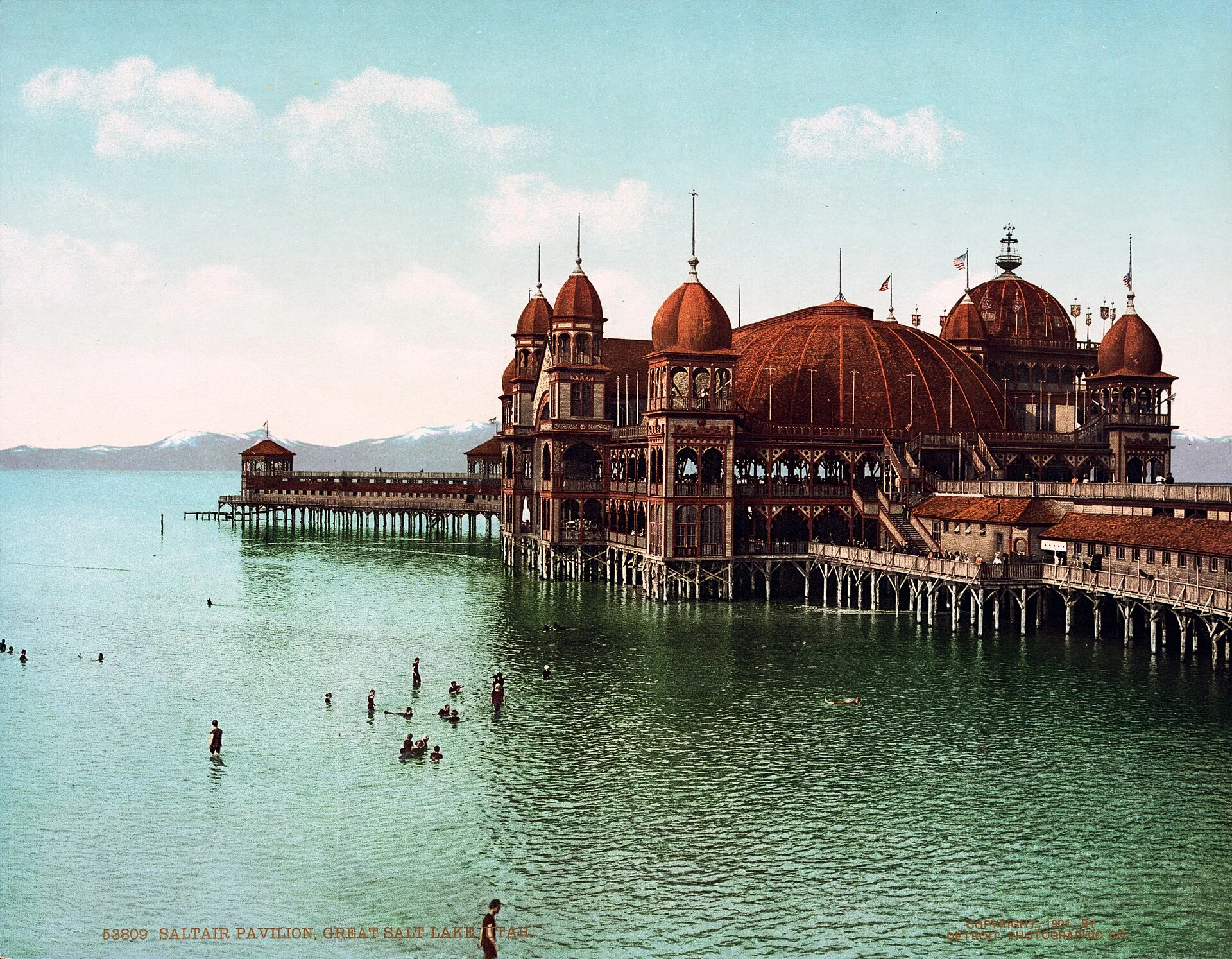
- Saltair: Adjacent — historic concert venue on the lake’s south shore, visible from the park
- Kennecott Copper Mine: 15 miles south — world’s largest open-pit mine, visitor center
Frequently Asked Questions
Can you really float in the Great Salt Lake?
Yes! The Great Salt Lake’s salinity (5-27%) makes it physically impossible to sink. You float effortlessly on the surface, similar to the Dead Sea experience. The sensation is surreal — your body bobs like a cork, and you can lie back and read a book if you choose. Just be careful to keep the water away from your eyes (it stings intensely), and rinse thoroughly at the outdoor showers afterward to remove the salt crust.
Does the Great Salt Lake smell bad?
The lake can have a noticeable sulfurous or mineral odor, particularly on hot summer days. This is caused by natural bacterial activity in the sediment and decomposing brine shrimp — it is completely normal and not harmful. The smell varies significantly by day, wind direction, and season. Many visitors find it mild or unnoticeable, while on hot, still days near the shore, it can be more pronounced. The experience is well worth it despite any temporary odor.
Is Great Salt Lake State Park worth visiting?
Absolutely — if you’re in Salt Lake City and have 2-3 hours, the floating experience alone makes it worthwhile. It’s only 20 minutes from downtown, and floating in water this salty is a genuinely unique sensation you can’t replicate elsewhere in the continental U.S. Combine it with a sunset visit for the best experience. For a full-day lake adventure with hiking and wildlife, add Antelope Island State Park to your itinerary as well.
Can you camp at Great Salt Lake State Park?
No, Great Salt Lake State Park is day-use only. For camping near the lake, Antelope Island State Park offers multiple camping options including individual and group sites. For developed camping near Salt Lake City, East Canyon State Park and campgrounds in the Wasatch National Forest (Big Cottonwood Canyon, Little Cottonwood Canyon) offer excellent alternatives within 45 minutes of the lake.
Make it a road trip: Pair a visit with Antelope Island State Park (within about an hour’s drive) or This Is The Place Heritage Park (within about an hour’s drive).
Camping reservations: Book campsites and cabins for Utah state parks online at utahstateparks.reserveamerica.com.

🐾 Dogs & Pets at Great Salt Lake State Park
- Pets allowed? statewide rule
- Pets are permitted at most Utah state parks and campgrounds, on a leash and never left unattended.
- Leash rule statewide rule
- 6 ft maximum leash required at all times
- Beaches & swim areas statewide rule
- No statewide beach ban; rules vary by park - dogs are prohibited on the beach at Antelope Island, while Jordanelle has a designated area where dogs may swim off-leash
- Cabins & lodging statewide rule
- Pets are allowed in cabins and yurts at most parks (confirm with the park before reserving); additional lodging pet fees may apply
- Pet fees statewide rule
- No pet fee at standard campsites; additional fees apply for pets in cabins, yurts and cottages
- Statewide exceptions statewide rule
- Park-specific restrictions such as Antelope Island's Frary Peak Trail and Deer Creek water areas
Are dogs allowed at Great Salt Lake State Park?
Pets are permitted at most Utah state parks and campgrounds, on a leash and never left unattended. Individual parks can post stricter rules — check signage on arrival.
Rules verified July 2026 via stateparks.utah.gov. More: Utah state parks guide · Dog rules in all 50 states compared
Park Location
Plan your gear for Great Salt Lake State Park
From our editorial guides, matched to this park’s activities: