🌤 Weather at Indian Springs State Park by season
| Spring | Summer | Fall | Winter |
|---|---|---|---|
| 38–84 °F | 64–92 °F | 37–86 °F | 29–61 °F |
Each range runs from the coldest monthly average low to the warmest monthly average high in that season (1991-2020 climate normals), measured at Monticello, 15 mi away, elevation 518 ft. Conditions at the park can differ from the station, especially where elevation differs — check a forecast before you go.

Indian Springs State Park is Georgia’s oldest state park and one of the oldest public recreation areas in the entire United States. Located near the towns of Jackson and Flovilla, this 528-acre park has been drawing visitors to its natural artesian mineral springs since the 1820s — when the Creek Indians believed the sulfur-rich waters possessed healing powers.
Today, Indian Springs blends deep history with relaxed recreation: you can fill your water jug from the original CCC-built spring house, explore the story of the controversial Creek Indian treaties, paddle on Chief McIntosh Lake, camp under towering pines, or hike a connecting trail to the adjacent Dauset Trails Nature Center. For history buffs and families alike, Indian Springs offers a uniquely layered Georgia experience.
Quick Facts at a Glance
| Location | Butts County, Georgia (between Atlanta & Macon) |
| Park Size | 528 acres |
| Established | Public recreation since 1820s; “State Park” designation 1931 |
| Key Feature | Natural artesian mineral springs (sulfur water) |
| Lake | Chief McIntosh Lake |
| Cottages | 10 vacation cottages |
| Campground | RV sites (water/electric, some 50-amp with cable) |
| Trails | Nature trail (3/4 mi) + trail to Dauset Trails (3.25 mi) |
| Nearest City | Jackson, Georgia (5 miles) |
History: From Creek Sacred Ground to Georgia’s First Park
The Creek Indians & the Healing Springs
For centuries before European contact, the Creek Nation valued the mineral springs at Indian Springs for their believed healing and restorative properties. The sulfur-rich artesian water — produced by underground pressure forcing mineral-laden water to the surface — was central to Creek culture in this region.
The Treaties of Indian Springs
The park’s history is entangled with one of the most controversial episodes in Georgia’s past. In 1821, the First Treaty of Indian Springs ceded thousands of acres of Creek land to Georgia. Chief William McIntosh, a Creek leader of mixed Scottish-Creek heritage, was a key figure in these negotiations. McIntosh built the Indian Springs Hotel near the springs, which still stands as a historic structure.
A second treaty in 1825 went even further, but was deeply opposed by much of the Creek Nation. McIntosh was executed by his own people for unauthorized land cessions. The story of the Indian Springs treaties is a poignant chapter in the broader history of Native American displacement in the Southeast.
Resort Era & CCC Construction
Following the treaties, the area around the springs blossomed into a popular resort destination throughout the mid-1800s to early 1900s, with multiple hotels drawing visitors seeking the mineral waters’ health benefits.
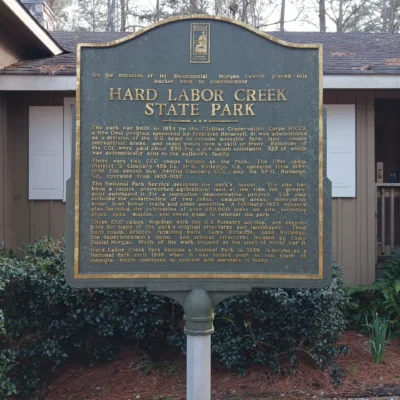
During the Great Depression, the Civilian Conservation Corps (CCC) built many of the park’s enduring stone structures, including the iconic spring house where visitors still collect mineral water today.
The Mineral Springs
The park’s centerpiece is the natural artesian mineral spring, housed in a beautiful CCC-built stone spring house. The water — which has a distinctive sulfur smell due to its mineral content — flows continuously from underground pressure.
Collecting spring water:
- Visitors are welcome to sample and collect the mineral water
- Limit: 25 gallons per vehicle
- Glass containers are prohibited — bring plastic jugs
- Many locals and regular visitors swear by the water’s health benefits
Things to Do
Hiking
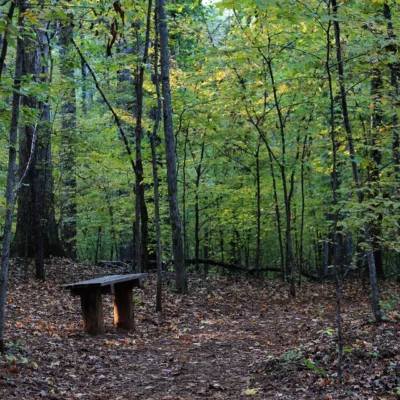
- Nature Trail (3/4 mile): Easy loop through the park’s piedmont forest
- Trail to Dauset Trails (3.25 miles): Connects Indian Springs to the adjacent Dauset Trails Nature Center, offering extended hiking, biking, and wildlife encounters including native Georgia animals in natural habitats
Paddling & Lake Recreation
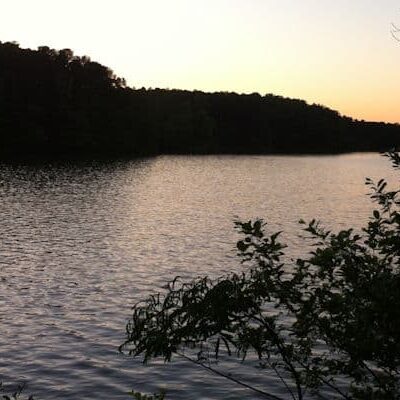
Chief McIntosh Lake is available for fishing and non-motorized boating. Sandy Creek, which runs through the park, offers wading opportunities — popular with kids in summer.
Museum
A small but excellent seasonal museum within the park covers three major eras:
- Creek Indian history and the treaty controversies
- The resort era and mineral springs culture
- CCC construction and the birth of the state park
Camping & Cottages
Camping
Spacious, wooded and shaded RV sites with water and electric hookups (some 50-amp with cable TV). Clean restrooms and bathhouses. Group camp facilities also available.
Cottages (10)
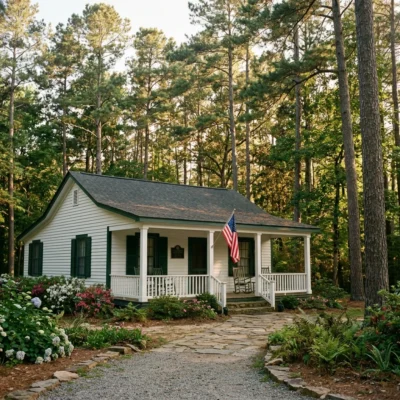
Ten vacation cottages offer a comfortable overnight option with full kitchens and wooded settings. Book through Georgia State Parks.
How to Get There
- From Atlanta (45 minutes): I-75 South to Exit 201, then GA-36 East to the park.
- From Macon (40 minutes): I-75 North to Exit 201, then GA-36 East.
Insider Tips
- Bring jugs for the mineral water — locals come regularly to fill up (25-gallon limit)
- Visit the museum — the Creek Indian treaty history is fascinating and important
- Hike the 3.25-mile connector to Dauset Trails for an extended nature experience with wildlife exhibits
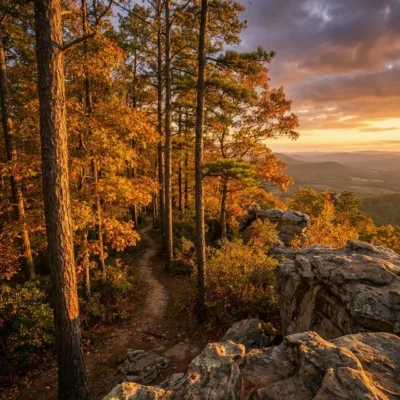
- Spring and fall offer the most comfortable weather and beautiful piedmont forest colors
- Sandy Creek wading is perfect for kids on hot summer days
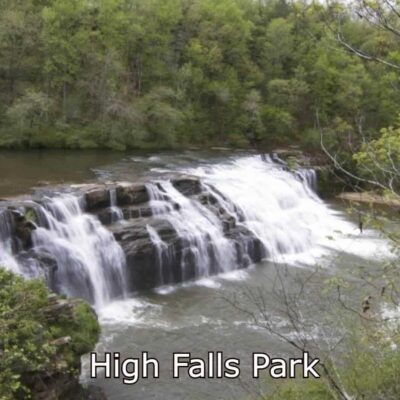
- Combine with a visit to High Falls State Park (15 minutes south) for a Georgia parks double-header
Best Time to Visit
| Season | Conditions | Best For |
| Spring (Mar–May) | Mild (60–80°F), blooming dogwoods | Hiking, museum, spring water |
| Summer (Jun–Aug) | Hot & humid (85–95°F) | Creek wading, camping, lake paddling |
| Fall (Sep–Nov) | Cool (55–75°F), fall colors | Hiking, camping, photography |
| Winter (Dec–Feb) | Mild (40–55°F) | Solitude, cottage getaway, spring water |
💒 Weddings at Indian Springs
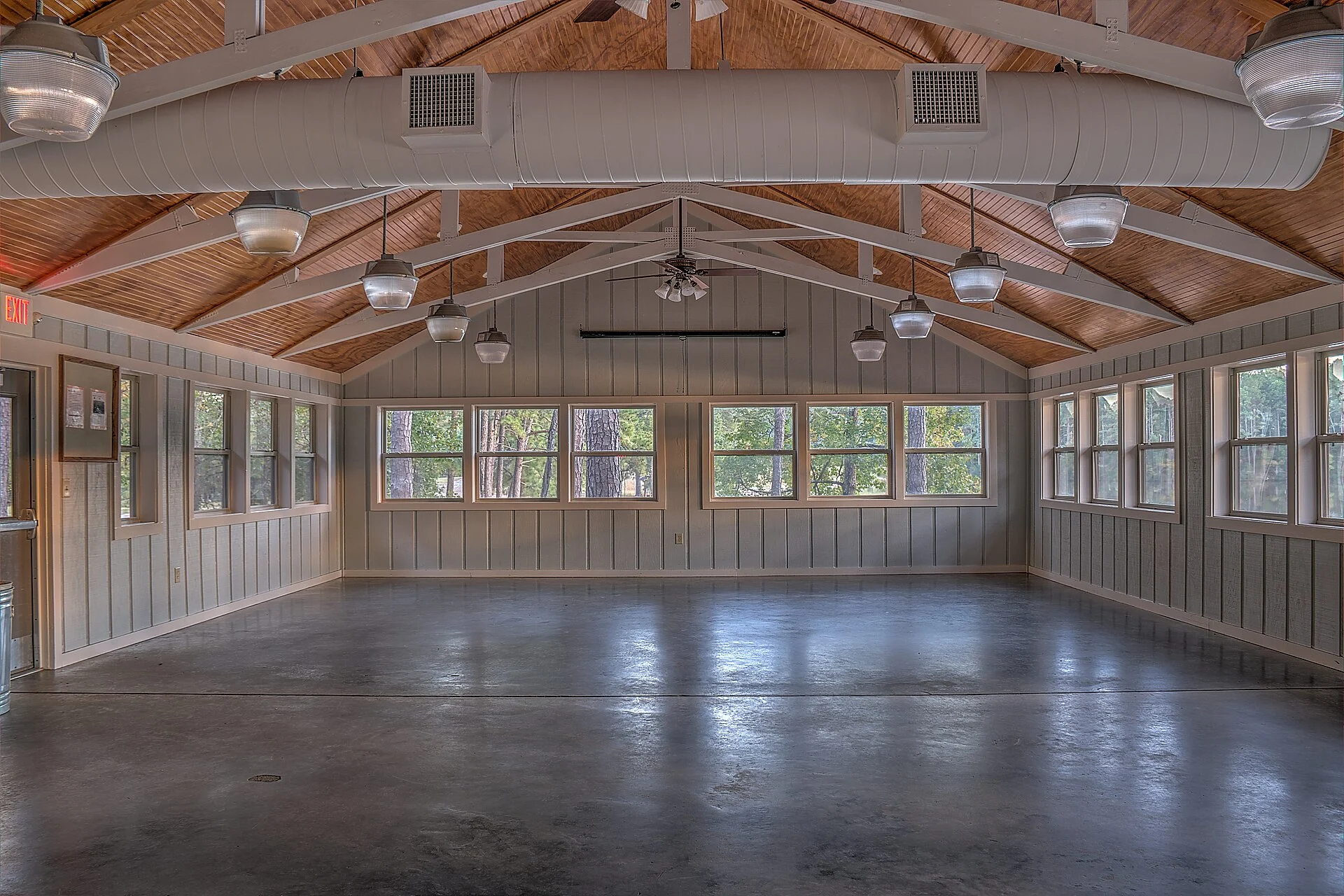
Indian Springs State Park is one of Georgia’s most popular wedding destinations, anchored by the massive Idlewilde Event Center and complemented by historic CCC-era structures that add character no modern venue can replicate.
| Venue | Capacity | Type | Features |
|---|---|---|---|
| Idlewilde Event Center | Up to 500 | Indoor/Outdoor | 20,000 sq ft, lakeside porch, catering kitchen, AV equipment |
| Stone Pavilion | Up to 130 | Indoor | Two rooms, kitchen facilities, open breezeway, CCC-era architecture |
| Group Shelter | Up to 130 | Indoor | Heated/AC, kitchen amenities, BBQ shelter, lakeside location |
The Idlewilde Event Center, opened in 2018, is among the largest wedding venues in any US state park system. Its lakeside porch creates a dramatic ceremony backdrop. The historic Stone Pavilion, built by the Civilian Conservation Corps in the 1930s, provides character and charm for more intimate celebrations.
Wedding packages include ceremony-only options, ceremony plus cottage rental, and ceremony with group shelter reception. The broader Village at Indian Springs offers a total of nine venues across the community, providing flexibility for any wedding size.
Guest accommodations include cottages and camping within the park. Entry requires a $10 ParkPass per vehicle. Contact Georgia State Parks at gastateparks.org/weddings for package details and reservations.
Read our complete State Park Wedding Planning Guide for permit tips and cost breakdowns.
Frequently Asked Questions
Is Indian Springs really Georgia’s oldest state park?
Yes — the area has been used for public recreation since the 1820s, and it officially received “State Park” designation in 1931, making it Georgia’s first and oldest state park.
Can I drink the mineral water?
Yes — the artesian mineral spring water is available for sampling and collection. It has a distinctive sulfur smell and taste due to its mineral content. Many visitors believe in its health benefits. Limit is 25 gallons per vehicle; glass containers are not allowed.
Is this park good for kids?
Excellent! The mineral springs, creek wading, fishing lake, nature trails, and museum make it a great educational and recreational experience for families.
Explore More Georgia State Parks
Discover more in our Best State Parks in Georgia guide, or use our Park Finder to search by activity or features.
More parks in Georgia: High Falls State Park and Jarrell Plantation State Historic Site. See the full Georgia state parks guide.

🐾 Dogs & Pets at Indian Springs State Park
- Pets allowed? statewide rule
- Leashed dogs are welcome in Georgia State Parks, including campgrounds and most park trails, and must be accompanied by the owner at all times.
- Leash rule statewide rule
- Leash no longer than 6 feet required at all times; dogs may not be tied to trees or fences.
- Beaches & swim areas statewide rule
- Pets are not permitted in swimming areas or on beaches.
- Cabins & lodging statewide rule
- Pets are banned from lodges, yurts and group camps; designated dog-friendly cottages are available for a $50 fee per dog (maximum 2 dogs) covering the entire stay.
- Pet fees statewide rule
- No day-use pet fee; $50 per dog (max 2) per stay in dog-friendly cottages.
- Statewide exceptions statewide rule
- Dogs prohibited on certain trails at Tallulah Gorge and Panola Mountain; fenced dog park at Laura S. Walker State Park; 'Tails on Trails Club' rewards program.
Are dogs allowed at Indian Springs State Park?
Leashed dogs are welcome in Georgia State Parks, including campgrounds and most park trails, and must be accompanied by the owner at all times. Individual parks can post stricter rules — check signage on arrival.
Rules verified July 2026 via gastateparks.org. More: Georgia state parks guide · Dog rules in all 50 states compared
Park Map
Plan your gear for Indian Springs State Park
From our editorial guides, matched to this park’s activities: