🌤 Weather at Lincoln Trail State Park by season
| Spring | Summer | Fall | Winter |
|---|---|---|---|
| 32–76 °F | 63–88 °F | 33–81 °F | 19–42 °F |
Each range runs from the coldest monthly average low to the warmest monthly average high in that season (1991-2020 climate normals), measured at Casey, 14 mi away, elevation 620 ft. Conditions at the park can differ from the station, especially where elevation differs — check a forecast before you go.

In March of 1831, a 22-year-old Abraham Lincoln helped drive his family’s oxen along a muddy trail through eastern Illinois. His father Thomas had decided to relocate from Indiana to new farmland in central Illinois, and young Abe—already over six feet tall and rail-thin—walked beside the wagon through the hardwood forests and across the prairies that would someday shape his political future.
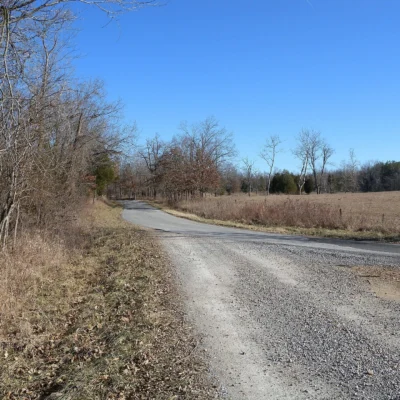
Nearly two centuries later, Lincoln Trail State Park commemorates that journey. The 1,023-acre park encompasses the very landscape the Lincoln family traversed—rolling hills covered in oak and hickory, a protected grove of ancient American beech trees, and the trails that still wind through the same forests where a lanky young man first fell in love with Illinois.
Today, the park offers over 8 miles of hiking trails, a 146-acre lake renowned for exceptional bluegill and crappie fishing, two modern campgrounds, and the rare opportunity to walk through an old-growth beech-maple forest barely changed since Lincoln passed this way. It’s a park with purpose—connecting visitors to both natural beauty and the living history of America’s most revered president.
What Makes Lincoln Trail Special
Lincoln’s Path
Walk the same landscape young Abraham Lincoln traversed in 1831 with his family.
Old-Growth Beech Woods
20-acre American Beech Woods Nature Preserve—a protected old-growth forest.
Trophy Fishing
146-acre lake famous for oversized bluegill and crappie up to 17 inches.
Family Camping
Two Class A campgrounds with modern amenities and lake access.
The Lincoln Connection
The year was 1830. Thomas Lincoln, weary of bad luck and thin soil in Indiana, decided to relocate his extended family to Illinois, where the prairie soil was rumored to be astonishingly fertile. In early March 1831, the Lincoln family loaded their belongings onto ox-drawn wagons and began the long journey west.
Abraham Lincoln, not yet 22 years old but already a young man of unusual height and uncommon wit, helped drive one of the wagons. The trail they followed passed through what is now Clark County—and through the very landscape preserved by Lincoln Trail State Park.
Why It Matters
This wasn’t just a family relocation. It was the beginning of Lincoln’s Illinois identity. Within a year, he would leave his father’s new farm to clerk in New Salem. Within eight years, he would be a state legislator in Springfield. Within thirty years, he would become president—and within thirty-four, he would die as the most consequential American of the century.
The forests, streams, and rolling hills of Lincoln Trail State Park are unchanged since that muddy March journey. When you walk these trails, you walk where Lincoln walked—not as president, but as a young man on the cusp of discovering his destiny.
Hiking Trails
Lincoln Trail offers over 8 miles of well-maintained trails that showcase the park’s diverse habitats—from lakeshore to ridge tops to the protected beech-maple forest:
| Trail | Distance | Difficulty | Highlights |
|---|---|---|---|
| 🌊 Lakeside Trail | 3 mi loop | Easy | Circles Lincoln Trail Lake; water views throughout |
| ⛰️ Ridge Trail | 2 mi | Moderate | Wooded hills, elevation changes, scenic vistas |
| 🌳 Beech Tree Trail | 0.5 mi | Easy | Old-growth beech-maple forest, stairways, footbridges |
| 🍂 Sand Ford Nature Trail | 2 mi | Moderate | Oak-hickory forest, habitat variety |
Trail Highlights
The Beech Tree Trail (Must-Do)
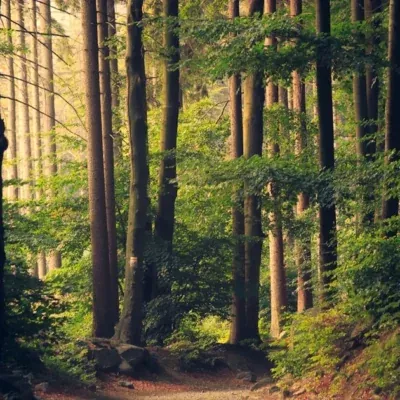
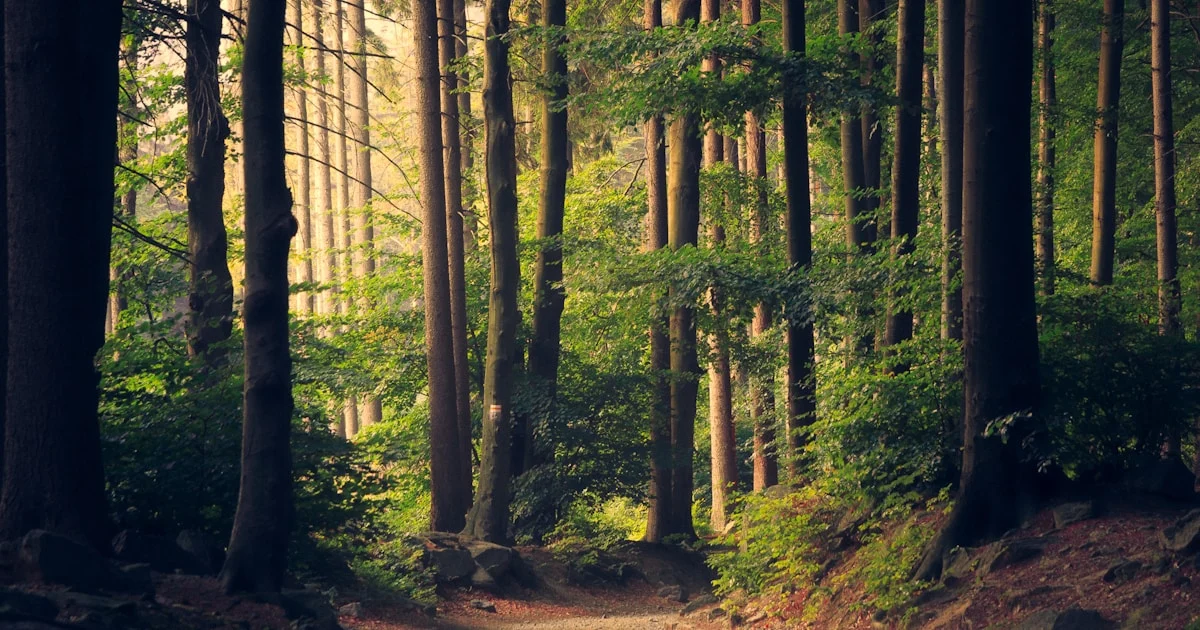
This half-mile trail takes you through the American Beech Woods Nature Preserve—a 20-acre stand of old-growth beech-maple forest that has stood here for centuries. The smooth gray bark of the American beech trees, some with trunks several feet in diameter, creates a cathedral-like atmosphere. These are among the oldest trees in eastern Illinois, and they look much as they did when the Lincoln family passed nearby in 1831.
🌳 Beech Tree Trail Tips
- Best in late summer/early fall when light filters through the canopy
- Watch for wildflowers in spring (trillium, Solomon’s seal)
- The nature preserve is closed to hunting—exceptional for wildlife viewing
- Trail includes stairways and footbridges—not wheelchair accessible
The Lakeside Trail
This 3-mile loop circles Lincoln Trail Lake, offering constant water views and excellent opportunities for wildlife spotting. Herons, kingfishers, and occasionally bald eagles fish along the shoreline. In fall, the oak-hickory forest surrounding the lake puts on a colorful show.
Fishing Guide
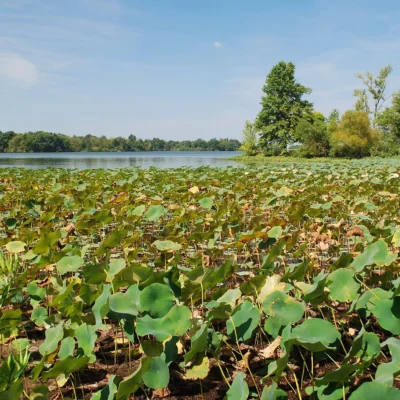
Lincoln Trail Lake is one of eastern Illinois’ premier panfish destinations. The 146-acre lake, with a maximum depth of 41 feet, consistently produces oversized bluegill and crappie that attract anglers from across the region.
| Species | Status | Notes |
|---|---|---|
| 🐟 Bluegill | ⭐ Excellent | Many over 8 inches—trophy-class for the species |
| 🐟 Black Crappie | ⭐ Excellent | Abundant; some up to 17 inches, over 2 lbs |
| 🐟 Redear Sunfish | Good | Alternative panfish target |
| 🐟 Largemouth Bass | Good | Healthy population; typical Midwest quality |
| 🐱 Channel Catfish | Good | Regularly stocked; good numbers |
Fishing Access & Regulations
- 🚤 Boat Launch: Ramp with dock and trailer parking available
- ⚙️ Motor Limit: 10 horsepower maximum
- 🛶 Rentals: Boats available at concession stand; dock rentals seasonal
- 🎣 Pole Limit: 2 poles/lines per person
- 📏 Special Limits: Size and creel limits in effect—check at park office
- 🚫 Swimming: NOT allowed in Lincoln Trail Lake
🎣 Panfish Insider Tips
- Bluegill: Target beds in shallow water late May/June; wax worms or small jigs
- Crappie: Spring and fall best; fish brush piles and submerged structure with minnows or jigs
- Best Access: Boat fishing is most productive—rent if you don’t have your own
- Ice Fishing: Excellent when lake freezes; portable shelters only
Camping
Lincoln Trail offers two Class A campgrounds with modern amenities, making it excellent for family camping trips:
Plainview Campground
Set on higher ground with views of the surrounding landscape, Plainview offers slightly more elevation and typically drier conditions. Sites are shaded by mature hardwoods.
Lakeside Campground
Closer to Lincoln Trail Lake with easier water access. This campground also includes Class C (primitive tent) camping areas for those seeking a more rustic experience.
| Campground | Type | Amenities |
|---|---|---|
| 🏕️ Plainview | Class A | Electric, showers, restrooms, water |
| 🌊 Lakeside (Class A) | Class A | Electric, showers, restrooms, water, lake access |
| ⛺ Lakeside (Class C) | Primitive | Tent sites, vault toilets, fire rings |
Campground Amenities
- 🚿 Showers: Modern shower buildings
- ⚡ Electric: Available at Class A sites
- 🧒 Playgrounds: Available in campground areas
- 🚮 Dump Station: Sanitary station available
- 🔥 Fires: Fireblocks at each site
- 📅 Reservations: Book up to 180 days in advance
When to Visit: The Seasonal Guide
🌸 Spring (March – May)
The season to remember Lincoln’s journey—March 1831 is when the family passed through. Dogwoods and redbuds bloom throughout the forest. Wildflowers carpet the beech-maple preserve. Crappie fishing peaks as the lake warms. Trails can be muddy, especially early season.
Best for: History buffs, wildflower enthusiasts, spring fishing
☀️ Summer (June – August)
Peak camping season. The lake is perfect for boat fishing, and bluegill bedding provides excellent panfish action in June. Shade from the mature forest canopy makes trails comfortable even on hot days. Campgrounds fill on weekends—reserve ahead.
Best for: Families, camping, fishing
🍂 Fall (September – November)
Spectacular. The oak-hickory forest blazes with color—typically peaking mid-to-late October. Crowds thin after Labor Day. Fishing picks up again as water cools. This is arguably the best season—perfect hiking weather, beautiful scenery, manageable crowds.
Best for: Hikers, photographers, anyone seeking fall color
❄️ Winter (December – February)
When Lincoln Trail Lake freezes, ice fishing becomes popular. Cross-country skiing is available on 6 miles of park roads when closed to traffic. The bare trees reveal the rolling topography hidden by summer foliage. Fewer visitors means solitude.
Best for: Ice anglers, cross-country skiers, solitude seekers
Wildlife
The mix of mature forest, lake, and protected nature preserve creates excellent wildlife habitat:
| Species | Where/When | Notes |
|---|---|---|
| 🦌 White-tailed Deer | Throughout; dawn/dusk | Very common in park |
| 🦅 Bald Eagles | Lake, especially winter | Watch for fishing over open water |
| 🦆 Great Blue Herons | Lakeshores | Resident; hunting shallows |
| 🐿️ Fox Squirrels | Beech-maple woods | Large, rusty-colored; common in preserve |
| 🐦 Pileated Woodpeckers | Old-growth areas | Listen for drumming; look for rectangular holes |
Day Use & Picnicking
Lincoln Trail offers excellent day-use facilities for families and groups:
- 🌳 Shaded Picnic Areas: Tables, stoves, restrooms, water
- 🏠 Picnic Shelters: 4 shelters available for reservation (1 with electricity)
- 🧒 Playgrounds: Available near picnic areas
- 🍖 Concession Stand: Seasonal—boat rentals and snacks
Hunting
Lincoln Trail State Park allows hunting under specific regulations:
- 🦌 Archery Deer: Permitted in designated areas
- 🦃 Fall Archery Turkey: Permitted
- 🐿️ Squirrel: Hunting allowed
- 🦝 Furbearer (Raccoon): Permitted
⚠️ Hunting Note
The 20.5-acre American Beech Woods Nature Preserve is closed to all hunting. Hunters must check current regulations at the site office or IDNR website before hunting.
Practical Information
| Item | Details |
|---|---|
| 🎟️ Entry Fee | FREE |
| 🏕️ Camping | Class A from $25/night; reserve at reserveamerica.com |
| 🚤 Boat Rental | Available at concession (seasonal) |
| ⚙️ Motor Limit | 10 HP maximum on lake |
| 📶 Cell Service | Variable; may be limited in some areas |
Getting There
- 📍 Location: 2 miles south of Marshall, Illinois in Clark County
- 📍 From Indianapolis: ~1.5 hours west via I-70
- 📍 From Champaign: ~1.5 hours southeast via I-74 and US-36
- 📍 From St. Louis: ~2.5 hours east via I-70
Nearby Lincoln Sites
Combine your visit with other Lincoln historical locations:
- 🏠 Lincoln Trail Homestead State Park: Where Lincoln’s family first settled in Illinois (1830)
- 🏛️ Lincoln Log Cabin State Historic Site: Thomas Lincoln’s final home
- 🏛️ Springfield Lincoln Sites: Home, law office, tomb (~2 hours northwest)
Frequently Asked Questions
Did Abraham Lincoln actually visit this park?
Lincoln passed through this area in March 1831 while helping his family relocate from Indiana to central Illinois. The park commemorates that journey, preserving the landscape as it appeared in Lincoln’s time.
Can I swim in Lincoln Trail Lake?
No. Swimming is not permitted in Lincoln Trail Lake. The lake is reserved for fishing and boating.
How good is the fishing really?
Excellent, especially for panfish. The lake is regionally famous for oversized bluegill (many over 8 inches) and black crappie (some up to 17 inches, over 2 pounds). It’s one of the best panfish lakes in eastern Illinois.
Can I see the old-growth beech trees?
Yes! The Beech Tree Trail takes you through the 20-acre American Beech Woods Nature Preserve. It’s an easy 0.5-mile walk through one of the finest old-growth beech-maple forests in Illinois.
When should I visit for fall colors?
Peak fall color typically occurs mid-to-late October in eastern Illinois. The oak-hickory forest surrounding the lake is particularly colorful.
Is ice fishing allowed?
Yes, when the lake freezes safely. Ice fishing for panfish and bass is popular. Portable shelters only—no permanent structures.
🎩 Walk Where Lincoln Walked
Lincoln Trail State Park offers a rare combination: natural beauty, excellent outdoor recreation, and a direct connection to one of America’s greatest historical figures. Walk the same trails Abraham Lincoln traveled as a young man. Fish the same waters he passed. Stand among beech trees that were here when his family’s oxen plodded past. This is more than a state park—it’s a pilgrimage.
📍 Address: 16985 E 1350th Rd, Marshall, IL 62441
📞 Phone: (217) 826-2222
Explore More Illinois State Parks
Lincoln Trail State Park is one of many outstanding state parks in Illinois. Discover more parks in our Best State Parks in Illinois guide, or use our Park Finder to search by activity, location, or features.
Make it a road trip: Pair a visit with Crawford County State Fish and Wildlife Area (within about an hour’s drive).

🐾 Dogs & Pets at Lincoln Trail State Park
- Pets allowed? statewide rule
- Pets are allowed in Illinois state parks and on trails as long as they are leashed at all times.
- Leash rule statewide rule
- Leash required at all times; state code caps leash length at 10 feet
- Beaches & swim areas statewide rule
- Pets are prohibited in areas posted 'NO PETS', reserved for beach areas, concession areas and crowded campground/picnic areas (e.g. no dogs on the beach at Illinois Beach State Park)
- Cabins & lodging statewide rule
- Pets are not allowed in campground cabins
- Statewide exceptions statewide rule
- Leash rule exceptions for hunting dogs, field trials and dog training areas; pets must not be left unattended
Are dogs allowed at Lincoln Trail State Park?
Pets are allowed in Illinois state parks and on trails as long as they are leashed at all times. Individual parks can post stricter rules — check signage on arrival.
Rules verified July 2026 via dnr.illinois.gov. More: Illinois state parks guide · Dog rules in all 50 states compared
Park Map
Plan your gear for Lincoln Trail State Park
From our editorial guides, matched to this park’s activities: