
🌤 Weather at Montauk Point State Park by season
| Spring | Summer | Fall | Winter |
|---|---|---|---|
| 33–64 °F | 60–80 °F | 42–73 °F | 28–45 °F |
Each range runs from the coldest monthly average low to the warmest monthly average high in that season (1991-2020 climate normals), measured at Montauk Airport, 4 mi away, elevation 7 ft. Conditions at the park can differ from the station, especially where elevation differs — check a forecast before you go.

🏆 Written by a team that has explored 800+ state parks across all 50 states — Montauk Point is one of the most iconic coastal parks on the Eastern Seaboard
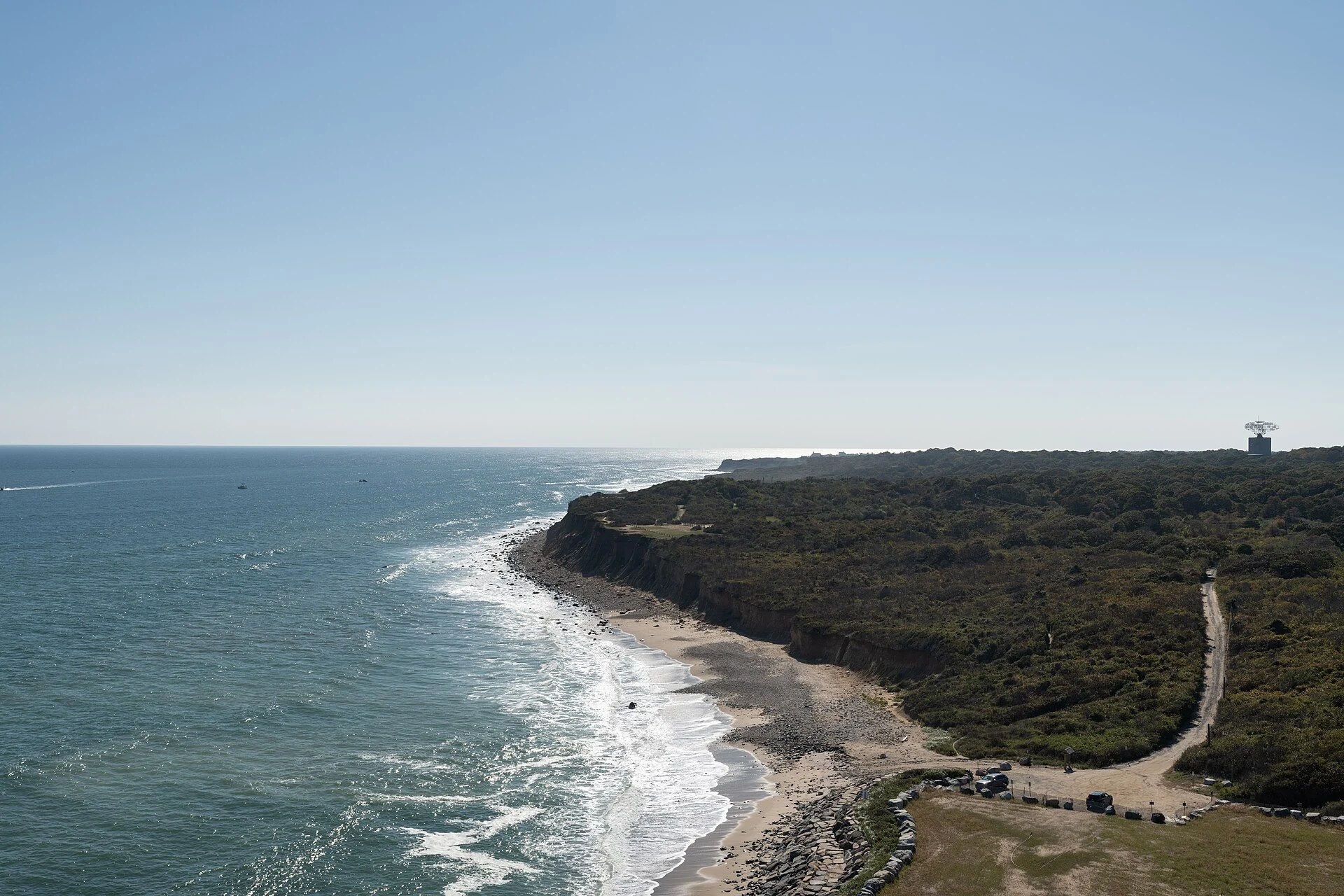
The first thing you notice at Montauk Point is the wind. It isn’t the gentle breeze you felt at the Hamptons an hour ago—it’s a raw, salt-heavy gust that whips off the Atlantic Ocean and grabs at your jacket with genuine force. Then you see it: the Montauk Point Lighthouse, its weathered white tower standing against a sky that seems impossibly wide when you realize there is nothing between you and Portugal but 3,000 miles of open ocean. This is where Long Island ends. Not with a whisper, but with dramatic bluffs, crashing waves, and a piece of American history that has been guiding mariners home since George Washington was president.
Montauk Point State Park occupies 724 acres at the easternmost tip of Long Island, a place where the Atlantic Ocean meets Block Island Sound in a collision of currents that makes this one of the greatest fishing destinations on Earth. The park is anchored by its 1796 lighthouse—the first ever built in New York State and the fourth oldest active lighthouse in the entire country. But Montauk Point is far more than a lighthouse visit. It’s a network of coastal trails that wind past seal colonies, a surfcasting mecca where world records have been set, and a critical stopover on the Atlantic Flyway where thousands of hawks funnel past each autumn. Whether you’re a history buff climbing the 137 steps to the lantern room, an angler casting a bucktail into the boulder-strewn surf, or a nature lover watching harbor seals bask on the rocks below, this park delivers an experience that is uniquely and unforgettably New York.
Top Trails at Montauk Point
Montauk Point’s trail system covers over five miles of marked and unmarked paths that showcase Long Island at its wildest. Unlike the flat, manicured trails you’ll find at parks farther west on the island, these routes cross genuinely rugged coastal terrain—sandy bluffs that drop sharply toward the surf, dense maritime forest where white-tailed deer ghost between the branches, and rocky shorelines where the sound of waves is your constant companion. The trails connect seamlessly with adjacent Camp Hero State Park, effectively doubling your options if you’re looking for a full-day hike.
| Trail Name | Distance | Difficulty | Highlights |
|---|---|---|---|
| Montauk Point Loop | 6.2 mi | Moderate | Complete circumnavigation of the point; ocean views, bluffs, forest, and lighthouse approach |
| Seal Haul Out Trail | 4.3 mi | Easy | Prime seal-watching Nov–Apr; wooded trail to rocky shoreline observation point |
| Point Woods Loop | 2.8 mi | Easy | Shaded forest walk with glimpses of ocean through maritime canopy |
| Lighthouse & Camp Hero Loop | 3.7 mi | Moderate | Connects to Camp Hero via coastal cliffs; abandoned military radar tower views |
| Montauk Point Beach Trail | 1.5 mi | Easy | Shoreline walk parallel to the surf; excellent for beachcombing and tide pools |
The Montauk Point Loop is the park’s signature hike, and it’s best done counter-clockwise so you hit the open coastal bluffs first while your legs are fresh. The footpath narrows in places where erosion has nibbled at the cliff edge, so stay on the marked route—the drop to the rocks below is serious. The Seal Haul Out Trail is gentler and perfect for families. It winds through a quiet stretch of oak and pitch pine forest before opening onto a rocky shoreline where harbor seals gather by the dozens in winter. Bring binoculars and keep a respectful 50-foot distance; the seals are wild animals resting between feeds, and approaching too close will cause them to flush into the water.
Fishing at Montauk Point
Ask any serious East Coast angler about Montauk Point and watch their eyes light up. This is surfcasting’s holy ground—a place where the currents colliding around Long Island’s eastern tip create a nutrient-rich mixing zone that attracts massive schools of baitfish, followed closely by striped bass, bluefish, fluke, and false albacore. More world saltwater fishing records have been set within casting distance of this lighthouse than almost anywhere else on the Atlantic coast. The rocky, boulder-strewn surf line is the antithesis of Long Island’s sandy south shore beaches, and it’s precisely this structure that makes Montauk so productive: stripers ambush baitfish against the rocks, and smart anglers put their lures right in the white water where the strikes happen.
| Fishing Spot | Target Species | Best Season | Technique |
|---|---|---|---|
| North Bar | Striped Bass, Bluefish | Sep–Nov | Surfcasting with bucktails and pencil poppers into the wrap-around current |
| Lighthouse Rocks | Striped Bass, Blackfish | Oct–Dec | Live bait or jigs fished tight to submerged boulders |
| Turtle Cove | Striped Bass, Fluke | Sep–Oct | Deep-water pocket holds swirling bait on dropping tide |
| Camp Hero South Side | Striped Bass, False Albacore | Sep–Nov | Cast into cove corners where bait congregates on tide changes |
| North Side Beach | Striped Bass, Bluefish | Oct–Nov | Best during NE gales when bait pins against shoreline |
Insider tip: The legendary “fall run” peaks in late September through October, when massive schools of bunker and peanut bunker migrate south past Montauk Point. When the blitz happens—and you’ll know because you can literally see the water boiling with feeding fish—drop everything and get to North Bar. Stand where the green waves wrap around the point, cast a white bucktail into the rip current, and hold on. A 30-pound striper in Montauk surf is not a hope, it’s a reasonable expectation during a good blitz. All recreational saltwater anglers must enroll in the free New York State marine fishing registry before casting a line. Spiked boots or wading boots with studs are essential—the rocks are slippery with algae, and a fall here means injury.
Montauk Point Lighthouse
The Montauk Point Lighthouse is not just a pretty backdrop for Instagram photos—it’s a genuine piece of American founding history. In 1792, President George Washington personally authorized its construction, recognizing that New York Harbor handled a third of the nation’s foreign commerce and desperately needed a reliable landfall light for ships approaching from Europe. Construction began on June 7, 1796, under contractor John McComb Jr. (who later designed New York City Hall), and was completed in just five months. The lighthouse began operation in April 1797 with Jacob Hand as its first keeper, and Washington reportedly predicted the tower would stand for 200 years. He was right—and then some.
Today, the lighthouse and its adjacent museum are the park’s most popular attraction. Visitors climb 137 iron steps up the original spiral staircase to the lantern room, where 360-degree views stretch to Block Island on clear days. The museum documents the lighthouse’s maritime history, the Montaukett Native Americans who fished these waters for centuries before European contact, and ongoing erosion-prevention efforts that have saved the tower from toppling into the sea. The lighthouse was designated a National Historic Landmark in 2012.
| Detail | Information |
|---|---|
| Admission | $15 adults / $10 seniors / $5 children (12 and under) |
| Hours | Seasonal – check montauklighthouse.com for current schedule |
| Steps to Top | 137 iron steps (not ADA accessible) |
| Height Requirement | Must be at least 41 inches tall to climb |
| Year Built | 1796 (operational 1797) |
| National Historic Landmark | Designated 2012 |
Photography tip: The best lighthouse shots happen at sunrise when the east-facing tower catches golden light and long shadows stretch across the rocky foreground. Arrive 15 minutes before the parking lot opens and walk in from the Camp Hero side for unobstructed angles that most visitors miss entirely.
Seal Watching at Montauk Point
Between November and April, Montauk Point transforms into one of the best seal-watching locations on the East Coast. Harbor seals are the most common visitors, migrating south from arctic and subarctic regions to rest and conserve energy on the park’s rocky outcrops. But they’re not alone—sharp-eyed observers might also spot harp seals, gray seals, hooded seals, and the occasional ringed seal, making this one of the few places in the lower 48 where five different seal species can potentially be seen in a single visit.
| Seal Species | Likelihood | When | ID Tips |
|---|---|---|---|
| Harbor Seal | Very Common | Nov–Apr | Spotted coat, V-shaped nostrils, dog-like face; most numerous species |
| Gray Seal | Common | Dec–Mar | Larger than harbor seals, horse-like head profile, parallel nostrils |
| Harp Seal | Occasional | Jan–Mar | Adults have distinctive black harp-shaped pattern on silver back |
| Hooded Seal | Rare | Jan–Mar | Blue-gray with dark spots, males have inflatable nasal membrane |
| Ringed Seal | Very Rare | Feb–Mar | Smallest Arctic seal, ring-shaped markings, rarely ventures this far south |
The New York State Parks Department offers guided Seal Walks led by a naturalist from November through April. These 90-minute hikes follow the Seal Haul Out Trail to the prime observation point and include interpretation about seal behavior, migration, and the marine ecosystem. Binoculars are highly recommended (and sometimes available to borrow), and participants should dress in warm layers—the wind at the observation point is relentless. Register through Eventbrite or the park’s events page, as walks fill up quickly during peak months. Critical rule: Never approach seals closer than 50 feet. Disturbing a resting seal is illegal under the Marine Mammal Protection Act and forces the animal to expend critical energy reserves.
Bird Watching Along the Atlantic Flyway
Montauk Point sits at a geographical pinch point on the Atlantic Flyway—the funnel-shaped eastern tip of Long Island concentrates migrating birds into a narrow corridor, making this one of the premier birding destinations in the northeastern United States. During the fall hawk migration (September through November), thousands of raptors including sharp-shinned hawks, Cooper’s hawks, merlins, peregrine falcons, and the occasional golden eagle stream past the lighthouse in numbers that rival more famous hawk watches. The park’s mix of maritime forest, coastal scrub, and open ocean also attracts remarkable songbird fallouts during spring and fall migration, when colorful warblers fill every bush after a night of crossing Long Island Sound.
In winter, the waters offshore host impressive congregations of sea ducks—scoters, long-tailed ducks, eiders, and harlequin ducks ride the swells close to the rocky shoreline. Scan the rocks themselves for purple sandpipers, and check the lighthouse area for snowy owls, which visit in irruption years. Summer brings nesting ospreys and the occasional flyover by endangered roseate terns heading to breeding colonies at nearby Great Gull Island. Bring a spotting scope for seabirds—gannets, shearwaters, and jaegers are regularly spotted from the bluffs with patience and good optics.
Photography Guide
Montauk Point is a photographer’s dream, offering a rare combination of historic architecture, dramatic coastline, and abundant wildlife in a compact area. The lighthouse serves as a natural focal point, but the best images often come from stepping away from the obvious tourist angle at the parking lot fence and exploring the surrounding trails for unique perspectives.
Sunrise at the Lighthouse: This is the marquee shot. The lighthouse faces east, catching the first rays of golden light while the rocky foreground is still in cool blue shadow. Position yourself on the walking path east of the tower, low to the ground, and use the boulders as leading lines. A 24-70mm lens covers the range from tight composition to wide environmental shots. Arrive 30 minutes before sunrise to set up.
Seal Colony Shots: You’ll need a 400mm minimum telephoto from the observation point, as the required 50-foot distance means your subjects are small in the frame without serious reach. Morning light is warmest on the north-facing rocks where seals haul out. A beanbag or monopod helps with the long lens—the wind makes handheld shooting above 200mm very challenging.
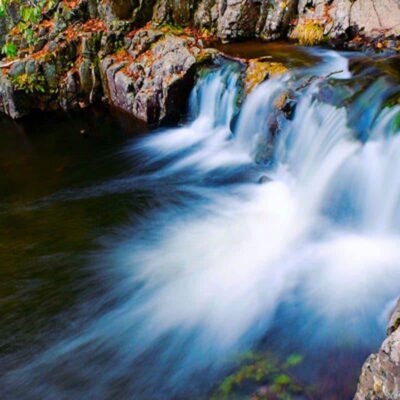
Surf and Wave Action: After a nor’easter, the waves at the point can be spectacular. Position yourself on the bluffs above Turtle Cove (safely back from the edge) and use a fast shutter speed (1/1000+) to freeze spray, or a slow shutter (1-2 seconds with ND filter) for silky water effects around the boulders. The contrast between white surf and dark volcanic rock is striking.
Fall Migration: For hawk silhouettes against sunset, face west from the lighthouse grounds in late afternoon. Use continuous autofocus and burst mode—raptors fly through the frame quickly. For perched birds in the scrub, the Point Woods Loop trail offers the closest approach to songbird fallout concentrations.
Seasonal Guide: When to Visit
Montauk Point is open year-round from sunrise to sunset, and each season brings a dramatically different character to the park. The key to a great visit is timing your trip to the experience you want most—there’s no bad time, but there is a best time for every activity.
| Season | Weather | Crowds | Best For |
|---|---|---|---|
| Spring (Apr–May) | 50–65°F, breezy, occasional rain | Light | Songbird migration, wildflowers, photography without crowds |
| Summer (Jun–Aug) | 70–85°F, humid, sunny | Heavy | Lighthouse tours, beach walks, osprey nesting, family visits |
| Fall (Sep–Nov) | 55–70°F, crisp, clear skies | Moderate | Surfcasting fall run, hawk migration, seals arriving, peak photography |
| Winter (Dec–Mar) | 30–45°F, windy, dramatic storms | Very Light | Seal watching, sea ducks, storm surf, solitude at the lighthouse |
Best overall visit: October is the sweet spot. The fall run brings incredible fishing, hawk migration peaks mid-month, seals begin arriving on the rocks, summer crowds have vanished, and the light is low and golden all afternoon. Water temperatures are still bearable if you fall in while surfcasting (it happens), and the lighthouse museum is open with shorter lines. If you can only visit once, make it October.
Fees and Parking
Montauk Point State Park charges a daily parking fee during peak season but remains free to enter on foot or by bicycle year-round. The parking fee structure is straightforward, and the lots can fill to capacity on summer weekends and fall fishing weekends—arrive before 8 AM for guaranteed spots during these periods.
| Expense | Cost | Notes |
|---|---|---|
| Parking (Peak Season) | $8/vehicle | Late May–early Sep daily; Sep–mid-Oct weekends & holidays |
| Parking (Off-Season) | Free | Mid-October through late May weekdays |
| Empire Pass | $80/year | Unlimited access to all NYS parks; pays for itself in 10 visits |
| Lighthouse Admission | $15 adult / $10 senior / $5 child | Separate from parking; includes museum |
| Seal Walk (Guided) | Free–$5 | Registration required; some walks are donation-based |
Budget tip: If you’re planning multiple visits or exploring other Long Island state parks like Hither Hills State Park, Shadmoor State Park, or Camp Hero State Park (which shares a border with Montauk Point), the Empire Pass is a no-brainer. Some local libraries offer Empire Passes for loan—check the East Hampton or Montauk library for availability before buying.
Budget Planner
| Expense | Day Trip | Weekend (2 Days) | Extended (5 Days) |
|---|---|---|---|
| Parking | $8 | $16 | $40 |
| Lighthouse Admission (2 adults) | $30 | $30 | $30 |
| Food & Drinks | $25 | $80 | $200 |
| Camping at Hither Hills | — | $70 | $175 |
| Fishing Gear/Bait | $20 | $40 | $80 |
| Total | $83 | $236 | $525 |
Nearby Camping Options
Montauk Point State Park does not offer camping within its boundaries, but excellent campgrounds are just a short drive away. Hither Hills State Park, located about 8 miles west on Route 27, is the premier option with 153 campsites set behind a stunning oceanfront beach. These sites accommodate tents, pop-ups, and RVs (no full hookups, but water is available), and the campground fills months in advance for summer weekends—book through ReserveAmerica the moment reservations open in January.
Montauk County Park offers a more rustic alternative with outer beach camping for self-contained trailers only (no tents). It’s popular with anglers who want quick access to both Montauk Point and the Montauk surf beaches. Note that pets are not permitted at Hither Hills campground, so dog owners may need to explore private campgrounds in the area.
Wildlife and Nature
Beyond the headline-grabbing seals and migratory birds, Montauk Point supports a rich ecosystem adapted to its exposed coastal environment. The maritime forest of pitch pine and oak provides shelter for white-tailed deer, red foxes, raccoons, woodchucks, and eastern cottontail rabbits. In the undergrowth, box turtles and garter snakes navigate the leaf litter. The park’s position at the terminus of a 120-mile island creates a funnel effect where wildlife concentrations can be surprisingly dense.
| Wildlife | Best Time | Where to Look | Tips |
|---|---|---|---|
| 🦭 Harbor Seals | Nov–Apr | Seal Haul Out rocks, north shoreline | Binoculars essential; 50 ft minimum distance legally required |
| 🦅 Migrating Hawks | Sep–Nov | Above lighthouse, coastal bluffs | Peak on NW wind days; sharp-shins and merlins most common |
| 🦌 White-tailed Deer | Year-round | Point Woods Loop, dawn and dusk | Very habituated to people; still maintain distance |
| 🦊 Red Fox | Year-round | Trail edges, parking area at dusk | Do not feed; Montauk foxes are notably bold |
| 🦆 Sea Ducks | Nov–Mar | Offshore waters from bluff overlooks | Scope needed; scoters, eiders, long-tailed ducks in rafts |
| 🦉 Snowy Owl | Dec–Feb (irruption years) | Sandy areas near lighthouse, dunes | Do not approach; report sightings to local bird groups |
The ocean itself is the park’s greatest wildlife spectacle. From the bluffs, you might spot dolphins riding the swells in summer, and humpback whales have been sighted feeding close to shore in recent years as the whale population recovers. The rocky intertidal zone is alive with sea stars, hermit crabs, mussels, and barnacles—kids can spend hours tide-pooling along the sheltered north shore during low tide.
Safety Information
Montauk Point’s raw beauty comes with real hazards that demand respect. The biggest danger isn’t wildlife—it’s the terrain and the ocean. Every year, visitors underestimate the power of the surf and the slipperiness of the coastal rocks. Take these warnings seriously.
| Hazard | Risk Level | Prevention |
|---|---|---|
| 🌊 Rogue Waves | High | Never turn your back on the ocean; stay off rocks marked wet from spray above tide line |
| 🪨 Slippery Rocks | High | Wear spiked boots or cleats; algae-covered boulders are treacherously slick |
| ⚡ Lightning | Moderate | Exposed bluffs are dangerous; retreat to car immediately during storms |
| 🏖️ Cliff Erosion | Moderate | Stay on marked trails; cliff edges are undercut and can collapse without warning |
| 🌬️ Hypothermia | Moderate (winter) | Wind chill at the point can be 15–20°F colder than inland; dress in layers |
| 🐾 Ticks | Moderate (spring/summer) | Treat clothing with permethrin; check thoroughly after hiking through brush |
For surfcasters: Fishing the Montauk rocks is not for beginners. Wear a surf belt over your waders to prevent water from filling them if you fall. Carry a headlamp for pre-dawn sessions—the boulder field is impossible to navigate safely in the dark by memory. Fish with a buddy whenever possible, and let someone know your planned fishing location and return time. If you’re new to rock fishing, spend your first trip observing where experienced locals stand and cast before wading in yourself.
How to Get There
Montauk Point State Park is located at the very end of Route 27 (Montauk Highway), roughly 120 miles east of New York City. The address is 2000 Montauk Highway, Montauk, NY 11954. The drive from Midtown Manhattan takes approximately 2.5–3 hours without traffic, but realistically allow 4 hours on summer weekends when the Long Island Expressway and Montauk Highway slow to a crawl east of Southampton.
Driving directions from NYC: Take the Long Island Expressway (I-495) east to Exit 70, then follow Route 27 East (Sunrise Highway/Montauk Highway) all the way to the end. The park entrance is the last thing on the road before Long Island runs out of land—you literally cannot miss it.
Alternative transport: The Long Island Rail Road (LIRR) runs seasonally to Montauk Station from Penn Station (approximately 3 hours). From Montauk Station, the park is about 6 miles east—a taxi or rideshare is the easiest option. The Hampton Jitney and Hampton Luxury Liner buses also serve Montauk village.
Nearby Attractions
Montauk Point sits in an exceptionally rich area for day trips and extended exploration. The parks and attractions within a 15-mile radius could easily fill a week.
| Attraction | Distance | Time | Why Visit |
|---|---|---|---|
| Camp Hero State Park | Adjacent | Walk-in | WWII bunkers, abandoned radar tower, ocean cliffs, surfcasting |
| Shadmoor State Park | 3 mi | 5 min | Dramatic cliff-top ocean views, WWII observation bunkers, wildflowers |
| Hither Hills State Park | 8 mi | 12 min | Oceanfront camping, “Walking Dunes” trail, sandy beach, fishing |
| Montauk Brewing Company | 5 mi | 8 min | Local craft brewery with tasting room; perfect post-hike stop |
| Montauk Harbor | 5 mi | 8 min | Charter fishing, sunset cruises, fresh seafood restaurants |
| Ditch Plains Beach | 4 mi | 7 min | Montauk’s famous surfing beach; great for watching or riding waves |
Insider tip: Camp Hero State Park shares a boundary with Montauk Point and is accessible by foot—no need to move your car. The abandoned AN/FPS-35 radar tower from the Cold War era is one of the eeriest structures you’ll find in any state park, and the WWII concrete bunkers built into the coastal bluffs are fascinating to explore. Conspiracy theorists know Camp Hero as the alleged site of the “Montauk Project”—whether or not you believe the stories, the atmosphere is genuinely unsettling in the best way.
What to Pack
Montauk Point’s exposed coastal position means conditions can change dramatically within hours. The wind chill factor alone can make a 50°F day feel like 35°F at the point, and afternoon sea fog can roll in without warning. Pack for the conditions you’ll actually face, not the forecast for Montauk village five miles inland.
| Item | Why | Priority |
|---|---|---|
| Wind-resistant jacket | The point is exposed to ocean wind year-round | Essential |
| Binoculars | Required for seal watching and birding from proper distance | Essential |
| Spiked boots/cleats | Algae-covered rocks are dangerously slippery | Essential (for fishing/rocks) |
| Sunscreen | UV reflection off water amplifies exposure | Essential (summer) |
| Layered clothing | Temperature difference between parking lot and point can be 15°F | Essential (fall/winter) |
| Camera with telephoto | 400mm+ for seals and birds; wide-angle for lighthouse | Recommended |
| Tick repellent | Deer ticks are prevalent in the brush and forest trails | Recommended (spring/summer) |
History of Montauk Point
Long before European settlers arrived, the Montaukett people fished and hunted these waters for centuries, building a culture deeply connected to the ocean and the land at Long Island’s tip. The word “Montauk” itself derives from their language, though its exact meaning is debated—some translations suggest “fortified place” or “hilly land.” The Montaukett’s relationship with this landscape was profound and sustainable, and their descendants continue to advocate for recognition and preservation of their heritage today.
The modern history of Montauk Point is inseparable from its lighthouse. In 1792, President George Washington, recognizing that New York City handled a third of the young nation’s foreign commerce, authorized construction of a lighthouse at Long Island’s eastern tip to guide ships approaching through treacherous coastal waters. Contractor John McComb Jr. completed the 110-foot sandstone tower in just five months in 1796, making it the first public works project of the new United States government. The lighthouse has operated continuously since 1797—surviving hurricanes, blizzards, and the relentless erosion that has moved the cliff edge from 297 feet away to as close as 50 feet in some periods.
In the 20th century, the area’s military significance grew. During World War II, Camp Hero was established adjacent to the park as a coastal defense battery disguised to look like a fishing village from the air—complete with fake facades on the concrete bunkers. After the war, the site housed an Air Force radar station whose massive AN/FPS-35 tower still stands as an eerie Cold War relic. The Montauk Point Lighthouse was automated in 1987, its final keeper replaced by modern electronics, and was designated a National Historic Landmark in 2012. Today, the Montauk Historical Society maintains the lighthouse and museum, fighting an ongoing battle against erosion with a boulder revetment along the base of the bluff—a reminder that even America’s most enduring landmarks need constant defense against the sea.
Frequently Asked Questions
Is there an entrance fee for Montauk Point State Park?
There is no entrance fee to walk or bike into the park. However, parking costs $8 per vehicle during peak season (late May through early September daily, and weekends through mid-October). Parking is free during the off-season on weekdays. An Empire Pass ($80/year) covers parking at all New York State Parks and saves money if you visit frequently.
Can you camp at Montauk Point State Park?
No, camping is not permitted within Montauk Point State Park. The nearest campground is Hither Hills State Park, about 8 miles west, which offers 153 campsites behind an oceanfront beach. Summer reservations fill very quickly—book through ReserveAmerica as soon as the booking window opens in January.
When is the best time to see seals at Montauk Point?
Seals are present from November through April, with peak numbers typically in January through March. Harbor seals are the most common, but you may also spot gray seals, harp seals, and rarely hooded or ringed seals. The Seal Haul Out Trail leads to the best observation point. Park-led guided seal walks with a naturalist are offered throughout the season—check the park events page or Eventbrite for schedules.
How long does it take to climb the Montauk Point Lighthouse?
The climb up the 137 iron steps takes about 10–15 minutes including stops for photos and catching your breath. Allow 45 minutes to an hour total for the lighthouse and museum visit. Children must be at least 41 inches tall to climb. The lighthouse is not ADA accessible. Admission is $15 for adults, $10 for seniors, and $5 for children 12 and under.
Is Montauk Point State Park dog-friendly?
Dogs are allowed in the park on a leash no longer than 6 feet. They are welcome on the trails and most areas but are not permitted in the picnic area or near the seal observation zones (where they could disturb resting marine mammals). During seal season, rangers enforce the dog restrictions near the haul-out areas strictly.
What fish can I catch at Montauk Point?
The primary targets are striped bass and bluefish, particularly during the famous fall run from September through November. Other species include fluke (summer flounder), blackfish (tautog), false albacore, and occasionally bonito. All recreational saltwater anglers must register (free) with the New York State marine fishing registry. Be aware of size limits, bag limits, and seasonal closures—regulations change annually.
How far is Montauk Point from New York City?
Montauk Point is approximately 120 miles east of Midtown Manhattan. The drive takes 2.5 to 3 hours without traffic, but allow 4 hours or more on summer weekends and holidays. The Long Island Rail Road runs seasonally to Montauk Station (about 3 hours from Penn Station), from which the park is a 6-mile taxi ride.
Can I visit Camp Hero State Park from Montauk Point?
Yes! Camp Hero State Park shares a boundary with Montauk Point and is easily accessible by foot via the Lighthouse & Camp Hero Loop trail (3.7 miles). You can explore the WWII bunkers, abandoned radar tower, and coastal cliffs without moving your car. Camp Hero also offers additional surfcasting opportunities on its south-facing shore.
🏠 Ready to Experience Montauk Point State Park?
From the nation’s oldest operating lighthouse to world-class surfcasting and seal colonies within walking distance, Montauk Point delivers experiences you won’t find anywhere else on the East Coast. Plan your visit today and discover why this windswept corner of Long Island has captivated visitors for over two centuries.
Explore More New York State Parks
Montauk Point State Park is one of many outstanding state parks in New York. Discover more parks in our Best State Parks in New York guide, or use our Park Finder to search by activity, location, or features.

🐾 Dogs & Pets at Montauk Point State Park
- Pets allowed? statewide rule
- Pets are permitted in most state parks and campgrounds (maximum two pets per site where allowed), but policies vary by park and some parks prohibit pets entirely.
- Leash rule statewide rule
- Leash no longer than 6 ft required, pet under control at all times
- Beaches & swim areas statewide rule
- Pets are not permitted on guarded beaches, boardwalks, pools or spray-grounds
- Cabins & lodging statewide rule
- No uniform statewide rule — pets are prohibited in buildings and most cabins, but some parks designate pet-friendly cabin areas (e.g. Letchworth Cabin Area C); check with the individual park
- Statewide exceptions statewide rule
- Proof of rabies vaccination required upon request; maximum two pets per campsite; some parks (e.g. Wildwood State Park) do not allow pets at all
Are dogs allowed at Montauk Point State Park?
Pets are permitted in most state parks and campgrounds (maximum two pets per site where allowed), but policies vary by park and some parks prohibit pets entirely. Individual parks can post stricter rules — check signage on arrival.
Rules verified July 2026 via parks.ny.gov. More: New York state parks guide · Dog rules in all 50 states compared
Park Location
Plan your gear for Montauk Point State Park
From our editorial guides, matched to this park’s activities:



Top Tours & Activities Near Mystic
 from $100from $75
 from $59