
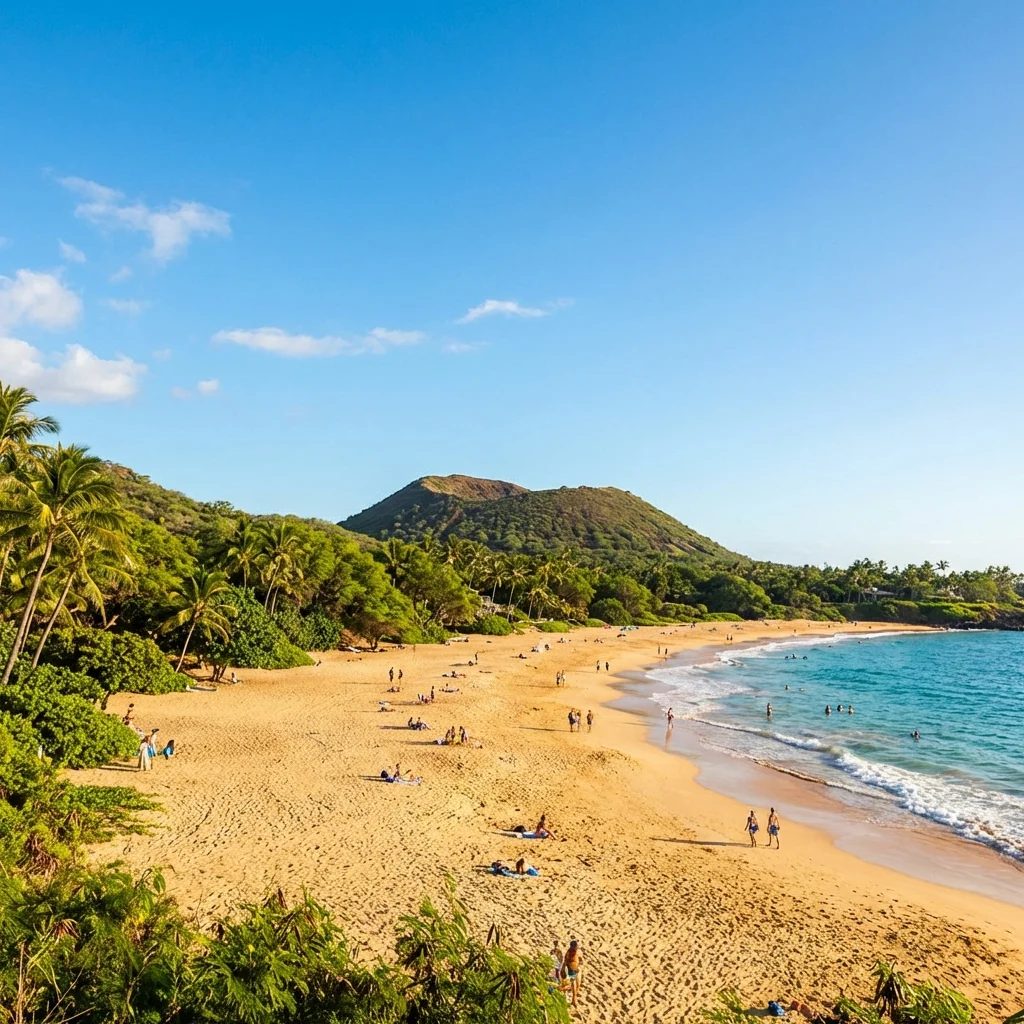
Kilauea Point National Wildlife Refuge

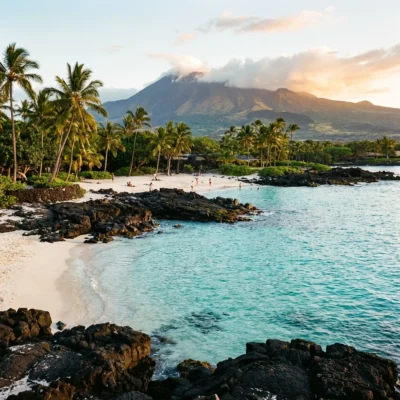
Kilauea Point National Wildlife Refuge is a public state park in Hawaii near Kilauea. Established in 1985, the park offers a peaceful retreat into nature for visitors of all ages.
Quick Facts
| State | Hawaii |
| Nearest City | Kilauea |
| Established | 1985 |
| Google Rating | ⭐ 4.7/5 (700 reviews) |
Location & Getting There
Kilauea Point National Wildlife Refuge is located near Kilauea, Hawaii. The park’s coordinates are 22.2333, -159.4000.
Things to Do
Hawaii state parks protect some of the most stunning landscapes on Earth — from active volcanic calderas and tropical rainforests to pristine coral reef bays and dramatic sea cliffs. Activities include hiking through lush valleys and along volcanic crater rims, snorkeling in crystal-clear protected bays, swimming at world-class tropical beaches, surfing legendary breaks, camping in beachfront and forest settings, kayaking along Na Pali-style coastlines, stargazing at high-altitude sites, and exploring ancient Hawaiian heiau (temples) and petroglyph fields.
Best Time to Visit
Hawaii parks are a year-round destination with consistently warm temperatures (75-85°F). The dry season (April–October) offers the best beach and hiking conditions. The wet season (November–March) brings bigger surf on north shores, whale watching (humpbacks arrive December–April), and lusher waterfalls, though trail conditions can be muddy. Windward (east) sides of each island receive significantly more rain than leeward (west). High altitude parks like Haleakalā can be cold (below 40°F) — bring layers regardless of season.
Visitor Tips
Most Hawaii state parks are free to enter, though some popular sites require advance reservations and parking fees. Diamond Head and Hanauma Bay require mandatory advance reservations. Camping permits must be obtained through the DLNR website in advance. Respect Hawaiian cultural sites — never remove rocks, sand, or artifacts. Many trails close after heavy rain for safety. Reef-safe sunscreen is required by law in Hawaii. Always check current conditions before hiking, as flash floods are a real danger in valley trails.
Frequently Asked Questions
Do I need a reservation for Diamond Head?
Yes, Diamond Head State Monument now requires mandatory advance reservations for all visitors. Reservations can be made online through the Hawaii DLNR website. Walk-ups are not permitted without a reservation.
Is reef-safe sunscreen required in Hawaii?
Yes, Hawaii law requires the use of reef-safe sunscreen to protect coral reefs. Sunscreens containing oxybenzone and octinoxate are banned. Look for sunscreens labeled “reef-safe” or “mineral-based.”
Are Hawaii state parks free?
Most Hawaii state parks are free to enter. Some popular sites like Diamond Head and Hanauma Bay require paid reservations. Camping permits must be obtained through the DLNR website in advance.
Can I camp at Hawaii state parks?
Yes, several Hawaii state parks offer camping including Polihale and Koke’e on Kauai, and Hapuna Beach and Kalopa on the Big Island. Permits must be obtained in advance through the Hawaii DLNR.
Explore More Hawaii State Parks
Kilauea Point National Wildlife Refuge is one of many outstanding state parks in Hawaii. Discover more parks in our Best State Parks in Hawaii guide, or use our Park Finder to search by activity, location, or features.

Park Location
Top Tours & Activities Near Kauai
 from $115
 from $300
 from $950