Painted Rock Petroglyph Site

🪨 Hundreds of Hohokam Petroglyphs on a Desert Boulder Field — 300 to 1450 AD — One of the most concentrated prehistoric rock art sites in the American Southwest, featuring spirals, human figures, bighorn sheep, and lizards carved into basalt boulders — Maricopa County, Arizona
The Painted Rock Petroglyph Site preserves hundreds of rock carvings created by the Hohokam people between approximately 300 and 1450 AD. Located near Gila Bend in the Sonoran Desert of southwestern Arizona, this Bureau of Land Management (BLM) site features a massive pile of dark basalt boulders covered with petroglyphs — spirals, human figures, bighorn sheep, lizards, geometric patterns, and abstract symbols. The petroglyphs were created by chipping away the dark desert varnish on the rock surface to reveal the lighter stone beneath.
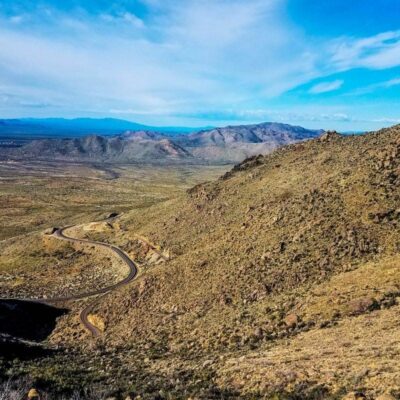
This site sits along what was once the Gila River floodplain (now mostly dry due to upstream damming), which made it a vital agricultural area for the Hohokam. Archaeologists believe the petroglyphs served ceremonial, astronomical, and territorial purposes. Some spiral designs align with solstice and equinox events, suggesting the site functioned as an ancient solar calendar.
What to See
| Feature | Details | Notes |
|---|---|---|
| Main Boulder Pile | Basalt boulders with 100s of petroglyphs | Short walk from parking area |
| Spiral Petroglyphs | Possible solstice/equinox markers | Astronomical significance |
| Animal Figures | Bighorn sheep, lizards, snakes | Hohokam fauna depictions |
| Human Figures | Anthropomorphs, hunting scenes | Cultural storytelling |
| Geometric Patterns | Grids, crosses, concentric circles | Possibly clan markers |
Best Time to Visit
| Season | Temperature | Conditions | Best For |
|---|---|---|---|
| Winter (Nov–Feb) | 55–75°F | Pleasant | Best viewing conditions, comfortable temperatures |
| Spring (Mar–Apr) | 70–90°F | Warming | Wildflowers if wet winter, morning visits recommended |
| Fall (Oct–Nov) | 75–90°F | Cooling | Fewer visitors, golden light for photography |
| Summer (May–Sep) | 100–115°F | EXTREME HEAT | ⚠️ NOT recommended — dangerous desert heat, no shade |
💰 Trip Cost Estimator
| Expense | Cost | Notes |
|---|---|---|
| Day Use | $2/vehicle | BLM fee, honor system pay station |
| Camping | $8/night | Primitive sites with ramadas, no hookups |
| Typical Visit | $2 | 1–2 hours |
⚠️ Safety & Rules
| Rule/Hazard | Details |
|---|---|
| 🚫 Do NOT Touch | Never touch, trace, or chalk petroglyphs — oils damage rock art |
| 🚫 No Climbing | Do not climb on petroglyph boulders |
| 🌡️ Extreme Heat | Summer temps 100–115°F, no shade, bring excessive water |
| 🐍 Rattlesnakes | Watch footing around boulders, especially warm months |
| 🏜️ Remote Location | No services — bring water, food, fuel. Limited cell service |
Frequently Asked Questions
How old are the petroglyphs?
The petroglyphs were carved by the Hohokam people between approximately 300 and 1450 AD. Some may be even older, as earlier cultures also inhabited the Gila River corridor.
Can I touch the petroglyphs?
Absolutely not. Touching petroglyphs transfers skin oils that accelerate erosion of the rock varnish. Never trace, chalk, or apply any substance to the carvings. Photograph only.
Is it worth the drive?
Yes, for rock art enthusiasts. This is one of the most concentrated petroglyph sites in Arizona. The detour from I-8 is about 15 miles on paved road.
Is there camping?
Yes. Primitive BLM campsites with ramadas (shade structures) are available for $8/night. No hookups, no water — bring everything you need.
Can I visit in summer?
Not recommended. Temperatures regularly exceed 110°F with zero shade. Visit October through April for safe, comfortable conditions.
What is desert varnish?
A dark coating of manganese and iron oxides that forms on exposed rock surfaces over thousands of years. The Hohokam carved through this dark layer to reveal lighter stone, creating the petroglyphs.
How far from Phoenix?
Approximately 110 miles (1.5 hours) west of Phoenix via I-10 and I-8. Take Exit 102 (Painted Rock Dam Road) south about 15 miles.
Are there other petroglyphs nearby?
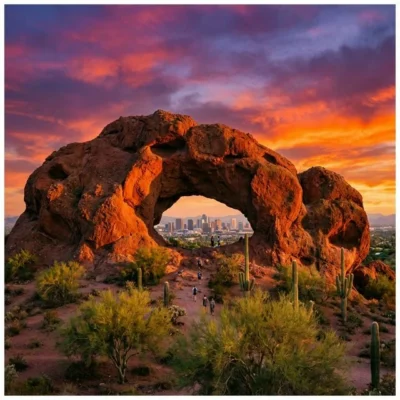
The greater Sonoran Desert has numerous petroglyph sites. South Mountain Park (Phoenix) and Saguaro National Park (Tucson) also feature Hohokam rock art.
🪨 See Ancient Rock Art
Hundreds of petroglyphs carved over a thousand years ago wait in the desert silence. Bring water, a camera, and respect — these carvings have survived 1,500 years and need your help to survive another 1,500.
Wildlife & Nature
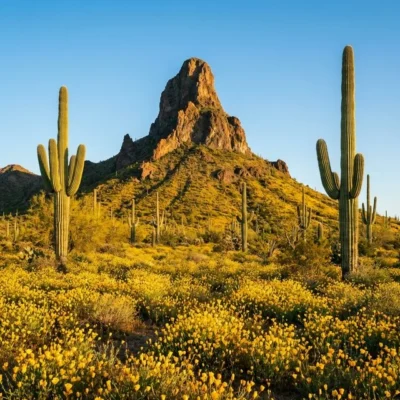
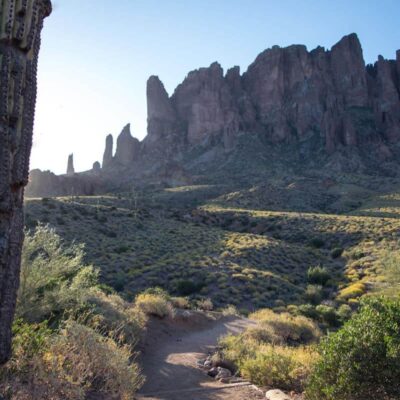
Painted Rock — features hundreds of Native American petroglyphs on a massive basalt boulder — created by the Hohokam people over 1,000 years ago. The site’s Sonoran Desert and basalt outcrops support Gila monsters, roadrunners, and cactus wrens.
Nearby Attractions
Gila Bend — nearby. Maricopa County — surrounding.