
🌤 Weather at Sassafras Natural Resources Management Area by season
| Spring | Summer | Fall | Winter |
|---|---|---|---|
| 33–73 °F | 62–86 °F | 37–78 °F | 25–46 °F |
Each range runs from the coldest monthly average low to the warmest monthly average high in that season (1991-2020 climate normals), measured at Aberdeen Phillips Field, 9 mi away, elevation 57 ft. Conditions at the park can differ from the station, especially where elevation differs — check a forecast before you go.

Overview
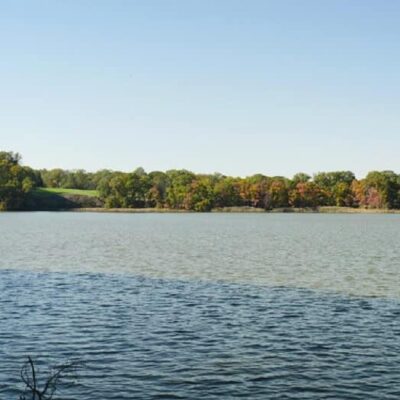
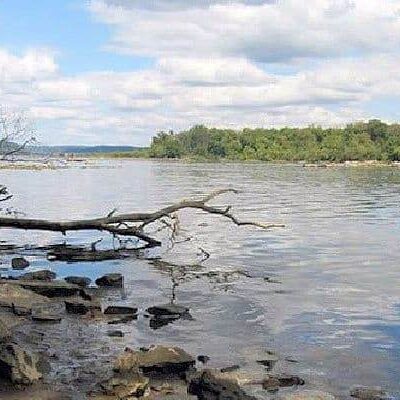
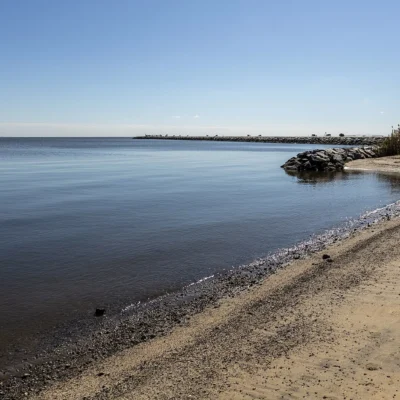
Sassafras Natural Resources Management Area covers approximately 1,100 acres along the Sassafras River and Turner Creek in Kent County on Maryland’s Eastern Shore. The area protects a scenic blend of tidal wetlands, hardwood forests, and agricultural fields on the upper Chesapeake Bay, providing habitat for a wide variety of wildlife including waterfowl, raptors, and the endangered Delmarva fox squirrel.
Recreation and Activities
Hunting is the primary recreational activity, with deer, turkey, waterfowl, and small game hunting permitted during designated seasons. Fishing is available along the Sassafras River and Turner Creek, with opportunities for largemouth bass, catfish, and striped bass. Hiking and nature observation trails provide access to the diverse habitats.
Birdwatching is excellent year-round, with winter waterfowl concentrations and spring songbird migration providing peak viewing opportunities. The tidal marshes attract herons, egrets, and osprey throughout the warmer months.
Location and Access
Sassafras NRMA is located in Kent County on Maryland’s Eastern Shore, accessible from Maryland Route 298 and local roads near the community of Turner. The town of Chestertown is approximately 15 miles to the south.
Frequently Asked Questions
Is there a fee?
Access is generally free. Hunting requires appropriate Maryland licenses and stamps.
Can I launch a boat?
Check with Maryland DNR for current boat launch availability. Small car-top boats and kayaks can typically be launched from designated access points.
Why was sassafras valuable?
When Europeans first arrived, sassafras was believed to cure syphilis and other diseases — making it enormously valuable. Sassafras was one of the first New World products exported to Europe (1584). The aromatic roots were also used for tea and root beer flavoring. While the medicinal claims proved false, sassafras remained culturally important — sassafras tea and file powder (from dried sassafras leaves, essential in Cajun gumbo) are still used today.
Getting There
Located near Betterton in Kent County on Maryland’s Eastern Shore. The Sassafras River was named by Captain John Smith during his 1608 exploration of the Chesapeake Bay — he found abundant sassafras trees used for tea and medicine. The Eastern Shore’s flat farmland and marshes produce world-class waterfowl hunting and birdwatching. Kent County is the least populated county in Maryland.
Insider Tips
Eastern Shore: Sassafras protects forest and farmland on the upper Eastern Shore — a landscape of quiet beauty. Pro tip: The sassafras tree was one of America’s first export products — Europeans believed its aromatic bark cured diseases. Captain John Smith: Smith explored the Chesapeake Bay in 1608 — his remarkably accurate maps guided settlement for centuries.
Best Time to Visit
Fall: Eastern Shore harvest season. Spring: Migrating warblers. Summer: Green canopy hiking. Winter: Waterfowl on nearby rivers.
Nearby parks: If you have extra time, Elk Neck State Park is a short drive away, and Bohemia River State Park is a short drive away.

🐾 Dogs & Pets at Sassafras Natural Resources Management Area
- Pets allowed? statewide rule
- Maryland state parks welcome leashed pets, but where they may go is set park by park under the Maryland Park Service Pet Policy — check each park's designated pet areas.
- Leash rule statewide rule
- 6 ft maximum in designated pet areas and 10 ft in undeveloped areas; off-leash under voice control only while swimming in designated areas
- Beaches & swim areas statewide rule
- At most parks pets are barred from sandy swim beaches from Memorial Day weekend through Labor Day; many parks allow shoreline swimming outside the swim beach
- Cabins & lodging statewide rule
- Most cabins are pet-free, but select parks designate pet-friendly cabins (e.g. Herrington Manor cabins 1-10, New Germany cabins 3-7)
- Statewide exceptions statewide rule
- Pets not allowed in park buildings or playgrounds; pets must be licensed and vaccinated
Are dogs allowed at Sassafras Natural Resources Management Area?
Maryland state parks welcome leashed pets, but where they may go is set park by park under the Maryland Park Service Pet Policy — check each park's designated pet areas. Individual parks can post stricter rules — check signage on arrival.
Rules verified July 2026 via dnr.maryland.gov. More: Maryland state parks guide · Dog rules in all 50 states compared
Park Location
Plan your gear for Sassafras Natural Resources Management Area
From our editorial guides, matched to this park’s activities: