🌤 Weather at Shelbyville State Fish and Wildlife Area by season
| Spring | Summer | Fall | Winter |
|---|---|---|---|
| 31–75 °F | 62–86 °F | 33–80 °F | 18–40 °F |
Each range runs from the coldest monthly average low to the warmest monthly average high in that season (1991-2020 climate normals), measured at Sullivan 3S, 2 mi away, elevation 640 ft. Conditions at the park can differ from the station, especially where elevation differs — check a forecast before you go.

Overview and Significance
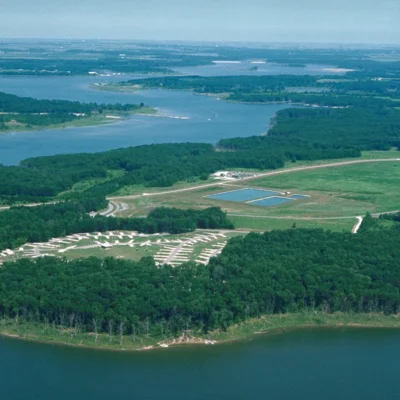
Positioned uniquely at the upper, wilder reaches of the massive Lake Shelbyville project in central Illinois, the Shelbyville State Fish and Wildlife Area (SFWA) is a sprawling, rugged, and intensely managed 6,000-acre conservation zone. Managed by the Illinois Department of Natural Resources (IDNR), this specialized area must not be confused with the nearby, highly developed state parks like Wolf Creek or Eagle Creek. While those parks cater to modern camping, large RVs, and casual summer beachgoers, the Shelbyville State Fish and Wildlife Area is intentionally rugged. It is designed, maintained, and operated almost exclusively to promote diverse, high-quality wildlife habitats and to facilitate traditional, rustic outdoor recreation—namely hunting, river fishing, and dedicated wildlife observation.
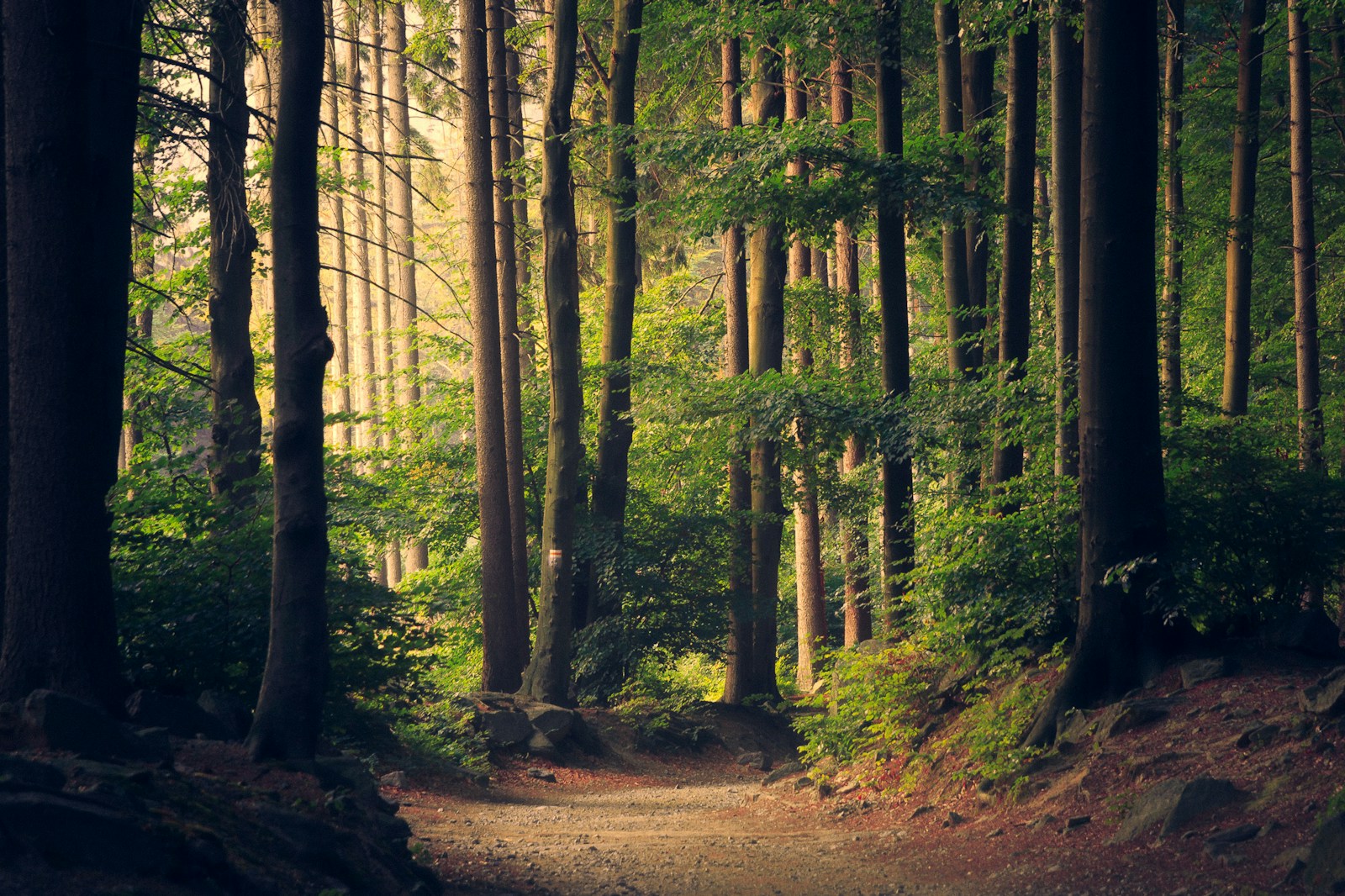
The vast acreage of the SFWA is geographically divided into two entirely distinct, non-contiguous land masses located on opposite sides of the major lake system: the Kaskaskia Unit and the West Okaw Unit. Together, these two units provide an incredibly diverse mosaic of ecosystems, ranging from dense, impenetrable bottomland hardwood forests and flooded river timber to rolling upland prairies, managed agricultural food plots, and intricate seasonal wetlands. For the serious outdoorsman, the dedicated conservationist, or the hunter seeking a genuinely wild, challenging landscape in the heart of Illinois, the Shelbyville State Fish and Wildlife Area provides one of the most productive and expansive public land options in the Midwest.
History of the Shelbyville Project and the SFWA
To understand the purpose and the distinct landscape of the Shelbyville State Fish and Wildlife Area, one must look back to the massive mid-20th-century water management projects undertaken by the federal government. In the 1960s, the U.S. Army Corps of Engineers constructed a massive dam across the Kaskaskia River at the town of Shelbyville. The primary goals were flood control for the volatile Kaskaskia River basin, enhancing regional water supply, and creating a massive new recreational resource for central Illinois. The damming created Lake Shelbyville, an 11,000-acre reservoir with over 250 miles of complex, wooded shoreline.
However, the creation of the massive lake permanently flooded thousands of acres of critical, historic bottomland timber and riverine habitat. To actively mitigate this dramatic loss of terrestrial and wetland wildlife habitat, the U.S. Army Corps of Engineers partnered with the State of Illinois. They leased the critical land at the northern, upper reaches of the new lake—where the Kaskaskia and West Okaw rivers flow into the reservoir—to the IDNR. This land formally became the Shelbyville State Fish and Wildlife Area. Ever since, the IDNR has dedicated massive resources to intensely managing this land to support robust populations of game and non-game species alike, transforming it into a premier conservation success story.
The Two distinct Units: Kaskaskia and West Okaw
Because the main body of Lake Shelbyville forms a massive “V” shape, following the flooded channels of two different river systems, the wildlife area is naturally bifurcated into two distinct units. Each unit offers a slightly different ecological profile and specific advantages for different types of outdoorsmen.
The Kaskaskia Unit
Located on the eastern arm of the lake project, following the original channel of the Kaskaskia River, the Kaskaskia Unit is the larger of the two, encompassing approximately 3,700 acres. This unit is heavily characterized by its deep, extensive bottomland hardwood forests that border the river and the upper lake shallows. The terrain here can be incredibly rugged, heavily timbered, and prone to dramatic, rapid water level fluctuations depending on the seasonal management of the Shelbyville dam downstream. It is a premier destination for forest game hunting and provides excellent, secluded backwater fishing where the river current meets the still lake water.
The West Okaw Unit
Situated on the western arm of the lake, flanking the West Okaw River, this unit spans roughly 2,500 acres. While it still contains significant timber, the West Okaw Unit is renowned for its diverse, actively managed habitat blocks. Here, visitors will find a complex rotation of restored tallgrass prairies, active agricultural leases (where portions of the crops are deliberately left standing to feed wintering wildlife), and shallow, highly managed seasonal wetlands. This diversity makes the West Okaw Unit extremely productive for upland game birds, migrating waterfowl, and wide-ranging predator species.
A Premier Destination for Illinois Hunting
The absolute primary purpose of the Shelbyville State Fish and Wildlife Area is to support public hunting. The IDNR manages the land expressly to maximize the carrying capacity for both game and non-game species, making it a highly challenging but exceptionally rewarding public hunting ground.
Forest Game: Deer and Turkey
Both units boast incredibly strong populations of white-tailed deer and wild turkey. The deep ravines, oak-hickory ridges, and adjacent agricultural food plots create perfect bedding and feeding patterns for mature whitetails. Archery and firearm seasons see heavy use. However, the sheer size of the area allows hunters willing to hike deep into the interior to find genuine solitude. Spring and fall turkey hunters find equal success, particularly along the mature timber edges where the birds roost before feeding in the adjacent prairies and fields.
Upland Game and Furbearers
The West Okaw Unit, with its expansive brushy fence rows, restored native warm-season grasses, and varied crop fields, is heavily managed for upland game. Hunters can successfully cast their bird dogs for bobwhite quail, ring-necked pheasant, and woodcock. Additionally, the area supports robust populations of furbearers and predators, making it a popular destination for nighttime raccoon hunting (with dogs) and winter coyote calling.
Waterfowl Strategies
Because it encompasses the river deltas entering Lake Shelbyville, the area is a major magnet for migrating waterfowl navigating the Mississippi Flyway. Duck and goose hunters utilize the shallow, flooded timber edges and the specific managed wetland sub-impoundments (where the IDNR actively pumps water into crop fields to create temporary duck habitat). Hunting here is highly traditional; boat blinds, temporary shore blinds, and wading in flooded cover are the standard methods.
Critical Regulatory Notice: All hunting at Shelbyville SFWA is strictly governed by statewide regulations and highly specific site rules. Hunters are absolutely required to utilize the IDNR Windshield Card system to report their intended activity and final harvest. Specific zones may be temporarily closed as “Waterfowl Rest Areas” during the fall migration. Always consult the site superintendent or the official IDNR digest before planning a hunt.
Fishing the River Channels and Backwaters
While the main body of Lake Shelbyville is famous for massive powerboats and deep-water trolling, the Shelbyville State Fish and Wildlife Area provides access to a much different type of fishing: the quiet, structure-filled river channels and muddy backwaters where the Kaskaskia and West Okaw rivers feed the lake.
These upper reaches are famous among dedicated anglers for arguably the best crappie fishing in the entire lake system, particularly during the early spring spawn when the fish move into the shallow, woody cover. The heavy current breaks and endless fallen timber (submerged structures) also hold massive flathead and channel catfish. Furthermore, the spring “run” of white bass and walleye moving up the rivers from the main lake provides incredibly fast, exciting action. Due to the shallow water, frequent mudflats, and hidden stump fields, large fiberglass bass boats and cruisers are highly discouraged here. Instead, these waters are best navigated by flat-bottomed jon boats, specialized river skiffs, kayaks, and canoes. Small, rustic boat ramps are provided within the wildlife area exclusively for these types of smaller watercraft.
Wildlife Viewing, Birding, and Nature Study
For those who prefer to shoot with a camera rather than a bow or firearm, the Shelbyville SFWA offers world-class wildlife viewing due to its intense biodiversity. Over 200 species of birds have been officially documented utilizing the area throughout the year.
During the spring and fall migrations, the wetlands and mudflats are covered in diverse shorebirds, herons, and egrets. Winter brings robust populations of bald eagles, which congregate around the open water near the river channels to hunt fish and waterfowl. The varied “edge” habitats—where the deep forest abruptly meets the prairie or the crop fields—are spectacular for viewing raptors, colorful neotropical songbirds, and large mammals like deer grazing in the twilight hours. Because the area has virtually no paved, marked hiking trails, nature viewers must be comfortable with “bushwhacking” through tall grass and timber, relying on stealth and patience to observe the wildlife.
Habitat Management Practices: Behind the Scenes
The ecological success of the Shelbyville SFWA is not an accident; it is the direct result of year-round, intense agricultural and biological management by the IDNR. Visitors will frequently notice these management practices in action during their visit.
- Agricultural Leases: The state leases tracts of arable land to local farmers. In exchange, the farmers are contractually obligated to leave a specific percentage of their crops (usually corn, soybeans, or winter wheat) unharvested standing in the fields. This provides massive, crucial winter food sources for deer, turkeys, and upland birds.
- Controlled Burns: To maintain the health of the oak-hickory forests and the prairie grasses, IDNR staff conduct heavily planned prescribed fires. These low-intensity burns eliminate invasive species, clear the underbrush, and promote the immediate new growth of highly nutritious native plants.
- Wetland Management: By utilizing levees, water control structures, and high-volume pumps, site managers can physically manipulate water levels. This allows them to expose mudflats in the summer to grow moist-soil plants, and then flood those same areas in the autumn to create perfect, shallow feeding grounds for migrating ducks.
Important Visitor Information and Ethics
The Shelbyville State Fish and Wildlife Area is a rustic, utilitarian conservation zone. Prospective visitors must be acutely aware of what the site does not offer. There are no campgrounds, no modern restrooms, no drinking water fountains, no paved walking trails, and no picnic pavilions. Roads within the unit are frequently rough, unpaved gravel or dirt, and can become essentially impassable for low-clearance vehicles following heavy rains or winter snows.
Visitors seeking traditional state park amenities—such as electrical hookup camping, swimming beaches, expansive playgrounds, or paved cycling paths—should immediately pivot their travel plans to the nearby Wolf Creek State Park or Eagle Creek State Recreation Area, both of which are also located on Lake Shelbyville and are specifically designed for high-volume recreational tourism.
Finally, because there are no trash collection services provided deep within the wildlife units, a strict “pack it in, pack it out” ethos must be maintained. Do not leave empty shotgun shells, bait containers, or food wrappers behind. Respecting the land ensures it remains a viable, healthy habitat for the wildlife it was created to protect.
Frequently Asked Questions
Can I bring my RV or pitch a tent for the weekend at the Shelbyville State Fish and Wildlife Area? No. There is absolutely no camping of any kind permitted within the wildlife area. It is entirely a day-use site. For excellent camping, you should reserve a site at nearby Eagle Creek State Recreation Area or Wolf Creek State Park.
Are there paved boat ramps for my large bass boat or pontoon? The SFWA only provides very small, rustic boat access points intended for kayaks, canoes, and small, shallow-draft jon boats used by hunters and river anglers. The water here is shallow, filled with hidden stumps, and dangerous for large boats. Use the major U.S. Army Corps of Engineers marinas on the main lake for large vessels.
Is the wildlife area open for hiking? While you are legally permitted to walk the property, there are no maintained, paved, or marked hiking trails. You must be prepared for rugged off-trail navigation through timber, tall grass, and potentially muddy wetlands. During major hunting seasons (especially firearm deer and waterfowl seasons), casual hiking is strongly discouraged for safety reasons unless you are wearing highly visible blaze orange clothing.
Why are there active farm fields inside a designated wildlife area? The IDNR utilizes “tenant farming.” Local farmers cultivate the land but are required to leave a significant portion of their crops standing through the winter. This practice is a highly effective, cost-efficient method of providing massive amounts of necessary food to sustain the local deer, turkey, and upland bird populations during the harsh winter months.
Do I need a special permit to hunt here? Yes. In addition to all standard, required statewide Illinois hunting licenses and habitat stamps, hunters must register online and carry a site-specific Windshield Card when hunting the Shelbyville SFWA. This card must be displayed in your vehicle, and you are legally required to report your final harvest statistics online to aid the IDNR in population management.
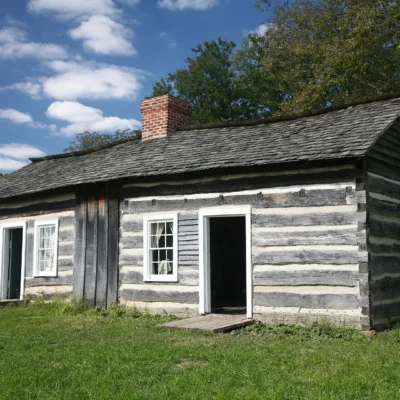
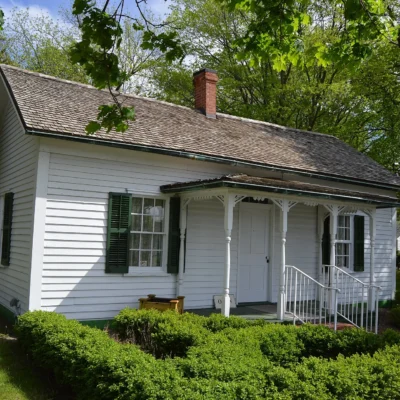
More parks nearby: Wolf Creek State Park is a short drive away, while Bryant Cottage State Historic Site lies a short drive away.

🐾 Dogs & Pets at Shelbyville State Fish and Wildlife Area
- Pets allowed? statewide rule
- Pets are allowed in Illinois state parks and on trails as long as they are leashed at all times.
- Leash rule statewide rule
- Leash required at all times; state code caps leash length at 10 feet
- Beaches & swim areas statewide rule
- Pets are prohibited in areas posted 'NO PETS', reserved for beach areas, concession areas and crowded campground/picnic areas (e.g. no dogs on the beach at Illinois Beach State Park)
- Cabins & lodging statewide rule
- Pets are not allowed in campground cabins
- Statewide exceptions statewide rule
- Leash rule exceptions for hunting dogs, field trials and dog training areas; pets must not be left unattended
Are dogs allowed at Shelbyville State Fish and Wildlife Area?
Pets are allowed in Illinois state parks and on trails as long as they are leashed at all times. Individual parks can post stricter rules — check signage on arrival.
Rules verified July 2026 via dnr.illinois.gov. More: Illinois state parks guide · Dog rules in all 50 states compared
Park Location
Plan your gear for Shelbyville State Fish and Wildlife Area
From our editorial guides, matched to this park’s activities: