🌤 Weather at Double T State Fish and Wildlife Area by season
| Spring | Summer | Fall | Winter |
|---|---|---|---|
| 26–72 °F | 59–84 °F | 28–77 °F | 13–36 °F |
Each range runs from the coldest monthly average low to the warmest monthly average high in that season (1991-2020 climate normals), measured at Avon, 19 mi away, elevation 640 ft. Conditions at the park can differ from the station, especially where elevation differs — check a forecast before you go.

🏆 Prairie Pothole — Managed wetland and grassland in central Illinois — restoring prairie pothole habitat for waterfowl
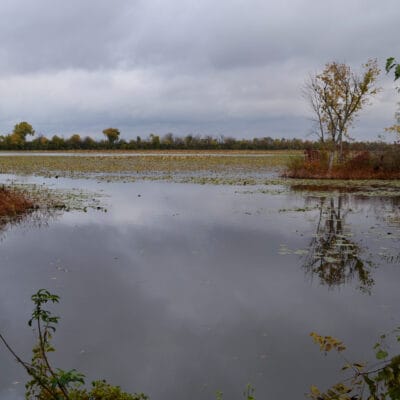
Double T State Fish and Wildlife Area protects managed wetlands and restored grasslands in central Illinois — part of the state’s effort to restore prairie pothole habitat that was drained for agriculture. Illinois lost 90% of its original wetlands to drainage — the most of any state. Sites like Double T recreate the shallow seasonal wetlands that once dotted the prairie landscape and supported enormous populations of migrating shorebirds and waterfowl.
Visitor Information
| Detail | Information |
|---|---|
| Location | Central Illinois |
| Entry Fee | Free |
| Loss | IL lost 90% of wetlands — worst in US! |
About Double T
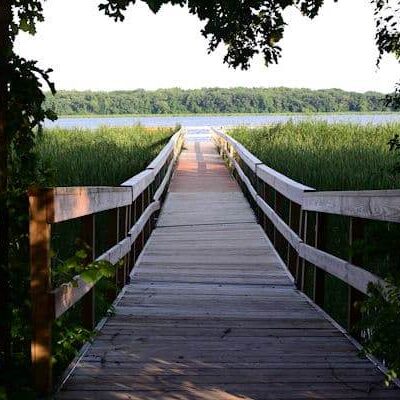
Double T State Fish and Wildlife Area in Lee County provides hunting grounds and fishing in northern Illinois farmland. The area features managed wetlands and grasslands amid the agricultural landscape — providing islands of wildlife habitat in a region dominated by corn and soybean fields.
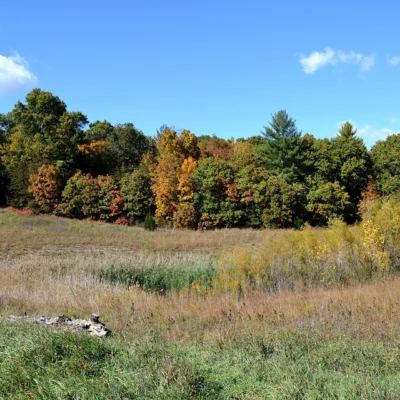
Double T State Fish and Wildlife Area provides hunting and outdoor recreation on former agricultural land being restored to native habitat. Illinois’s fish and wildlife areas represent the state’s commitment to preserving wildlife habitat in one of the most intensively farmed landscapes in America — less than 1% of Illinois’s original tallgrass prairie remains.
Things to Do
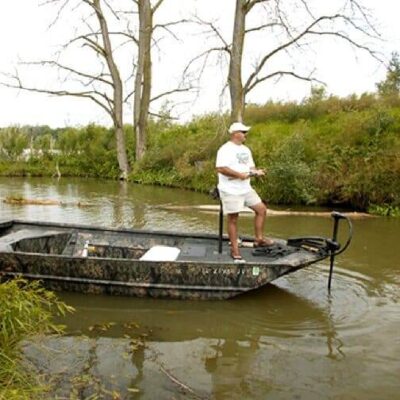
Hunting (pheasant, dove, deer), fishing in the ponds, birdwatching for grassland species, and wildlife observation. The managed habitat supports ring-necked pheasants — Illinois’ premier upland game bird.
Hunting (deer, turkey, upland birds — seasonal), fishing, hiking, wildlife observation, and seeing habitat restoration in action as former farmland returns to native prairie and forest.
Insider Tips
Waterfowl habitat: Double T manages wetland and upland habitat in central Illinois — prime waterfowl hunting territory during fall migration. Pro tip: The managed wetlands attract migrating shorebirds in August-September — look for lesser yellowlegs, pectoral sandpipers, and American golden-plovers. Central Flyway overlap: Central Illinois sits where the Mississippi and Central flyways converge — concentrating migrating birds.
Best Time to Visit
Fall: Waterfowl and shorebird migration. Spring: Breeding marsh birds — soras and Virginia rails call from the cattails. Summer: Fishing and birding. Winter: Waterfowl hunting season.
Frequently Asked Questions
What is a flyway convergence?
Central Illinois sits where the Mississippi Flyway (following the Mississippi/Illinois Rivers) overlaps with Central Flyway migration corridors. This convergence concentrates millions of waterfowl, shorebirds, and songbirds during spring and fall migration — making central Illinois one of the continent’s most important bird migration corridors.
Wildlife & Nature
Double T State Fish and Wildlife Area in central Illinois provides managed habitat for hunting and wildlife viewing. The area’s grassland and wetland management supports ring-necked pheasants — originally from Asia, introduced to Illinois in the early 1900s and now a signature upland game bird. The restored prairie plantings support grassland birds that have declined dramatically across the Midwest — grasshopper sparrows, bobolinks, and Henslow’s sparrows require large grassland tracts that have largely disappeared to agriculture. White-tailed deer, coyotes, and red foxes are resident. Cooper’s hawks — agile forest-edge raptors — hunt songbirds in explosive ambush flights through the vegetation. The area’s wetland units attract migrating waterfowl and shorebirds.
Nearby Attractions
Central Illinois’ agricultural heartland offers peaceful rural recreation. Springfield — Illinois’ capital — has extensive Lincoln-era historic sites. Sangchris Lake State Park provides fishing and camping. Lincoln Memorial Garden in Springfield features native plants. Route 66 heritage sites dot the central Illinois corridor. New Salem State Historic Site preserves the village where Lincoln lived from 1831-1837. Elkhart Hill provides scenic views across the prairie.
More parks in Illinois: Devils Island Wildlife Management Area and Rice Lake State Park. See the full Illinois state parks guide.

🐾 Dogs & Pets at Double T State Fish and Wildlife Area
- Pets allowed? statewide rule
- Pets are allowed in Illinois state parks and on trails as long as they are leashed at all times.
- Leash rule statewide rule
- Leash required at all times; state code caps leash length at 10 feet
- Beaches & swim areas statewide rule
- Pets are prohibited in areas posted 'NO PETS', reserved for beach areas, concession areas and crowded campground/picnic areas (e.g. no dogs on the beach at Illinois Beach State Park)
- Cabins & lodging statewide rule
- Pets are not allowed in campground cabins
- Statewide exceptions statewide rule
- Leash rule exceptions for hunting dogs, field trials and dog training areas; pets must not be left unattended
Are dogs allowed at Double T State Fish and Wildlife Area?
Pets are allowed in Illinois state parks and on trails as long as they are leashed at all times. Individual parks can post stricter rules — check signage on arrival.
Rules verified July 2026 via dnr.illinois.gov. More: Illinois state parks guide · Dog rules in all 50 states compared
Park Location
Plan your gear for Double T State Fish and Wildlife Area
From our editorial guides, matched to this park’s activities: