🌤 Weather at Sutter’s Fort State Historic Park by season
| Spring | Summer | Fall | Winter |
|---|---|---|---|
| 47–81 °F | 59–94 °F | 45–89 °F | 41–62 °F |
Each range runs from the coldest monthly average low to the warmest monthly average high in that season (1991-2020 climate normals), measured at Sacramento 5 Ese, 3 mi away, elevation 38 ft. Conditions at the park can differ from the station, especially where elevation differs — check a forecast before you go.

⛏️ Where the Gold Rush Began — Original 1839 adobe fort, self-guided pioneer exhibits, living history programs, and California’s founding story in the heart of Sacramento
In 1839 — nine years before the Gold Rush would transform California forever — a Swiss immigrant named John Augustus Sutter built an adobe-walled fort in the Sacramento Valley and declared it the capital of his private empire, “New Helvetia.” From these walls, Sutter ran a vast agricultural and trading operation, welcomed weary emigrants arriving on the California Trail, and unknowingly set the stage for one of the most dramatic events in American history. When gold was discovered at his sawmill in Coloma in January 1848, the news spread from this fort to the world — and the resulting stampede of fortune seekers would destroy Sutter’s empire even as it created a new state.
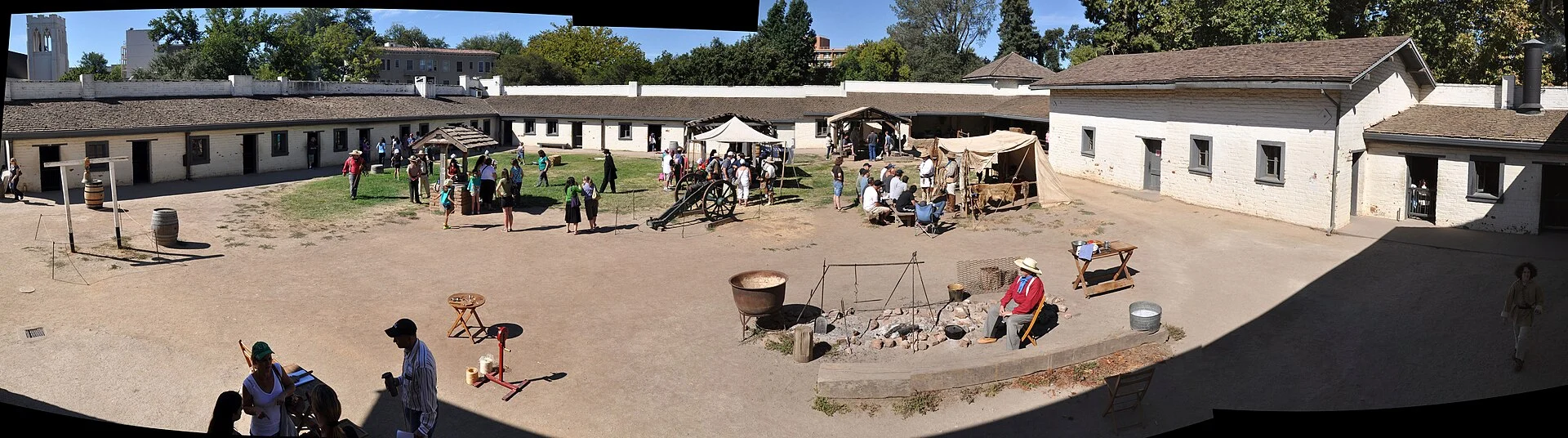
Today, Sutter’s Fort State Historic Park preserves the reconstructed fort at its original location in Midtown Sacramento — a remarkably intact window into pre-Gold Rush California. Walk through rooms furnished with period artifacts, explore the blacksmith shop, trade room, bakery, and prison, and see the actual cannons and tools that defined life at this frontier outpost. The fort sits on the ancestral homeland of the Nisenan people, and modern interpretation addresses both the pioneers’ ambition and the devastating impact of colonization on the Indigenous communities whose world was transformed by Sutter’s arrival.
What to Do at Sutter’s Fort
1. Self-Guided Fort Tour
Walk through the reconstructed fort at your own pace. The central adobe structure contains over a dozen furnished rooms that recreate 1840s life: the trade room where beaver pelts and goods changed hands, the blacksmith shop with original tools, the bakery, the distillery, the carpentry workshop, the kitchen, and Sutter’s personal quarters. Display cases hold artifacts recovered from the site and period, including tools, weapons, documents, and personal items. Park staff and volunteers are stationed throughout to answer questions and bring the history to life.
2. Explore the Exhibits
The fort’s museum exhibits cover multiple threads of California history that converge at this site: the Mexican-era land grants, the California Trail emigrant experience (including the Donner Party, which was partly supplied from the fort), the complex relationships between Sutter and the Nisenan and Miwok peoples, and the Gold Rush that transformed the region almost overnight. The exhibits are especially strong on the daily logistics of frontier life — how food was preserved, how trade goods were valued, and how a single settlement could function as farm, factory, and military post simultaneously.
3. Attend Living History Events
Throughout the year, Sutter’s Fort hosts living history days where costumed interpreters demonstrate 1840s skills: musket firing, candle making, bread baking, blacksmithing, and frontier medicine. The annual California Heritage Day event is the largest, typically held in spring, featuring hundreds of reenactors and dozens of demonstrations. Check the Friends of Sutter’s Fort calendar for upcoming events — they add a dimension that static exhibits cannot match.
4. Connect to the California Trail
The fort includes interpretive content on its role as the western terminus of the California Trail — the overland route that brought tens of thousands of emigrants to California in the 1840s and 1850s. For many exhausted travelers who had just crossed the Sierra Nevada (some barely surviving, like the Donner Party in 1846–47), Sutter’s Fort was literally the first shelter and civilization they encountered. Understanding the fort as a trail’s-end destination adds emotional weight to the visit.
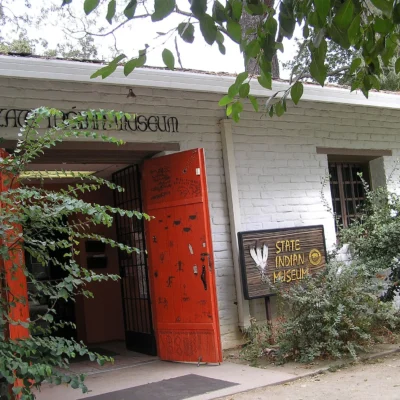
5. Visit the California State Indian Museum
Adjacent to the fort, the California State Indian Museum presents the cultures, histories, and contemporary lives of California’s Indigenous peoples. The museum provides essential context for understanding the full story of Sutter’s Fort — not just the pioneer narrative, but the impact of colonization on the Nisenan, Miwok, and other peoples who had lived in the Sacramento Valley for thousands of years before Sutter’s arrival.
6. Walk Midtown Sacramento
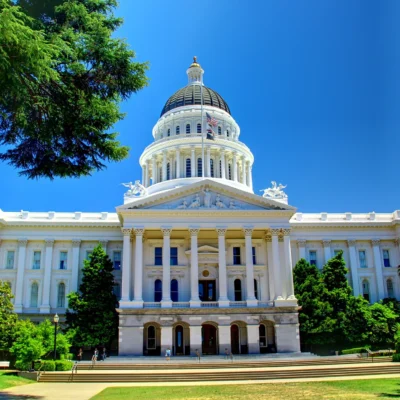
The fort sits in the heart of Midtown Sacramento — one of California’s most walkable urban neighborhoods. After your visit, explore the surrounding blocks: excellent restaurants, craft breweries, coffee shops, murals, and boutiques are all within walking distance. The California State Capitol (1 mile west) and Old Sacramento Waterfront (1.5 miles west) extend the historical experience.
Visitor Information
| Detail | Info |
|---|---|
| Address | 2701 L Street, Sacramento, CA 95816 |
| Hours | Daily, 10:00 AM – 5:00 PM |
| Closed | Thanksgiving, Christmas, New Year’s Day |
| Admission | Adults $5 / Youth (6–17) $3 / Under 5 Free |
| Phone | (916) 445-4422 |
| Parking | No on-site lot — metered street parking nearby |
| Tours | Self-guided; group tours by reservation |
| Accessibility | Ground-floor exhibits accessible; some uneven surfaces |
Best Time to Visit
| Season | Weather | Best For |
|---|---|---|
| Spring (Mar–May) | 60–80°F | Living history events, comfortable outdoor touring |
| Summer (Jun–Aug) | 85–105°F | Longest hours, full programming (hot!) |
| Fall (Sep–Nov) | 65–85°F | Comfortable temps, fewer crowds, beautiful light |
| Winter (Dec–Feb) | 45–60°F | Quiet visits, holiday events, mild weather |
Sacramento summers are hot — 100°F+ is common. The fort is largely open-air, so spring and fall provide the most comfortable visiting conditions. Living history events are concentrated in spring and fall weekends. Winter is mild and quiet — a good time for unhurried indoor exhibit viewing.
💰 Trip Cost Estimator
| Expense | Per Adult | Family of 4 (2A+2C) | Notes |
|---|---|---|---|
| Fort Admission | $5 | $16 | Youth $3; under 5 free |
| Indian Museum | $5 | $16 | Adjacent; separate admission |
| Street Parking | $2–5 | $2–5 | Metered; free on weekends in some areas |
| Lunch (Midtown) | $15–25 | $40–70 | Excellent restaurants walking distance |
| Total (Half-Day) | $25–35 | $75–110 | Fort + museum + lunch |
Nearby Attractions
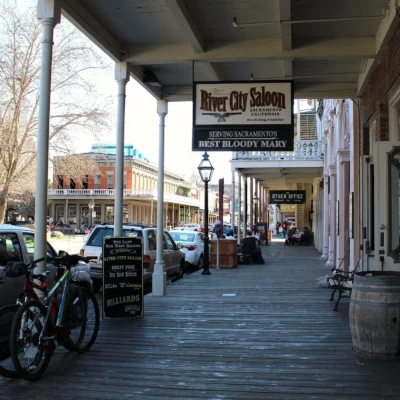
Old Sacramento Waterfront (1.5 miles west) — a National Historic Landmark District with boardwalk-style streets, the California State Railroad Museum, and Gold Rush-era buildings along the Sacramento River. California State Capitol (1 mile west) — free tours of the neoclassical capitol building and its beautiful surrounding park. Marshall Gold Discovery State Historic Park (45 min east in Coloma) — the actual sawmill site where James Marshall discovered gold in 1848, directly triggering the Gold Rush that transformed Sutter’s empire. Combining Sutter’s Fort with Coloma creates a powerful Gold Rush narrative arc.
Frequently Asked Questions
Do I need a reservation?
No reservation is needed for individual visitors. Just arrive during operating hours (10 AM–5 PM). Groups of 10+ and school groups should reserve in advance through ReserveCalifornia or by calling the park.
How long should I plan for a visit?
Most visitors spend 1–2 hours at the fort. Add 45 minutes for the adjacent Indian Museum. Living history event days can easily fill a half-day.
Is there parking?
There is no on-site parking lot. Metered street parking is available in the surrounding Midtown neighborhood. Some areas offer free parking on weekends. The fort is also accessible by Sacramento Regional Transit (SacRT).
Is it good for kids?
Yes — the hands-on exhibits, blacksmith shop, cannons, and interactive living history programs make the fort engaging for school-age children. The self-guided format allows families to move at their own pace.
What’s the connection to the Gold Rush?
Sutter’s Fort is where the Gold Rush story begins. Gold was discovered at Sutter’s sawmill in Coloma (45 min east) in January 1848. News spread from the fort to San Francisco and then the world. The resulting influx of gold seekers destroyed Sutter’s businesses even as it built California.
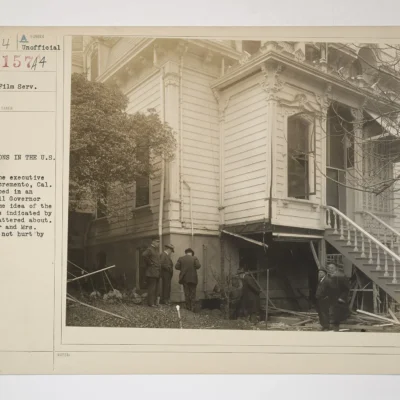
Nearby parks: If you have extra time, State Indian Museum is a short drive away, and Governor’s Mansion State Historic Park is a short drive away.
⛏️ Ready to Walk Through California’s Origin Story?
Step inside the adobe walls where California’s story began — before the Gold Rush, before statehood, when one man’s frontier fort was the gateway to the West.
Wildlife & Nature
Sutter’s Fort SHP — the 1839 settlement founded by John Sutter — the first non-native settlement in California’s Central Valley. James W. Marshall brought gold here from Coloma in 1848, triggering the California Gold Rush. The fort’s reconstructed adobe buildings and grounds support songbirds and raptors.

🐾 Dogs & Pets at Sutter’s Fort State Historic Park
- Pets allowed? statewide rule
- Dogs are permitted in California State Parks only in developed areas — campgrounds, picnic areas, parking lots and paved roads — and are prohibited on most trails, beaches and undeveloped areas unless specifically designated as dog-friendly.
- Leash rule statewide rule
- Maximum 6-foot leash at all times; dogs may not be left unattended.
- Beaches & swim areas statewide rule
- Dogs are prohibited on most state beaches; only beaches specifically designated as dog-allowed permit them (varies by park).
- Cabins & lodging statewide rule
- Pets are generally not allowed in buildings or cabins; overnight campers must keep dogs inside a tent or vehicle at night.
- Statewide exceptions statewide rule
- Designated dog-friendly trails and beaches vary park by park; misrepresenting a pet as a service animal is a misdemeanor.
Are dogs allowed at Sutter’s Fort State Historic Park?
Dogs are permitted in California State Parks only in developed areas — campgrounds, picnic areas, parking lots and paved roads — and are prohibited on most trails, beaches and undeveloped areas unless specifically designated as dog-friendly. Individual parks can post stricter rules — check signage on arrival.
Rules verified July 2026 via parks.ca.gov. More: California state parks guide · Dog rules in all 50 states compared