

🌤 Weather at William L. Davenport Refuge State Natural Area by season
| Spring | Summer | Fall | Winter |
|---|---|---|---|
| 39–80 °F | 64–89 °F | 37–84 °F | 29–54 °F |
Each range runs from the coldest monthly average low to the warmest monthly average high in that season (1991-2020 climate normals), measured at Shelbyville Water Dept, 1 mi away, elevation 760 ft. Conditions at the park can differ from the station, especially where elevation differs — check a forecast before you go.

🏆 Wildlife Refuge — Protected habitat for Tennessee’s native wildlife species
William L. Davenport Refuge State Natural Area is a wildlife refuge protecting habitat for Tennessee’s native species. The refuge preserves undisturbed forest and wetland habitat that provides critical breeding, foraging, and shelter areas for wildlife.
Visitor Information
| Detail | Information |
|---|---|
| Location | Tennessee |
| Entry Fee | Free |
| Purpose | Wildlife refuge |
Frequently Asked Questions
Can I visit the refuge?
Access may be restricted during sensitive wildlife periods. Check with Tennessee Division of Natural Areas for current access policies.
What is the Mississippi Flyway?
The Mississippi Flyway is one of four major bird migration corridors in North America — stretching from the Gulf of Mexico to the Arctic. Billions of birds (325+ species) use the flyway annually. The Mississippi River and its bottomland wetlands provide essential food, water, and resting habitat. Tennessee’s western wetlands are critical links in this continental chain.
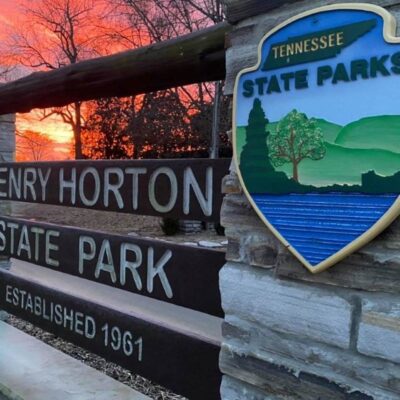
Nearby state parks: If you have extra time, Henry Horton State Park is a short drive away, and Laurel–Snow State Natural Area is a short drive away.
🦌 Visit William L. Davenport Refuge SNA
Wildlife refuge — protecting habitat for Tennessee’s native species.
About Davenport Refuge
William L. Davenport Refuge State Natural Area protects habitat dedicated to wildlife conservation in Tennessee. The refuge provides sanctuary for native species in a landscape increasingly fragmented by development.
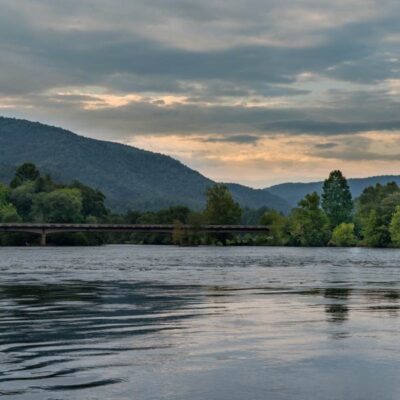
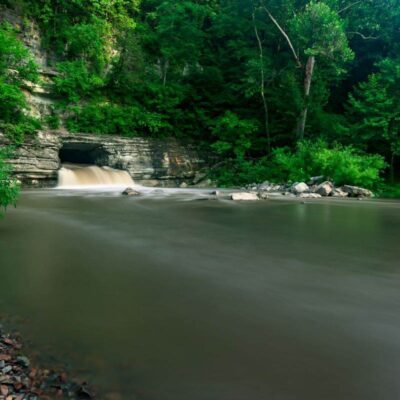
William L. Davenport Refuge State Natural Area in Marion County protects a Cumberland Plateau forest and wetland complex near the Tennessee River gorge — one of the deepest gorges in the eastern United States. The area is named for a local conservationist and provides habitat for migratory birds using the Tennessee River flyway. The Tennessee Gorge cuts through 1,000 feet of sandstone and limestone, creating dramatic cliff ecosystems.
Things to Do
Wildlife observation, birdwatching, nature hiking, and studying Tennessee’s native wildlife in a protected setting.
Birdwatching during migration, hiking, nature photography, wetland observation, and exploring the edges of the spectacular Tennessee River gorge.
Insider Tips
Wetland refuge: Davenport Refuge manages wetland habitat for migratory waterfowl and shorebirds in western Tennessee. Pro tip: Western Tennessee’s bottomland wetlands are part of the Mississippi Flyway — one of the four major bird migration corridors in North America. Winter waterfowl: Thousands of ducks and geese concentrate on managed wetlands from November through February.
Best Time to Visit
Winter: Peak waterfowl concentration. Spring: Shorebird migration. Fall: Early waterfowl arrivals. Summer: Breeding birds and herons.

🐾 Dogs & Pets at William L. Davenport Refuge State Natural Area
- Pets allowed? statewide rule
- Dogs, cats and other pets are permitted in Tennessee State Parks, including all campgrounds, if leashed, crated or otherwise under physical restrictive control at all times.
- Leash rule statewide rule
- 6 ft physical leash required; pets must not be left unattended
- Beaches & swim areas statewide rule
- Pets are prohibited on designated swimming beaches and at pools at all times
- Cabins & lodging statewide rule
- Pets prohibited in park lodges and cabins except designated pet-friendly units; each park offers a limited number of pet-friendly lodge rooms and one pet-friendly cabin ($20 per pet per night)
- Pet fees statewide rule
- No day-use or campground pet fee; $20 per pet per night in designated lodge rooms/cabins
- Statewide exceptions statewide rule
- Park management may post additional no-pet areas on trails; proof of rabies vaccination may be required
Are dogs allowed at William L. Davenport Refuge State Natural Area?
Dogs, cats and other pets are permitted in Tennessee State Parks, including all campgrounds, if leashed, crated or otherwise under physical restrictive control at all times. Individual parks can post stricter rules — check signage on arrival.
Rules verified July 2026 via tnstateparks.com. More: Tennessee state parks guide · Dog rules in all 50 states compared
Park Location
Plan your gear for William L. Davenport Refuge State Natural Area
From our editorial guides, matched to this park’s activities:
Top Tours & Activities Near Tennessee
 from $455
 from $69
 from $40