
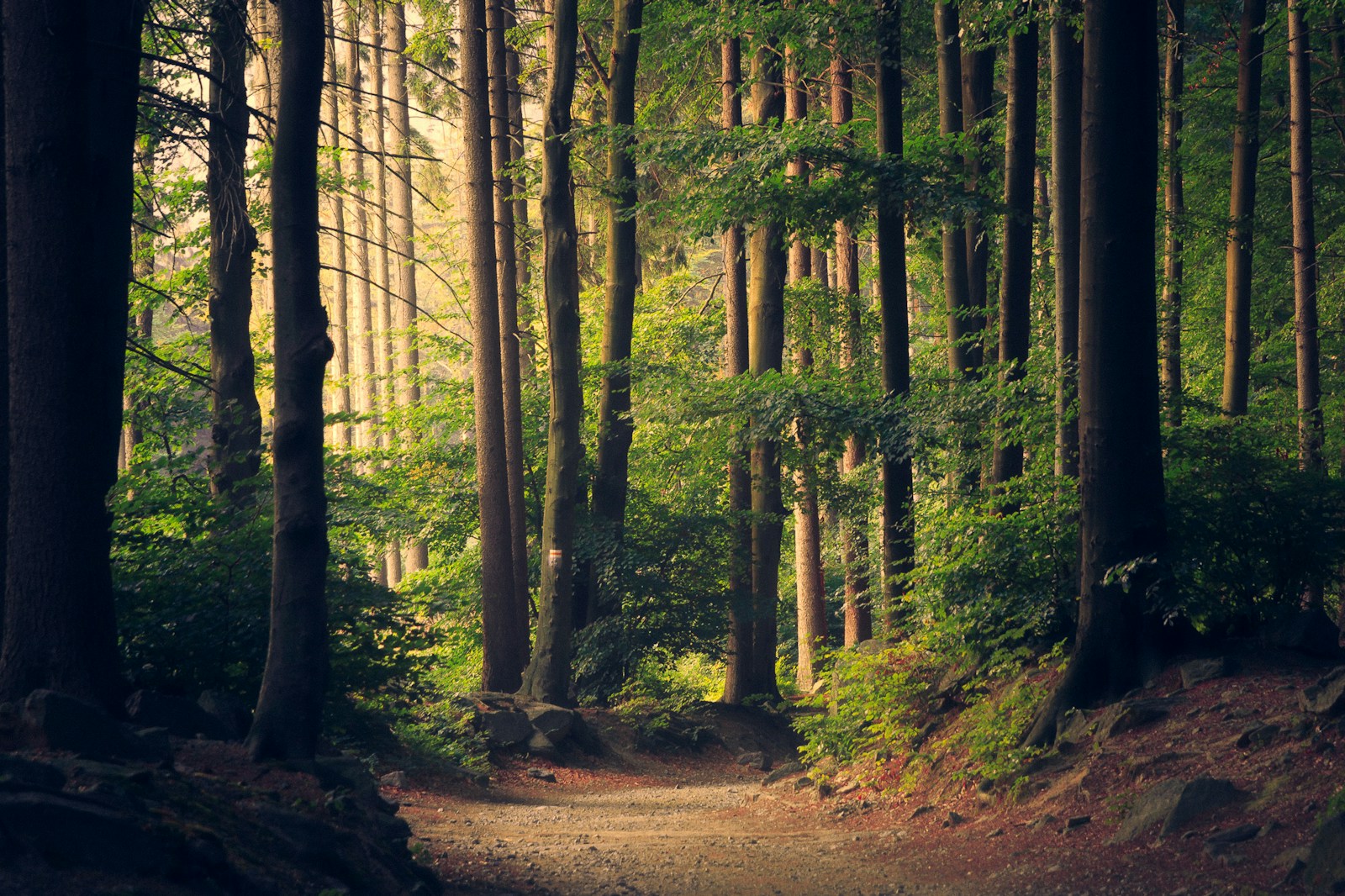
🌤 Weather at Fate Sanders Barrens State Natural Area by season
| Spring | Summer | Fall | Winter |
|---|---|---|---|
| 38–73 °F | 63–82 °F | 38–77 °F | 28–50 °F |
Each range runs from the coldest monthly average low to the warmest monthly average high in that season (1991-2020 climate normals), measured at Wartrace 6E, 8 mi away, elevation 1,014 ft. Conditions at the park can differ from the station, especially where elevation differs — check a forecast before you go.

🏆 Barrens Grassland — Rare limestone barrens preserving native grassland and wildflower communities
Fate Sanders Barrens State Natural Area preserves a significant limestone barrens grassland in middle Tennessee. The barrens’ thin, rocky limestone soils support native warm-season grasses and drought-adapted wildflowers in an open, prairie-like landscape. These habitats were once maintained by periodic fire and bison grazing; today prescribed burns help maintain the open character that supports rare and endemic plant species.
Visitor Information
| Detail | Information |
|---|---|
| Location | Middle Tennessee |
| Entry Fee | Free |
| Habitat | Limestone barrens, native grassland |
| Management | Prescribed burns maintain habitat |
Frequently Asked Questions
When is the best time for wildflowers?
Late spring through early summer (May–June) is best for barrens wildflowers. Fall brings native grasses to their peak display in September–October.
What is an endemic species?
An endemic species exists only in one specific location — nowhere else on Earth. Tennessee cedar glades harbor 19+ endemic plant species, including the Tennessee coneflower and Nashville breadroot. This level of endemism in such a small area is extraordinary. These species evolved in isolation on the cedar glades’ unique limestone habitat over thousands of years.
Keep exploring: The closest neighbors are Campbell Bend Barrens State Natural Area (a short drive away) and Duck River Complex State Natural Area (a short drive away).
🌾 Visit Fate Sanders Barrens SNA
Native limestone barrens — rare grassland maintained by fire ecology.
About Fate Sanders Barrens
Fate Sanders Barrens State Natural Area in Coffee County protects limestone barrens on the Eastern Highland Rim. The open grassland community supports native warm-season grasses and wildflowers that once covered much of middle Tennessee. Fire suppression has allowed woody plants to encroach, making preserved barrens like this increasingly important.
Things to Do
Observing native prairie grasses and barrens wildflowers, birdwatching for grassland species, botanical study, and photography during the summer wildflower bloom.
Insider Tips
Globally rare: Fate Sanders protects one of the finest examples of Tennessee’s limestone cedar glades — a globally rare ecosystem found almost exclusively in Middle Tennessee. Pro tip: Look for the Nashville breadroot (Pediomelum subacaule) — a plant found only in Tennessee cedar glades and nowhere else on Earth. Endemic hotspot: More endemic plant species grow in Tennessee’s cedar glades per square mile than almost anywhere in North America.
Best Time to Visit
May-June: Peak glade wildflower season — endemic species in bloom. Summer: Tennessee coneflower and prickly pear cactus. Fall: Late-season wildflowers. Spring: Early glade flowers — glade sandwort and limestone fame flower.
Wildlife & Nature
Fate Sanders Barrens SNA — preserves a limestone barren ecosystem with globally rare plant species. The park’s grassland, cedar glades, and limestone outcrops support endemic wildflowers, fence lizards, and grasshopper sparrows. Red-tailed hawks hunt from perches.
Nearby Attractions
Central Tennessee communities — surrounding.

🐾 Dogs & Pets at Fate Sanders Barrens State Natural Area
- Pets allowed? statewide rule
- Dogs, cats and other pets are permitted in Tennessee State Parks, including all campgrounds, if leashed, crated or otherwise under physical restrictive control at all times.
- Leash rule statewide rule
- 6 ft physical leash required; pets must not be left unattended
- Beaches & swim areas statewide rule
- Pets are prohibited on designated swimming beaches and at pools at all times
- Cabins & lodging statewide rule
- Pets prohibited in park lodges and cabins except designated pet-friendly units; each park offers a limited number of pet-friendly lodge rooms and one pet-friendly cabin ($20 per pet per night)
- Pet fees statewide rule
- No day-use or campground pet fee; $20 per pet per night in designated lodge rooms/cabins
- Statewide exceptions statewide rule
- Park management may post additional no-pet areas on trails; proof of rabies vaccination may be required
Are dogs allowed at Fate Sanders Barrens State Natural Area?
Dogs, cats and other pets are permitted in Tennessee State Parks, including all campgrounds, if leashed, crated or otherwise under physical restrictive control at all times. Individual parks can post stricter rules — check signage on arrival.
Rules verified July 2026 via tnstateparks.com. More: Tennessee state parks guide · Dog rules in all 50 states compared
Park Location

Top Tours & Activities Near Tennessee
 from $455
 from $69
 from $40