🌤 Weather at Bobs Creek State Natural Area by season
| Spring | Summer | Fall | Winter |
|---|---|---|---|
| 37–76 °F | 63–85 °F | 38–79 °F | 28–53 °F |
Each range runs from the coldest monthly average low to the warmest monthly average high in that season (1991-2020 climate normals), measured at Marion, 9 mi away, elevation 1,410 ft. Conditions at the park can differ from the station, especially where elevation differs — check a forecast before you go.

🏆 Mountain Bog Headwaters — Southern Appalachian bog ecosystem at the headwaters of Bobs Creek — one of the rarest habitat types in eastern North America
Bobs Creek State Natural Area protects a rare Southern Appalachian bog — one of the most endangered ecosystems in eastern North America. Fewer than 500 acres of Southern Appalachian bogs remain — down from an estimated 5,000 acres before European settlement (90% lost!). These mountain bogs form at headwater springs where cold, mineral-rich groundwater keeps the soil permanently saturated. The bogs support an extraordinary concentration of rare plants including gray’s lily, swamp pink, and mountain sweet pitcher plant — all federally listed species.
Visitor Information
| Detail | Information |
|---|---|
| Location | Burke County, NC |
| Entry Fee | Free |
| Ecosystem | Southern Appalachian bog — 90% lost! |
| Rare Plants | Federally listed pitcher plants! |
About Bobs Creek
Bobs Creek State Natural Area in Burke County protects a 200-acre tract along Bobs Creek in the South Mountains — one of North Carolina’s most ecologically significant outlying mountain ranges. The South Mountains are an isolated “monadnock” range — ancient rock formations that resisted the erosion that leveled the surrounding terrain. The creek supports native brook trout in one of the southernmost populations of this cold-water species.
Things to Do
Trout fishing in Bobs Creek (native brook trout — increasingly rare this far south), hiking, wildflower observation, and studying the distinctive geology of the South Mountains monadnock.
Insider Tips
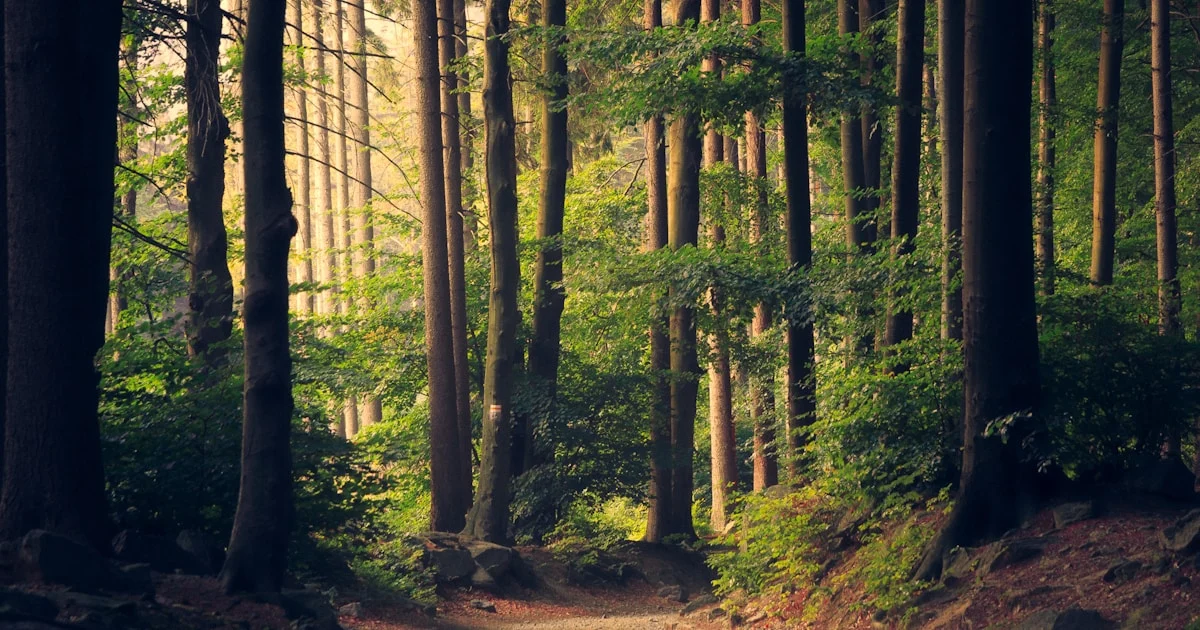
Old growth: Bobs Creek protects one of the finest old-growth forest remnants in the NC mountains — massive tulip poplars and hemlocks survive here. Pro tip: Eastern hemlock trees are being devastated by the hemlock woolly adelgid — an invasive insect from Asia. Blue Ridge: The Blue Ridge Mountains of NC are among the most biodiverse regions in the temperate world.
Best Time to Visit
Spring: Wildflower bloom under old growth. Summer: Cool mountain forest. Fall: Spectacular mountain foliage. Winter: Forest structure visible.
Frequently Asked Questions
What is hemlock woolly adelgid?
The hemlock woolly adelgid (HWA) is a tiny insect from East Asia that feeds on hemlock sap — killing trees within 3-10 years. Since arriving in Virginia in the 1950s, HWA has devastated eastern hemlocks from Georgia to Maine. Entire hemlock forests have died, transforming stream ecosystems that depended on hemlock shade. Biological control (predator beetles) and chemical treatments offer hope but cannot match the scale of the devastation.
Keep exploring: The closest neighbors are Lake James State Park (a short drive away) and South Mountains State Park (a short drive away).
🌸 Visit Bobs Creek State Natural Area
Southern Appalachian bog — 90% lost, pitcher plants, Gray’s lily!
Wildlife & Nature
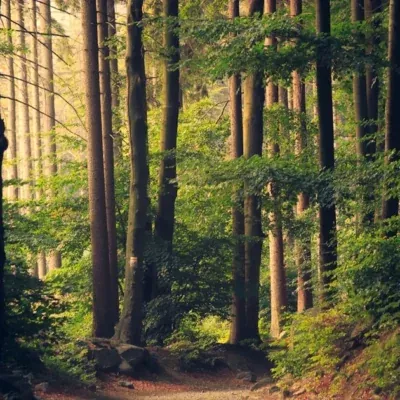
Bobs Creek SNA — 625 acres of pristine mountain forest on the Blue Ridge Escarpment. The area’s old-growth cove hardwood, waterfalls, and streams support black bears, timber rattlesnakes, and brook trout. Wildflowers carpet the forest floor in spring.
Nearby Attractions
Marion — nearby. Lake James SP — 10 miles east. Linville Falls — 20 miles north.

🐾 Dogs & Pets at Bobs Creek State Natural Area
- Pets allowed? statewide rule
- Pets are permitted in all North Carolina state parks as long as they are on an attended leash and under the constant control of the owner.
- Leash rule statewide rule
- Attended leash or other restraint no longer than 6 feet required at all times
- Beaches & swim areas statewide rule
- Pets are not permitted at swim areas or in bathhouses
- Cabins & lodging statewide rule
- Pets are strictly prohibited from entering any building, including cabins; no pet-friendly cabin program
- Statewide exceptions statewide rule
- Not all campgrounds allow pets (contact the park office first); pets must be confined to tent or vehicle during quiet hours (10 p.m.-7 a.m.); at Hammocks Beach visitors must arrange their own transportation for pets to Bear Island
Are dogs allowed at Bobs Creek State Natural Area?
Pets are permitted in all North Carolina state parks as long as they are on an attended leash and under the constant control of the owner. Individual parks can post stricter rules — check signage on arrival.
Rules verified July 2026 via ncparks.gov. More: North Carolina state parks guide · Dog rules in all 50 states compared
Park Map
Plan your gear for Bobs Creek State Natural Area
From our editorial guides, matched to this park’s activities:
Top Tours & Activities Near Asheville
 from $155
 from $69
 from $30