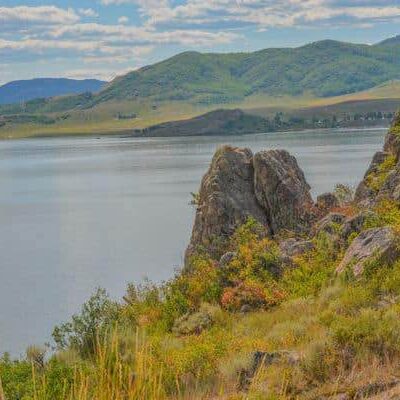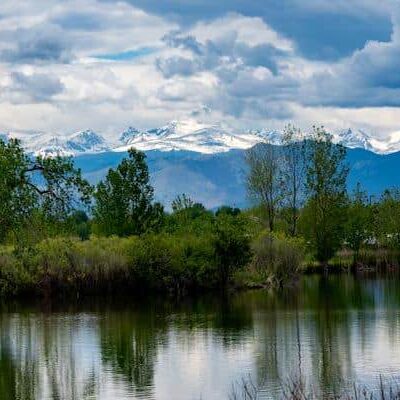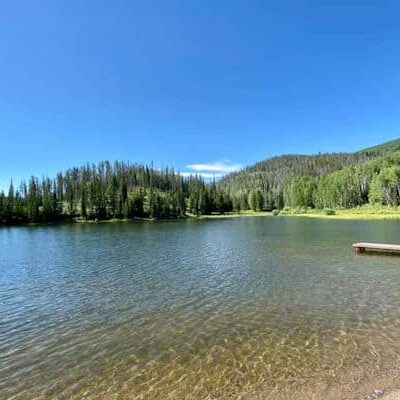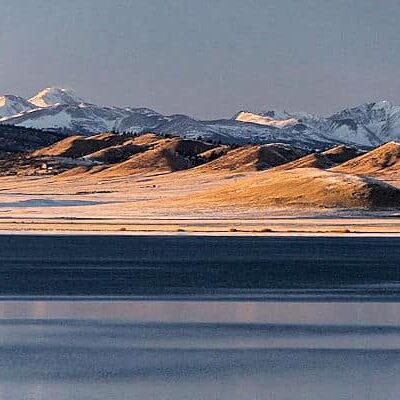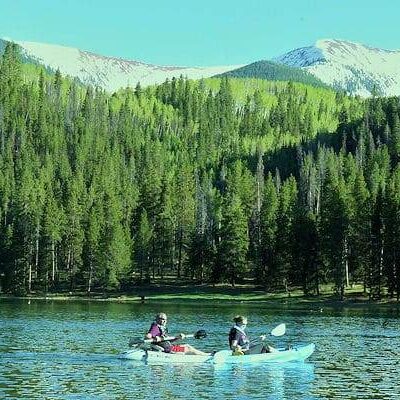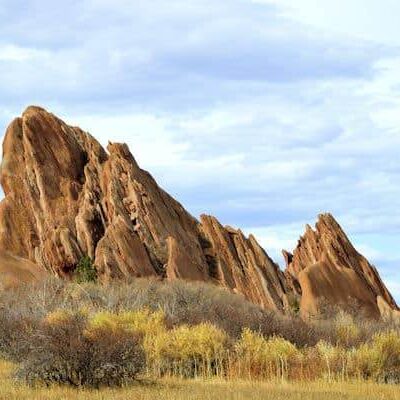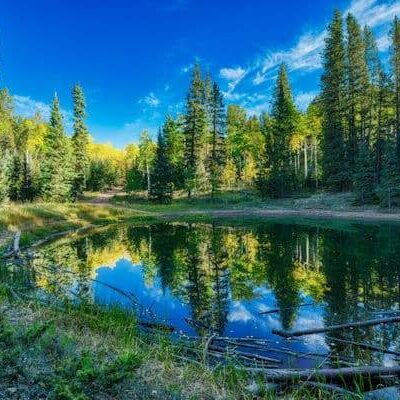


🫎 Colorado’s Moose Viewing Capital — 71,000 Acres of Never Summer Mountains, Alpine Lakes, Yurts, and 600+ Moose — Lake Agnes beneath the Nokhu Crags, rustic cabins on North Michigan Reservoir, world-class snowmobiling, and the wildest corner of Colorado most visitors never find — North Park near Walden
Colorado State Forest State Park is the state’s best-kept secret: 71,000 acres of raw Rocky Mountain wilderness straddling the Never Summer Mountains and Medicine Bow Range, with over 600 moose roaming through willow bottoms, alpine meadows, and spruce-fir forests. It’s officially designated as the “Moose Viewing Capital of Colorado” — and unlike Rocky Mountain National Park an hour south, you can drive through this landscape for 20 minutes and not see another car. The park sits in North Park — a vast, unpopulated mountain basin near the tiny town of Walden (population ~600) — accessed via Cameron Pass (10,276 feet) from Fort Collins or Highway 14 from Muddy Pass.
What sets Colorado State Forest apart from other state parks is the variety of backcountry lodging: rustic cabins along North Michigan Reservoir, Mongolian-style yurts in the backcountry, and tent camping at 9,000+ feet elevation. Add the stunning Lake Agnes — a glacial lake beneath the dramatic spires of the Nokhu Crags — and you have a destination that rivals anything in Colorado’s national parks without the crowds, reservations, or entrance-fee drama.
Moose Viewing: 600+ Animals
Colorado Parks and Wildlife reintroduced moose to North Park in the 1970s, and the population has thrived. Today, over 600 moose live in and around the state forest — the highest density in the state. They’re visible year-round, with the best viewing in early morning and dusk in willow bottoms along creeks, around North Michigan Reservoir, and in aspen groves at the park’s lower elevations. The Moose Visitor Center near Gould provides current sighting reports, maps, and safety guidelines. Bulls carry massive antlers from September through December. Maintain at least 75 feet distance — moose are unpredictable and more dangerous than bears when provoked.
Lake Agnes and the Nokhu Crags
Lake Agnes is the park’s crown jewel — a crystal-clear alpine lake at 10,663 feet elevation, nestled in a cirque beneath the dramatic volcanic spires of the Nokhu Crags (12,485 feet). The hike from the summer trailhead is remarkably short — less than 1 mile — but the final approach is steep and rocky. In summer, the lake reflects the crags in mirror-still water. In winter, the road to the trailhead closes, adding several miles of snowshoe approach but rewarding visitors with absolute solitude and a frozen alpine amphitheater.
Lodging: Cabins, Yurts, and Camping
| Option | Units | Amenities | Season |
|---|---|---|---|
| Rustic Cabins | 7+ | Wood stove, beds, no running water | Year-round |
| Backcountry Yurts | 6+ | Wood/solar stove, beds, backcountry | Year-round |
| Campground Sites | 100+ | Fire ring, table, vault toilets | Summer |
| Backcountry Camping | Dispersed | Primitive, self-contained | Year-round |
Most cabins and yurts are rustic — no running water, no electricity (some have solar). They provide beds, heating (wood stove), and a roof. You supply water, cooking gear, and bedding. This is genuine backcountry lodging at 9,000–10,000 feet elevation. Reserve through cpwshop.com or call 1-800-244-5613. Yurts and cabins book months in advance for peak season and fall moose rut.
Trail Guide
| Trail | Distance | Difficulty | Highlights |
|---|---|---|---|
| Lake Agnes | 0.9 mi OW | Moderate (steep) | Alpine lake, Nokhu Crags views |
| North Michigan Reservoir Loop | 3.5 mi | Easy | Moose viewing, fishing, cabin area |
| Seven Utes Mountain | 4 mi RT | Difficult | Panoramic 360° views, above treeline |
| Canadian Trail | 3 mi OW | Moderate | Backcountry, yurt access |
| Clear Lake | 2.5 mi RT | Moderate | Mountain lake, fishing |
Best Time to Visit
| Season | Weather | Highlights | Notes |
|---|---|---|---|
| Spring (May–Jun) | 35–60°F, muddy | Moose calves, wildflowers | Roads may still be closed |
| Summer (Jul–Aug) | 55–75°F | Lake Agnes, hiking, camping | Best weather window |
| Fall (Sep–Oct) | 30–60°F | Moose rut, aspen gold, solitude | Peak photography season |
| Winter (Nov–Apr) | -10–30°F, deep snow | Snowmobiling, XC skiing, yurts | Cameron Pass often snowy |
💰 Trip Cost Estimator
| Expense | Day Trip | Weekend | Week |
|---|---|---|---|
| Vehicle Pass | $12 ($17 out-of-state) | $12 | $12 (or $80 annual) |
| Campsite | — | $40–$60 | $140–$210 |
| Cabin | — | $90–$150 | $315–$525 |
| Yurt | — | $70–$110 | $245–$385 |
| Total (Cabin Weekend) | $12 | $102–$162 | $327–$537 |
⚠️ Safety Information
| Hazard | Risk Level | Prevention |
|---|---|---|
| 🫎 Moose | High | 75+ feet distance, never approach calves, retreat if ears flatten |
| 🏔️ Altitude (9,000–12,000 ft) | High | Acclimate, hydrate, watch for AMS symptoms |
| ❄️ Winter Roads | High | Cameron Pass chains required, AWD recommended |
| ⚡ Afternoon Thunderstorms | Moderate | Off exposed ridges by noon in summer |
| 🐻 Black Bears | Moderate | Bear canisters for backcountry, secure food |
📸 Photography Guide: Best Shots at Colorado State Forest
• Nokhu Crags Reflection: Lake Agnes at sunrise — arrive at dawn for mirror reflections. Wide-angle (14-24mm) from the southwest shore. The volcanic spires glow orange in first light.
• Moose in Willows: 300mm+ telephoto, shoot low from vehicle (moose are habituated to cars). Golden hour in willow bottoms along the reservoir. September bulls with full antlers = trophy shots.
• Aspen Gold: Late September, the slopes explode in gold against dark spruce. Best along Highway 14 approaching Cameron Pass. Overcast light eliminates harsh shadows.
• Yurt Under Stars: Winter yurt with Milky Way — 14mm f/2.8, 20-second exposure, warm light from stove casting through yurt windows. One of Colorado’s most unique night photography settings.
Frequently Asked Questions
Is Colorado State Forest the best place to see moose in Colorado?
Yes. With over 600 resident moose, it’s officially the “Moose Viewing Capital of Colorado.” Moose are visible year-round, with the best viewing at dawn and dusk around North Michigan Reservoir and along creek bottoms.
How long is the hike to Lake Agnes?
Less than 1 mile one-way from the summer trailhead. However, the final approach is steep and rocky. In winter, the access road closes, adding several miles of snowshoe approach.
Do the cabins have electricity or running water?
Most do not. Cabins and yurts are rustic — they provide beds and wood stove heating but typically no running water or electricity. Some have solar power for basic lighting. Bring your own water, cooking gear, and bedding.
How far is Colorado State Forest from Fort Collins?
Approximately 75 miles (2 hours) via Highway 14 over Cameron Pass (10,276 feet). The drive is spectacular, following the Cache la Poudre River through its canyon before climbing to the pass.
Can you snowmobile in the park?
Yes. Colorado State Forest is one of the premier snowmobiling destinations in Colorado, with groomed and ungroomed trails accessing the vast backcountry. The deep, dry powder at 9,000+ feet is exceptional.
What are the Nokhu Crags?
The Nokhu Crags are dramatic volcanic rock spires rising to 12,485 feet above Lake Agnes. The name comes from the Arapaho word meaning “eagle’s nest.” They are the most photographed feature in the park.
Is the park open in winter?
Yes, year-round. Winter access via Cameron Pass may require chains or AWD. Some facilities close, but cabins and yurts operate year-round. Winter is prime for snowmobiling, cross-country skiing, and snowshoeing.
How high is the park?
The park ranges from 8,500 to 12,485 feet elevation. Even the campgrounds and cabins sit at 9,000+ feet. Altitude sickness is a real concern for visitors arriving from sea level — acclimate gradually and stay hydrated.
More parks nearby: Lory State Park is within about an hour’s drive.
🫎 Ready to Visit Colorado State Forest?
From 600+ moose and alpine Lake Agnes to rustic yurts beneath the Nokhu Crags, Colorado State Forest State Park offers 71,000 acres of Rocky Mountain wilderness without the national park crowds. Book a cabin, pack your telephoto lens, and discover Colorado’s wildest corner.

⛺ Camping at State Forest State Park: Campgrounds & Cabins
| Campsites | 161 sites — 161+ campsites across multiple campgrounds; electrical hook-ups at some sites (exact split not stated); vault toilets, dump station, hand-pumped water and water spigots. RV length limit not stated. |
|---|---|
| Cabins & Lodging | 13 rustic cabins sleep up to 6, propane heat, solar lighting, fire pit; NOT provided: bedding, refrigerator, running water, non-solar power. 2 lodges sleep 15-20. 2 Deluxe Cabins (North Park) electric heat/lights. 7 yurts sleep up to 6, wood stove, propane cook stove; bedding/fridge NOT provided. 1 Nokhu Hut: solar lighting, wood stove. Pet fee $10/night flat. |
| Pets | Leashed pets, max 6-ft leash, not left unattended; $10/night flat fee for pets in cabins. |
| Reservations | cpwshop.com (Book Your Stay). |
| Special sites | Group campgrounds accommodate up to 75 campers; horses permitted in park; backcountry experiences available. |
| Season notes | Open year-round; winter amenities limited to vault toilets and outhouses for cabin/yurt guests; max stay 14 days within 28 for campsites, cabins limited to 2 weeks per 45 days. |
Camping questions about State Forest State Park
Can you camp at State Forest State Park?
Yes. State Forest State Park has 161 campsites. 161+ campsites across multiple campgrounds; electrical hook-ups at some sites (exact split not stated); vault toilets, dump station, hand-pumped water and water spigots. RV length limit not stated.
How do you reserve a campsite at State Forest State Park?
cpwshop.com (Book Your Stay).
Are there cabins at State Forest State Park?
13 rustic cabins sleep up to 6, propane heat, solar lighting, fire pit; NOT provided: bedding, refrigerator, running water, non-solar power. 2 lodges sleep 15-20. 2 Deluxe Cabins (North Park) electric heat/lights. 7 yurts sleep up to 6, wood stove, propane cook stove; bedding/fridge NOT provided. 1 Nokhu Hut: solar lighting, wood stove. Pet fee $10/night flat.
Are pets allowed at the State Forest State Park campground?
Leashed pets, max 6-ft leash, not left unattended; $10/night flat fee for pets in cabins.
Source: cpw.state.co.us (verified July 2026). Details change seasonally — confirm when booking.
🐾 Dogs & Pets at State Forest State Park
- Pets allowed? statewide rule
- Dogs are welcome at Colorado state parks and most trails and campgrounds when kept on a leash, though some trails restrict dogs.
- Leash rule statewide rule
- Leash not exceeding 6 feet required at all times.
- Beaches & swim areas statewide rule
- It is unlawful to allow a dog or other pet within any area used as a swimming or water-ski beach.
- Cabins & lodging statewide rule
- Some parks offer pet-friendly cabins and yurts (e.g. Golden Gate Canyon, State Forest, Mancos and Ridgway yurts) for a $10 per night pet fee.
- Pet fees statewide rule
- No day-use pet fee; $10 per night pet fee in participating pet-friendly cabins/yurts.
- Statewide exceptions statewide rule
- Designated off-leash dog areas at Chatfield and Cherry Creek State Parks (registration/fee applies).
Are dogs allowed at State Forest State Park?
Dogs are welcome at Colorado state parks and most trails and campgrounds when kept on a leash, though some trails restrict dogs. Individual parks can post stricter rules — check signage on arrival.
Rules verified July 2026 via cpw.state.co.us. More: Colorado state parks guide · Dog rules in all 50 states compared
Park Location
Plan your gear for State Forest State Park
From our editorial guides, matched to this park’s activities: