🌤 Weather at Hofwyl-Broadfield Plantation State Historic Site by season
| Spring | Summer | Fall | Winter |
|---|---|---|---|
| 53–83 °F | 73–90 °F | 53–84 °F | 44–64 °F |
Each range runs from the coldest monthly average low to the warmest monthly average high in that season (1991-2020 climate normals), measured at Brunswick, 10 mi away, elevation 13 ft. Conditions at the park can differ from the station, especially where elevation differs — check a forecast before you go.

Overview
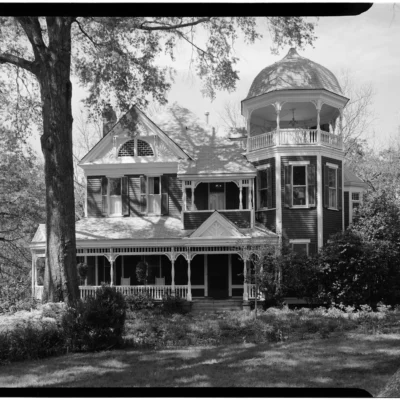
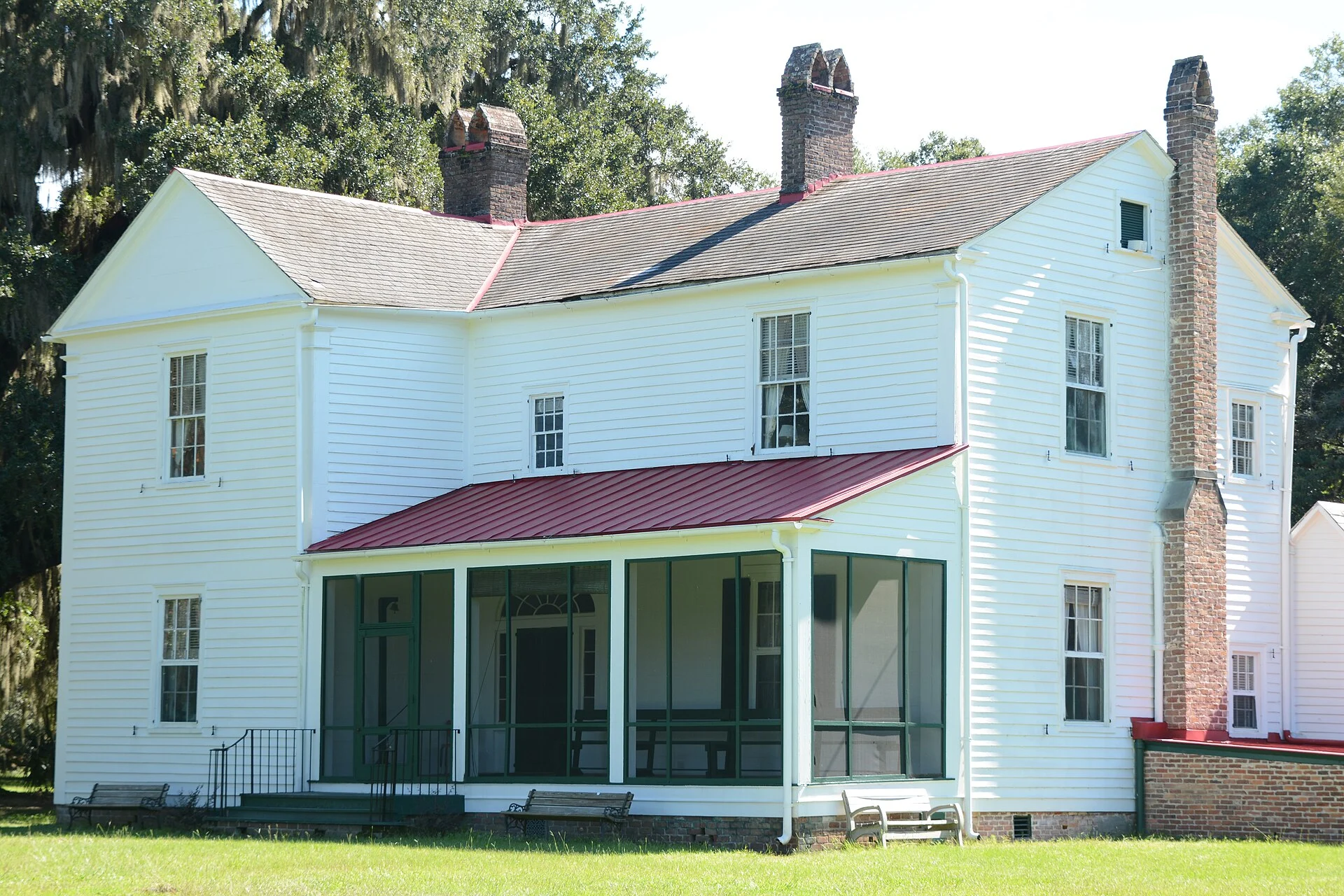
Hofwyl-Broadfield Plantation State Historic Site preserves one of the last intact rice plantations on the Georgia coast, offering an unparalleled window into the complex history of antebellum agriculture and the enslaved laborers who built and sustained it. Located along the Altamaha River delta near Brunswick, this 1,268-acre property encompasses the plantation house, outbuildings, marshland, and the remains of an elaborate rice cultivation system that once transformed coastal Georgia into one of the wealthiest regions in pre-Civil War America.
The plantation’s story spans from the early 1800s through five generations of the Brailsford-Dent family, who grew rice using an intricate system of dikes, canals, and trunks that harnessed the tidal flow of the Altamaha River. At its peak, the plantation relied on the labor of hundreds of enslaved people who possessed the specialized knowledge of rice cultivation brought from West Africa. The site serves as both a memorial to this complex heritage and an ecological treasure, with its expansive salt marshes supporting diverse wildlife along the Georgia coast.
Historical Significance
Rice cultivation on the Georgia coast represented one of the most labor-intensive and profitable agricultural enterprises in American history. The plantation’s remaining dike system illustrates the sophisticated engineering required to flood and drain rice fields using tidal action — knowledge largely brought by enslaved Africans from rice-growing regions of Sierra Leone and Senegal. After the Civil War ended slavery and the rice economy collapsed, the family transitioned to dairy farming, and the property gradually became a beloved family retreat.
Ophelia Dent, the last family member to live on the property, donated the plantation to the State of Georgia upon her death in 1973. Her vision ensured the preservation of both the physical structures and the complex historical narrative they represent. The plantation house retains many of its original furnishings, providing an authentic glimpse into the daily life of a coastal Georgia planter family across multiple generations.
Visiting Information
Hofwyl-Broadfield Plantation State Historic Site is located at 5556 US Highway 17 North in Brunswick, Georgia. The site features a visitor center with exhibits on rice culture and the plantation’s history, guided tours of the antebellum plantation house, and nature trails through the property’s diverse ecosystems including live oak forests and salt marshes. The site is open Thursday through Saturday from 9:00 AM to 5:00 PM, with the last house tour beginning at 4:00 PM.
Frequently Asked Questions
What will I see on a visit?
Visitors can tour the furnished plantation house, explore the museum exhibits on rice cultivation and slavery, walk nature trails through live oak forests and marshland, and view the remains of the historic rice dike system. The site also offers views of the Altamaha River delta ecosystem.
Is there an admission fee?
Yes, standard Georgia State Historic Site admission fees apply. Georgia State Parks annual passes are accepted.
How long should I plan for a visit?
Plan for approximately 1.5 to 2 hours to tour the house, visit the museum, and walk the nature trails. Photography is welcome throughout the grounds.
More parks nearby: Fort King George State Historic Site is a short drive away, while Reynolds Mansion on Sapelo Island lies a short drive away.

🐾 Dogs & Pets at Hofwyl-Broadfield Plantation State Historic Site
- Pets allowed? statewide rule
- Leashed dogs are welcome in Georgia State Parks, including campgrounds and most park trails, and must be accompanied by the owner at all times.
- Leash rule statewide rule
- Leash no longer than 6 feet required at all times; dogs may not be tied to trees or fences.
- Beaches & swim areas statewide rule
- Pets are not permitted in swimming areas or on beaches.
- Cabins & lodging statewide rule
- Pets are banned from lodges, yurts and group camps; designated dog-friendly cottages are available for a $50 fee per dog (maximum 2 dogs) covering the entire stay.
- Pet fees statewide rule
- No day-use pet fee; $50 per dog (max 2) per stay in dog-friendly cottages.
- Statewide exceptions statewide rule
- Dogs prohibited on certain trails at Tallulah Gorge and Panola Mountain; fenced dog park at Laura S. Walker State Park; 'Tails on Trails Club' rewards program.
Are dogs allowed at Hofwyl-Broadfield Plantation State Historic Site?
Leashed dogs are welcome in Georgia State Parks, including campgrounds and most park trails, and must be accompanied by the owner at all times. Individual parks can post stricter rules — check signage on arrival.
Rules verified July 2026 via gastateparks.org. More: Georgia state parks guide · Dog rules in all 50 states compared