Reynolds Mansion on Sapelo Island
🌤 Weather at Reynolds Mansion on Sapelo Island by season
| Spring | Summer | Fall | Winter |
|---|---|---|---|
| 51–83 °F | 72–91 °F | 52–86 °F | 43–64 °F |
Each range runs from the coldest monthly average low to the warmest monthly average high in that season (1991-2020 climate normals), measured at Sapelo Is, 6 mi away, elevation 10 ft. Conditions at the park can differ from the station, especially where elevation differs — check a forecast before you go.

Overview
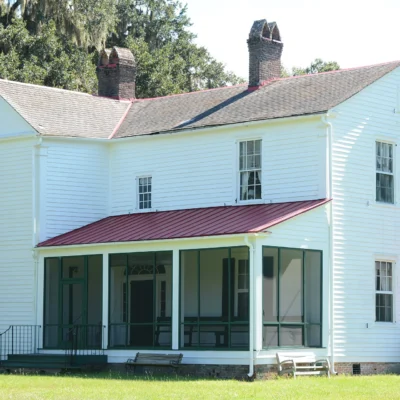
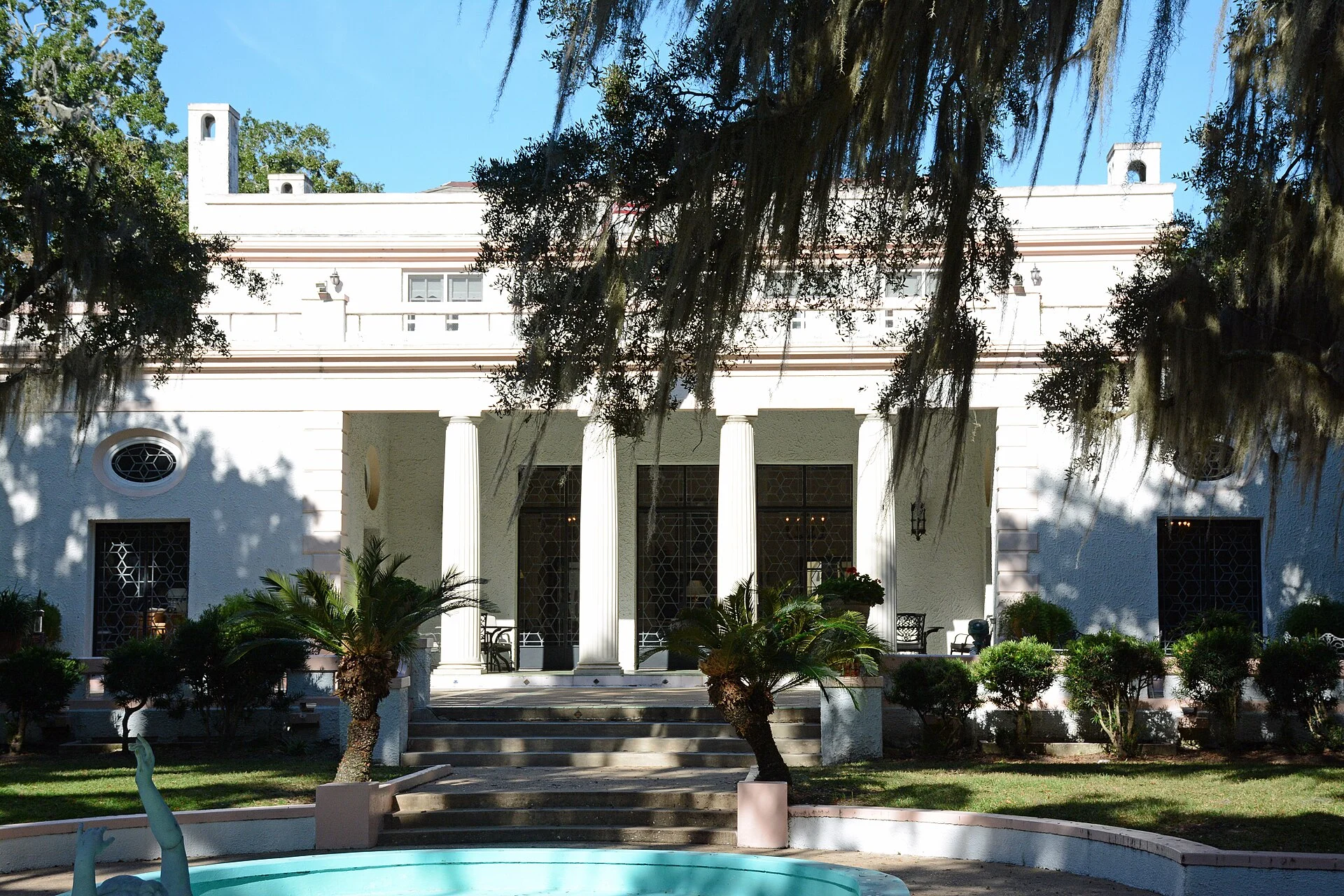
The Reynolds Mansion on Sapelo Island stands as a monument to the extraordinary history of one of Georgia’s most remote and culturally significant barrier islands. This grand 1810 plantation house, extensively renovated by tobacco heir R.J. Reynolds Jr. in the 1930s, anchors the state-managed portion of Sapelo Island and serves as the centerpiece of guided tours that explore the island’s layered history — from ancient shell middens to the vibrant Gullah Geechee community of Hog Hammock.
Sapelo Island is accessible only by ferry from the Sapelo Island Visitors Center in Meridian, Georgia, making it one of the most exclusive and unspoiled destinations along the Atlantic coast. The island encompasses approximately 16,500 acres of pristine maritime forest, salt marsh, and beach, managed by the Georgia Department of Natural Resources as the Sapelo Island National Estuarine Research Reserve. The Reynolds Mansion and its surrounding grounds provide the focal point for understanding the human story woven throughout this remarkable landscape.
Historical Significance
Sapelo Island’s human history stretches back over 4,000 years, evidenced by massive shell rings and middens left by ancient indigenous peoples. French and Spanish explorers visited the island, and it later became the site of Thomas Spalding’s innovative sugar plantation in the early 1800s. Spalding built the original structure that would later become the Reynolds Mansion, using tabby — a distinctive coastal building material made from oyster shells, lime, sand, and water.
R.J. Reynolds Jr. purchased the island in 1934 and invested millions in renovating the mansion and developing the island’s infrastructure. His legacy includes the establishment of marine research facilities that eventually became the University of Georgia Marine Institute. Today, the Hog Hammock community — one of the last intact Gullah Geechee communities in the United States — maintains traditions and a way of life descended from the enslaved Africans who once labored on the island’s plantations.
Visiting Information
Access to Sapelo Island is available only through guided tours departing from the Sapelo Island Visitors Center in Meridian, Georgia. The ferry ride takes approximately 30 minutes. Tours are offered on select days and must be reserved in advance. Tour routes include the Reynolds Mansion interior, historic plantation grounds, the Sapelo Island Lighthouse, and cultural sites related to the Gullah Geechee heritage. Extended tours and special cultural programs are available seasonally.
Frequently Asked Questions
How do I get to Sapelo Island?
Sapelo Island is accessible only by state-operated ferry from the Sapelo Island Visitors Center at 1766 Landing Road SE in Meridian, Georgia. Advance reservations are required. Private boats may also access the island’s public dock.
What should I bring for the tour?
Bring water, comfortable walking shoes, sunscreen, and insect repellent. There are limited food services on the island, so packing a lunch is recommended for extended tours. Photography is welcomed throughout the tour.
Can I visit independently without a tour?
Independent visits are limited. Most visitors access the island through the state-guided tour program. However, the Hog Hammock community offers private cultural tours and overnight accommodations through local residents.
Wildlife & Nature
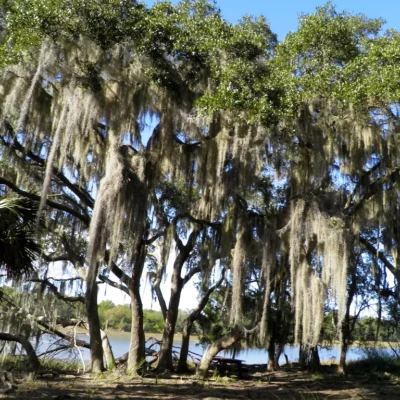
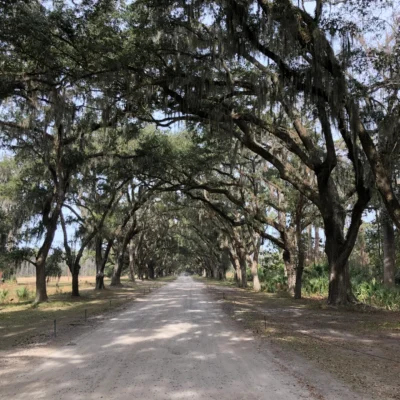
Reynolds Mansion — on Sapelo Island — the former estate of tobacco magnate R.J. Reynolds Jr. The island is home to the Hog Hammock community — the last intact Geechee-Gullah community in Georgia. Sapelo Island is accessible only by state ferry. The island’s maritime forest, salt marsh, and beach support loggerhead sea turtles, bottlenose dolphins, and painted buntings.
Nearby Attractions
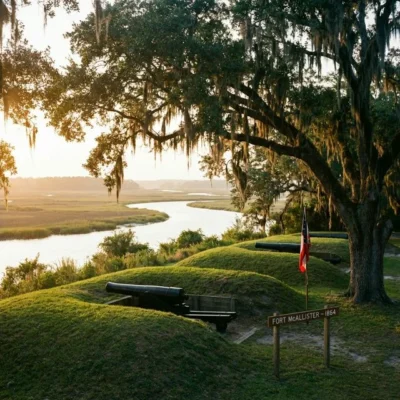
Sapelo Island — ferry from Meridian. Darien — 10 miles south. Fort King George SHS — 10 miles south. Altamaha River — nearby.
Nearby state parks: If you have extra time, Fort King George State Historic Site is a short drive away, and Hofwyl-Broadfield Plantation State Historic Site is a short drive away.

🐾 Dogs & Pets at Reynolds Mansion on Sapelo Island
- Pets allowed? statewide rule
- Leashed dogs are welcome in Georgia State Parks, including campgrounds and most park trails, and must be accompanied by the owner at all times.
- Leash rule statewide rule
- Leash no longer than 6 feet required at all times; dogs may not be tied to trees or fences.
- Beaches & swim areas statewide rule
- Pets are not permitted in swimming areas or on beaches.
- Cabins & lodging statewide rule
- Pets are banned from lodges, yurts and group camps; designated dog-friendly cottages are available for a $50 fee per dog (maximum 2 dogs) covering the entire stay.
- Pet fees statewide rule
- No day-use pet fee; $50 per dog (max 2) per stay in dog-friendly cottages.
- Statewide exceptions statewide rule
- Dogs prohibited on certain trails at Tallulah Gorge and Panola Mountain; fenced dog park at Laura S. Walker State Park; 'Tails on Trails Club' rewards program.
Are dogs allowed at Reynolds Mansion on Sapelo Island?
Leashed dogs are welcome in Georgia State Parks, including campgrounds and most park trails, and must be accompanied by the owner at all times. Individual parks can post stricter rules — check signage on arrival.
Rules verified July 2026 via gastateparks.org. More: Georgia state parks guide · Dog rules in all 50 states compared
Park Location
Plan your gear for Reynolds Mansion on Sapelo Island
From our editorial guides, matched to this park’s activities: