🌤 Weather at Hubbard’s Cave State Natural Area by season
| Spring | Summer | Fall | Winter |
|---|---|---|---|
| 40–79 °F | 64–89 °F | 39–83 °F | 31–55 °F |
Each range runs from the coldest monthly average low to the warmest monthly average high in that season (1991-2020 climate normals), measured at Mc Minnville, 2 mi away, elevation 940 ft. Conditions at the park can differ from the station, especially where elevation differs — check a forecast before you go.

🏆 Tennessee’s Bat Cathedral — Critical hibernaculum for endangered gray bats and Indiana bats
Hubbard’s Cave State Natural Area in Warren County protects one of the most important bat hibernacula in the southeastern United States. The cave serves as a critical winter roosting site for endangered gray bats (Myotis grisescens) and Indiana bats (Myotis sodalis), with populations numbering in the tens of thousands during hibernation season. The cave’s stable temperature and humidity create ideal overwinter conditions that these federally endangered species require for survival.
The cave is gated and closed to public entry to protect the bats, but the surrounding forest provides habitat for foraging bats and supports excellent birding and wildflower observation.
Visitor Information
| Detail | Information |
|---|---|
| Location | Warren County, TN |
| Entry Fee | Free (forest open; cave gated) |
| Species | Endangered gray bat, Indiana bat |
| Population | Tens of thousands during hibernation |
| ⚠️ Cave | Closed to public (bat conservation) |
Frequently Asked Questions
Why is the cave closed?
The cave is gated to protect federally endangered bat species during their vulnerable hibernation period. Even minor disturbance can cause bats to wake, burning critical fat reserves needed to survive winter. This single cave protects a significant percentage of the species’ total population.
Why is white-nose syndrome so devastating?
White-nose syndrome (caused by the fungus Pseudogymnoascus destructans) has killed an estimated 6+ million North American bats since 2006. The fungus grows on bats during hibernation, causing them to wake frequently and burn fat reserves. Bats starve before spring. Some species have declined 90-99%. No cure exists — cave protection is the primary defense.
Make it a road trip: Pair a visit with Morrison Meadow State Natural Area (a short drive away) or Bone Cave State Natural Area (a short drive away).
🦇 Visit Hubbard’s Cave SNA
Critical bat hibernaculum — protecting tens of thousands of endangered gray and Indiana bats.
Insider Tips
Bat hibernaculum: Hubbard’s Cave is one of the most important bat hibernation caves in the southeastern US — thousands of endangered Indiana bats and gray bats overwinter here. Pro tip: The cave is gated to protect the bats during hibernation — access is restricted from September through April. White-nose syndrome: This devastating fungal disease has killed millions of bats since 2006 — protecting hibernation caves like Hubbard’s is critical to bat survival.
Best Time to Visit
Summer: Bats have left for summer roosts — cave may be accessible. Fall: Bats begin returning. Spring: Bats emerge for summer. Winter: CLOSED — disturbing hibernating bats can be fatal to them.
Wildlife & Nature
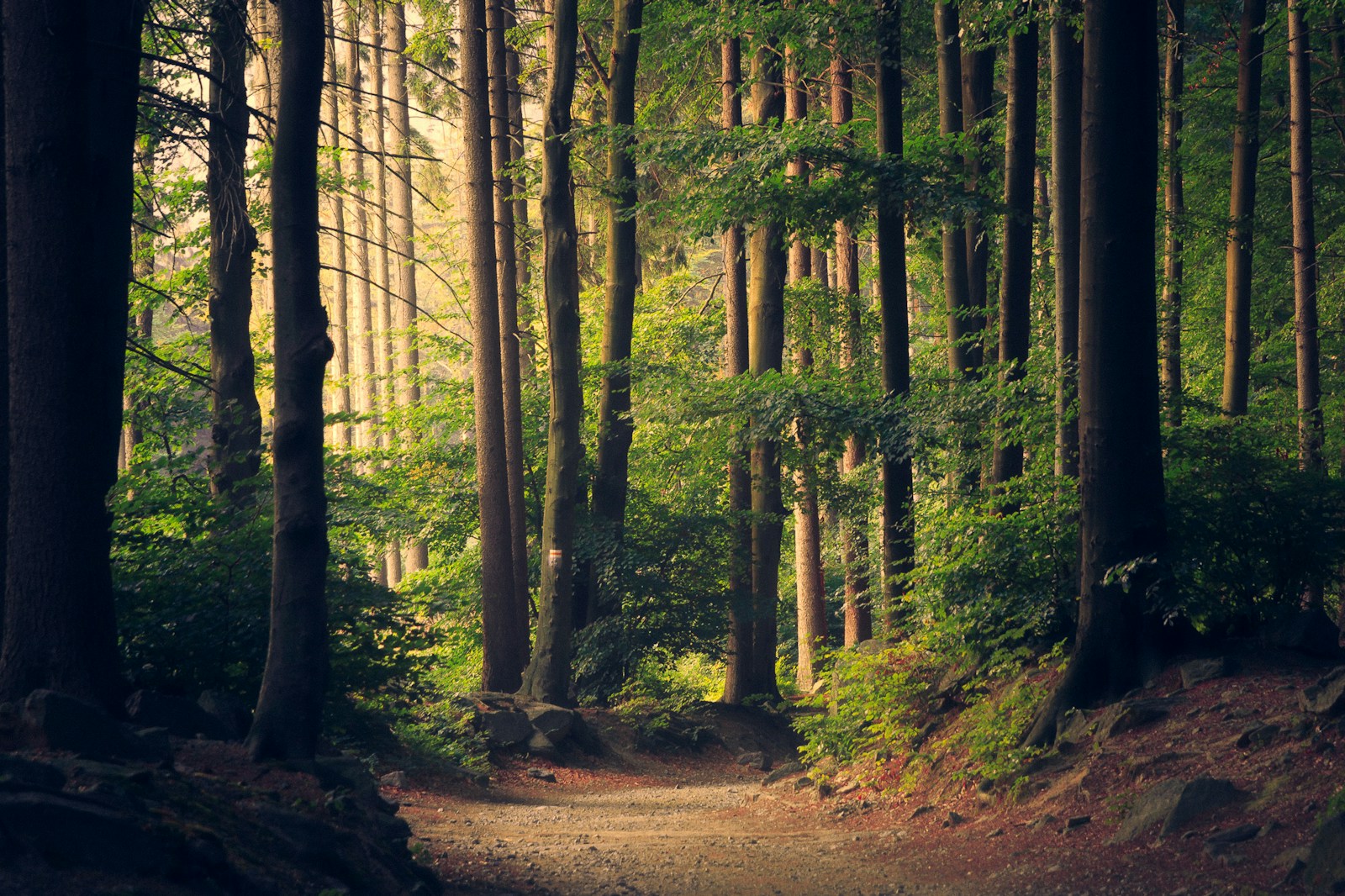
Hubbard’s Cave SNA — protects a major bat hibernaculum — one of the most important winter roosting caves in the Southeast. The cave shelters endangered gray bats and Indiana bats. The surrounding forest and sinkhole karst support white-tailed deer and barred owls.
Nearby Attractions
Warren County — surrounding. Rock Island SP — nearby. Fall Creek Falls SP — nearby.

🐾 Dogs & Pets at Hubbard’s Cave State Natural Area
- Pets allowed? statewide rule
- Dogs, cats and other pets are permitted in Tennessee State Parks, including all campgrounds, if leashed, crated or otherwise under physical restrictive control at all times.
- Leash rule statewide rule
- 6 ft physical leash required; pets must not be left unattended
- Beaches & swim areas statewide rule
- Pets are prohibited on designated swimming beaches and at pools at all times
- Cabins & lodging statewide rule
- Pets prohibited in park lodges and cabins except designated pet-friendly units; each park offers a limited number of pet-friendly lodge rooms and one pet-friendly cabin ($20 per pet per night)
- Pet fees statewide rule
- No day-use or campground pet fee; $20 per pet per night in designated lodge rooms/cabins
- Statewide exceptions statewide rule
- Park management may post additional no-pet areas on trails; proof of rabies vaccination may be required
Are dogs allowed at Hubbard’s Cave State Natural Area?
Dogs, cats and other pets are permitted in Tennessee State Parks, including all campgrounds, if leashed, crated or otherwise under physical restrictive control at all times. Individual parks can post stricter rules — check signage on arrival.
Rules verified July 2026 via tnstateparks.com. More: Tennessee state parks guide · Dog rules in all 50 states compared
Park Location
Top Tours & Activities Near Tennessee
 from $455
 from $69
 from $40