🌤 Weather at Bone Cave State Natural Area by season
| Spring | Summer | Fall | Winter |
|---|---|---|---|
| 39–78 °F | 64–87 °F | 38–80 °F | 29–52 °F |
Each range runs from the coldest monthly average low to the warmest monthly average high in that season (1991-2020 climate normals), measured at Rock Island State Park, 8 mi away, elevation 880 ft. Conditions at the park can differ from the station, especially where elevation differs — check a forecast before you go.

🏆 National Natural Landmark Cave — Designated NNL with Pleistocene fossils and rare cave fauna
Bone Cave State Natural Area in Van Buren County is designated a National Natural Landmark for its extraordinary paleontological and biological significance. The cave has yielded remains of Pleistocene-era animals including jaguar, peccary, and giant ground sloth—species that roamed Tennessee during the Ice Age. Today the cave supports rare cave-adapted fauna including the Tennessee cave salamander (Gyrinophilus palleucus), a federally listed species found nowhere else on Earth.
The cave system extends through the limestone bedrock of the Eastern Highland Rim, with passages that were carved by underground water over millions of years. The surrounding forest protects the cave’s watershed, ensuring the stable temperature and humidity conditions that cave-adapted species require for survival.
Visitor Information
| Detail | Information |
|---|---|
| Location | Van Buren County, TN |
| Entry Fee | Free |
| Designation | National Natural Landmark |
| Fossils | Pleistocene jaguar, ground sloth, peccary |
| Rare Species | Tennessee cave salamander (federally listed) |
| ⚠️ Access | Cave access restricted (conservation) |
Frequently Asked Questions
Can I enter the cave?
Cave access is restricted to protect the rare cave ecosystem and its federally listed species. Research access requires permits. The surrounding forest and surface trails are open for hiking and nature observation.
What lived in Bone Cave?
Pleistocene-era fossils (10,000-2 million years ago) include jaguar, giant ground sloth (Megalonyx), flat-headed peccary, and Pleistocene black bear. These animals roamed Tennessee during the Ice Age. The cave’s cool, stable environment preserved their bones for millennia.
More parks in Tennessee: Rock Island State Park and Hubbard's Cave State Natural Area. See the full Tennessee state parks guide.
🦴 Visit Bone Cave SNA
National Natural Landmark — Ice Age fossils and the rare Tennessee cave salamander.
Insider Tips
Pleistocene treasure: Bone Cave contains remains of Ice Age animals — jaguar, giant ground sloth, and ancient peccary bones have been found inside. Pro tip: The cave is a registered National Natural Landmark — its paleontological significance rivals any cave in the eastern US. Cave ecology: Tennessee has more caves than any other state (10,000+) — many harbor unique cave-adapted species found nowhere else on Earth.
Best Time to Visit
Year-round: Caves maintain 56°F constant temperature. Spring/fall: Best for hiking the surrounding forest. Summer: Cool cave relief from heat. Winter: Cave temperature is warmer than outside.
Wildlife & Nature
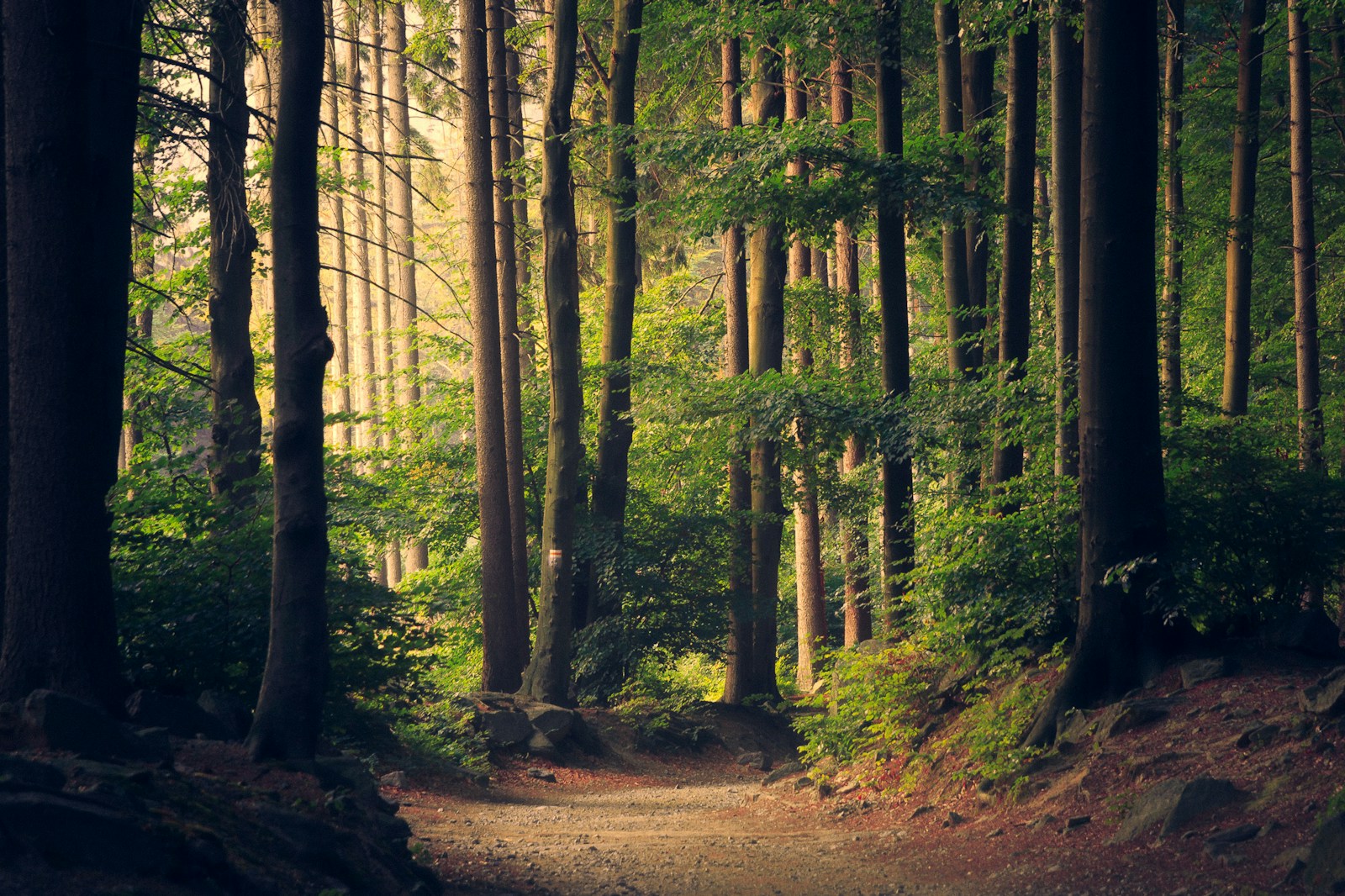
Bone Cave SNA — preserves a significant cave where Pleistocene-era animal bones were discovered, including jaguar and giant ground sloth remains. The cave’s sinkhole entrance and surrounding cedar glade support rare cave-adapted invertebrates. Eastern woodrats inhabit the cave entrance.
Nearby Attractions
Van Buren County — surrounding. Fall Creek Falls SP — 15 miles east. Rock Island SP — 15 miles northwest.

🐾 Dogs & Pets at Bone Cave State Natural Area
- Pets allowed? statewide rule
- Dogs, cats and other pets are permitted in Tennessee State Parks, including all campgrounds, if leashed, crated or otherwise under physical restrictive control at all times.
- Leash rule statewide rule
- 6 ft physical leash required; pets must not be left unattended
- Beaches & swim areas statewide rule
- Pets are prohibited on designated swimming beaches and at pools at all times
- Cabins & lodging statewide rule
- Pets prohibited in park lodges and cabins except designated pet-friendly units; each park offers a limited number of pet-friendly lodge rooms and one pet-friendly cabin ($20 per pet per night)
- Pet fees statewide rule
- No day-use or campground pet fee; $20 per pet per night in designated lodge rooms/cabins
- Statewide exceptions statewide rule
- Park management may post additional no-pet areas on trails; proof of rabies vaccination may be required
Are dogs allowed at Bone Cave State Natural Area?
Dogs, cats and other pets are permitted in Tennessee State Parks, including all campgrounds, if leashed, crated or otherwise under physical restrictive control at all times. Individual parks can post stricter rules — check signage on arrival.
Rules verified July 2026 via tnstateparks.com. More: Tennessee state parks guide · Dog rules in all 50 states compared
Park Location
Plan your gear for Bone Cave State Natural Area
From our editorial guides, matched to this park’s activities: