
🌤 Weather at Duck River Complex State Natural Area by season
| Spring | Summer | Fall | Winter |
|---|---|---|---|
| 39–79 °F | 64–90 °F | 38–84 °F | 29–53 °F |
Each range runs from the coldest monthly average low to the warmest monthly average high in that season (1991-2020 climate normals), measured at Neapolis Research & Education Station, 11 mi away, elevation 700 ft. Conditions at the park can differ from the station, especially where elevation differs — check a forecast before you go.

Duck River Complex State Natural Area protects sections of the Duck River in Middle Tennessee, which The Nature Conservancy describes as one of the most biodiverse rivers in North America.
Duck River Complex State Natural Area protects stretches along the Duck River, which The Nature Conservancy describes as one of the most biodiverse rivers in North America. Counts vary by survey, but the river supports more than 50 species of freshwater mussels and about 150 fish species along its 284-mile course through Middle Tennessee.
The natural area preserves riparian buffers, riverbanks, and adjacent habitats that are critical for maintaining the water quality and habitat complexity that support this aquatic community. The Nature Conservancy notes that several of the river’s species occur nowhere else on Earth.
Visitor Information
| Detail | Information |
|---|---|
| Location | Middle Tennessee (multiple sites) |
| Entry Fee | Free |
| Biodiversity | More than 50 mussel species, about 150 fish species |
| Distinction | One of North America’s most biodiverse rivers |
| Endemic Species | Several species found nowhere else, per The Nature Conservancy |
Frequently Asked Questions
Can I paddle the Duck River?
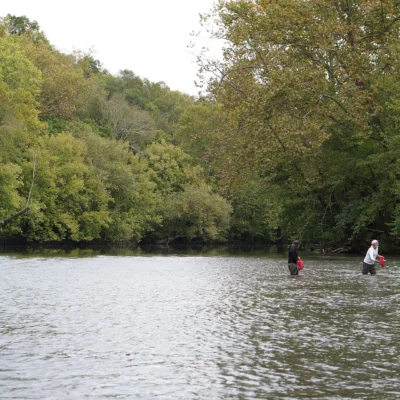
Yes. The Duck River is popular for canoeing and kayaking, with several outfitters offering guided trips and canoe rentals. The gentle current makes it accessible to beginners, and the clear water provides excellent visibility for observing aquatic life.
Why is the Duck River so biodiverse?
The Duck River is free-flowing for most of its length, although TVA’s Normandy Dam impounds an upper section. Free-flowing stretches keep the riffle-pool habitats that fish and mussels need. The river also flows through varied geology, which creates varied substrates.
More parks in Tennessee: Henry Horton State Park and Stillhouse Hollow Falls State Natural Area. See the full Tennessee state parks guide.
🐚 Visit Duck River Complex SNA
One of North America’s most biodiverse rivers, with more than 50 mussel species and about 150 fish species.
Insider Tips
Species counts: Surveys and conservation groups put the Duck River at 147 to 151 fish species and 54 to more than 60 freshwater mussel species across its 284 miles. Mussels: Several of the river’s mussels are federally listed as threatened or endangered, so look without disturbing them.
Best Time to Visit
Summer: Best for river exploration — wade the shoals to see mussel beds. Spring: High water and fish spawning. Fall: Leaf color along the river corridor. Year-round: The river is always productive.
Wildlife & Nature
Duck River Complex SNA — along the Duck River — preserves sections of one of the most biologically diverse rivers in North America. The Duck River has more than 50 species of freshwater mussels and about 150 fish species. River otters, beavers, and mink inhabit the corridor. Bald eagles fish from above.
Nearby Attractions
Columbia — along the river. Shelbyville — along the river. Henry Horton SP — nearby. Natchez Trace Parkway — crossing.

🐾 Dogs & Pets at Duck River Complex State Natural Area
- Pets allowed? statewide rule
- Dogs, cats and other pets are permitted in Tennessee State Parks, including all campgrounds, if leashed, crated or otherwise under physical restrictive control at all times.
- Leash rule statewide rule
- 6 ft physical leash required; pets must not be left unattended
- Beaches & swim areas statewide rule
- Pets are prohibited on designated swimming beaches and at pools at all times
- Cabins & lodging statewide rule
- Pets prohibited in park lodges and cabins except designated pet-friendly units; each park offers a limited number of pet-friendly lodge rooms and one pet-friendly cabin ($20 per pet per night)
- Pet fees statewide rule
- No day-use or campground pet fee; $20 per pet per night in designated lodge rooms/cabins
- Statewide exceptions statewide rule
- Park management may post additional no-pet areas on trails; proof of rabies vaccination may be required
Are dogs allowed at Duck River Complex State Natural Area?
Dogs, cats and other pets are permitted in Tennessee State Parks, including all campgrounds, if leashed, crated or otherwise under physical restrictive control at all times. Individual parks can post stricter rules — check signage on arrival.
Rules verified July 2026 via tnstateparks.com. More: Tennessee state parks guide · Dog rules in all 50 states compared
Park Map
Plan your gear for Duck River Complex State Natural Area
From our editorial guides, matched to this park’s activities:



Top Tours & Activities Near Tennessee
 from $455
 from $69
 from $40