
🌤 Weather at J.W. Wells State Park by season
| Spring | Summer | Fall | Winter |
|---|---|---|---|
| 17–67 °F | 50–81 °F | 24–71 °F | 5–31 °F |
Each range runs from the coldest monthly average low to the warmest monthly average high in that season (1991-2020 climate normals), measured at Stephenson 5WSW, 16 mi away, elevation 690 ft. Conditions at the park can differ from the station, especially where elevation differs — check a forecast before you go.

Overview: A CCC-Era Gem on Green Bay
Occupying nearly 700 acres of dense northern forest along approximately 3 miles of Lake Michigan’s Green Bay shoreline in Menominee County, J.W. Wells State Park is one of the Upper Peninsula’s most historic and atmospheric parks. Established in 1925 on land donated by the children of lumberman John Walter Wells, the park was extensively developed by the Civilian Conservation Corps (CCC) during the 1930s and 1940s, and many of the rustic log-and-stone structures built by those Depression-era workers remain in active use today—earning the park a listing on the National Register of Historic Places in 2002.
Located along M-35 between the cities of Menominee and Escanaba, J.W. Wells combines the architectural charm and craftsmanship of its CCC heritage with a beautiful stretch of Green Bay waterfront, a modern campground, rustic year-round cabins, and a trail system that winds through mature cedar, hemlock, and hardwood forests. The park occupies a quiet, unhurried corner of the Upper Peninsula that has changed little in character since the CCC crews first cut their trails and raised their log structures nearly a century ago.
CCC Heritage: A National Register of Historic Places
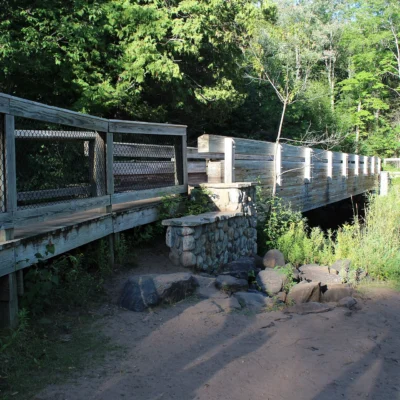
The Civilian Conservation Corps—President Franklin Roosevelt’s signature New Deal employment program—deployed young men from across the country to build infrastructure in America’s parks, forests, and public lands during the Great Depression. At J.W. Wells, CCC crews constructed a remarkable collection of rustic buildings, shelters, bridges, and stone structures using locally sourced materials: logs from the surrounding forest, stone from nearby quarries, and hardware forged in on-site blacksmith shops.
The CCC structures at J.W. Wells are exceptional examples of the “rustic style” that defined national and state park architecture during the 1930s—a design philosophy that emphasized harmony between built structures and the natural landscape. The park’s picnic shelters, with their massive log beams, stone fireplaces, and hand-carved details, are among the finest surviving CCC structures in Michigan.
The park’s 2002 listing on the National Register of Historic Places formally recognizes the architectural and historical significance of these structures and ensures their ongoing preservation.
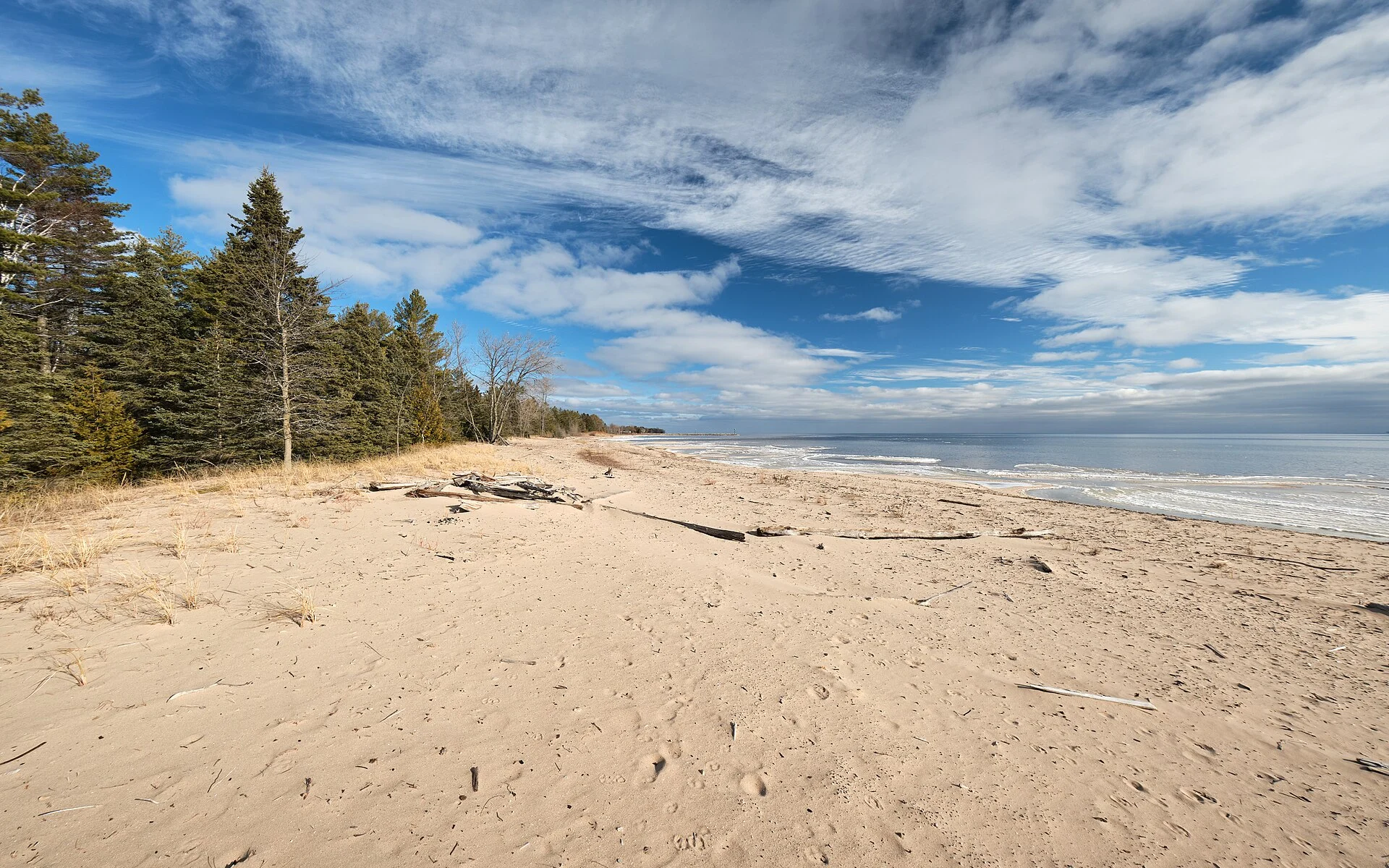
Green Bay Shoreline
The park’s 3 miles of Green Bay shoreline provide the primary waterfront recreation experience. The character of the shore varies along its length—some sections feature sandy beach suitable for swimming, while others consist of rocky shoals and cobblestone that are better suited for beachcombing, skipping stones, and watching spectacular sunsets over the bay.
Green Bay’s waters are generally warmer, calmer, and more protected than open Lake Michigan, making the swimming beach at J.W. Wells one of the more comfortable Great Lakes swimming experiences in the U.P. The bay’s shallow, weedy margins also support excellent warm-water fishing, with smallmouth bass, northern pike, walleye, and perch all accessible from shore or small boat.
The Campground and Cabins
Modern Campground
The campground features sites with electrical hookups, modern restroom facilities with flush toilets and hot showers, and proximity to the beach and day-use areas. Many sites are pleasantly shaded by the park’s mature forest canopy, providing a cool, comfortable camping environment even during summer heat.
Rustic Cabins (Year-Round)
Several rustic cabins are available for reservation year-round—a significant amenity that makes J.W. Wells a viable winter destination. The cabins provide basic shelter with bunks, a wood stove or heating source, and protection from the elements. Guests must bring bedding, cooking equipment, and food. The year-round availability is particularly appealing for cross-country skiers, snowshoers, and ice fishing enthusiasts who want a warm base in the U.P. without the full commitment of winter tent camping.
Trails and Forest
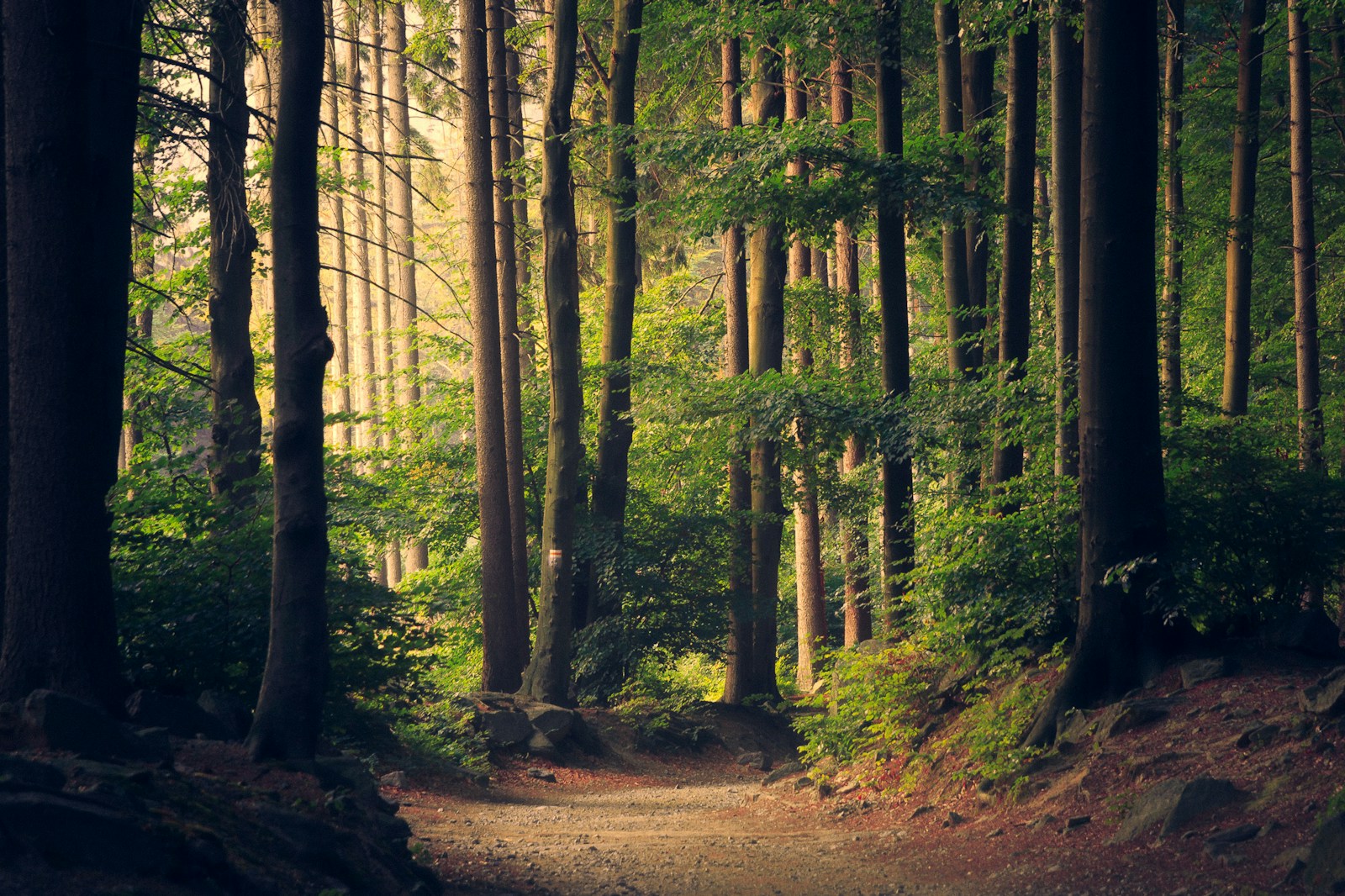
The park’s trail system winds through some of the most impressive forest habitat in the southern Upper Peninsula. The dominant species—northern white cedar, eastern hemlock, sugar maple, and yellow birch—create a dense, towering canopy that keeps the forest floor cool, damp, and deeply shaded even on the brightest summer days.
- Cedar River Trail: Following a section of the Cedar River through dense riverine forest, this trail features a warming shelter for winter users—a small, heated structure where skiers and snowshoers can stop to rest and warm up during cold-weather outings.
- Ridgewood Trail: A higher-elevation route through hardwood forest with views of Green Bay, also featuring a warming shelter.
- Shoreline Trails: Gentle paths along the Green Bay waterfront connect the campground, beach, and day-use areas.
Winter Recreation
J.W. Wells’s year-round cabins and trail-side warming shelters make it one of the most winter-friendly parks in the U.P. system.
- Cross-Country Skiing: Groomed and natural-surface ski trails through the forest, with warming shelters available along the route.
- Snowshoeing: The entire trail system is available for snowshoe exploration during winter.
- Ice Fishing: Green Bay ice fishing for perch, walleye, and northern pike is popular during the freeze-up months.
- Winter Camping: The rustic cabins provide a heated base for multi-day winter excursions.
The Wells Family Legacy
John Walter Wells was a prominent lumberman who operated extensively in the forests of Menominee County during the late 19th and early 20th centuries. After his death, his children donated the land that would become the state park to the people of Michigan in 1925—a remarkably generous act of conservation at a time when most logged-over land in the U.P. was simply abandoned or sold for taxes. The family’s gift ensured that this particular stretch of Green Bay shoreline and recovering forest would be permanently protected for public recreation, and the park’s name honors their contribution.
Frequently Asked Questions
Why is J.W. Wells on the National Register of Historic Places? The park’s extensive collection of structures built by the Civilian Conservation Corps during the 1930s and 1940s—including log-and-stone picnic shelters, bridges, and other buildings—represents some of the finest surviving CCC architecture in Michigan.
Are the cabins available in winter? Yes. The rustic cabins are available for reservation year-round, making J.W. Wells one of the most accessible winter camping options in the Upper Peninsula.
Can I swim in Green Bay? Yes. A designated swimming beach provides access to Green Bay. The waters are generally warmer and calmer than open Lake Michigan, though still cold by most standards until mid-summer.
What are the warming shelters? Small, heated structures located along the ski/snowshoe trail system where winter recreationists can stop to rest, warm up, and escape the wind during cold-weather outings.
Where is the park located? On M-35 in Menominee County, approximately midway between the cities of Menominee and Escanaba in Michigan’s Upper Peninsula.
Wildlife & Nature
J.W. Wells SP — on Green Bay (Lake Michigan) in the Upper Peninsula — features a 3-mile beach and old-growth cedar and hemlock forest. The park has one of the UP’s finest stands of virgin timber. Black bears forage the forest. Porcupines feed on bark. Bald eagles patrol the shoreline. Brook trout inhabit the cold Big Cedar River.
Nearby Attractions
Menominee — 25 miles south. Escanaba — 30 miles north. Cedar River — adjacent. Marinette, WI — across the river — has the Menominee River waterfall tour.
Nearby parks: If you have extra time, DNR Pocket Park is within about an hour’s drive, and Menominee River State Recreation Area is within about an hour’s drive.

🐾 Dogs & Pets at J.W. Wells State Park
- Pets allowed? statewide rule
- Pets are welcome in Michigan state parks, campgrounds, harbors and state-designated trails, except designated swim beaches and other posted areas.
- Leash rule statewide rule
- Pets must always be on a 6-foot leash and under the owner's immediate control.
- Beaches & swim areas statewide rule
- Pets are prohibited in buoyed swim areas but allowed along the shoreline outside them (on a 6-ft leash, even in the water); 50+ parks have pet-friendly shoreline or designated dog beaches.
- Cabins & lodging statewide rule
- Up to two pets (cats and dogs only) allowed at ~12 parks' designated pet-friendly cabins, yurts and lodges; $10 per night per pet (cabins) or $15 (lodges); otherwise pets barred from overnight lodging.
- Pet fees statewide rule
- No day-use pet fee; pet-friendly lodging costs $10/night per pet (cabins) or $15/night per pet (lodges).
- Statewide exceptions statewide rule
- Leash laws do not apply to dogs used for hunting on land open to such use; pets may not be left unattended.
Are dogs allowed at J.W. Wells State Park?
Pets are welcome in Michigan state parks, campgrounds, harbors and state-designated trails, except designated swim beaches and other posted areas. Individual parks can post stricter rules — check signage on arrival.
Rules verified July 2026 via michigan.gov. More: Michigan state parks guide · Dog rules in all 50 states compared
Park Map
Plan your gear for J.W. Wells State Park
From our editorial guides, matched to this park’s activities:

Top Tours & Activities Near Green Bay & Door County
 from $57
 from $49
 from $101