🌤 Weather at Lake Lenore Caves State Park by season
| Spring | Summer | Fall | Winter |
|---|---|---|---|
| 32–73 °F | 54–89 °F | 30–78 °F | 24–43 °F |
Each range runs from the coldest monthly average low to the warmest monthly average high in that season (1991-2020 climate normals), measured at Ephrata Municipal Airport, 11 mi away, elevation 1,252 ft. Conditions at the park can differ from the station, especially where elevation differs — check a forecast before you go.

Lake Lenore Caves State Park is a public state park in Washington near Soap Lake. Spanning 155 acres and established in 1972, this park offers a peaceful retreat into nature for visitors of all ages.
Quick Facts
| State | Washington |
| Nearest City | Soap Lake |
| Park Size | 155 acres |
| Established | 1972 |
Location & Getting There
Lake Lenore Caves State Park is located near Soap Lake, Washington. The park’s coordinates are 47.4667, -119.5167.
Things to Do
Washington state parks offer an incredible diversity of outdoor recreation — from the rain-soaked old-growth forests of the Olympic Peninsula to the volcanic landscapes of the Cascades, the arid canyonlands of Eastern Washington, and the island-dotted waters of Puget Sound. Popular activities include hiking through moss-draped temperate rainforests, beachcombing on wild Pacific shores, kayaking through the San Juan Islands, camping beneath towering Douglas firs, fishing for salmon and steelhead in glacier-fed rivers, rock climbing basalt columns, mountain biking forested trails, and cross-country skiing in winter. Many parks also offer historical interpretation, including military forts, pioneer homesteads, and Native American cultural sites.
Best Time to Visit
Washington’s outdoor season varies dramatically by region. Western Washington (including the coast and Puget Sound parks) is driest and warmest from June through September — this is peak season. Spring and fall bring fewer crowds and mild temperatures but expect rain. Eastern Washington parks enjoy more sunshine year-round, with hot summers and cold, snowy winters. The San Juan Islands are best visited May through September for whale watching (orcas) and calm seas. Mountain parks in the Cascades open as snow melts, typically July through October. Winter transforms many parks into cross-country skiing and snowshoeing destinations. Always carry rain gear west of the Cascades, regardless of season.
Visitor Tips
Washington state parks require a Discover Pass ($45/year or $10/day) for vehicle access. Purchase one online through the Washington State Parks website before your visit — it covers all 100+ state parks. Camping reservations are made through the state parks reservation system up to 9 months in advance. Popular parks like Deception Pass and Cape Disappointment book months ahead for summer weekends. Many parks in the San Juans and islands are accessible only by ferry or boat — check Washington State Ferries schedules in advance. Cell service can be unreliable, especially on the coast and in mountain parks.
Explore More Washington State Parks
Lake Lenore Caves State Park is one of many outstanding state parks in Washington. Discover more parks in our Best State Parks in Washington guide, or use our Park Finder to search by activity, location, or features.
Wildlife & Nature
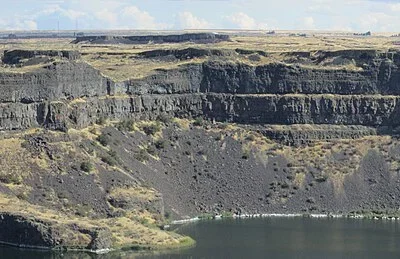
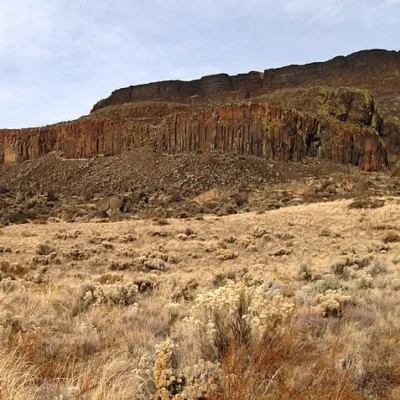
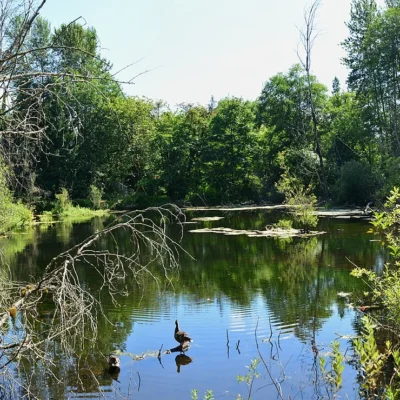
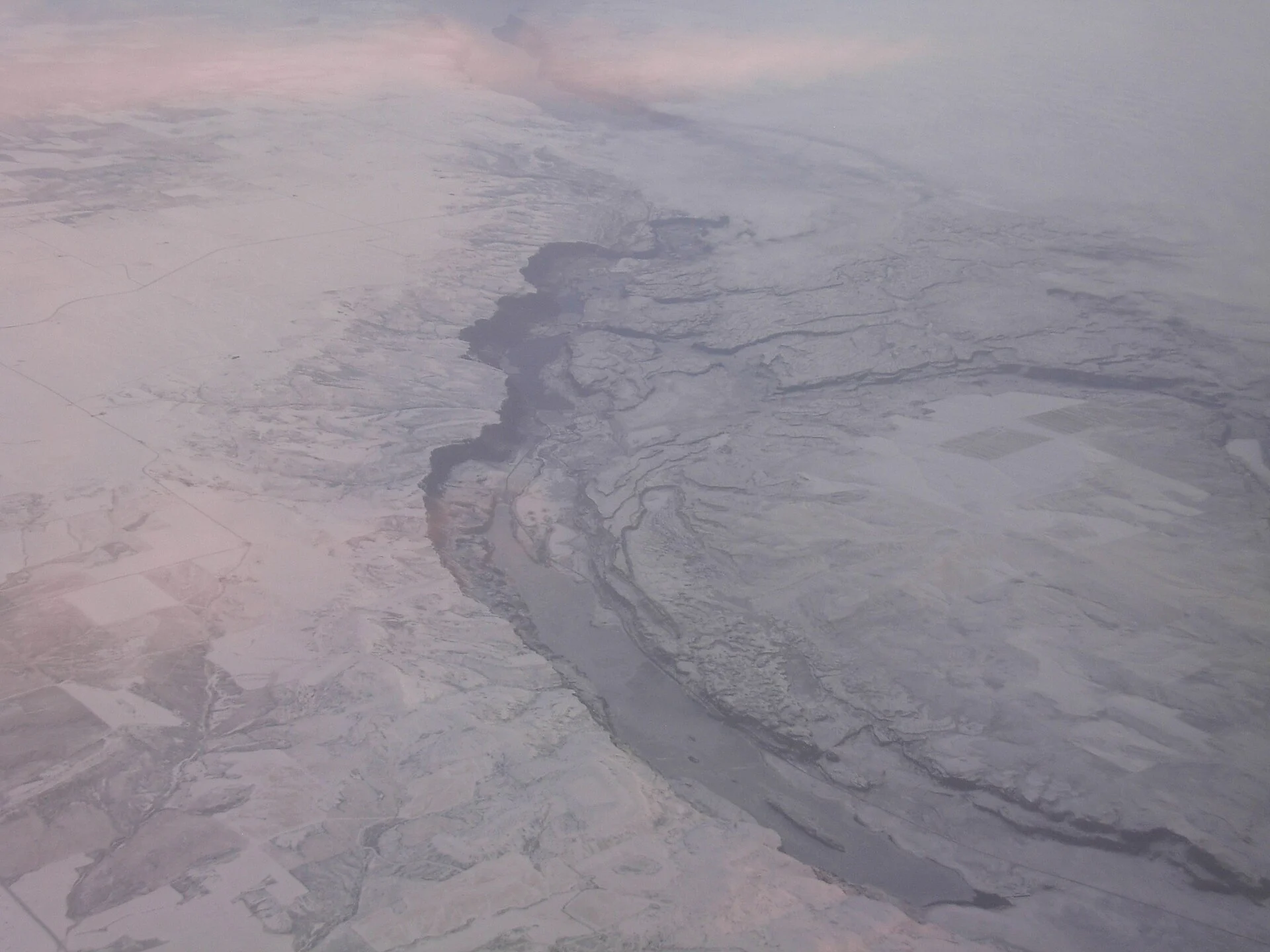
Lake Lenore Caves State Park — in the Grand Coulee of Grant County — preserves a series of shallow caves carved into basalt cliffs by the catastrophic Ice Age Missoula Floods (15,000-13,000 years ago). The floods — among the largest on Earth — carried water 800+ feet deep through this channel, eroding caves (called “potholes”) into the resistant basalt. Lake Lenore below supports Lahontan cutthroat trout — a species native to the Great Basin, stocked here because the alkaline lake chemistry matches their natural habitat. Mule deer browse on the cliff edges. Prairie falcons nest in the basalt. Western rattlesnakes sun on rocks.
Nearby Attractions
Sun Lakes-Dry Falls State Park — 5 miles south — has Dry Falls, the largest waterfall in geological history (3.5 miles wide, 400 ft tall when flowing). Soap Lake — 10 miles south — has mineral-rich therapeutic waters. Grand Coulee Dam — 30 miles north — has nightly laser light shows in summer. Summer Falls is nearby for a short hike.
Nearby parks: If you have extra time, Sun Lakes-Dry Falls State Park is a short drive away.

🐾 Dogs & Pets at Lake Lenore Caves State Park
- Pets allowed? statewide rule
- Pets are allowed in most Washington state parks but must be under physical control on a leash at all times.
- Leash rule statewide rule
- 8 ft maximum leash required; pets must be under physical control
- Beaches & swim areas statewide rule
- Pets are not permitted on designated swim beaches
- Cabins & lodging statewide rule
- Pets are not allowed inside vacation houses but are permitted in designated pet-friendly cabins and yurts (e.g. Grayland Beach, Seaquest, Ike Kinswa — Cape Disappointment does NOT allow pets in its yurts), typically up to two pets, with a pet fee
- Pet fees statewide rule
- No day-use pet fee; $15 per night pet fee in pet-friendly cabins/yurts
- Statewide exceptions statewide rule
- Director-designated off-leash areas are exempt from the leash rule and are conspicuously posted
Are dogs allowed at Lake Lenore Caves State Park?
Pets are allowed in most Washington state parks but must be under physical control on a leash at all times. Individual parks can post stricter rules — check signage on arrival.
Rules verified July 2026 via parks.wa.gov. More: Washington state parks guide · Dog rules in all 50 states compared
Park Map
Plan your gear for Lake Lenore Caves State Park
From our editorial guides, matched to this park’s activities: