🌤 Weather at Massacre Rocks State Park by season
| Spring | Summer | Fall | Winter |
|---|---|---|---|
| 27–68 °F | 46–89 °F | 24–77 °F | 17–39 °F |
Each range runs from the coldest monthly average low to the warmest monthly average high in that season (1991-2020 climate normals), measured at Massacre Rocks State Park, 1 mi away, elevation 4,195 ft. Conditions at the park can differ from the station, especially where elevation differs — check a forecast before you go.

🛤️ Oregon Trail’s Most Feared Passage — The narrow rock gateway that terrified 19th-century emigrants, pioneer inscriptions at Register Rock, world-class disc golf, Snake River fishing, and Idaho’s best-preserved wagon rut ruins
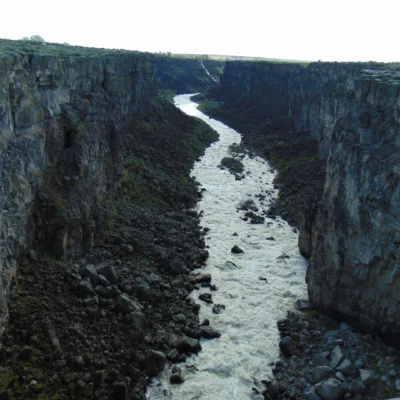
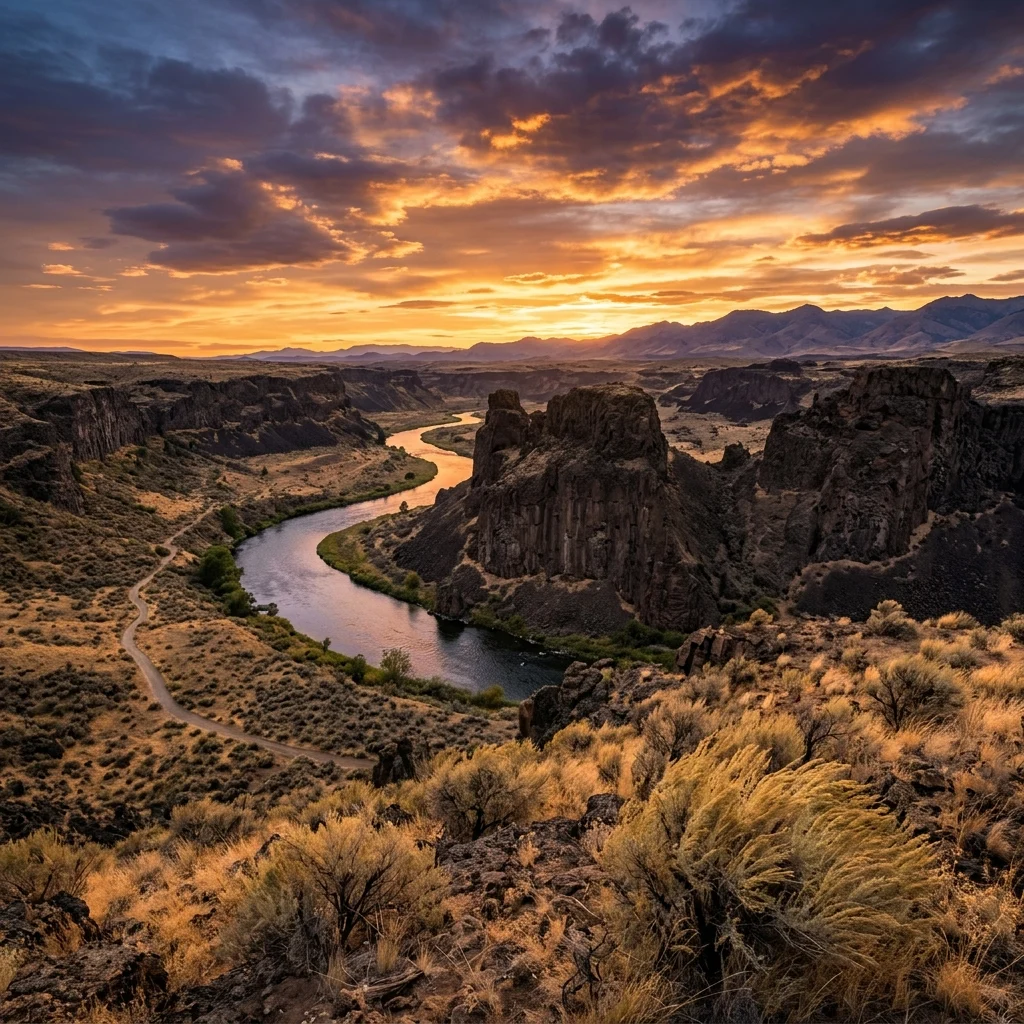
In the violent history of America’s westward expansion, few places carried a more ominous reputation than the narrow basalt passage that Oregon Trail emigrants called “Gate of Death”. The towering volcanic rock formations that line this stretch of the Snake River created a natural chokepoint where wagon trains were forced into a defenseless single file — the perfect terrain for an ambush. On August 9-10, 1862, a series of attacks killed at least ten emigrants here, cementing the passage’s dark nickname and its place in frontier history.
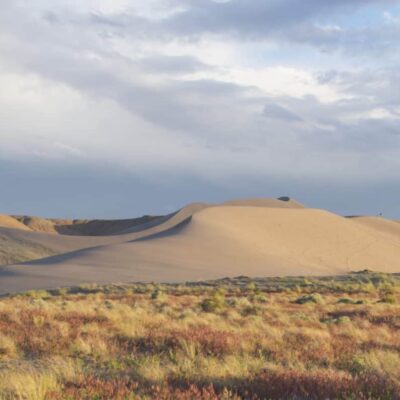
Today, Massacre Rocks State Park preserves this haunting landscape and transforms it into one of Idaho’s most unique outdoor destinations. The same volcanic rock formations that once terrorized pioneers now draw rock climbers to 21 different climbing areas, while the Snake River flowing through the park supports excellent bass and sturgeon fishing. A world-class disc golf course threads through the sagebrush-covered terrain, and the park’s campground — with electric hookups and riverside cabins — serves as a comfortable base for exploring the surrounding Snake River Plain. Just down the road, Register Rock still bears the hand-carved names of the emigrants who passed through, their inscriptions preserved under a protective shelter for over 160 years.
Oregon Trail Heritage
Register Rock
Located in a separate picnic area a short drive from the main park, Register Rock is a massive boulder where Oregon Trail emigrants carved their names, dates, and messages as they passed through between the 1840s and 1880s. Many inscriptions remain legible today, preserved under a stone shelter built by the Civilian Conservation Corps. Standing before this rock, reading names from 1849 and 1862, is one of the most tangible connections to the pioneer experience available anywhere on the trail.
Oregon Trail Ruts
Well-preserved wagon ruts are visible along a paved interpretive trail that leads under Interstate 86 to the original trail corridor. The depth of the ruts — worn into volcanic soil by thousands of iron-rimmed wheels — speaks to the sheer volume of emigrant traffic that passed through this narrow passage.
Things to Do
| Activity | Details | Best Season |
|---|---|---|
| Rock Climbing | 21 climbing areas on volcanic rock formations | Spring & Fall |
| Disc Golf | Championship 18-hole course through sagebrush terrain | Year-round |
| Fishing | Snake River — smallmouth/largemouth bass, trout, sturgeon | Spring–Fall |
| Hiking | Nature trails and geology trails through volcanic landscape | Spring & Fall |
| Kayaking / Canoeing | Snake River access; calm water stretches | May–September |
| Wildlife Viewing | Raptors, mule deer, coyotes, desert reptiles | Year-round |
| Stargazing | Minimal light pollution over Snake River Plain | Year-round |
Camping & Lodging
| Site Type | Number | Hookups | Rate | Notes |
|---|---|---|---|---|
| Standard Sites | 42 | Water & Electric (20/30 amp) | $22-30/night | Two loops; picnic tables; fire pits |
| Camping Cabins | 4 | Electric only | $55-65/night | Bunk beds, futon, electricity; bring own bedding |
| Group Camp | 1 | None | $100+/night | Reservable for large groups |
Campground facilities: Flush toilets, hot showers, dump station, firewood for sale. Reserve through Idaho State Parks — sites can be booked up to a year in advance. The four cabins (Cottontail, Coyote, Juniper, and Sagebrush) are extremely popular and sell out months ahead.
Best Time to Visit
| Season | Temp Range | Best For | Notes |
|---|---|---|---|
| 🌸 Spring (Apr–May) | 45–70°F | Hiking, wildflowers, rock climbing | Best weather; river may be high from snowmelt |
| ☀️ Summer (Jun–Aug) | 75–100°F | Camping, fishing, kayaking | Very HOT; seek shade midday; carry extra water |
| 🍂 Fall (Sep–Oct) | 45–75°F | Rock climbing, disc golf, stargazing | Perfect temperatures; fewer crowds; excellent light |
| ❄️ Winter (Nov–Mar) | 15–40°F | Eagle watching, solitude, photography | Campground open year-round; reduced services |
Budget Planner
| Expense | Cost | Notes |
|---|---|---|
| Vehicle Entry Fee | $7 | Per vehicle; valid all day |
| Annual Idaho Parks Passport | $10 (with registration) / $40 | Available with vehicle registration renewal |
| Camping (Standard) | $22-30/night | Water & electric hookups included |
| Camping Cabin | $55-65/night | Sleeps 4-5; bring own bedding |
| Disc Golf | Free (with park entry) | Bring your own discs |
Wildlife
| Species | Where to Spot | Best Season |
|---|---|---|
| Golden Eagle | Soaring above rock formations | Year-round |
| Prairie Falcon | Nesting in basalt cliffs | Spring–Summer |
| Mule Deer | Campground edges, sagebrush areas | Year-round (dawn/dusk) |
| Coyote | Throughout park; vocal at night | Year-round |
| Western Rattlesnake | Rocky areas, climbing zones | April–October |
| White Sturgeon | Snake River (catch & release only) | Spring & Fall |
Safety Information
| Hazard | Precaution |
|---|---|
| Extreme Summer Heat | Temperatures routinely exceed 100°F; carry 1 gallon of water per person per day |
| Rattlesnakes | Common in rocky areas; watch where you step and place hands while climbing |
| Snake River Currents | Strong, deceptive currents; always wear a PFD when on the water |
| Loose Rock (Climbing) | Volcanic rock can be crumbly; test all holds; wear a helmet |
| Coyotes in Camp | Secure all food and scented items; don’t leave food unattended |
Frequently Asked Questions
What happened at Massacre Rocks?
On August 9-10, 1862, a series of attacks on Oregon Trail wagon trains in the narrow rock passage killed at least ten emigrants and injured many more. The emigrants were ambushed while passing through the confined basalt corridor. This event, combined with earlier incidents at nearby Raft River, gave the passage its grim name. The park’s visitor center provides detailed historical context about the attacks and their place in the broader conflict between settlers and indigenous peoples.
Where is Register Rock?
Register Rock is located approximately 2 miles west of the main park entrance in a separate picnic area off I-86. Look for the signed turnoff. The rock is protected under a stone shelter and is free to visit during park hours. Many inscriptions dating from the 1840s through 1880s are still clearly legible.
Is the disc golf course good?
Yes — Massacre Rocks’ 18-hole disc golf course is considered one of Idaho’s best, using the natural sagebrush terrain and volcanic rock outcroppings as obstacles. The course is challenging, with significant elevation changes and desert wind conditions. Bring your own discs — there are no rentals available. A shorter practice course is near the visitor center.
Can I climb the rock formations?
Yes — with 21 different climbing areas, Massacre Rocks is a legitimate climbing destination. The volcanic rock offers a unique climbing experience different from granite or limestone. Routes range from beginner-friendly bouldering to advanced multi-pitch climbs. Be aware of rattlesnakes in warm months and always test holds on the sometimes-crumbly volcanic rock.
How far is the park from Boise?
Approximately 180 miles southeast of Boise — about a 2.5-hour drive via I-84 and I-86. The park is located just off Exit 28 on I-86, about 10 miles southwest of American Falls. It makes a good overnight stop on road trips between Boise and Salt Lake City or Yellowstone.
Are there full hookup sites?
Sites have water and electric hookups (20/30 amp). A dump station is available for sewer disposal. For full hookup camping, check private RV parks in American Falls (10 miles northeast). The four camping cabins offer a more comfortable alternative with electricity, bunk beds, and futons.
Explore More Idaho State Parks
Massacre Rocks State Park is one of many outstanding state parks in Idaho. Discover more parks in our Best State Parks in Idaho guide, or use our Park Finder to search by activity, location, or features.
Keep exploring: The closest neighbors are Lake Walcott State Park (within about an hour’s drive) and Castle Rocks State Park (elsewhere in the state).

🐾 Dogs & Pets at Massacre Rocks State Park
- Pets allowed? statewide rule
- Pets are welcome in most Idaho state parks and on trails, but only if confined or controlled on a leash no longer than 6 feet.
- Leash rule statewide rule
- 6 ft maximum leash required, or pet must be confined (e.g. in a camper)
- Beaches & swim areas statewide rule
- Pets are prohibited from all swim areas and beaches statewide (service animals excepted)
- Cabins & lodging statewide rule
- Pets are allowed at most parks but some parks prohibit them in some cabins and yurts
- Statewide exceptions statewide rule
- Park managers may designate off-leash exercise areas (e.g. Eagle Island off-leash trails); pets may not be left unattended
Are dogs allowed at Massacre Rocks State Park?
Pets are welcome in most Idaho state parks and on trails, but only if confined or controlled on a leash no longer than 6 feet. Individual parks can post stricter rules — check signage on arrival.
Rules verified July 2026 via parksandrecreation.idaho.gov. More: Idaho state parks guide · Dog rules in all 50 states compared
Park Location
Plan your gear for Massacre Rocks State Park
From our editorial guides, matched to this park’s activities: