🌤 Weather at Monocacy River Natural Resources Area by season
| Spring | Summer | Fall | Winter |
|---|---|---|---|
| 33–72 °F | 62–84 °F | 36–76 °F | 24–44 °F |
Each range runs from the coldest monthly average low to the warmest monthly average high in that season (1991-2020 climate normals), measured at Damascus 3 SSW, 11 mi away, elevation 700 ft. Conditions at the park can differ from the station, especially where elevation differs — check a forecast before you go.

Overview
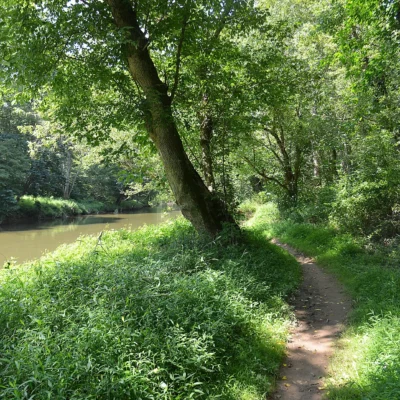
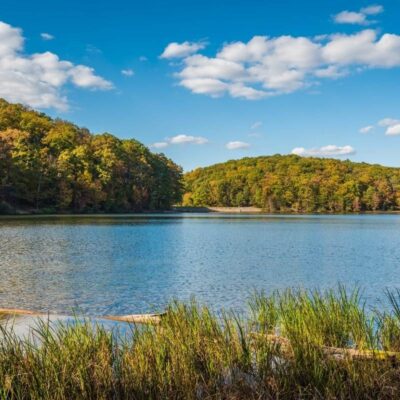
Monocacy River Natural Resources Area protects a scenic stretch of the Monocacy River corridor in Frederick County, Maryland. The area encompasses riparian forests, agricultural fields, and floodplain wetlands along one of the Potomac River’s most significant tributaries in the Maryland Piedmont.
The Monocacy River valley holds deep historical significance — the Battle of Monocacy, fought on July 9, 1864, took place nearby, and the surrounding landscape has supported agriculture and settlement since colonial times. Today the natural resources area provides opportunities for fishing, hiking, paddling, and wildlife observation in a peaceful rural setting.
Recreation and Activities
Fishing is a primary draw, with the Monocacy River supporting populations of smallmouth bass, channel catfish, sunfish, and seasonal trout stocking in tributaries. Hiking and mountain biking trails traverse the forested uplands and river bottoms. Canoeing and kayaking on the Monocacy River provide scenic float trips through the agricultural Piedmont landscape.
Birdwatching is rewarding along the river corridor, with great blue herons, belted kingfishers, wood ducks, and various warblers commonly observed. Hunting is permitted during designated seasons.
Location and Access
The Monocacy River Natural Resources Area is located in Frederick County, Maryland, accessible from various county roads along the Monocacy River corridor. The city of Frederick is the nearest major service center, approximately 5 to 10 miles to the west.
Frequently Asked Questions
Is there a fee?
Access to the natural resources area is generally free.
Can I camp along the Monocacy River?
Camping is not permitted. Nearby Cunningham Falls State Park and Gambrill State Park offer camping facilities in the Frederick County area.
How did Monocacy save Washington?
In July 1864, Confederate General Jubal Early marched 14,000 troops toward Washington — which was defended by only clerks and convalescents. General Lew Wallace gathered 5,800 troops at the Monocacy River and fought a delaying action that cost Early a full day. That delay allowed Grant to send veteran troops from Petersburg to Washington. Early reached Washington’s outskirts but found it reinforced — and retreated.
Getting There
Located near Frederick in Frederick County, accessible from I-70 and I-270. The Monocacy River, a Potomac tributary, flows through rich agricultural land that served as the breadbasket of the Union Army. The nearby Monocacy National Battlefield (1864) preserves the “Battle That Saved Washington” — where a small Union force delayed a Confederate advance long enough for reinforcements to reach the capital.
Insider Tips
Battle of Monocacy: The Monocacy River area saw a crucial Civil War battle (July 9, 1864) — the “Battle That Saved Washington.” Pro tip: Union General Lew Wallace’s delaying action gave Washington time to reinforce — without Monocacy, the Confederates might have captured the capital. Lew Wallace: Wallace later wrote “Ben-Hur” — one of the best-selling novels of the 19th century.
Best Time to Visit
Fall: River valley foliage. Summer: River access and fishing. Spring: Wildflowers along the river. Year-round: River corridor accessible.
More parks nearby: Gambrill State Park is a short drive away, while Cunningham Falls State Park lies a short drive away.

🐾 Dogs & Pets at Monocacy River Natural Resources Area
- Pets allowed? statewide rule
- Maryland state parks welcome leashed pets, but where they may go is set park by park under the Maryland Park Service Pet Policy — check each park's designated pet areas.
- Leash rule statewide rule
- 6 ft maximum in designated pet areas and 10 ft in undeveloped areas; off-leash under voice control only while swimming in designated areas
- Beaches & swim areas statewide rule
- At most parks pets are barred from sandy swim beaches from Memorial Day weekend through Labor Day; many parks allow shoreline swimming outside the swim beach
- Cabins & lodging statewide rule
- Most cabins are pet-free, but select parks designate pet-friendly cabins (e.g. Herrington Manor cabins 1-10, New Germany cabins 3-7)
- Statewide exceptions statewide rule
- Pets not allowed in park buildings or playgrounds; pets must be licensed and vaccinated
Are dogs allowed at Monocacy River Natural Resources Area?
Maryland state parks welcome leashed pets, but where they may go is set park by park under the Maryland Park Service Pet Policy — check each park's designated pet areas. Individual parks can post stricter rules — check signage on arrival.
Rules verified July 2026 via dnr.maryland.gov. More: Maryland state parks guide · Dog rules in all 50 states compared
Park Location
Plan your gear for Monocacy River Natural Resources Area
From our editorial guides, matched to this park’s activities: